

 Travel Essentials
 Travel Essentials

Explore the Great Barrier Reef with tips on access points, activities like snorkeling and diving, best times to visit, and family-friendly options for an unforgettable trip.
 Travel Essentials
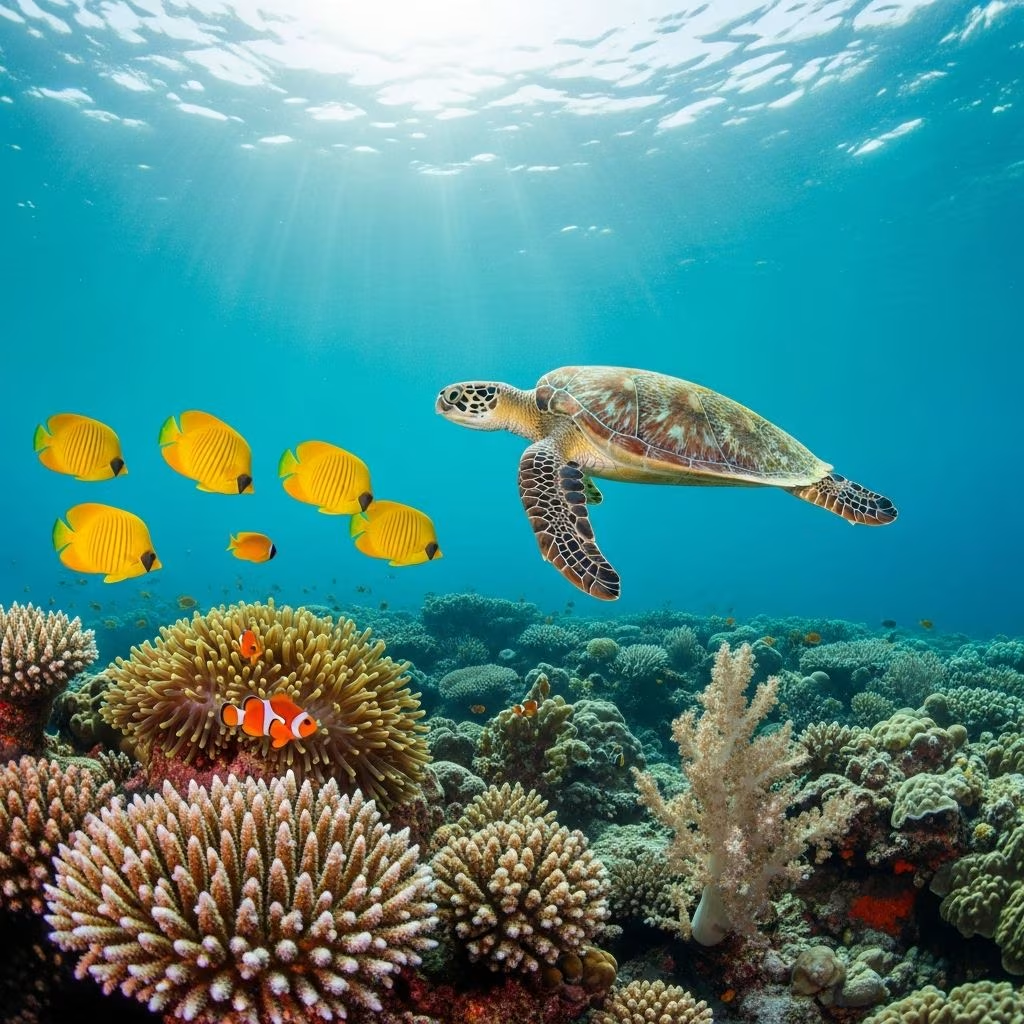
The Great Barrier Reef stands as one of Earth’s most spectacular natural formations, a vast coral ecosystem visible from space and teeming with biodiversity. Stretching over 2,300 kilometers along Australia’s Queensland coast, it hosts thousands of fish species, six of the seven world’s marine turtle types, whales, and vibrant coral gardens. This guide offers practical insights for first-time visitors, covering access, adventures, seasonal tips, and sustainable travel practices.
Comprising nearly 3,000 individual reefs, this marine park dwarfs any other coral system globally. It supports over 1,600 fish species, giant clams, manta rays, and the elusive ‘Great Eight’—whales, sharks, turtles, rays, clams, clownfish, potato cod, and Maori wrasse. Dugongs and dolphins glide through its waters, while islands and cays dot the seascape, offering diverse habitats from fringing reefs to deep outer barriers.
Visitors encounter thriving ecosystems where colorful corals form underwater cities. Inner reefs provide calm, shallow spots ideal for beginners, while outer reefs boast superior visibility and abundant life, though they demand more travel time. Conservation efforts protect this fragile wonder, with strict no-touch policies ensuring future generations witness its splendor.
Multiple hubs along Queensland’s coast serve as launchpads, each with unique advantages. Cairns, the bustling northern epicenter, connects via international flights and offers quick reef access. Port Douglas, an hour north, provides serene alternatives with 60-90 minute boat rides to inner reefs.
Catamarans minimize seasickness, while helicopters deliver bird’s-eye thrills. Transfers from airports to resorts streamline arrivals.
From surface dips to deep dives, the reef caters to all skill levels. Snorkeling reveals coral labyrinths and fish schools, often with guided tours for safety and education. Certified divers plunge to outer reefs, spotting the Great Eight amid pristine formations.
Non-swimmers enjoy glass-bottom boats, semi-submersibles, or underwater observatories at day-trip pontoons like Reef Magic near Cairns. Scenic flights from Cairns or Whitsundays showcase Heart Reef and sprawling vistas. For intimacy, three-person submarines from Fitzroy Island (45 minutes from Cairns) let pilots narrate marine wonders without gear.
| Activity | Best For | Duration/Access | Cost Estimate |
|---|---|---|---|
| Snorkeling | Beginners/Families | Day trips, 1.5-2 hrs out | $150+ per person |
| Scuba Diving | Certified Divers | Outer reefs, liveaboards 1-7 nights | $300+ incl. gear |
| Helicopter Flight | Quick Views | 25-30 mins | $300+ |
| Submarine Tour | Non-Swimmers | Fitzroy Island, guided | Premium add-on |
| Sailing Whitsundays | Multi-Day | 2-3 nights | Varies by operator |
Indigenous-guided tours in Cairns reveal Traditional Owners’ reef connections, blending culture with nature. Combine with Daintree Rainforest visits or Bundaberg’s Mon Repos Turtle Centre for nesting tours (Nov-Mar).
June-October offers dry, cool weather, clear waters, and whale migrations, ideal for most activities. Manta rays peak at Lady Elliot Island in winter. November-April brings turtle nesting/hatching and coral spawning (late Nov-Dec), though rains may cloud waters. Whitsundays suit year-round visits.
Over 1,000 islands beckon with resort options. Wake to reef views at Lizard or Green Island (Cairns ferries), Hamilton/Daydream in Whitsundays, or eco-luxury at Heron/Wilson/Lady Elliot. Families favor Cairns/Port Douglas resorts, Whitsunday caravan parks, and kid-friendly pontoons. Liveaboards provide immersive overnight dives.
Families thrive here with shallow snorkel sites, onboard naturalists, and dry viewing options. Reef Magic’s platforms let kids observe safely; Whitsundays offer relaxed sailing. Introductory dives suit teens; submarines thrill all ages.
The reef faces bleaching and crown-of-thorns threats, but visitors aid recovery via eco-operators, reef-safe sunscreen, and no-touch rules. Choose accredited tours supporting the Great Barrier Reef Marine Park Authority. Reduce plastic use and follow zoning for minimal impact.
June-October for dry weather and wildlife like whales; year-round viable in Whitsundays.
No—glass-bottom boats and semisubs suit non-swimmers; life jackets provided for snorkelers.
1.5-2 hours by catamaran from Cairns/Port Douglas; shorter by helicopter.
Yes, with calm sites, guided tours, and facilities like Reef Magic.
Use accredited operators, avoid touching corals, apply reef-safe sunscreen to protect this vital ecosystem.
