

 Travel Essentials
 Travel Essentials

Plan your first Great Smoky Mountains trip with scenic drives, top hikes, wildlife tips, and a simple 3-day itinerary.
 Travel Essentials
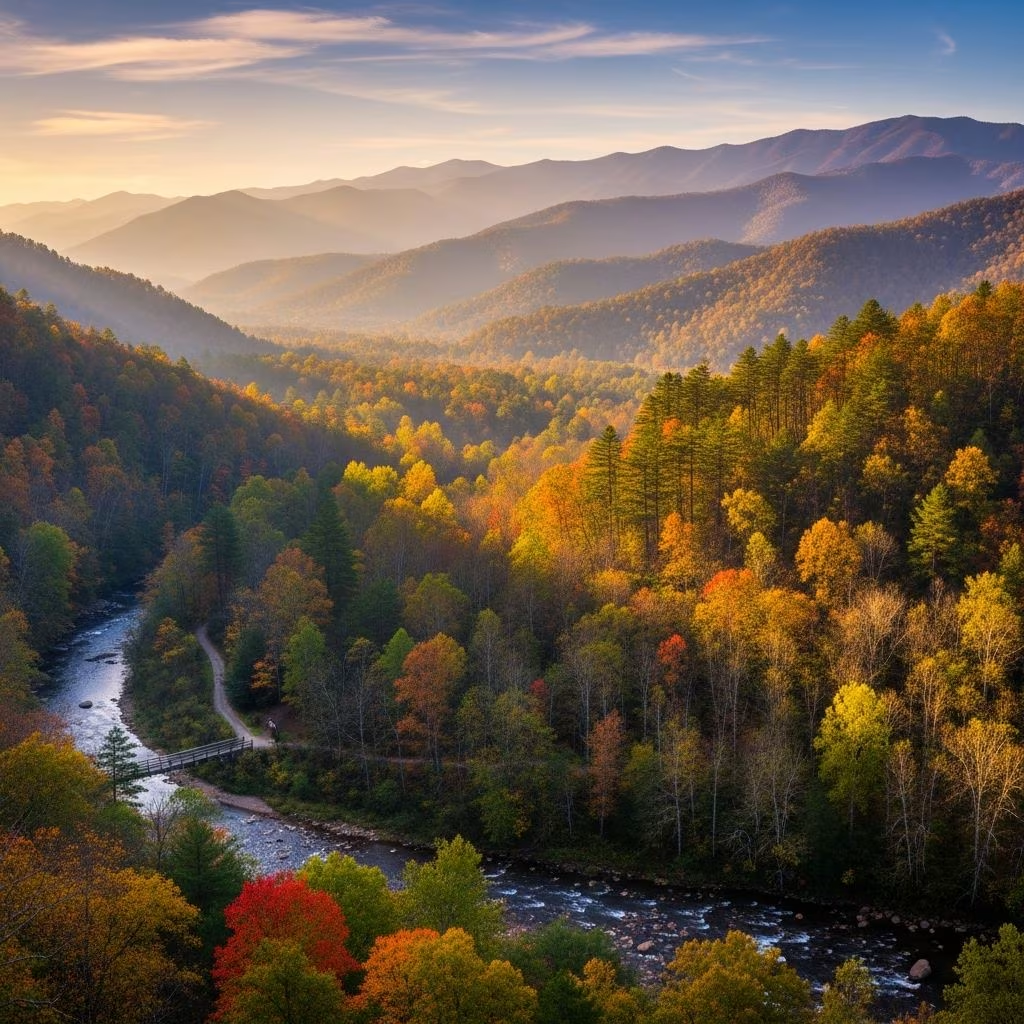
Great Smoky Mountains National Park stands as America’s most visited national park, drawing over 11 million adventurers annually to its 522,427 acres of pristine wilderness straddling Tennessee and North Carolina. This vast expanse offers misty peaks, cascading waterfalls, diverse wildlife, and over 800 miles of trails for every skill level, making it an ideal destination for first-time explorers seeking natural beauty and outdoor thrills.
The park’s allure lies in its accessibility and variety. Entry is free, though a parking tag is required for vehicles parked longer than 15 minutes. From gentle streams lined with boulders to challenging ascents reaching the highest point in Tennessee, the Smokies provide endless opportunities. Black bears roam freely, salamanders thrive in moist forests, and spring wildflowers paint the landscape, creating a living tapestry of biodiversity.
Navigating this expansive park begins with choosing the right gateway. The park’s two main visitor centers serve as hubs for maps, ranger advice, and exhibits.
| Entry Point | Location | Highlights | Best For |
|---|---|---|---|
| Sugarlands Visitor Center | Near Gatlinburg, TN | Cataract Falls trail, park maps, wildlife exhibits | Tennessee-side access, easy hikes |
| Oconaluftee Visitor Center | Near Cherokee, NC | Elk viewing meadows, historical mountain farmstead | North Carolina entry, wildlife spotting |
| Cades Cove | Western TN side | 11-mile loop road, historic structures, bear sightings | Scenic drives, biking |
| Cataloochee Valley | Eastern NC side | Elk herds, quiet trails, preserved buildings | Secluded nature, history |
These centers provide essential resources like trail maps for $1 each, detailing hikes, drives, and waterfalls. Rangers offer real-time updates on trail conditions, closures, and hidden gems based on weather and season.
Wind your way through the park via paved and gravel roads offering panoramic views without strenuous effort. Newfound Gap Road, a 29-mile two-lane route, bisects the park from Sugarlands to Oconaluftee, passing trailheads and overlooks.
For extended journeys, the Blue Ridge Parkway connects southward, linking to other parks.
With over 800 miles of trails, the Smokies cater to all levels, from short strolls to multi-day epics. Obtain maps at visitor centers and always inform someone of your plans.
The Mountains-to-Sea Trail starts here, extending 1,175 miles to the Atlantic.
The park teems with black bears, elk, deer, and over 200 bird species. Prime viewing occurs at dawn or dusk in open areas like Cades Cove and Oconaluftee meadows.
Beyond hiking, try horseback riding at stables in Cades Cove, Smokemont, or Sugarlands. Biking is popular on Cades Cove’s loop (vehicle-free Wednesdays, mornings in summer). Fishing requires a permit, and ranger-led programs offer educational insights.
Mountain weather shifts rapidly; pack layers, rain gear, sturdy boots, trekking poles, water, and snacks. Trails are marked, but slippery rocks pose risks—avoid wading in streams due to drownings.
Spring (April-May) brings wildflowers, summer waterfalls, fall (October) peak foliage, winter solitude with snow. Avoid peak weekends; arrive before 8 AM. Check nps.gov/grsm for alerts.
Complement your park time with Gatlinburg’s SkyBridge, Pigeon Forge’s Dollywood, or Cherokee’s cultural sites.
No, but parking tags are mandatory: $5/day, $15/week, $40/year per vehicle.
Pets restricted to roads/grounds; not on trails except paved ones like Clingmans Dome.
Yes, 100+ backcountry sites require free permits; frontcountry campgrounds book via recreation.gov.
Expect rain year-round; elevations bring cooler temps—summit can drop 20°F below valleys.
Over 11 million visitors yearly; Cades Cove and Newfound Gap busiest—go early or midweek.
As you explore, respect this UNESCO World Heritage site by following guidelines, supporting conservation. Your visit contributes to its protection for future generations.
