


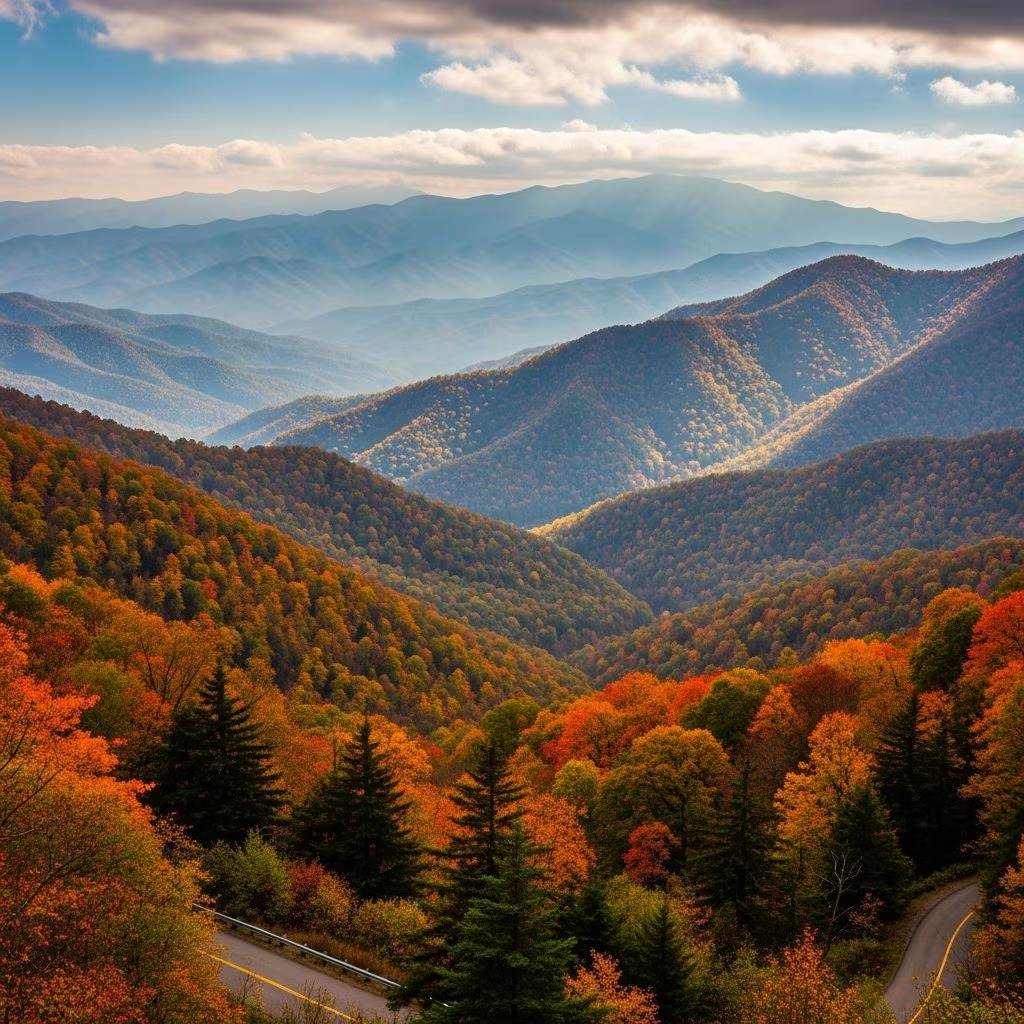
Great Smoky Mountains National Park stands as America’s most visited national park, attracting millions of visitors annually who seek authentic mountain experiences and natural beauty. Spanning across Tennessee and North Carolina, this sprawling protected area encompasses diverse ecosystems, historic structures, and recreational opportunities that cater to adventure enthusiasts and casual visitors alike. Whether you’re seeking challenging mountain expeditions or leisurely scenic experiences, the park offers something for every type of traveler.
Understanding the Park’s Geographic Layout
The Great Smoky Mountains National Park covers a vast terrain with multiple entry points and distinct regions, each offering unique characteristics and attractions. The park’s geography includes high elevation peaks, river valleys, and rolling foothills that create diverse landscapes throughout the property. Understanding the park’s layout helps visitors plan efficient itineraries that maximize their experience within the time available.
Several visitor centers serve as gateways to park information and orientation. The Sugarlands Visitor Center, located approximately 12 miles from the Gatlinburg entrance, operates daily except Christmas and opens at 8am. This facility provides essential resources including maps, film presentations about the area shown every half hour, and displays featuring local flora and fauna indigenous to the region. The Oconaluftee Visitor Center on the North Carolina side offers similar amenities and serves as an ideal starting point for visitors arriving via the Blue Ridge Parkway.
Scenic Driving Routes and Panoramic Experiences
For visitors who prefer experiencing the park from their vehicles, several exceptional driving routes provide breathtaking views without requiring extensive hiking. These scenic corridors wind through the mountains, offering numerous pullouts and overlooks where travelers can stop and appreciate the landscape.
Newfound Gap Road represents one of the park’s premier scenic drives, stretching 30 miles along US 441. This route creates a dramatic journey through the mountains with seemingly endless overlooks that cut deep into the terrain. The road features the namesake Newfound Gap, which marks the border between North Carolina and Tennessee, and provides a comprehensive introduction to the park’s diverse environments.
Cades Cove Loop consists of an 11-mile circuit that showcases pastoral valleys, historic structures, and abundant wildlife viewing opportunities. This popular route accommodates both vehicular traffic and alternative transportation options, with specific hours when the loop closes to vehicles on certain days, making it ideal for bicyclists and pedestrians. The cove’s open landscape facilitates wildlife observation, particularly for spotting bears, deer, and other native fauna.
The Roaring Fork Motor Nature Trail provides another excellent driving option, featuring a narrow, winding route that passes through old-growth forest and past historic structures. This circuit offers a more intimate experience compared to the busier main roads while still maintaining accessibility for standard vehicles.
Waterfall Discovery and Cascading Beauty
The Great Smoky Mountains contain more than 100 named waterfalls scattered throughout the park, with countless additional cascades waiting to be discovered by adventurous visitors. These natural features range from modest five-foot drops to spectacular multi-tiered falls, each offering unique visual and acoustic experiences.
Several waterfalls stand out as particularly noteworthy destinations for waterfall enthusiasts:
- Laurel Falls – A frequently visited waterfall accessible via well-maintained hiking trails
- Rainbow Falls – Named for the prismatic effects visible in misty conditions, this waterfall offers substantial elevation changes and scenic vistas
- Grotto Falls – Notable for allowing visitors to walk behind the falling water
- Ramsey Cascades – The park’s tallest waterfall, requiring an 8.1-mile hike to reach
- Mouse Creek Falls – A 45-foot cascade featuring unique rock formations and accessible boulders for observation
Waterfall visits require varying levels of physical exertion, ranging from gentle nature walks to challenging mountain treks. Planning waterfall excursions according to personal fitness levels ensures safe and enjoyable experiences.
Mountain Elevation and Summit Experiences
Kuwohi, formerly known as Clingmans Dome, represents the highest peak in the Great Smoky Mountains at 6,643 feet elevation. This summit provides some of the most dramatic vantage points in the entire park, with an observation tower offering sweeping 360-degree mountain views. Unlike some remote high peaks, Kuwohi remains accessible via a relatively short walking path, making it available to visitors with varying hiking abilities.
The approach to Kuwohi’s observation tower involves approximately one mile of roundtrip walking on a steep paved path. While the incline presents moderate physical demands, the paved surface accommodates visitors seeking an elevated experience without tackling technical mountain climbing. Early morning visits to the summit provide opportunities to witness sunrise over the mountain range, creating memorable photographic and personal moments.
Mount LeConte offers another significant elevation experience within the park, with hiking routes of varying difficulty leading to its 6,593-foot summit. The Alum Cave Trail provides one route to this popular destination, featuring cave passages and dramatic elevation changes throughout the journey.
Wildlife Observation and Natural Encounters
The Great Smoky Mountains harbor over 1,500 black bears, along with elk, white-tailed deer, raccoons, woodchucks, and numerous other species. Wildlife viewing represents one of the park’s most compelling attractions, offering visitors opportunities to observe these creatures in natural habitats. The park’s diverse wildlife population results from its varied elevation zones and undisturbed forest ecosystems.
Optimal Wildlife Viewing Strategies:
- Visit open areas like Cataloochee and Cades Cove during early morning or late afternoon hours when animals are most active
- Move quietly along trails and roads to avoid startling wildlife
- Maintain safe distances from all animals, particularly bears, and never approach young animals
- Observe from pullouts and designated viewpoints rather than stopping vehicles in roadways
- Look for wildlife indicators such as scat, feeding signs, and movement in vegetation
Cades Cove consistently ranks as the best location for bear sightings within the park. Cataloochee valley offers excellent opportunities for observing elk and other species in open grassland settings. The Roaring Fork Motor Trail provides another excellent wildlife viewing corridor.
Camping and Extended Outdoor Stays
The Great Smoky Mountains contain ten established campgrounds offering various amenities and locations. Many campgrounds position sites adjacent to rivers and streams, providing the distinct experience of falling asleep to water sounds and waking to flowing water. Camping facilitates deeper park exploration and connection with mountain environments.
Riverside camping locations offer particular appeal, combining proximity to water recreation opportunities with natural acoustic environments. Visitors seeking backcountry camping experiences can obtain permits through park headquarters, expanding accommodation options beyond developed campgrounds.
Historical and Cultural Sites
Beyond natural attractions, the park preserves numerous historical structures reflecting the region’s cultural heritage. The Oconaluftee farmstead demonstrates 19th-century Appalachian agricultural practices and domestic life. Visitors may observe historical buildings including homesteads, churches, and working mills that connect modern visitors to the park’s human history.
These sites provide educational context about pre-park settlement and the communities that inhabited the mountain regions before national park designation.
Activity Options for Non-Hikers
While hiking dominates discussions of Great Smoky Mountains activities, the park offers substantial experiences for visitors preferring non-hiking pursuits. Scenic driving routes, waterfall observation from accessible locations, and photography opportunities don’t require hiking ability. Visitor centers provide educational experiences through museum exhibits and film presentations.
Bicycling represents another alternative activity, particularly on Cades Cove loop during vehicle-closure hours on specific weekdays. Horseback riding options expand recreational possibilities for visitors seeking alternative outdoor experiences.
Practical Information for Park Visits
Planning successful Great Smoky Mountains visits requires understanding park operations, seasonal considerations, and logistical details. Peak visitation periods require early arrival at popular locations to secure parking and avoid congestion. The park operates year-round, though seasonal weather variations affect accessibility and activity availability.
Visitor center hours, trail conditions, and facility availability fluctuate seasonally. Checking official park resources before visiting ensures accurate information about closures, recommended activities, and current conditions.
Frequently Asked Questions
What is the best time to visit Great Smoky Mountains?
Spring and fall offer ideal conditions with moderate temperatures and lower crowds compared to summer. Fall features vibrant foliage while spring brings wildflower blooms. Summer attracts peak crowds but provides reliable weather for hiking and outdoor activities. Winter offers solitude but may bring snow affecting road accessibility.
Do I need hiking experience for the park?
No. The park accommodates all activity levels with scenic drives, short nature walks, and accessible overlooks. Many attractions remain accessible to visitors with mobility limitations or minimal hiking interest.
Are bears dangerous in the park?
Bears typically avoid humans but should be treated as wild animals deserving respect and distance. Maintaining safe distance (at least 50 yards), properly storing food, and following park guidelines minimize risk. Fatal bear encounters remain extremely rare.
Can I bring my family with young children?
Yes. Family-friendly options include scenic drives, visitor center visits, easy nature walks on trails like Gatlinburg Trail and Little River Trail, picnicking areas, and waterfall viewing. Many accommodations exist for varying age groups and activity levels.
Preparing for Your Mountain Adventure
Successful park visits begin with adequate preparation regarding appropriate clothing, gear, and knowledge. Mountain weather changes rapidly, requiring layered clothing suitable for temperature fluctuations. Proper footwear suitable for variable terrain prevents injury during outdoor activities.
Bringing sufficient water, snacks, and sun protection ensures safe outdoor experiences. Maps available at visitor centers help navigate park areas and identify specific attractions aligned with visitor interests.
Great Smoky Mountains National Park offers extraordinary diversity of experiences within its protected boundaries. From dramatic summit vistas to intimate waterfall encounters, from abundant wildlife observations to historic cultural sites, the park accommodates varied interests and physical abilities. Thoughtful planning combined with respect for natural systems ensures memorable mountain experiences that inspire lifelong connection with these ancient mountains.
References
- Best Things To Do In Great Smoky Mountains National Park Besides Hiking — Red Around The World. 2021-01-14. https://redaroundtheworld.com/best-things-to-do-in-great-smoky-mountains-national-park-besides-hiking/
- 10 Best Things to Do in Great Smoky Mountains National Park — Ramble Around The World. https://ramblearoundtheworld.com/things-to-do-in-the-smoky-mountains/
- Smokies Bucket List: 20 Things You HAVE To Do in the Smoky Mountains — Alexys Abroad. https://alexysabroad.com/smokies-bucket-list/
- Five Things to Do in the Great Smoky Mountains National Park If You’re Not a Hiker or Camper — Coast 2 Coast With Kids. https://coast2coastwithkids.com/how-to-explore-the-great-smoky-mountains-if-youre-not-a-hiker-or-camper/
- Top Things to Do in Great Smoky Mountains National Park — YouTube. https://www.youtube.com/watch?v=RyLOaCc0cU4
- THE 15 BEST Things to Do in Great Smoky Mountains National Park — TripAdvisor. https://www.tripadvisor.com/Attractions-g143031-Activities-Great_Smoky_Mountains_National_Park_Tennessee.html
- Great Smoky Mountains National Park — National Park Service. U.S. Department of the Interior. https://www.nps.gov/grsm/

