

 Travel Essentials
 Travel Essentials

Discover key advice on entry fees, best seasons, top hikes, wildlife safety, and planning your adventure in Great Smoky Mountains National Park.
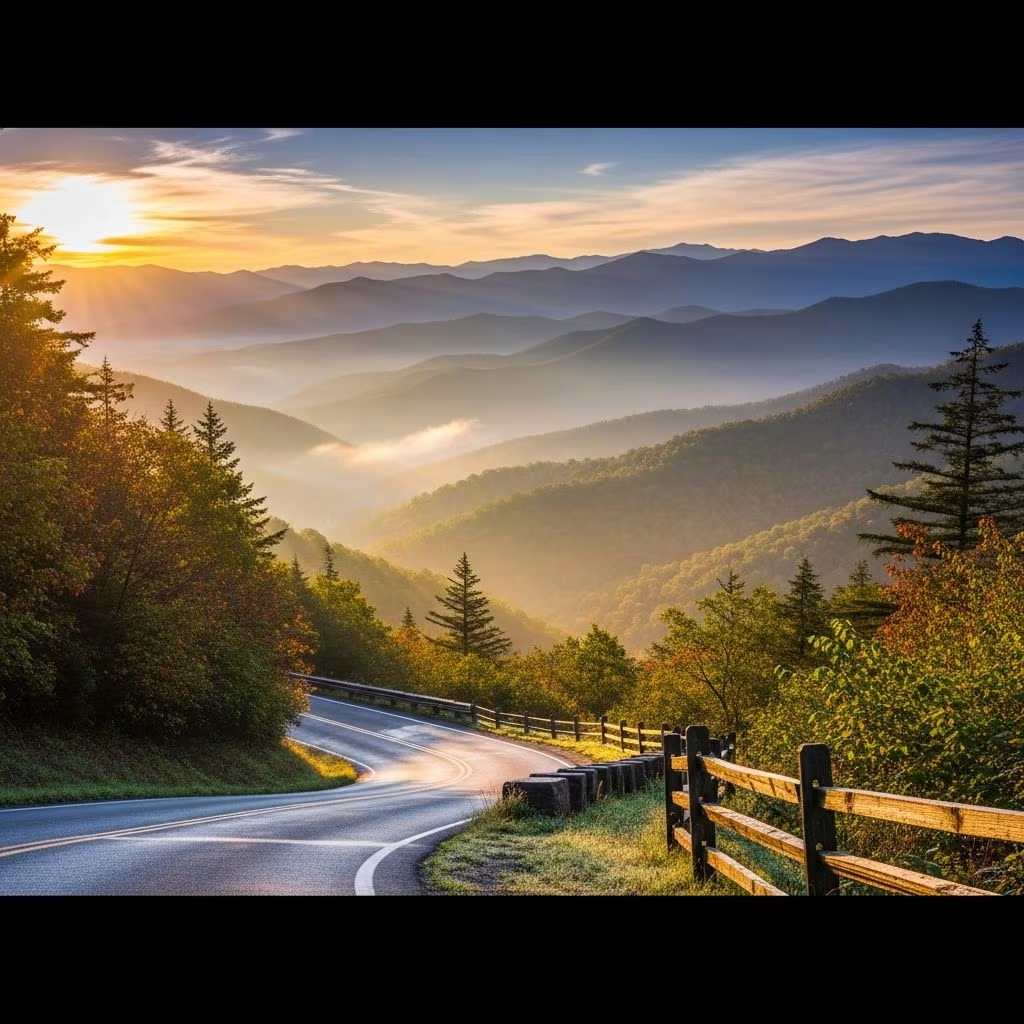 Travel Essentials
Great Smoky Mountains National Park spans over 522,000 acres across Tennessee and North Carolina, drawing millions for its ancient forests, diverse wildlife, and rugged trails. This guide equips you with practical knowledge for a seamless visit to this biodiversity hotspot.
The park welcomes visitors through key entry points like the Sugarlands Visitor Center near Gatlinburg, Tennessee, and the Oconaluftee Visitor Center near Cherokee, North Carolina. These hubs offer maps, ranger talks, and exhibit halls introducing the park’s ecology and history. Connecting them is the 29-mile Newfound Gap Road, a paved scenic route bisecting the park with trailheads and overlooks.
Western access via Townsend leads to Cades Cove, a valley famed for historic structures and wildlife. Eastern entrances like Cataloochee Valley provide quieter paths to elk viewing areas. Plan drives early, as roads like Newfound Gap can congest during peak hours.
Entry remains free, a rarity among national parks, but a mandatory parking tag is required for vehicles parking longer than 15 minutes. Tags cost $5 daily, $15 weekly, or $40 annually, purchasable online, at visitor centers, or Gatlinburg businesses.
| Tag Type | Duration | Price |
|---|---|---|
| Daily | 1 day | $5 |
| Weekly | 7 days | $15 |
| Annual | 1 year | $40 |
Backcountry camping requires free permits reserved online up to 30 days ahead. Fishing needs a state license from Tennessee or North Carolina.
Spring (March-May) bursts with wildflowers like trillium and lady slippers, while summer offers lush greenery but heavy crowds and thunderstorms. Fall (September-November) dazzles with crimson and gold foliage, peaking mid-October. Winter brings fewer visitors, snowy vistas, and closed high-elevation roads.
Avoid July-August weekends when daily visitors exceed 100,000. Shoulder seasons like May or September balance mild weather and moderate crowds. Check for synchronous fireflies in late May-early June at Elkmont, requiring a lottery permit.
As the most-visited U.S. national park, expect lines at Cades Cove and Newfound Gap. Use shuttles from Gatlinburg during peak summer. Download the NPS app for real-time lot capacities and road closures.
Strategies include early starts (pre-8 AM), mid-week visits, and exploring less-trafficked areas like Foothills Parkway or Mount Sterling trailhead.
Home to black bears, elk, deer, and over 19,000 salamander species, the park demands vigilance. Maintain 100 yards from bears and wolves, 25 yards from other animals. Never feed wildlife; secure food in vehicles or bear canisters for backcountry.
Cades Cove and Cataloochee shine for dawn/dusk sightings. Report aggressive bears to rangers. Ticks and snakes like copperheads lurk trailside; wear long pants and check gear.
Over 800 miles of trails cater to novices and experts. Easy options include the 1-mile Gatlinburg Trail or Oconaluftee River Trail, dog-friendly paths along streams.
Moderate hikes like Laurel Falls (2.6 miles) or Grotto Falls (3 miles via Roaring Fork) reveal cascades. For panoramas, tackle Alum Cave to Mount LeConte (11 miles round-trip) or the 1-mile paved Clingmans Dome ascent to 6,643 feet—the Appalachian Trail’s highest point.
Newfound Gap Road offers pullouts at Oconaluftee Overlook and state line markers. The 11-mile Cades Cove Loop showcases 19th-century cabins and meadows. Roaring Fork Motor Nature Trail winds past historic sites and falls in a 5.5-mile loop.
Foothills Parkway provides quieter vistas. Connect via Blue Ridge Parkway for extended drives linking to Shenandoah.
LeConte Lodge, accessible only by foot, offers rustic stays at 6,593 feet. Backcountry sites dot the 71-mile AT segment. Outside, camp at Cades Cove or Smokemont, or lodge in Gatlinburg/Townsend. Glamping spots like Under Canvas add luxury tents.
Kids love Cades Cove’s biking (bike-only mornings Wednesdays/Saturdays) and Junior Ranger programs at visitor centers. Wheelchair-accessible trails include Oconaluftee River and Cataract Falls at Sugarlands. Stables in Cades Cove and Smokemont provide guided horseback rides.
Leave No Trace: pack out trash, stay on trails to protect fragile soils, and avoid picking plants. Fires only in designated rings; water skin before leaving. Report invasive pests on gear.
Mountains brew sudden fog, rain, or snow. Layers, waterproof jackets, and sturdy boots are musts. High elevations drop 10-20°F cooler. Check forecasts via NPS site; Clingmans Dome road closes in ice.
Yes, entry is free, but parking tags are required for stays over 15 minutes.
Mid-October at lower elevations, early November higher up.
Only on two leashed trails: Gatlinburg and Oconaluftee River.
Very on weekends; use shuttle or visit mid-week.
Yes, via 7-mile spur road, weather permitting; then 1-mile hike.
Gatlinburg offers moonshine tastings and aerial tramways. Dollywood thrills families. Cherokee’s Museum of the Cherokee Indian enriches cultural understanding. Blue Ridge Parkway extends adventures southward.
