


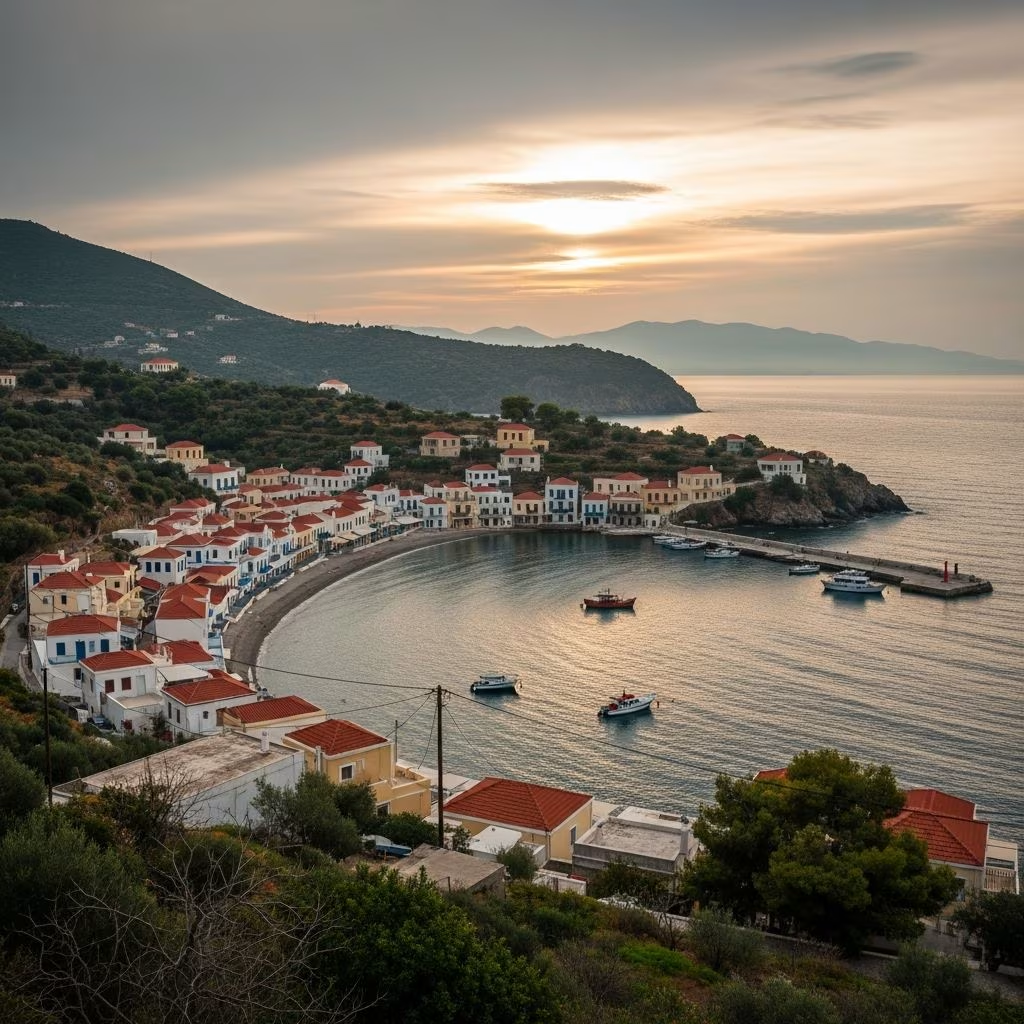
Greece transforms dramatically when summer tourists pack their bags and return home. The period between November and March presents a distinctly different travel experience—one characterized by cooler temperatures, thoughtfully reduced crowds, and a genuine connection to local culture that often remains hidden during the bustling summer months. For travelers seeking authentic interactions, manageable expenses, and the freedom to explore ancient sites without navigating through throngs of visitors, the quieter season offers compelling advantages that merit serious consideration.
Understanding the Greek Offseason Calendar
The Greek travel calendar follows a clear seasonal pattern that directly impacts visitor experiences and operational schedules throughout the country. The offseason traditionally spans from November through March, creating a five-month window during which Greece operates quite differently from its summer counterpart. This extended period allows travelers to choose specific months based on their preferences regarding weather patterns, desired activities, and comfort levels with cooler conditions.
Unlike some Mediterranean destinations that experience dramatic closures during winter months, Greece maintains substantial infrastructure and attractions throughout this period. Major urban centers and cultural landmarks remain fully operational, ensuring that visitors can pursue meaningful travel experiences regardless of the calendar month. The distinction between peak and offseason fundamentally alters the character of travel rather than limiting available activities.
Climate and Weather Considerations
Temperature variations across Greece’s geography create distinct regional experiences during the offseason. The mainland, particularly Athens and its surrounding regions, enjoys mild conditions with daytime temperatures typically ranging from 10 to 15 degrees Celsius during winter months. Rainfall increases during this period, particularly in November and December, making waterproof jackets and appropriate footwear essential packing items.
Northern Greece presents noticeably different conditions, with mountainous regions occasionally experiencing snowfall that transforms certain areas into winter sports destinations. The resort towns of Grevena and Metsovo attract visitors seeking skiing and snowboarding opportunities—activities that combine European winter sports with distinctly Mediterranean geography. This variation means that travelers can tailor their destinations based on desired climate conditions and seasonal activities.
Spring months, from late February through March, bring warming temperatures and the emergence of wildflowers across the landscape, creating opportunities for nature-focused travel and photography. The progression through the offseason thus offers diverse environmental experiences within a single travel window.
Navigating Transportation Networks
Movement throughout Greece during the quieter months requires strategic planning, particularly for travelers interested in island hopping or multi-destination itineraries. The mainland transportation infrastructure remains robust and reliable, with taxis, buses, and train services operating on consistent schedules similar to summer operations. However, connections to islands and between separate islands experience significant alterations.
Ferry Service Reductions
Ferry schedules represent the most substantial transportation challenge during offseason travel. Routes that operate daily during peak summer months may function only two or three times weekly during winter, with some regional connections ceasing entirely. This reality demands flexibility in itinerary planning or commitment to advance booking of ferry passages.
Island accessibility varies considerably based on destination popularity and infrastructure capacity. Highly developed islands maintain more consistent ferry connections, while smaller or less touristy destinations may experience extended periods of limited or suspended service. Travelers planning multi-island experiences should verify current schedules well ahead of departure dates rather than relying on summer-season expectations.
Domestic Flight Options
Air transportation between major Greek cities and popular islands continues operating throughout the offseason, often at significantly reduced fares compared to peak season pricing. Direct flights that might connect various islands during summer may require routing through Athens during quieter months, adding time but not necessarily substantial cost when advance booking occurs.
Ground Transportation
Bus systems on islands continue operating at regular frequencies since local residents depend upon these services year-round. Mainland buses and trains maintain consistent schedules, providing accessible and economical options for exploring lesser-visited regions and cultural centers.
Financial Advantages of Offseason Travel
Cost reduction represents one of the most compelling reasons travelers choose offseason Greece adventures. Accommodation prices drop substantially when demand decreases, often providing options in centrally located neighborhoods that remain prohibitively expensive during July and August. Hotels in desirable locations such as areas with Acropolis views become financially accessible to broader travel budgets.
Ferry tickets and domestic flights reflect reduced demand through lower pricing structures. While taxi fares, bus tickets, and train costs remain relatively stable throughout the year, the cumulative effect of reduced accommodation and transportation expenses creates meaningful savings across overall trip budgets.
Restaurant pricing generally remains consistent, though some dining establishments reduce operations or temporarily close during the slowest periods. Reservations become increasingly important, as confirmed seating ensures access to available venues. This consideration actually benefits travelers willing to plan ahead, allowing for curated dining experiences rather than random walk-in establishments.
Mainland Attractions and Experiences
Athens functions as a vibrant cultural center year-round, with increased local presence during offseason months as Athenians return from summer island vacations. The city’s archaeological museums, historic neighborhoods, and contemporary cultural venues remain fully operational, offering immersive experiences without competition from massive visitor crowds.
Beyond the capital, mainland destinations showcase their full character during quieter periods. Delphi, historically considered the center of the ancient Greek world, remains open year-round and becomes significantly more contemplative when visited outside peak season. The archaeological site preserves its grandeur while allowing unhurried exploration and photography.
Meteora, a UNESCO World Heritage Site renowned for monasteries perched atop towering rock formations, welcomes visitors throughout the year. The dramatic landscape conveys greater power and spiritual resonance when experienced without navigating through substantial tourist populations. Religious sites maintain regular operations, allowing meaningful cultural and spiritual engagement.
The Peloponnese region encompasses numerous historical sites and natural attractions that benefit enormously from reduced visitor density. Coastal towns and ancient ruins become accessible for extended exploration, photography, and contemplative experiences that summer schedules rarely permit.
Outdoor Activities and Natural Exploration
The offseason provides exceptional conditions for hiking and trekking through Greek landscapes. Cooler temperatures eliminate the extreme heat challenges that can impede summer hiking, while scenic trails remain open and maintained. The Samaria Gorge, extending from Crete’s southwestern mountains to a beach opening, represents a notable example of accessible multi-day hiking opportunities with modified difficulty considerations based on seasonal conditions.
Mountain environments throughout Greece offer varied trekking experiences, from day hikes to extended backpacking journeys. Wildlife observation becomes more rewarding during spring months when migratory birds return and wildflower blooms create dramatic landscape photography opportunities.
Water-based activities continue in modified forms, with calm seas and cooler temperatures providing different experiences compared to bustling summer beach scenes. Kayaking and coastal exploration become possible with advance arrangements and local guide coordination.
Strategic Planning for Island Experiences
Island visits during the offseason require intentional planning but reward preparation with authentic local experiences and serene environments. Smaller islands that remain accessible, such as Hydra and Aegina, offer peaceful exploration with reduced commercial tourism infrastructure.
Larger developed islands maintain year-round operations with reduced but consistent ferry connections. Crete, Rhodes, and Corfu continue functioning as complete destinations with cultural attractions, dining options, and accommodation availability. The distinction centers on experiencing these locations at their own pace rather than as components of rapid multi-day itineraries.
Island-specific considerations include verifying which establishments operate year-round, confirming boat schedules well ahead of travel dates, and building flexibility into itinerary timelines to accommodate potential transportation adjustments.
Packing Essentials for Offseason Travel
Appropriate clothing selection substantially impacts travel comfort during cooler months. Layering systems work effectively for variable conditions, combining lightweight long-sleeve shirts with sweaters or fleece jackets that accommodate temperature fluctuations throughout daily activities. Waterproof jackets and umbrellas address increased rainfall, particularly in autumn and early winter months.
Footwear deserves particular attention, with comfortable walking shoes suitable for potentially wet conditions essential for exploring ancient sites and urban neighborhoods. Water-resistant hiking boots serve well for trekking and mountain exploration.
Sunscreen and sunglasses remain necessary despite cooler temperatures, as Mediterranean sun reflects powerfully off water and pale stone surfaces regardless of seasonal variation. Hat selection should balance sun protection with wind resistance.
Structuring Your Offseason Itinerary
Three-Day Quick Escape
Shorter trips maximize popular mainland destinations with accessible transportation. Day one explores Athens through historic neighborhoods, museums, and local tavernas. Day two extends to nearby Delphi or Meteora for UNESCO heritage experiences, while day three incorporates coastal exploration or accessible island visits for travelers remaining engaged in maritime environments.
Seven-Day Mainland Foundation
This timeframe accommodates comprehensive Athens exploration combined with mainland region discovery. Initial days establish comfort with urban culture, museums, and local dining patterns. Subsequent days venture into Peloponnese regions, northern mountain landscapes, or central heritage sites, allowing genuine engagement with regional character.
Ten-Day Extended Adventure
Extended trips balance mainland depth with selective island experiences. Days 1-2 establish Athens comfort and cultural foundation. Days 3-6 emphasize mainland regions including Meteora and Peloponnese for hiking, photography, and archaeological exploration. Days 7-10 combine selected island time with unhurried travel patterns, allowing genuine local interactions and flexible activity modification based on transportation availability.
Practical Considerations and Tips
Restaurant closures demand advance confirmation and reservation arrangements rather than spontaneous dining decisions. Many establishments operate seasonally, particularly in smaller towns and islands. Direct communication through phone calls ensures venue availability and reservation confirmation.
Ferry schedule verification should occur multiple times during the planning process and again shortly before travel, as schedules occasionally shift based on weather conditions or operational requirements. Flexibility in daily itineraries provides stress-free adaptation to transportation realities.
Accommodation booking benefits from advance planning that confirms year-round operations and confirms amenities such as heating systems function properly during cooler months. Smaller properties sometimes close seasonally, making verification essential.
Local knowledge enhances travel experiences substantially during offseason periods. Engaging with residents through tours, guidebook recommendations, or simple conversations reveals authentic dining locations, cultural events, and activity opportunities that remain invisible in standard travel resources.
Seasonal Events and Cultural Opportunities
Greek culture manifests throughout the offseason through religious observances, local festivals, and cultural celebrations that create distinctive travel experiences unavailable during peak tourism periods. These events provide authentic cultural engagement and meaningful community interaction impossible within typical summer tourism frameworks.
Participation in agricultural activities, including seasonal harvests, offers experiential learning and direct connection to traditional Greek lifeways that modern travel industry often commodifies or eliminates entirely.
The Value of Quieter Exploration
Beyond logistics and practical considerations, the fundamental appeal of offseason Greece rests upon the experience quality itself. Ancient sites convey their historical weight without navigating around visitor crowds. Local residents return to public spaces, creating communities rather than service zones oriented toward transient tourists. Restaurant tables fill with Greeks rather than international visitors, reflecting authentic cultural practices rather than simplified tourism performances.
For travelers valuing cultural authenticity, meaningful exploration, and personal reflection over rapid destination checking, Greece’s quieter months offer travel experiences that align with deeper travel philosophy while delivering practical financial and scheduling advantages.
References
- How to plan an offseason trip to Greece — Lonely Planet. Accessed 2026. https://www.lonelyplanet.com/articles/offseason-trip-to-greece
- Greece Off Season Travel Guide — Travel Jewels. Accessed 2026. https://traveljewels.net/greece-off-season-travel-guide/
- Winter and Off-Season Travel in Greece — Greek Travel. Accessed 2026. https://www.greektravel.com/winter/
- A Guide to Traveling Greece in the Off Season — Fora Travel. Accessed 2026. https://www.foratravel.com/guides/KERDSY/a-guide-to-traveling-greece-in-the-off-season-fora

