

 Travel Essentials
 Travel Essentials

Learn expert tips for visiting Greece affordably, from budget accommodations and affordable dining to strategic island selection and optimal travel timing.
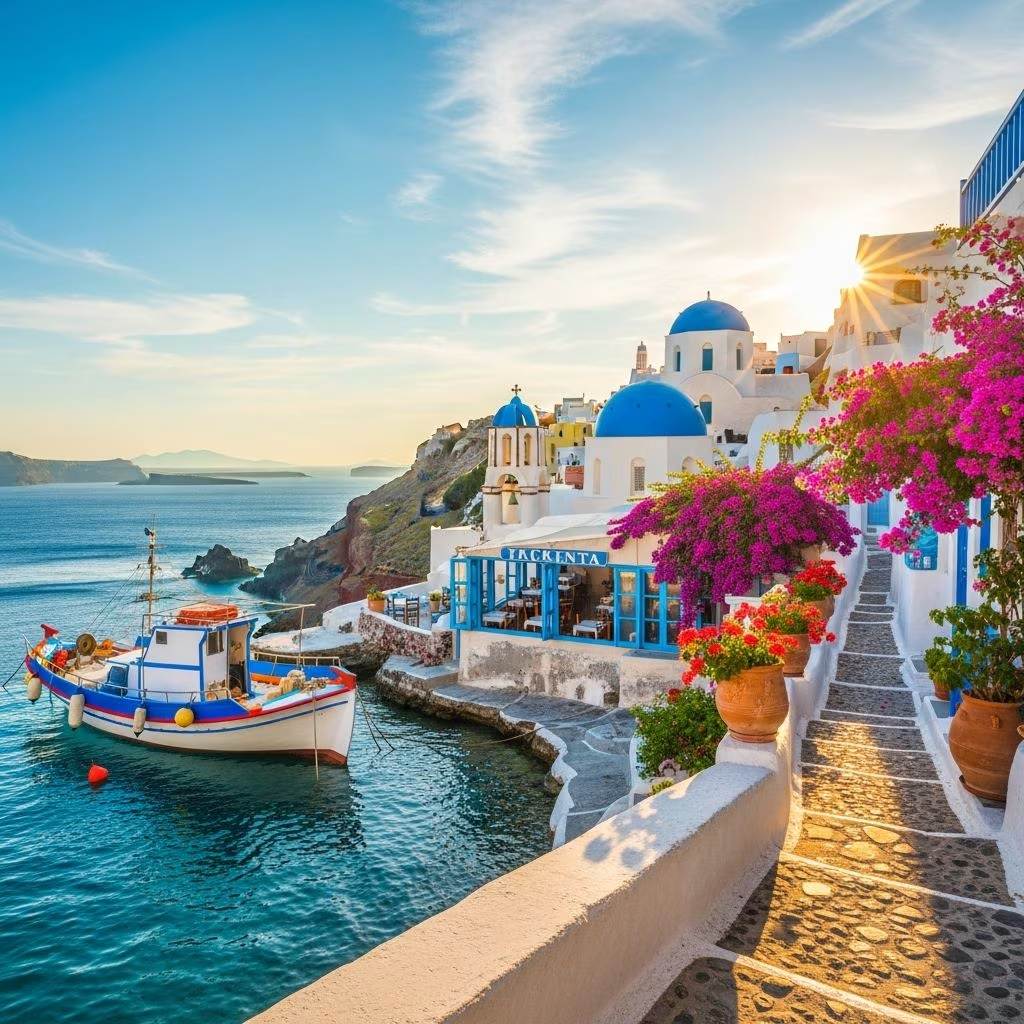 Travel Essentials
Greece represents an increasingly accessible destination for cost-conscious travelers seeking Mediterranean beauty without premium price tags. The country’s diverse geography—spanning mainland regions, mountainous terrain, and over 200 islands—offers numerous opportunities to experience authentic culture, historical significance, and natural landscapes while maintaining economical spending. With strategic planning and informed choices, visitors can navigate Greece’s travel costs effectively and allocate resources toward experiences that matter most.
Planning a Greece trip requires realistic cost projections across essential categories. Budget travelers can expect hostel accommodations ranging from €25 to €65 nightly, providing social environments and networking opportunities ideal for solo visitors. Couples seeking private accommodations may consider family-operated establishments, which typically begin at €95 for two people and frequently incorporate complimentary breakfast provisions. Ground transportation expenses remain modest, with individual bus fares starting at €1.40 and comprehensive metropolitan passes under €10 daily. Dining costs vary significantly based on food sourcing choices—street-prepared foods like souvlaki and gyros cost €3 to €5, while establishing a picnic-based approach at supermarkets or bakeries substantially reduces food expenditures.
Travel dates profoundly influence overall expenses. Greece’s winter season, spanning November through March, qualifies as the official low or off-season, with accommodation and site entrance fees frequently reducing by fifty percent compared to peak periods. While some smaller islands experience reduced services during these months, mainland Greece and larger islands including Crete, Rhodes, and Kos maintain full operational capacities year-round due to established permanent populations. This seasonal advantage extends beyond accommodation pricing—vehicle rental costs decline substantially during winter months, and travelers benefit from markedly reduced tourist congestion, enabling more immersive local cultural experiences. April, May, September, and October present alternative affordable windows, with airline pricing showing considerable reductions during these shoulder-season months, particularly for midweek departures.
International arrival logistics significantly impact initial travel expenses. Greece’s extensive airport network includes facilities throughout the mainland and on numerous islands, accessible via the nation’s official Visit Greece governmental resource. Strategic routing decisions prove essential—determining whether traveling through Athens International Airport or directly to island destinations offers superior value requires route-specific analysis. Upon arrival, travelers should prioritize conventional ferry services over high-speed alternatives, which charge substantially more while providing identical destination service. The KTEL bus network operating across mainland regions and selective islands offers competitive pricing, with routes like Athens to Nafplio costing €13.40 and Athens to Delphi €16.50. Metropolitan regions including Athens and Thessaloniki feature efficient metro systems where individual rides cost approximately €2.40, with 24-hour passes remaining under €10. Athens-specific advantages include three-day tourist tickets incorporating airport round-trip transportation plus unlimited metro and bus access for €20.
Lodging decisions represent crucial budget considerations. Cities including Athens, Thessaloniki, and islands such as Crete, Corfu, Zakynthos, and Rhodes contain highest hostel concentrations, providing economical options for independent travelers. However, family-operated guest houses merit serious consideration—these establishments frequently offer spotless accommodations with included breakfast and owner-operated hospitality emphasizing guest satisfaction. The distinction between impersonal commercial properties and personalized family operations often results in superior experiences at comparable price points. Boutique island accommodations on lesser-known destinations begin at approximately €50 nightly, with prices declining for properties slightly removed from principal commercial areas.
Geographic selection fundamentally affects expenditure trajectories. Popular destinations including Santorini and Mykonos command premium pricing alongside maximum tourist congestion. Alternative island selections including Hydra, Agistri, Zakynthos, Sifnos, and Skopelos provide comparable natural beauty and cultural authenticity while maintaining significantly lower costs. Skopelos Island, notable for cinematic filming locations, offers accommodations beginning at €50 nightly with dining and activity costs substantially below premium destinations. Crete, Greece’s largest island, combines affordability with comprehensive amenities including beaches, mountain villages, seaside communities, and cultural attractions. Lefkada presents additional budget-friendly options with accessible day-trip opportunities to nearby islands. Mainland exploration complements island experiences—cities like Athens and Thessaloniki contain historic sites, vibrant neighborhoods, and cultural institutions, while Meteora’s monasteries, Delphi’s archaeological significance, and Peloponnese exploration provide enriching experiences without resort-level expenses.
Dining choices substantially influence daily budgets. Greece’s abundant street-vending culture provides meals under €10 including shawarma, falafel, souvlaki, and gyros prepared fresh by specialized vendors. Greek bakeries offer traditional breads and pastries at minimal cost, proving economical breakfast solutions when accommodations exclude morning meals. Supermarket shopping for picnic provisions enables budget-conscious dining while facilitating social interactions within local communities. Fruit market purchases at locations including National Parks in urban areas provide nutritious, inexpensive meal components. Strategic dining combines street food experiences with occasional restaurant visits, maximizing culinary diversity while maintaining expenditure discipline.
Greece provides abundant complimentary and minimal-cost activities. Free walking tours operate in major destinations including Mykonos, combining cultural education with exercise and social connection. Hiking through varied terrain, swimming at beaches, and informal ruin exploration throughout cities and villages require no financial investment. National parks offer affordable recreational opportunities, while historical sites including the Acropolis and Parthenon can be approached through multi-pass systems reducing overall sight-seeing costs. Premium activities such as four-wheel vehicle rentals, adventure sports, or specialized excursions require specific budget allocation when priority destinations include such experiences.
Movement strategy influences both expenses and experience quality. Continuous island hopping accumulates substantial costs through repeated ferry tickets, inter-hotel transportation, and various location-specific fees. Settling in single locations for extended periods provides economical advantages while enabling deeper community integration and authentic cultural immersion. This approach transforms travel from superficial destination collection to meaningful place experiences, facilitating local relationship development and genuine neighborhood understanding.
Greece’s maritime geography necessitates ferry proficiency. Three primary Athenian ports—Piraeus, Rafina, and Laurio—provide access to over 200 islands, with one-way tickets available from €15. Online platforms including Ferryhopper facilitate transparent pricing comparisons and optimal routing selection. Conventional ferries combine affordability with Mediterranean aesthetic experiences, though journey durations exceed high-speed alternatives.
Successful budget Greece experiences require systematic preparation. Researching multiple destination options prevents expensive spontaneous decisions. Utilizing official governmental resources like Visit Greece ensures airport knowledge and transportation network understanding. Advance accommodation bookings through family-operated establishments secure superior rates than walk-in arrangements. Multi-site entrance passes reduce archaeological exploration costs for visitors prioritizing historical experiences. Travel insurance, though sometimes overlooked, provides protection against unexpected expense escalation.
| Expense Category | Daily Cost Range (EUR) | Notes |
|---|---|---|
| Accommodation (Hostel) | €25-65 | Family-run options slightly higher but include breakfast |
| Transportation | €2-5 | Metro passes under €10 for 24 hours |
| Meals | €10-20 | Street food and bakeries reduce expenses |
| Activities | €0-15 | Many free options available |
| Total Daily Budget | €37-105 | Varies by location and choices |
November through March constitutes the low season, with accommodation prices often reduced by fifty percent and fewer tourist crowds. However, some small islands may have limited services during these months, while larger islands and mainland regions operate normally.
Lesser-visited islands including Hydra, Agistri, Zakynthos, Sifnos, Skopelos, and Lefkada provide comparable beauty to premium destinations while maintaining significantly lower costs. Crete combines affordability with comprehensive amenities.
Standard ferry services offer substantially lower costs than flights, with conventional ferries providing atmospheric Mediterranean experiences. One-way ferry tickets beginning at €15 represent significant savings compared to equivalent flights. Fast-ferry options exist but charge considerably more for marginal time savings.
Hostels ranging €25-65 nightly and family-operated guest houses beginning at €95 for couples frequently include breakfast and personalized hospitality superior to commercial hotels. Smaller island accommodations may begin at €50 nightly.
Street vendors provide meals under €10 including souvlaki, gyros, and falafel. Greek bakeries offer inexpensive breads and pastries, while supermarket picnic provisions reduce costs while enabling local interaction.
Budget Greece travel requires intentional decision-making rather than financial sacrifice. Strategic timing, thoughtful destination selection, and informed transportation choices create frameworks enabling meaningful experiences at accessible price points. The combination of Greece’s Mediterranean geography, rich cultural heritage, and established tourism infrastructure supports economical travel when visitors prioritize authentic engagement over premium amenities. By emphasizing local communities, regional variations, and seasonal advantages, travelers discover Greece’s authentic character while maintaining sustainable spending patterns that respect personal financial boundaries.
