

 Travel Essentials
 Travel Essentials

Explore Greece's finest destinations offering architectural beauty, pristine beaches, and leisurely lifestyle experiences for discerning travelers.
 Travel Essentials
Greece stands as one of the world’s most captivating destinations, seamlessly blending millennia of history with contemporary allure. The nation’s appeal lies in its remarkable diversity—from archaeological wonders and Byzantine treasures to vibrant modern urban centers and tranquil island paradises. Whether travelers seek intellectual enrichment through ancient sites, gastronomic adventures, or peaceful coastal relaxation, Greece delivers experiences that create lasting memories and inspire return visits.
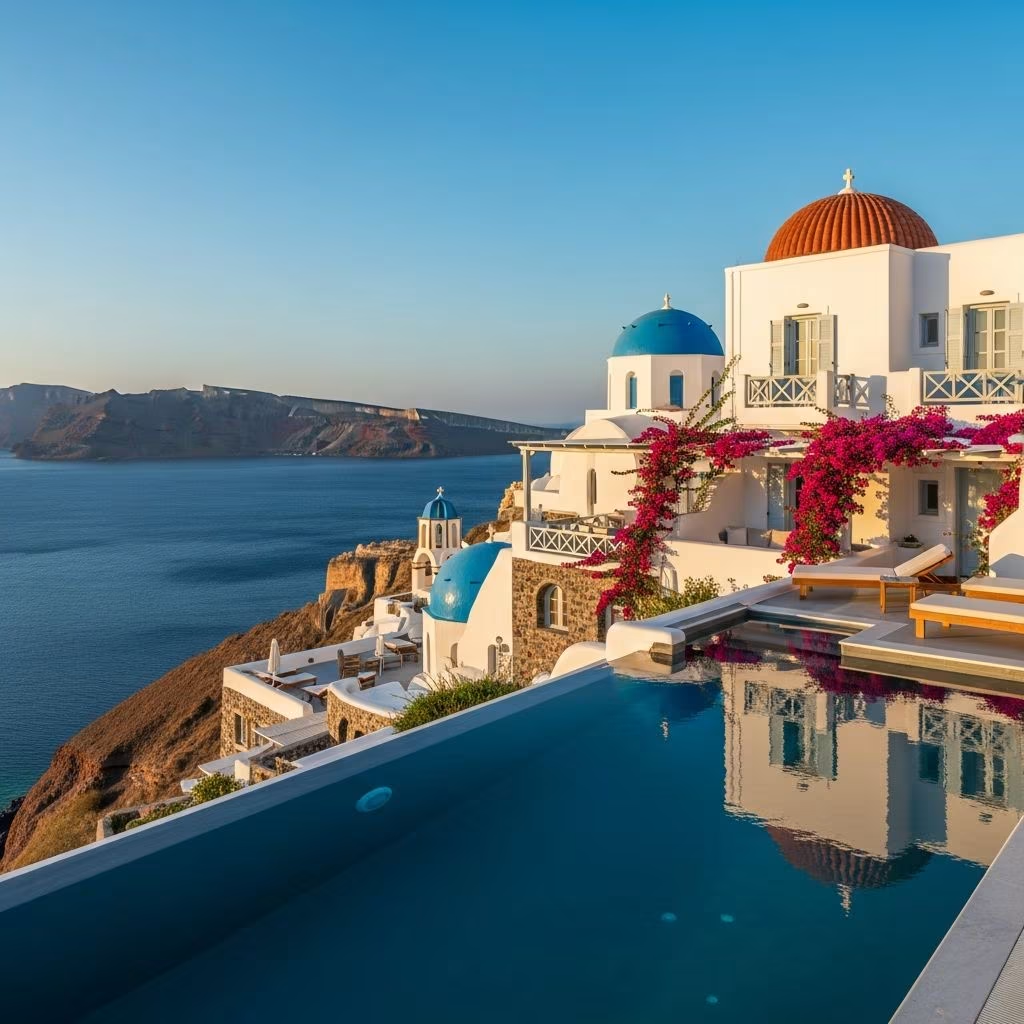
The Cycladic islands represent the quintessential Greek experience, where whitewashed buildings cascade down hillsides toward crystalline waters. These islands showcase distinctive architectural traditions that have evolved over centuries, creating visually harmonious communities that captivate visitors worldwide. The primary settlement areas demonstrate how communities adapted to local geography while maintaining aesthetic coherence through building codes and traditional construction methods.
Among the Cyclades, certain towns have developed into refined cultural hubs that balance preservation with contemporary amenities. The capital settlement of one prominent Cycladic island features remarkable urban planning, with public spaces anchoring community life. The central gathering area includes civic buildings of architectural significance, cultural venues showcasing performing arts, and merchant houses reflecting historical prosperity. This thoughtful organization creates an atmosphere of cosmopolitan refinement while maintaining authentic character.
These towns offer visitors opportunities to experience Greek leisure culture firsthand. Extended waterfront walks, leisurely café sessions with local beverages, and unhurried social interaction form the foundation of daily rhythms. Restaurants serve traditional small plates accompanied by regional wines and spirits, allowing diners to sample multiple flavors in convivial settings. This approach to dining and socializing reflects values emphasizing community connection over rushed consumption.
Certain Greek islands have implemented transportation restrictions that preserve environmental quality and maintain authentic character. These car-free communities rely instead on traditional modes of movement—pedestrian pathways, maritime routes, and animal transport. Such policies have protected these islands from overdevelopment while creating unique visitor experiences unavailable in most destinations.
One notable car-free island in the Argosaronic Gulf near Athens showcases how preservation policies generate cultural dividends. Strict architectural guidelines have resulted in a townscape of exceptional beauty, with stone mansions representing different historical periods and naval heritage. These properties, some converted into museums and boutique accommodations, tell stories of maritime commerce and aristocratic life. Visitors navigate steep cobblestone pathways connecting hillside neighborhoods to the harbor, where sailboats and traditional transportation methods maintain authenticity.
Another nearby island demonstrates how natural landscape integration enhances community character. Extensive pine forests provide cooling shade and natural beauty while hosting biodiversity. Beach access via boat transportation encourages sustainable visitation patterns. The main plaza, positioned along the waterfront, functions as the social nucleus—lined with independent retailers, dining establishments ranging from casual to upscale, and atmospheric drinking venues. Bicycles and horse-drawn carriages provide convenient, environmentally conscious mobility through town streets.
Beyond island settings, Greece’s mainland towns preserve extraordinary architectural layering reflecting centuries of different civilizations and empires. Medieval fortifications, neoclassical civic structures, Venetian commercial buildings, and Ottoman-influenced residences coexist within narrow alleyways and expanded squares. This architectural palimpsest creates environments where history feels tangible rather than abstract.
One northwestern town exemplifies this multicultural heritage. Venetian fortresses overlook intricate street networks designed for pedestrian navigation. Major public spaces host evening social activity, particularly areas featuring romantic dining venues and cultural performances. The region’s musical heritage manifests in numerous amateur orchestras maintaining centuries-old traditions. These performance groups appear regularly in public spaces, creating spontaneous cultural moments that enhance visitor experiences.
Northern Greece’s peninsulas extending into the Aegean Sea offer alternatives to more crowded southern islands while maintaining excellent beach quality and contemporary amenities. These regions combine natural beauty with developed recreational infrastructure, making them accessible to diverse visitor preferences and travel styles.
The larger northern peninsula consists of three distinct geographic sections, each with characteristic qualities. One section has developed significant nightlife infrastructure, with beach bars operating extended hours and attracting dancing crowds well into morning hours. Contemporary cocktail venues serve inventive drinks alongside light appetizers, accommodating both active socializers and those preferring quieter observation.
Beach clubs along the peninsula’s western coast create varied atmospheres catering to different preferences. Some venues emphasize relaxed sophistication with lounge seating and curated music. Others attract fashion-conscious younger travelers through social media presence and trendy aesthetics. Still others maintain classic elegance with established reputations for quality service. This diversity allows visitors to select venues matching their preferences precisely.
A typical beach day follows established Greek patterns—securing umbrella and lounger seating, ordering refreshments, alternating between water swimming and sunbathing, and reading or socializing during midday heat. Many establishments provide comfortable facilities supporting full-day visits without requiring additional expenditure beyond initial seating rental.
Beyond beach pursuits, the northern peninsula region offers agricultural and culinary tourism. Organic wine production represents a significant regional industry, with established operations offering structured tasting experiences. These sessions typically include education about viticultural practices, vineyard tours with territorial views, and guided sampling of multiple vintages. The combination of educational content, natural beauty, and quality products creates memorable experiences at accessible price points.
Adventure-minded travelers can pursue alternative activities including off-road vehicle exploration of mountain terrain. Such experiences provide physical engagement and access to landscapes invisible from standard tourist routes. Alternatively, specific beach locations offer distinctive experiences—some known for particular water sports, others for archaeological significance or ecological importance.
| Destination Type | Best For | Season | Accessibility |
|---|---|---|---|
| Cycladic Islands | Cultural immersion, photography, leisurely pace | April-October | Ferry from Athens |
| Argosaronic Car-Free Islands | Peaceful retreat, hiking, historic sites | May-September | 1.5 hours from Athens |
| Northern Peninsula | Beach clubs, nightlife, diverse activities | June-September | 3-4 hours from Athens |
| Mainland Towns | Architecture, history, cultural events | Year-round | Direct access |
Greece experiences distinct seasonal patterns affecting visitor experiences significantly. Summer months (June through August) bring peak tourism, crowded attractions, and higher prices. However, this period offers optimal weather, longest daylight hours, and maximum availability of accommodations and restaurants. Shoulder seasons (May and September) provide pleasant weather with reduced crowds and more affordable pricing—an excellent compromise for many travelers.
Winter months transform Greece’s character entirely. Many seasonal establishments close, ferry schedules reduce, and weather becomes unpredictable. However, cultural attractions remain accessible, accommodation prices drop substantially, and Greece’s cultural life intensifies as residents reclaim public spaces from tourists. Winter travel suits visitors seeking authentic local experiences and willing to adapt plans based on weather conditions.
Visitor experiences depend substantially on accommodation selections and dining approaches. Island communities offer diverse options ranging from traditional family-run hotels to contemporary luxury resorts and boutique properties. Each category attracts different visitor demographics and creates distinct experiences—budget options encourage social interaction with other travelers, while upscale properties emphasize privacy and personalized service.
Dining in Greece rewards flexibility and culinary openness. The most memorable meals often occur in unpretentious establishments recommended by locals rather than prominent tourist venues. Traditional small-plate dining encourages sampling diverse flavors, social sharing, and extended meal durations—values fundamentally different from rushed dining common in many Western cultures. Regional specialties vary significantly by location, making local exploration rewarding.
May through September offers optimal weather conditions and full availability of attractions. June through August maximizes daylight and warmth but brings crowds and higher prices. May and September provide excellent compromises with pleasant weather and fewer visitors.
Remote islands in the Dodecanese and northeastern Aegean require connecting flights or extended ferry journeys from Athens. Closer Cycladic and Argosaronic islands offer convenient access within 2-3 hours by ferry.
Greece’s social culture, established tourism infrastructure, and friendly communities make it exceptionally welcoming for solo travelers. Island communities, hostel networks, and group activities facilitate social connection easily.
Visitors require valid passports. Citizens of many nations receive 90-day visa-free stays within the Schengen Area. Travel insurance is highly recommended.
Budget varies dramatically by season, accommodation type, and dining preferences. Budget travelers manage on €30-50 daily; mid-range travelers typically spend €75-150 daily; luxury travelers spend €250+.
Greece’s enduring appeal stems from its ability to accommodate virtually any travel preference. History enthusiasts explore archaeological sites and museums documenting human civilization’s development. Beach lovers enjoy Mediterranean coastal experiences ranging from crowded resort areas to secluded coves. Cultural travelers immerse themselves in local traditions, contemporary arts scenes, and food cultures. Adventure seekers pursue hiking, water sports, climbing, and exploration of remote regions. Luxury travelers access world-class resorts and fine dining establishments. Budget travelers discover authentic experiences through local engagement and strategic planning.
The most rewarding Greek travel experiences typically combine multiple elements—cultural engagement, natural beauty appreciation, social interaction, and physical relaxation. Dedicating sufficient time to each destination allows deeper understanding and authentic connection rather than rushing through extensive itineraries. Many travelers discover that returning repeatedly to favorite locations provides greater satisfaction than constantly pursuing new destinations.
