

 Travel Essentials
 Travel Essentials

Explore the key differences between Greece and Croatia to plan your ideal Mediterranean vacation, from islands and culture to budget and climate.
 Travel Essentials
Planning a Mediterranean escape but torn between two of Europe’s most captivating destinations? Greece and Croatia both promise crystalline waters, sun-drenched beaches, and rich cultural experiences, yet they offer distinctly different travel experiences. Understanding what sets these countries apart will help you select the destination that truly aligns with your vacation goals, travel pace, and budget constraints.
One of the most significant differences between these two nations lies in their physical size and how that impacts your itinerary. Greece sprawls across a vast landscape approximately three times larger than Croatia, encompassing mainland regions and hundreds of scattered islands across multiple archipelagos. This expansive geography means that reaching certain destinations requires substantial travel time—journeying from Athens to Santorini alone can consume six hours.
Croatia, by contrast, presents a more manageable destination for travelers with limited time. The country stretches along the Adriatic with a coastline exceeding 1,000 kilometers, yet its compact nature allows visitors to navigate from Zagreb southward to Dubrovnik within approximately ten days, capturing most major highlights along the way. This geographical advantage makes Croatia particularly appealing for travelers who want to maximize experiences without excessive time spent in transit.
Travel considerations by destination size:
While both nations boast impressive historical credentials, the nature and style of their heritage differ considerably. Greece centers its identity around classical antiquity, featuring temples, ancient ruins, and Byzantine churches that speak directly to Western civilization’s foundations. Iconic structures like the Parthenon and Hosios Loukas stand as testaments to Greece’s role in shaping classical thought and architecture.
Croatia presents a more eclectic architectural tapestry, blending influences from multiple conquering powers across its history. Roman fortifications, Venetian palaces, and Austro-Hungarian structures coexist throughout the country, particularly evident in locations like Split’s Diocletian’s Palace. This architectural diversity reflects Croatia’s position at the crossroads of Mediterranean and Central European cultures.
The historical experiences differ fundamentally in their focus:
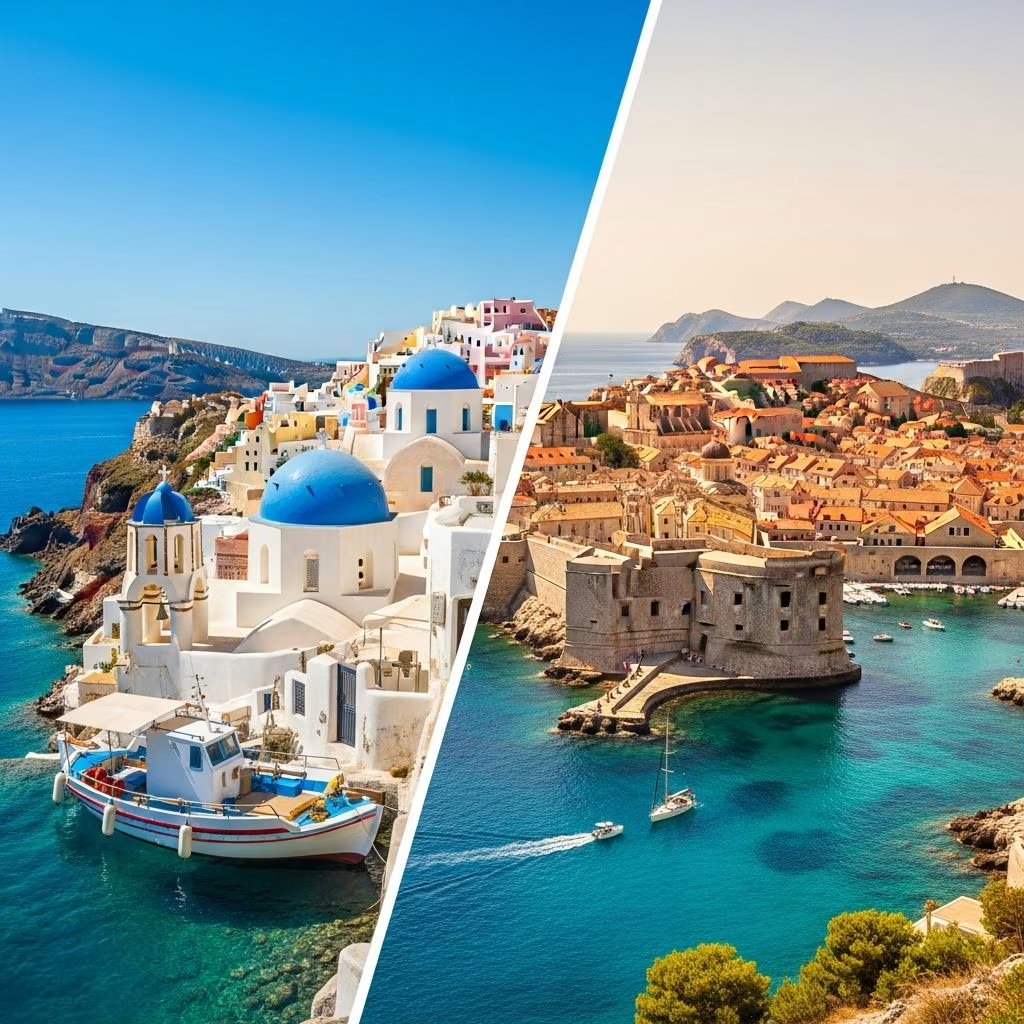
Both destinations feature compelling island systems, yet each creates distinctly different experiences for visitors. Greek islands, particularly the celebrated Cyclades, showcase whitewashed villages perched dramatically above the sea, volcanic cliffs rising from turquoise waters, and landscapes that seem almost too perfect for postcards. Famous destinations like Santorini and Milos deliver the iconic Mediterranean imagery many travelers envision before booking their trip.
Croatian islands lean toward a quieter, more intimate aesthetic. Destinations such as Hvar and Vis combine lavender-covered hillsides and medieval street layouts with secluded beaches tucked into hidden coves. The waters surrounding Croatian islands remain exceptionally clear and calm, creating ideal conditions for swimming, boating, and water exploration without the crowds that sometimes plague Greek island hotspots.
The island-hopping experience varies significantly between the two:
| Aspect | Greek Islands | Croatian Islands |
|---|---|---|
| Visual Character | Whitewashed villages, volcanic drama | Medieval charm, lavender fields |
| Crowd Levels | High in peak season | Relatively quieter and more private |
| Water Activity | Varied conditions across archipelagos | Consistently calm, transparent waters |
| Atmosphere | Postcard-perfect, romantic settings | Relaxed, under-the-radar escapes |
Nature enthusiasts will find compelling options in both destinations, though the landscapes showcase different characteristics. Croatia’s natural attractions include the cascading waterfalls and tranquil lakes of Plitvice Lakes and Krka National Park, offering scenic walking paths suitable for various fitness levels. The Kornati National Park presents a labyrinthine collection of islands, reefs, and dramatic cliffside formations ideal for boating adventures and water-based exploration.
Greece weaves mythology into its natural landscape, connecting rugged trails to ancient legends and classical stories. Mount Olympus and the surrounding highlands invite trekking enthusiasts to explore terrain intertwined with mythological significance. The Samaria Gorge and similar canyons provide challenging hiking experiences through spectacular scenery, rewarding adventurous travelers with views that combine natural beauty and historical resonance.
Outdoor activity preferences should guide your selection:
Mediterranean cuisine features prominently in both destinations, yet local specialties and dining experiences differ. Croatian gastronomy encompasses fresh seafood preparations paired with emerging wine regions and artisanal truffle cultivation, reflecting the country’s position between Mediterranean and Central European culinary traditions. Dining in Croatia often feels immersive yet relaxed, with meals punctuated by exploration of medieval stone walls and lavender-covered hillsides.
Greek cuisine celebrates ancient recipes and regional specialties, featuring olives, feta cheese, and seafood preparations grounded in millennia of culinary tradition. The Greek dining rhythm still embraces afternoon siestas in many regions, reflecting a lifestyle rooted in slowness and contemplation that contrasts with Croatia’s more Central European scheduling patterns.
Both destinations enjoy Mediterranean climates, yet subtle differences affect travel planning. Greece, positioned further south, experiences a longer and more intensely hot summer season. Croatia also enjoys Mediterranean weather but tends to cool more rapidly as you move northward along the coast, and the transition into autumn occurs earlier than in Greece.
These climate differences influence optimal travel timing:
Both countries accommodate various budget levels, yet Croatia generally positions itself as the more economical choice. This cost advantage extends across accommodations, dining, and activities, making Croatia particularly attractive for budget-conscious travelers. Greece, while certainly visitable on any budget, tends to carry higher price tags, especially in popular island destinations during peak season.
The luxury travel landscape differs between destinations as well. Croatia’s emerging luxury scene offers sophisticated experiences at more accessible price points compared to Greece, where established luxury amenities command premium rates.
The decision ultimately hinges on matching destination characteristics with your travel priorities. If you prioritize historical depth, iconic imagery, and are willing to invest substantial travel time, Greece delivers unparalleled experiences rooted in classical civilization and postcard-perfect vistas. The country excels for families, couples seeking romantic settings, and explorers hungry for mythological and historical context.
Croatia appeals to culture enthusiasts, coastal travelers, and visitors seeking a more compact itinerary filled with medieval charm and natural beauty. The country’s balanced combination of history, outdoor adventure, and coastline exploration suits travelers wanting diverse experiences without excessive transit time.
Quick decision framework:
Greece typically requires 10-14 days to properly explore multiple regions and islands, while Croatia’s compact layout allows comprehensive experiences within 7-10 days. First-time visitors often spend 5-7 days in either destination for a solid introduction.
Croatia generally offers better value, with lower accommodation, dining, and activity costs compared to Greece. However, both destinations accommodate all budget levels depending on choices made.
This depends on preference. Greece offers iconic sandy beaches with dramatic backdrops, while Croatia features pebbled beaches and intimate coves with exceptionally clear, calm waters.
Yes, though this requires careful planning. Direct flights connect Athens and Zagreb, allowing travelers to experience both countries within 14-21 days. However, spending adequate time in each destination is recommended.
Both work well for families. Greece offers iconic experiences children find memorable, while Croatia’s manageable size and calm waters appeal to families with younger children.
April-May and September-October offer ideal conditions in both countries, avoiding peak summer crowds and extreme heat while maintaining pleasant weather.
