

 Travel Essentials
 Travel Essentials

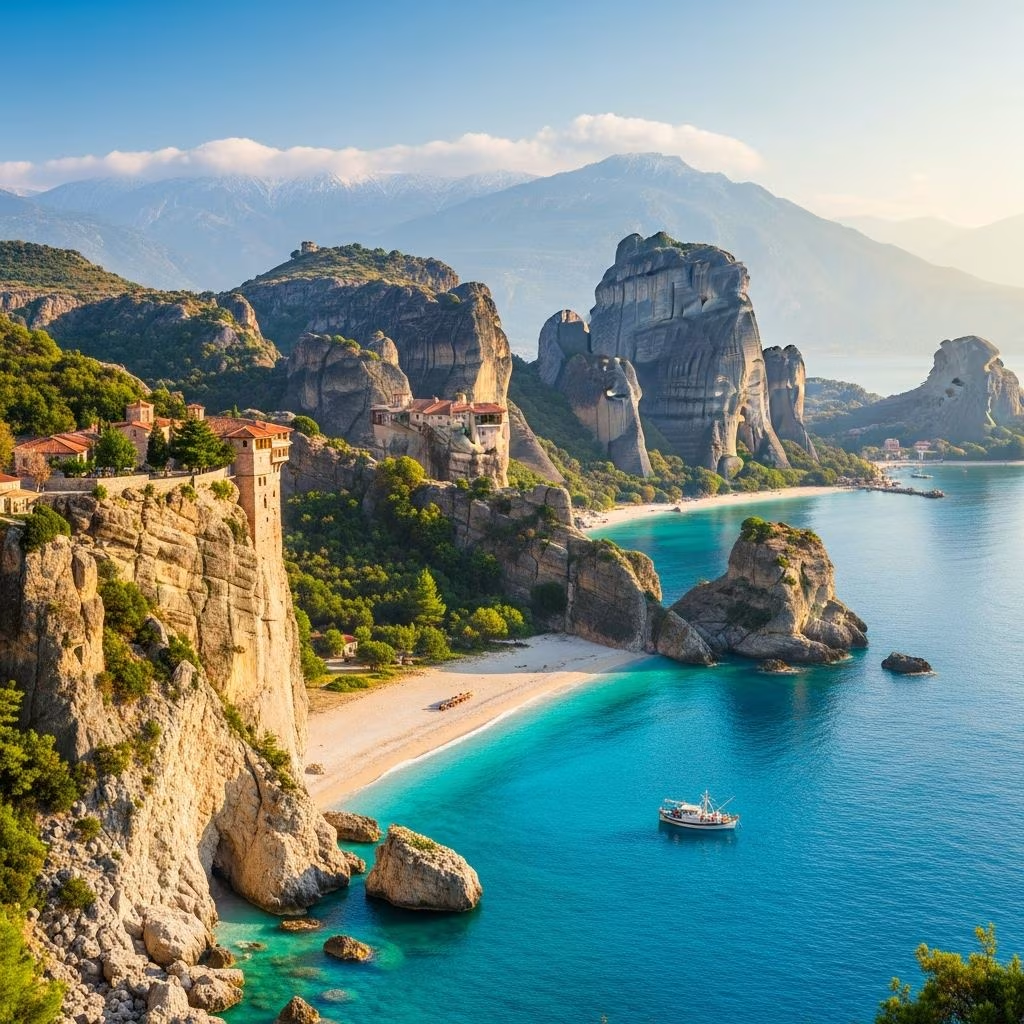
Discover Greece’s wild side: dramatic gorges, crystal caves, volcanic landscapes, serene lakes, and unforgettable outdoor adventures.
 Travel Essentials
Greece boasts an extraordinary array of natural features that rival the world’s most famous landmarks. From towering rock formations and deep canyons to crystal-clear underground lakes and active volcanoes, the country’s diverse terrain offers endless opportunities for exploration. This guide highlights the must-see sites, drawing from official tourism resources and expert travel insights to help you plan an unforgettable journey into Greece’s wild heart.
Greece’s gorges stand as testaments to geological forces, offering dramatic hikes through sheer cliffs and rushing rivers. These narrow passages provide thrilling descents and panoramic views, attracting adventurers year-round.
Both gorges demand sturdy footwear and early starts, especially in summer when crowds peak. Permits are required for Samaria, and guided tours enhance safety in Vikos.
Beneath Greece’s surface lie caverns of ethereal beauty, illuminated by natural skylights or electric lights, revealing stalactites, stalagmites, and hidden waters.
| Cave | Location | Highlights | Access |
|---|---|---|---|
| Melissani Cave | Kefalonia, Ionian Islands | Turquoise underground lake with sunlight beams creating a mythical glow; boat rides through tunnels. | Rowboat tours, 30 minutes. |
| Diros Caves | Peloponnese | Network of subterranean lakes and passages; gondola navigation past formations millions of years old. | Boat and walking paths. |
| Dikteon Andron | Lasithi Plateau, Crete | Mythical Zeus birthplace; towering stalagmites, mountain views, and orchards nearby. | Steep stairs to entrance. |
| Perama Cave | Ioannina, Epirus | Expansive chambers with intricate stalactites; one of Greece’s largest. | Guided walks. |
These caves offer cool respite from Mediterranean heat, blending adventure with ancient mythology. Melissani’s midday light show is particularly mesmerizing.
In central Greece, nature’s sculptors have crafted otherworldly pillars that pierce the sky, some crowned by historic monasteries.
Meteora combines natural drama with cultural heritage, ideal for photography and contemplation. Nearby trails lead to hidden hermitages.
Greece’s fiery geology manifests in volcanic islands, where black sands, craters, and thermal waters invite exploration.
These sites highlight Greece’s dynamic earth, with safety precautions advised near active zones.
Amid mountains and borders, Greece’s lakes provide tranquil escapes rich in biodiversity.
Birdwatchers flock to Prespa, while Plastiras suits active families.
Greece’s wilder corners feature petrified woods, stone forests, and iconic beaches.
Parnassus National Park adds skiing in winter atop its diverse trails.
To experience these wonders sustainably, consider seasons: spring for wildflowers, summer for swims (avoid midday heat), autumn for hikes, winter for mountains. Use public ferries for islands, buses for mainland, and apps for trail maps. Respect protected areas by sticking to paths and supporting local guides.
| Region | Best Time | Activities |
|---|---|---|
| Crete Gorges | May-Oct | Hiking, beaches |
| Ionian Caves | Apr-Nov | Boat tours |
| Northern Parks | Jun-Sep | Wildlife viewing |
| Volcanic Isles | Year-round | Hiking, soaking |
Vikos Gorge holds the record for greatest depth-to-width ratio worldwide, per Guinness standards.
Recommended for safety, especially Samaria (permit needed) and Vikos (remote terrain).
Yes, short boat rides suit all ages; combine with Kefalonia beaches.
Absolutely; monasteries have vehicle access, with viewpoints for all.
Nisyros offers guided crater walks; check alerts for activity.
Many sites like Vikos-Aoos and Olympus are national parks prioritizing conservation. Visitors should minimize single-use plastics, follow ‘leave no trace’ principles, and choose eco-certified operators to protect these fragile ecosystems for future generations.
