

 Travel Essentials
 Travel Essentials

Explore unique green sand beaches from Hawaii to Norway, learn their geological origins, access tips, and why they captivate travelers worldwide.
 Travel Essentials
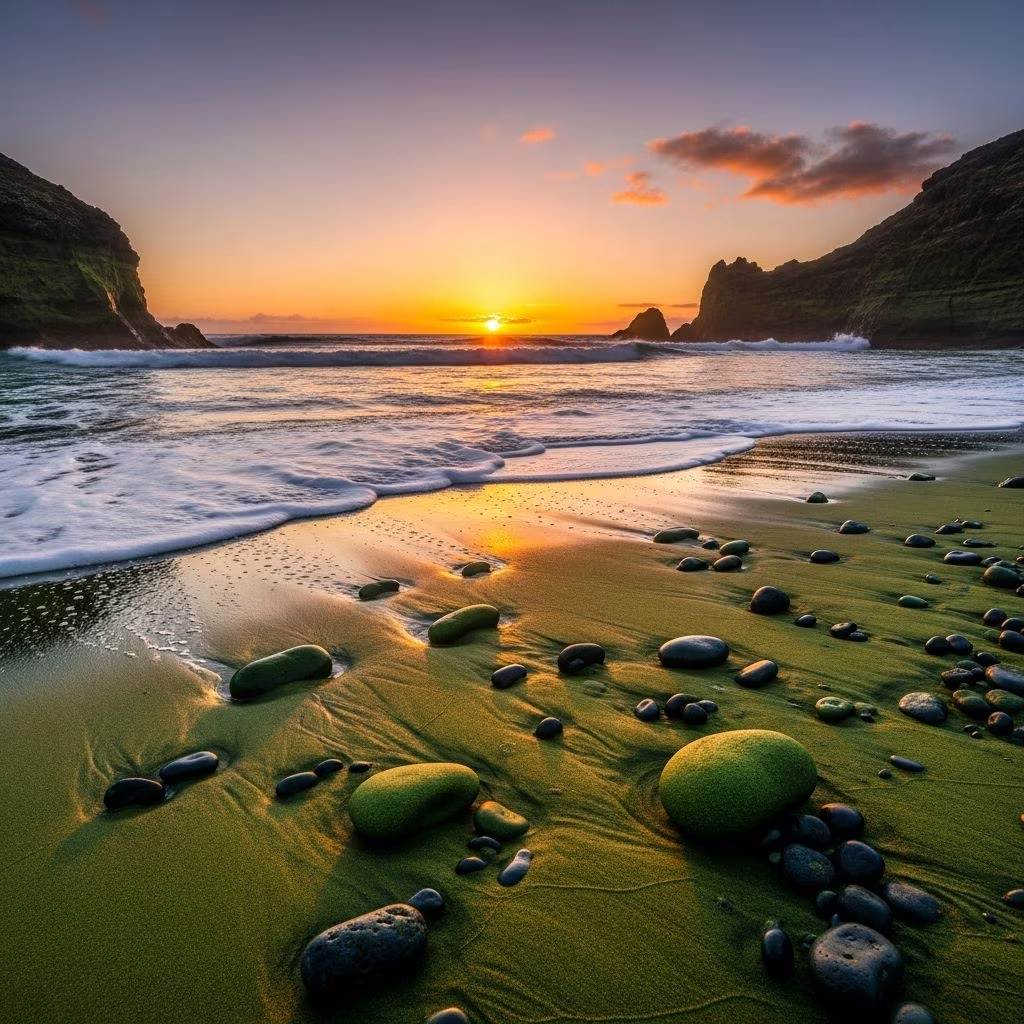
Green sand beaches represent some of the planet’s most captivating natural phenomena, where vibrant olivine crystals create shores that shimmer like emeralds under the sun. These rare coastal treasures form through unique geological processes involving volcanic activity and erosion, drawing adventurers seeking untouched beauty.
At the heart of every green sand beach lies **olivine**, a mineral abundant in Earth’s mantle and frequently ejected during volcanic eruptions. Unlike common quartz sands, olivine weathers into fine, green grains that accumulate along coastlines near volcanic hotspots. This mineral’s peridot-like hue emerges as waves and wind erode basalt cliffs rich in olivine, washing the crystals onto beaches within ancient craters or tuff rings.
Geologists classify these formations as tuff cones or rings, where steam explosions from magma meeting seawater propel olivine-laden material skyward. Over millennia, relentless wave action carves breaches in these structures, allowing green sands to spill onto the sea. Such beaches remain scarce because olivine dissolves quickly in water, requiring constant replenishment from nearby volcanic sources to persist.
Nestled on the rugged southern coast of Hawaii’s Big Island, **Papakōlea Beach** stands as one of the most renowned green sand destinations. Perched inside a breached tuff cone, its vivid green sands derive from olivine crystals embedded in the surrounding cliffs. The site’s isolation amplifies its allure, demanding a determined trek that rewards visitors with solitude and stunning vistas.
Reaching Papakōlea involves navigating South Point Road, the United States’ southernmost route, culminating in a 10-mile dirt track from the main highway. Adventurers face a 45-minute hike each way along this path, though local operators offer jeep shuttles for a modest fee. Descending a steep trail from the crater rim reveals the crescent-shaped cove, where turquoise waters lap at the olive-hued shore. Sea turtles often grace the waves here, foraging on algae amid powerful surf ideal for bodyboarding.
Beyond Hawaii, several global sites boast green sands, each with distinct geological stories and access dynamics.
On the Isle of Rum, **Glasstrand** dazzles with sands from nearby volcanic outcrops. Formed by similar olivine deposits, this Hebridean hideaway requires a boat or hike, offering wild seclusion amid dramatic cliffs.
In Sørøya’s far north, a secluded beach gleams green from eroded dunite rocks. Accessible only by determined coastal treks, it exemplifies Arctic volcanic legacies.
Pacific olivine graces Guam’s beaches, where WWII relics blend with natural splendor. These shores invite snorkelers to vibrant reefs fringing the green sands.
The North Island’s volcanic legacy yields pockets of green sand amid black lava shores, best discovered via coastal trails in remote parks.
| Beach Location | Key Mineral Source | Access Difficulty | Unique Feature |
|---|---|---|---|
| Papakōlea, Hawaii | Olivine tuff cone | High (hike/jeep) | Sea turtles, surf |
| Glasstrand, Scotland | Local volcanics | Medium (boat/hike) | Wildlife haven |
| Sørøya, Norway | Dunite erosion | High (trek) | Midnight sun views |
| Guam Pacific | Island basalt | Low (road access) | Snorkeling reefs |
| New Zealand North | Lava fields | Medium (trails) | Black-green contrast |
Green sand beaches face threats from erosion, tourism, and climate shifts. Olivine’s solubility means footprints and vehicles accelerate loss, while rising seas encroach on narrow strips. Visitors must adhere to Leave No Trace principles: pack out waste, avoid sand removal, and stick to paths. Many sites, like Papakōlea, prohibit drones and commercial tours to curb overuse.
Local communities advocate sustainable practices, such as timed entry or shuttle mandates, to balance access with conservation. Supporting nearby parks through fees funds erosion barriers and monitoring.
Embark on these quests with preparation. Check weather for safe hikes, secure permits where required, and book shuttles ahead during peak seasons. Combine visits with volcanic tours for deeper insights into formation processes.
Green sands originate from olivine crystals eroded from volcanic rocks, accumulating where waves deposit them in sheltered coves.
Strong currents prevail; body surfing is popular, but beginners should observe from shore. Turtles frequent the area harmlessly.
Most lack amenities due to remoteness—plan for self-sufficiency with water, food, and waste removal.
No; removing sand harms these fragile ecosystems and is illegal in protected areas.
Fewer than a dozen confirmed sites, primarily near active or ancient volcanoes.
For Papakōlea, depart Kona or Hilo at dawn to beat heat and crowds. Rent 4WD vehicles cautiously, as roads degrade. Post-hike, unwind at nearby Punalu’u Black Sand Beach for contrast. Globally, time trips with low tides and mild weather forecasts.
These beaches transcend typical vacations, offering geological time capsules where Earth’s fiery core meets the ocean’s embrace. Their rarity underscores the urgency to visit responsibly, ensuring emerald shores endure for future explorers.
