

 Travel Essentials
 Travel Essentials

Learn how greetings vary across cultures—from bows and handshakes to cheek kisses and hongi—so you can connect respectfully while traveling.
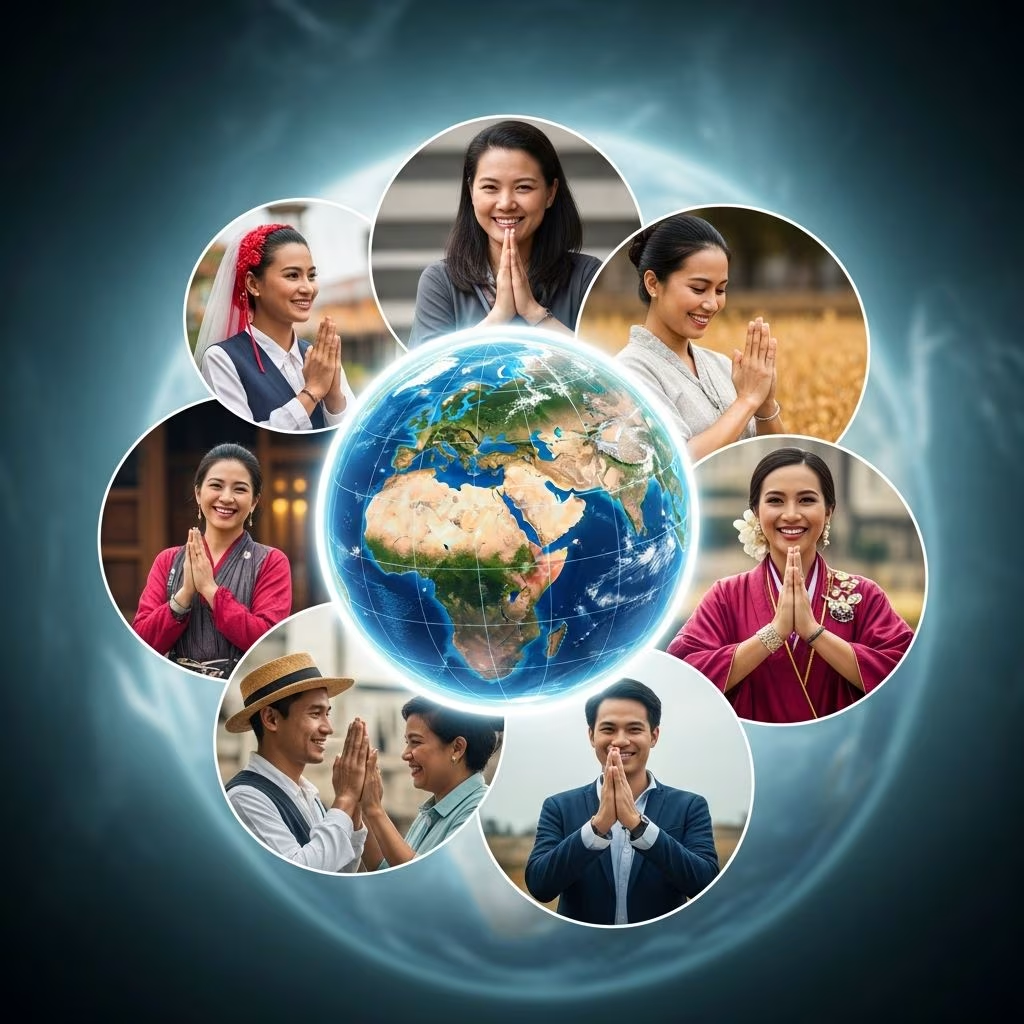 Travel Essentials
Every culture has its own way of saying hello, reflecting deep historical, social, and spiritual values. Understanding these rituals can transform a simple interaction into a meaningful connection, helping travelers build rapport and avoid faux pas. From formal bows in East Asia to affectionate nose presses in the Arctic, greetings vary wildly, often carrying centuries of tradition.
Greetings serve as the gateway to any interaction, signaling respect, hierarchy, and intent. In many societies, the right hello establishes trust instantly, while a misstep can create awkwardness. For instance, in hierarchical cultures like those in Asia and Africa, acknowledging elders first is crucial, underscoring values of deference and community harmony.
These customs evolve from practical needs—hygiene concerns in handshake norms, spiritual beliefs in prayer-like gestures—to historical events, such as Tibet’s tongue-sticking tradition born from fears of a tyrant’s reincarnation.
The handshake remains one of the most recognized greetings globally, symbolizing equality and agreement. Originating possibly from ancient displays of unarmed intent, it adapts per region.
In Botswana, Zambia, and Rwanda, handshakes bridge formal and casual settings, often lingering briefly to show warmth.
Bowing embodies humility and reverence, common in hierarchical societies. Depth and duration indicate status differences.
| Country/Region | Gesture Name | Description | When to Use |
|---|---|---|---|
| Japan | Bow (Ojigi) | 15-45 degree upper body bend; deeper for superiors. | All encounters, business or social. |
| Thailand | Wai | Palms pressed together at chest/forehead level, slight bow; “Sawasdee” greeting. | Universal; higher hands for elders. |
| Nepal/India | Namaste | Palms together, bow head; means “I bow to the divine in you.” | Daily hellos, yoga, respect. |
| Laos/Cambodia | Nop/Sampeah | Similar to wai, with varying hand positions. | Formal and casual. |
These gestures promote non-contact hygiene and spiritual alignment, avoiding touch to preserve energy.
Air or light cheek kisses express familiarity and joy, varying by country and relationship.
Lean in smoothly, lips barely touching, to match the effusive style without overstepping.
These tactile greetings emphasize breath-sharing as life force exchange.
Reserved for close ties, these foster profound emotional links beyond words.
Sticking out the tongue proves you’re not the black-tongued King Lang Darma’s reincarnation—a 9th-century safeguard now signaling respect subtly.
Prioritize seniors: Philippines’ mano po (hand to forehead), India’s foot-touch, Liberia/Yoruba knee-bend, Kenya/Tanzania head taps.
In Peru/Bolivia, men handshake, shoulder hug, then stomach pat—testing loyalty via heartbeat feel.
Observe and mirror locals: Wait for initiation in unfamiliar settings. Right hand only where noted; smile universally. In business, exchange cards post-greeting with both hands in Asia.
Smile, apologize simply, and locals usually appreciate the effort—intent trumps perfection.
Yes; formal settings favor handshakes/bows, casual ones kisses/nose touches.
A warm smile with verbal hello or nod—universally welcoming.
Typically two, but varies regionally—follow the initiator.
Yes, in ceremonies; hosts guide you respectfully.
Embracing these rituals enriches travels, turning strangers into friends. Practice builds confidence; cultural sensitivity opens doors worldwide. Next trip, greet like a local—you’ll feel the difference.
