

 Travel Essentials
 Travel Essentials

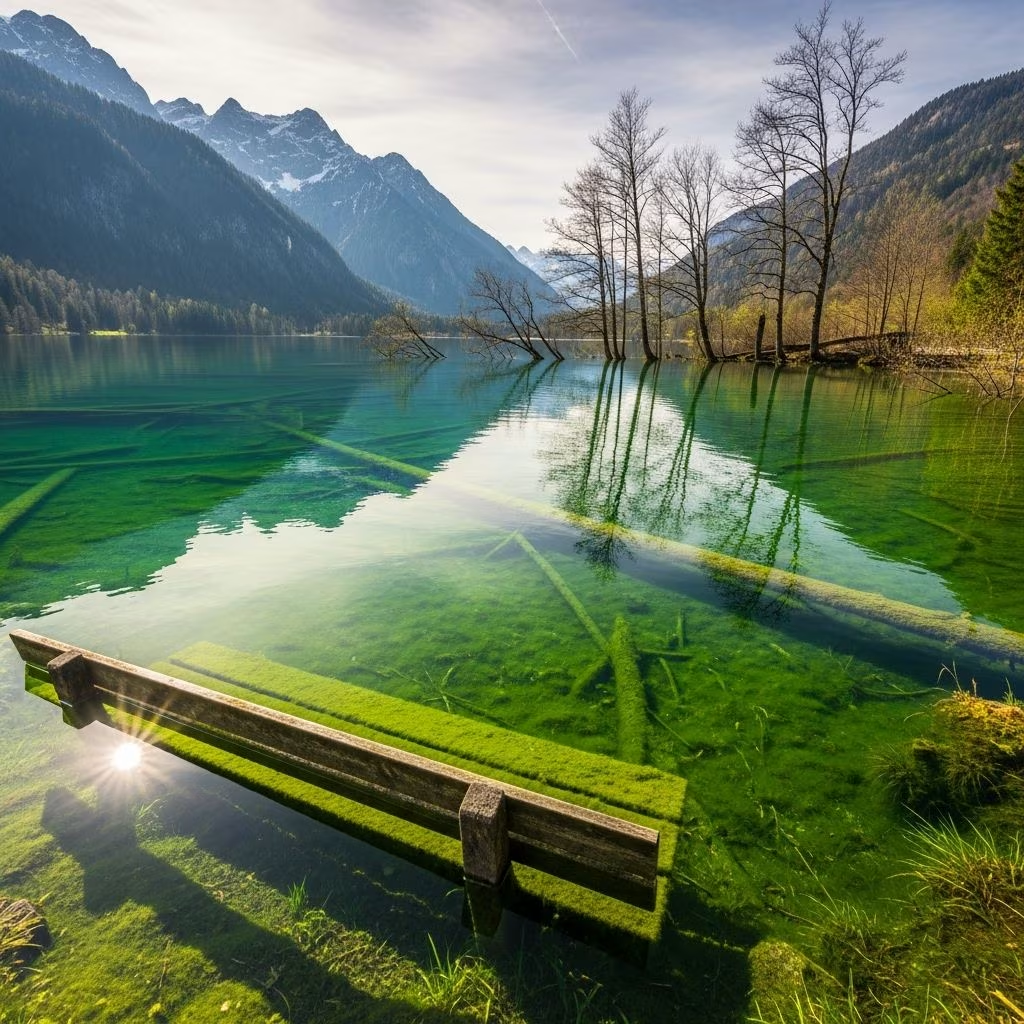
Explore Grüner See, Austria's remarkable intermittent lake that appears and disappears seasonally, showcasing crystal-clear waters and unique alpine landscapes.
 Travel Essentials
Nestled within the Hochschwab Mountains of southeastern Austria lies one of Europe’s most unusual natural phenomena—a lake that appears and disappears with the changing seasons. Grüner See, which translates to “Green Lake” in English, has captivated travelers and nature enthusiasts for decades with its stunning emerald-colored waters and the remarkable way it transforms throughout the year. This intermittent alpine lake represents a fascinating intersection of geology, hydrology, and environmental conservation, offering visitors a unique destination that challenges conventional expectations of what a lake should be.
Located in the Styria region of Austria, near the village of Tragöß, Grüner See occupies a distinctive valley surrounded by three major peaks within the Hochschwab range. The lake’s formation process is intimately connected to the alpine climate and geological composition of the region. During winter months, the area transforms into a peaceful mountain landscape with hiking trails and grassy meadows, with only a shallow depression marking where the lake once stood.
The magic of Grüner See unfolds each spring when warmer temperatures begin melting the snow accumulated on the surrounding mountains. The snowmelt creates a cascade of pristine water that flows downward into the valley below, gradually filling the basin and creating the lake anew. This annual renewal process demonstrates the powerful influence that seasonal temperature changes exert on alpine environments. The limestone and karst geology beneath the valley floor plays a crucial role in determining the lake’s distinctive characteristics, particularly its remarkable transparency and color.
What sets Grüner See apart from countless other alpine lakes is the mesmerizing color of its water. The lake’s brilliant emerald-green hue has earned it recognition as the “Caribbean of the Alps”—a poetic comparison that captures the surreal beauty of standing before such clear, jewel-toned waters in a European mountain setting. This distinctive coloration results from several interconnected factors working in harmony.
The primary contributor to the lake’s remarkable color is the exceptional clarity of the water combined with the limestone and mineral composition of the lake bed. Unlike many mountain lakes that contain significant amounts of sediment and organic debris suspended in the water column, Grüner See remains remarkably clean. The snowmelt that feeds the lake is exceptionally pure, having accumulated minimal dust and contaminants during its precipitation and descent from the peaks. As light penetrates this crystalline water and reflects off the limestone substrate below, the interplay creates the characteristic green tones that make photography at the site so rewarding.
The depth variations across the lake’s basin create an additional visual phenomenon. In shallower areas near the shore, the water appears almost neon green due to the proximity of the lighter-colored limestone bed. In deeper sections, the water transitions to richer, darker shades of green as the greater depth absorbs more light wavelengths. This gradient of green tones, visible from the shoreline, contributes to the overall visual spectacle that visitors witness.
Unlike permanent bodies of water, Grüner See follows a dramatic annual cycle that fundamentally changes the landscape and user experience throughout the year. Understanding this cycle is essential for anyone planning a visit to the region.
As spring arrives and mountain temperatures climb, the accelerating snowmelt begins filling the valley basin. The lake gradually rises from its winter state of minimal depth to its impressive maximum dimensions. Early spring visitors witness an active transformation, observing how the water level ascends week by week, progressively covering more of the surrounding meadow and hiking infrastructure. This period offers a unique perspective unavailable at other times of year.
The lake reaches its maximum depth around mid-May through mid-June, when accumulated snowmelt has filled the basin completely. During this window, the water achieves depths of approximately 12 meters (39 feet), and visibility extends to remarkable distances beneath the surface. The entire valley floor becomes submerged, including hiking trails, benches, and other structures that spend most of the year exposed. The landscape during peak season presents the most photogenic appearance, with full waters reflecting surrounding mountain peaks and forests. Water temperatures remain cold, hovering between 41 and 43 degrees Fahrenheit, as the water source originates directly from recent snowmelt.
Beginning in July, the dynamics shift as summer heat accelerates water evaporation and reduces snowmelt contributions. The water level begins a steady decline throughout summer and early autumn. By late summer, the lake has receded significantly, once again exposing the underwater trails, benches, and landscape features that drew international attention to the site. The transition from full lake to diminishing water body occurs gradually, creating intermediate states that reveal the unusual topography of the valley floor.
By winter, Grüner See has reduced to little more than a shallow puddle, typically 1 to 2 meters (3 to 7 feet) in depth. The valley transforms into a county park with maintained hiking trails, grassy areas for picnicking, and open space for recreation. This seasonal transition allows the valley floor to dry and provide a completely different user experience compared to summer months. Visitors during winter encounter a peaceful mountain landscape rather than an alpine lake, yet the knowledge that this same location will transform dramatically with spring creates a sense of anticipation.
Reaching Grüner See from major Austrian population centers requires modest travel effort. The lake sits approximately two hours from Vienna, making it accessible as a day trip or weekend destination for residents of Austria’s capital. The village of Tragöß serves as the primary reference point for navigation, with directional signage appearing as travelers approach from the town of Kapfenberg. Modern mapping applications include the lake as a destination point, simplifying route planning for visitors with GPS navigation devices or smartphone applications.
The site accommodates visitors with practical amenities including a substantial parking area, toilet facilities, and basic infrastructure. A modest daily parking fee of approximately 4 euros (as of recent years) serves dual purposes as both a parking charge and site entrance fee. From the parking area, an easy hiking trail of less than 20 minutes leads to the lake itself, making the destination accessible to visitors with varying fitness levels and mobility capabilities.
Timing a visit to coincide with specific seasonal states depends on visitor preferences and available time. The period from April through August offers the most favorable conditions for general sightseeing and photography, with the lake progressing through its most dramatic transformations during these months. However, many travel specialists recommend May and mid-June as the absolute optimal window, when the lake achieves maximum depth, clarity, and visual impact.
The primary activity available to visitors involves hiking the scenic loop trail that circumnavigates the lake. This approximately 2.3-mile (3.7-kilometer) route offers modest elevation gain of only 275 feet, making it suitable for families and visitors of varying hiking experience levels. The trail provides changing perspectives as it follows the shoreline and ascends slightly to viewpoints overlooking the water and surrounding mountains.
The extraordinary visual qualities of Grüner See have established it as a premier photography destination within European alpine regions. The combination of emerald waters, mountain backdrop, and unique seasonal transformations creates compelling photographic opportunities across all seasons. Both professional photographers and casual visitors with smartphone cameras capture the distinctive character of the location.
The meadow areas surrounding the lake, particularly during winter when the water recedes, provide ideal settings for picnicking and informal outdoor recreation. Visitors pack provisions and enjoy meals in the alpine setting, taking advantage of the mountain views and natural ambiance.
Grüner See’s transformation from a relatively obscure alpine feature to an internationally recognized destination occurred rapidly in recent years, driven by social media exposure and travel blogs highlighting the underwater trails and unique characteristics. This surge in visitor interest prompted environmental and conservation concerns that ultimately led to significant restrictions on lake activities.
Recognizing potential threats to the lake’s delicate ecosystem, local authorities and tourism officials implemented comprehensive restrictions on all watersports activities beginning January 1, 2016. These prohibitions encompass scuba diving, recreational swimming, boating, and all related water-based recreation. The decision reflected concerns that agitated sediment stirred by underwater activity could compromise the water clarity and distinctive green coloration that define the lake’s character and appeal.
The scientific assessment underlying these restrictions emphasized that human disturbance in sensitive alpine aquatic environments can produce cascading ecological effects. Excessive foot traffic, sediment suspension, and chemical disturbance could fundamentally alter the lake’s appearance and ecological function. The precautionary approach taken by local authorities prioritizes long-term environmental preservation over immediate tourism activity.
Q: Can visitors swim in Grüner See?
A: No, all watersports including swimming have been prohibited since January 2016 to protect the lake’s sensitive ecosystem and preserve its distinctive characteristics.
Q: What is the best time to visit?
A: May through mid-June offers the optimal experience, when the lake reaches maximum depth and clarity. April through August provides favorable visiting conditions throughout the period.
Q: How long does the hike around the lake take?
A: The approximately 2.3-mile loop typically requires 1 to 2 hours depending on walking pace and photography stops.
Q: Does the lake completely disappear in winter?
A: The lake reduces to minimal depth during winter, but does not completely vanish. A shallow pond remains, with the area becoming a hiking park.
Q: What is the water temperature?
A: Water temperatures range from 41 to 43 degrees Fahrenheit, as the water originates from recent snowmelt.
Grüner See exemplifies the dynamic and surprising character of alpine environments, where seasonal cycles create natural phenomena that defy visitor expectations formed by permanent lakes and reservoirs. The combination of geological features, climatic influences, and environmental protections has created a destination that offers authentic engagement with natural processes and mountain landscapes. Whether visiting during peak season to witness the emerald waters or during shoulder seasons to observe the transformation process, Grüner See rewards visitors with memorable experiences and photographic opportunities that capture the essence of Austrian alpine beauty.
