


 Food & Culture
Food & Culture
Guide to Italian Restaurant Types: Ristorante, Trattoria, Osteria & More
Explore Italy's diverse restaurant categories from formal ristoranti to casual tavolas caldas, understanding each establishment's unique character and dining experience.
 Food & Culture
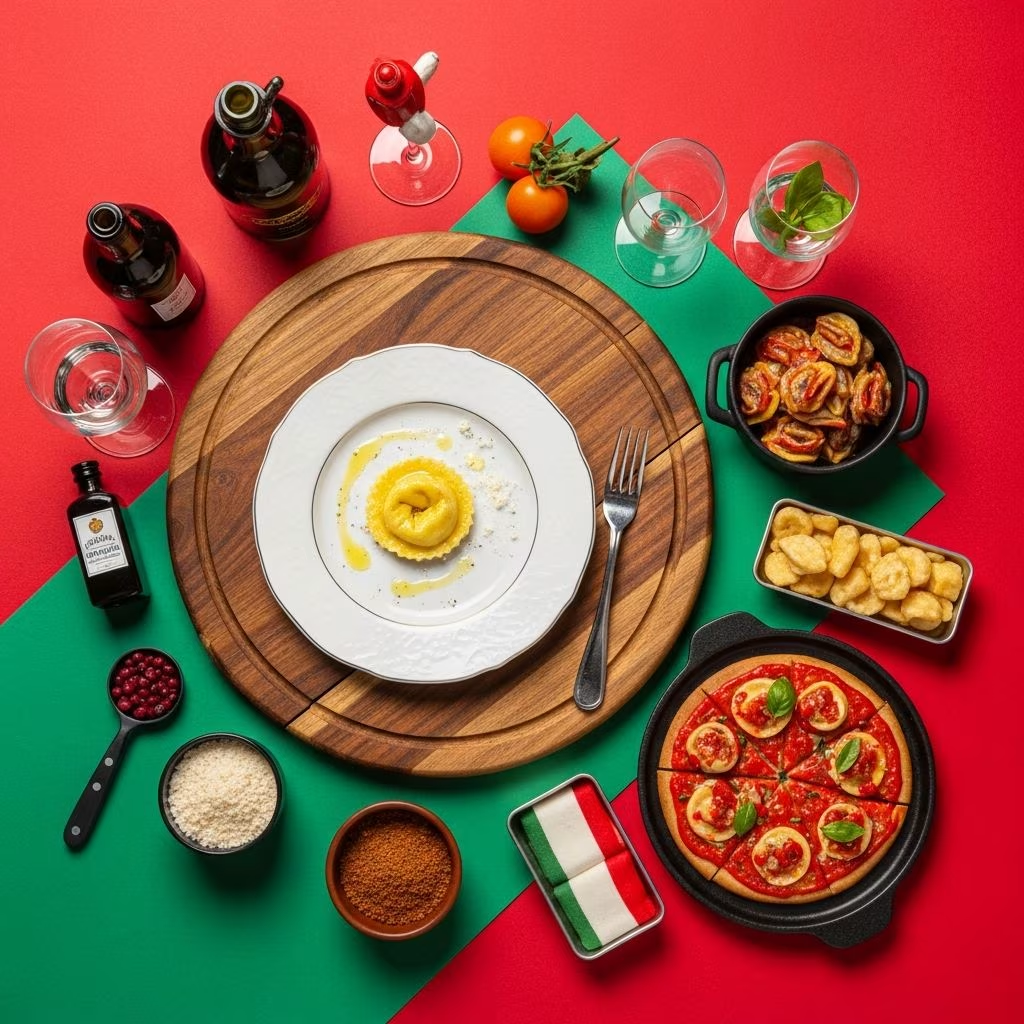
Italy’s gastronomic heritage extends far beyond the quality of its ingredients and recipes—it encompasses an entire culture surrounding how and where Italians eat. Unlike many countries where restaurants follow a relatively standardized model, Italy maintains a sophisticated system of distinct dining establishments, each with its own purpose, atmosphere, and menu philosophy. Understanding these classifications transforms your Italian dining experience from confusing to enriching, allowing you to make informed choices that align with your culinary preferences and budget.
For travelers and food enthusiasts alike, navigating Italy’s restaurant landscape requires more than knowing which dishes to order. It demands familiarity with the terminology and conventions that define each establishment. Whether you seek an intimate family meal, quick sustenance between sightseeing excursions, or an elaborate multi-course feast, Italy offers specialized venues designed precisely for these occasions. This guide illuminates the distinctions between Italy’s primary dining categories, providing insight into what you can expect at each type of establishment.
The Pinnacle of Italian Fine Dining: Ristorante
The ristorante represents the apex of Italian formal dining, embodying culinary sophistication and professional hospitality. This establishment type prioritizes refinement in every aspect—from meticulously plated dishes to comprehensive wine selections curated by knowledgeable sommeliers. Ristoranti typically feature printed menus presenting an extensive array of dishes, representing the chef’s culinary vision rather than a fixed family tradition.
Service in a ristorante follows established Italian dining protocols. Guests progress through multiple courses: antipasto (appetizer), primo (pasta or risotto), secondo (meat or fish), contorno (vegetable side), dolce (dessert), and concluding with caffè and digestivo (digestive liqueur). This structured progression encourages leisurely conversation and appreciation for each course’s nuances. The dining duration typically spans two to three hours, transforming the meal into an event rather than mere sustenance.
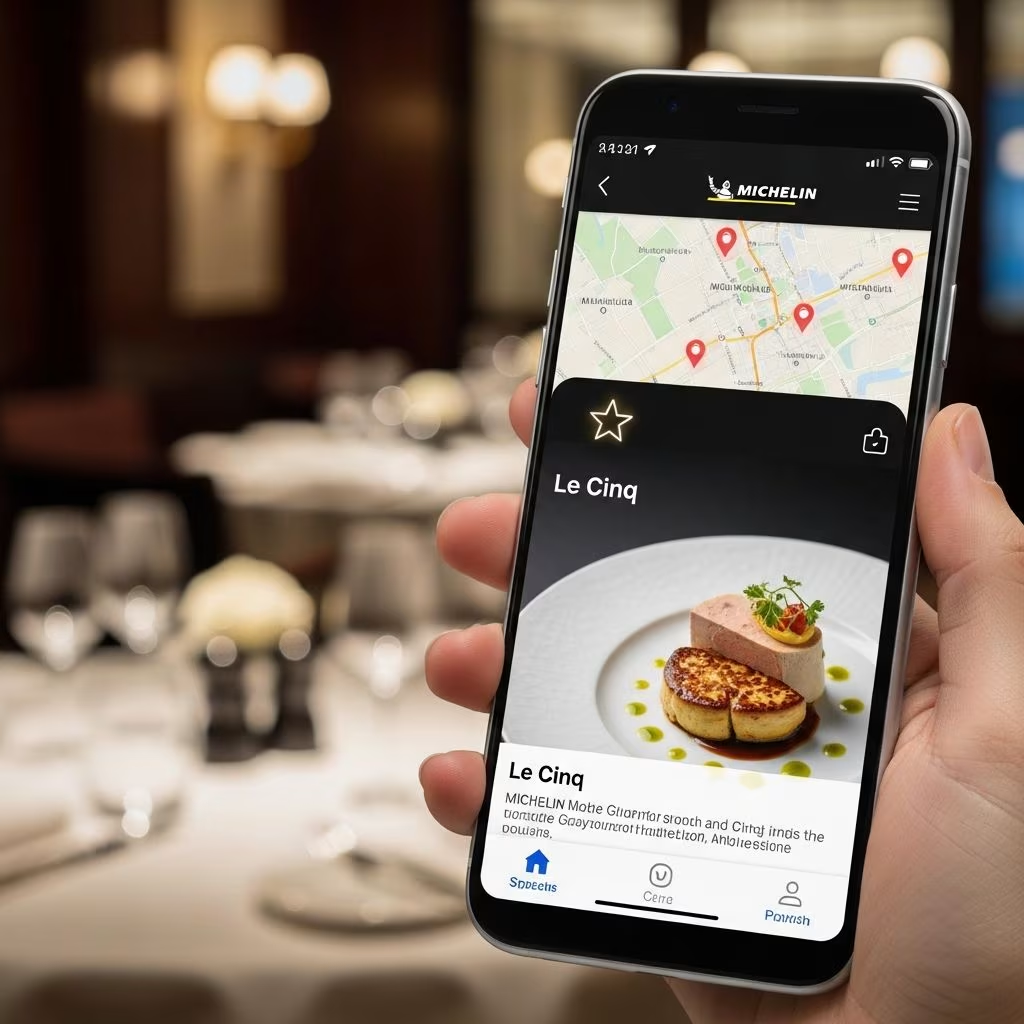
Ristoranti vary significantly in scope and prestige. Some operate as intimate, family-managed establishments with white tablecloths and personalized service, while others function as Michelin-starred temples of haute cuisine. Regardless of tier, all ristoranti share commitment to presentation, ingredient quality, and professional execution. Pricing reflects this commitment, making ristoranti the most expensive dining category in Italy. Many also venture beyond traditional Italian cuisine, offering French, Brazilian, Spanish, or Japanese dishes alongside regional specialties.
Homestyle Traditions: Trattoria and Its Philosophy
The trattoria occupies a cherished position in Italian dining culture, representing the democratization of quality food. Characteristically family-run establishments, trattorias preserve culinary traditions through multigenerational recipe transmission. The informal atmosphere encourages genuine connection—between diners and proprietors, and between food and its consumers.
Trattorias embrace “la cucina povera,” a philosophy emphasizing simple cooking with local, nutrient-rich ingredients. Menus remain deliberately compact, changing seasonally to reflect ingredient availability and regional specialties. Rather than innovation or experimentation, trattorias prioritize authenticity and consistency. A family’s version of tagliatelle with ragù or beef with peppers may differ from neighboring establishments’ interpretations, representing each family’s particular culinary heritage.
Economic accessibility distinguishes trattorias from ristoranti. These establishments intentionally maintain moderate pricing, making authentic Italian cuisine available to ordinary diners rather than exclusively affluent clientele. The casual ambiance—often including chalkboard menus, modest furnishings, and minimal pretense—further reinforces their democratic ethos. Trattorias frequently showcase regional wines alongside traditional dishes, offering education about local viticulture without requiring sommelier intervention.
Wine-Centric Gathering Spaces: Osteria
Historically, osterias functioned as simple inns serving wine and basic provisions to travelers and laborers. This heritage persists in the modern osteria, though contemporary examples have evolved into sophisticated dining venues. Unlike trattorias’ family-recipe focus, osterias emphasize wine selection and pairing, creating an environment where beverages hold equal importance to cuisine.
The osteria menu typically features regional dishes complemented by carefully selected wines, often including smaller producers and lesser-known varieties. This structure enables diners to explore regional wine culture systematically. The atmosphere balances informality with refinement—more casual than a ristorante but more wine-focused than a typical trattoria. Many osterias feature standing-height counters alongside seated tables, accommodating both quick wine tastings and leisurely meals.
A critical distinction exists between authentic osterias and modern establishments adopting the name superficially. Contemporary fine dining restaurants, including Michelin-starred venues, sometimes appropriate the osteria designation despite contradicting its original purpose. True osterias maintain their wine-merchant heritage while serving straightforward regional cuisine, rather than pursuing culinary innovation or elevated presentations.
Specialized Dining: Pizzeria, Enoteca, and Pesceria
Italy’s restaurant ecosystem includes several specialized establishments catering to specific culinary traditions:
- Pizzeria: Focused exclusively on pizza preparation, pizzerias may offer limited antipasti or side dishes but remain dedicated to authentic Neapolitan or regional pizza styles. Quality pizzerias source flour, tomatoes, and toppings with particular care, considering pizza preparation as serious culinary craft.
- Enoteca: Operating as wine bars and retail establishments, enotech combine wine sales with light dining. These venues facilitate wine education and tasting, typically accompanied by modest provisions like cured meats, cheeses, and bread.
- Pesceria: Seafood-focused restaurants emphasizing fresh catch from nearby waters. These establishments dominate coastal regions, featuring fish and seafood preparations as their primary offerings.
Quick and Convenient: Fast-Casual Italian Dining
For those prioritizing speed without sacrificing quality, several establishment types provide authentic Italian sustenance:
| Establishment Type | Primary Offerings | Dining Style | Typical Cost |
|---|---|---|---|
| Tavola Calda | Ready-to-eat hot dishes, arancini, pizza al taglio | Counter service, take-out focused | Budget-friendly |
| Rosticceria | Roasted meats, rotisserie chicken, prepared sides | Take-out oriented | Inexpensive |
| Paninoteca | Italian sandwiches with cured meats, cheeses, vegetables | Counter service | Very affordable |
| Bar | Espresso, cornetti, panini, light breakfast items | Standing or seated | Minimal cost |
The tavola calda translates literally as “hot table,” functioning as Italy’s upscale answer to fast food. These establishments feature prepared dishes available immediately—eliminating cooking wait times while maintaining quality standards. Offerings change daily based on seasonal ingredients and chef selections, creating genuine variety rather than standardized menus. From crispy arancini to warm pizza slices, tavola caldas serve rapid meals suitable for working professionals and busy travelers.
Rosticcerias specialize in slow-cooked roasted meats and prepared items emphasizing convenience without compromising flavor. Porchetta sandwiches, roasted chicken, and meat pies showcase this establishment’s commitment to savory preparations. These venues thrive in urban centers where efficiency meets culinary authenticity.
Paninotecas dedicate themselves to panini—Italian sandwiches featuring quality cured meats, regional cheeses, and fresh vegetables. These sandwich specialists populate Italian cities, offering quick lunches and late-night snacks. Quality varies considerably between establishments, with superior examples showcasing carefully sourced ingredients and thoughtful flavor combinations.
The bar functions as Italy’s morning gathering place, where locals begin their day with espresso and cornetti before work. Despite its name suggesting alcoholic beverages, bars primarily serve breakfast items, coffee drinks, and light sandwiches throughout the day. This institution remains central to Italian morning rituals, though tourists often overlook bars’ significance.
Regional and Agricultural Traditions: Agriturismo and Rifugio
Agriturismo establishments emerge from rural agricultural properties, offering farm-to-table dining celebrating regional produce and traditional recipes. These venues frequently operate seasonally, highlighting ingredients at peak ripeness. Dining at an agriturismo provides authentic regional cuisine within a countryside setting, often featuring multiple courses prepared from the property’s own cultivation.
Rifugios function as mountain refuge restaurants serving hikers and alpine explorers. Located in spectacular settings, these establishments provide hearty cuisine suited to outdoor activities. While less common for formal dining, rifugios offer memorable dining experiences within mountainous terrain, typically featuring regional mountain specialties and warming dishes.
Understanding Italian Dining Customs and Etiquette
Successfully navigating Italian restaurants requires understanding deeply ingrained cultural conventions:
- Seasonal Menu Authenticity: Authentic establishments serve seasonal specialties precisely when ingredients peak. Gnocchi appears on Roman menus specifically on Thursdays, reflecting regional tradition rather than year-round availability. Seasonal consistency indicates tourist-trap establishments attempting to appeal to visitors rather than respecting culinary authenticity.
- Course Structure and Pacing: Italian dining emphasizes progression through distinct courses rather than rushing consumption. Attempting to order only a primo course at a ristorante contradicts established dining protocol. Conversely, trattorias and casual establishments accommodate more flexible ordering.
- Wine Integration: Wine accompanies meals as natural complement rather than luxury item. Regional wines typically cost reasonably, with establishments specializing in local viticulture. Understanding wine pairings enhances dining appreciation without requiring expert knowledge.
- Linguistic Precision: Italian dining vocabulary matters. “Panino” refers to a single sandwich, while “panini” indicates multiple sandwiches—using “panini” for a single order misrepresents understanding.
Practical Selection Guidance: Choosing Your Italian Dining Experience
Selecting appropriate establishments depends upon specific circumstances and preferences:
- For special occasions and formal entertainment: Ristorante dining provides professional service, sophisticated atmosphere, and culinary refinement justifying extended time investment.
- For authentic regional cuisine and casual atmosphere: Trattorias offer family recipes and local specialties within unpretentious settings, prioritizing genuineness over formality.
- For wine education and exploration: Osterias facilitate systematic regional wine discovery with appropriate culinary accompaniment.
- For efficiency between activities: Tavola caldas, rosticcerias, and paninotecas provide quality sustenance without sacrificing valuable travel time.
- For culinary immersion: Agriturismos offer countryside settings and farm-focused preparation methods emphasizing ingredient quality and seasonal availability.
Frequently Asked Questions About Italian Dining
What distinguishes a trattoria from an osteria?
Trattorias emphasize family-run operations with inherited recipes and straightforward regional cuisine. Osterias prioritize wine selection and pairing alongside regional dishes, creating environments where beverages receive equal attention. Both remain casual and moderately priced compared to ristoranti.
Are all Italian restaurants family-run?
While most Italian restaurants maintain family involvement, trattorias almost invariably remain family-operated establishments where recipes pass through generations. Ristoranti and newer establishments may employ professional management structures alongside family ownership.
How should I identify authentic establishments versus tourist traps?
Authentic trattorias feature simple, traditional names rather than elaborate branding. Menus change seasonally, reflecting ingredient availability rather than providing identical offerings year-round. Staff demonstrates genuine knowledge of preparations and regional traditions rather than reciting memorized descriptions.
What budget should I expect at various establishment types?
Bars and paninotecas offer minimal costs for quick meals. Tavola caldas and rosticcerias provide inexpensive options. Trattorias and osterias range from moderate to moderately expensive. Ristoranti typically represent the highest expense, particularly Michelin-starred establishments.
Can I order only one course at a ristorante?
While technically possible, ristorante dining culture encourages full multi-course progression. Casual establishments accommodate flexible ordering, but ristoranti expect guests to experience complete dining sequences unless explicit constraints prevent fuller participation.
References
- Types of Italian Restaurants: Ristorantes, Osterias, & More — Turisti Italy. https://www.touristitaly.com/italian-restaurants-types/
- Types of Restaurants in Italy Explained: Osteria vs Trattoria vs Ristorante — The Tour Guy. https://thetourguy.com/travel-blog/italy/restaurants-in-italy-explained-osteria-vs-trattoria-vs/
- 11 Types of Italian Restaurants Explained — Loza NYC. https://loza.nyc/blog/11-types-of-italian-restaurants/
- Understanding Italy’s Restaurant Classifications — The Lazy Italian. https://www.thelazyitalian.com/understanding-italys-restaurant-classifications/
- 14 Types Of Restaurants In Italy, Explained — Tasting Table. https://www.tastingtable.com/1263437/types-restaurants-italy-explained/
On This Page
The Pinnacle of Italian Fine Dining: Ristorante Homestyle Traditions: Trattoria and Its Philosophy Wine-Centric Gathering Spaces: Osteria Specialized Dining: Pizzeria, Enoteca, and Pesceria Quick and Convenient: Fast-Casual Italian Dining Regional and Agricultural Traditions: Agriturismo and Rifugio Understanding Italian Dining Customs and Etiquette Practical Selection Guidance: Choosing Your Italian Dining Experience Frequently Asked Questions About Italian Dining← Previous
Pictured Rocks National Lakeshore: Cliffs, Hikes & Lake Superior Views
Next →
American Airlines Baggage Fees 2026: Checked Bag Policy, Limits & Tips
Related Reading
More in Food & Culture
Food & Culture Food & Culture
 Food & Culture
Best Places to Eat in Rome: Neighborhood Dining Guide
 Food & Culture
 Food & Culture