

 Travel Essentials
 Travel Essentials

Explore Hatteras Island's unspoiled beaches, iconic lighthouse, thriving water sports scene, and charming coastal villages for an authentic Outer Banks experience.
 Travel Essentials
Nestled along North Carolina’s Outer Banks, Hatteras Island represents one of the East Coast’s most authentic and unspoiled barrier island destinations. This long, narrow stretch of land extends through the southern portion of the Outer Banks, offering visitors a distinctive coastal experience characterized by pristine beaches, rich maritime heritage, and exceptional opportunities for outdoor recreation. Unlike the more commercialized northern sections of the Outer Banks, Hatteras Island maintains a quieter, more contemplative atmosphere that appeals to travelers seeking genuine connection with nature and local culture.
Hatteras Island stretches approximately 50 miles along the Atlantic coastline, forming a crucial barrier that protects the mainland from ocean storms and surge. The island’s geography creates distinct environments, from windswept oceanfront areas to sheltered sound-side locations. The northern end of the island connects to the Outer Banks via North Carolina Highway 12, making vehicle access straightforward for most visitors arriving by car.
For those seeking alternative transportation methods, multiple options exist. The Hatteras-Ocracoke Ferry provides a scenic water route connecting the southern tip of Hatteras Island to Ocracoke, allowing visitors to combine island experiences or arrive from alternative directions. Private boat owners can navigate the Atlantic Ocean or Intracoastal Waterway directly to the island, while chartered boat services offer guided arrivals for those without personal vessels. This accessibility by multiple transportation modes has made Hatteras Island increasingly appealing to diverse visitor populations with varying travel preferences.
The island comprises several distinctive villages, each possessing its own character, attractions, and appeal to different visitor demographics. Understanding these communities helps travelers select destinations matching their interests and travel style.
Rodanthe greets visitors as the island’s northernmost village, immediately establishing the island’s signature aesthetic through its iconic oceanfront cottages elevated on wooden stilts. These architectural features have become synonymous with Outer Banks charm and served as inspiration for popular novels and films, drawing literary enthusiasts and photography enthusiasts worldwide. The village maintains a nostalgic, intimate atmosphere perfect for sunrise beachwalking and leisurely exploration.
Beyond Rodanthe, the villages of Waves and Salvo continue the island’s characteristically relaxed atmosphere. These communities serve as primary bases for water sports enthusiasts, offering convenient access to Pamlico Sound’s shallow, steady waters. The sound’s protected conditions create ideal environments for activities requiring consistent wind and calm waters, making these northern villages particularly attractive during peak water sports seasons.
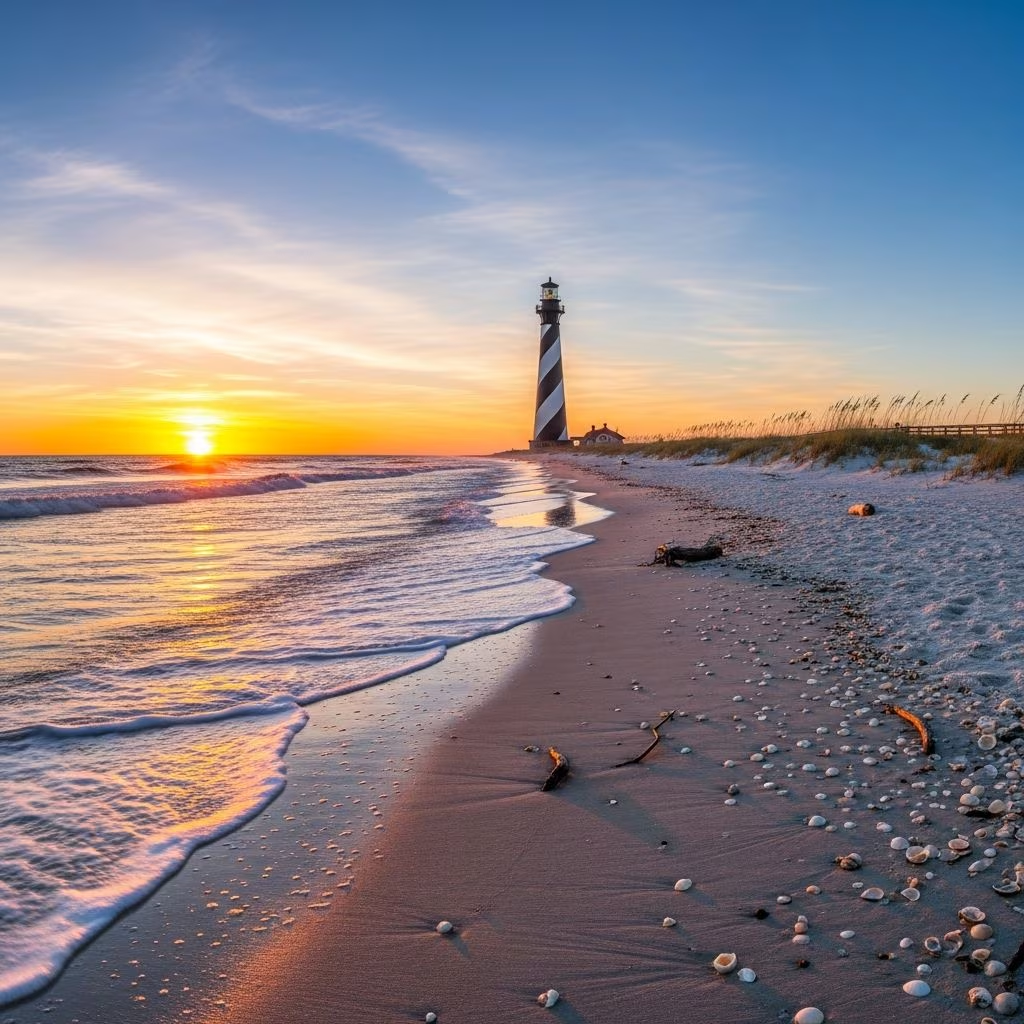
Buxton commands attention as the geographic and cultural heart of Hatteras Island, primarily due to its status as home to Cape Hatteras Lighthouse. Standing 208 feet tall, this iconic brick structure holds the distinction of being the tallest brick lighthouse in the entire United States. Beyond its impressive height, the lighthouse represents crucial maritime history, having guided countless vessels through dangerous waters throughout American naval history. The surrounding Cape Hatteras National Seashore provides the nation’s most extensive stretch of undeveloped Atlantic coastline, preserving natural ecosystems and offering recreational opportunities unavailable elsewhere on the East Coast.
Buxton’s geographic position marks a significant directional shift in the Outer Banks’ orientation, creating unique oceanographic conditions that attract specialized anglers seeking particular fish species. The beaches surrounding Cape Point feature complex sandbar formations that shift seasonally, producing varying surf and fishing conditions that challenge and reward experienced water enthusiasts.
Located at the island’s southern terminus, Hatteras Village represents the island’s deepest maritime traditions and continues functioning as a genuine working fishing village rather than a tourist-focused resort community. This distinction shapes every aspect of the village’s character, from the constant activity at commercial docks to the prevalence of fishing-related businesses throughout the community. The village serves as the departure point for the Hatteras-Ocracoke Ferry, functioning as a gateway between islands and offering visitors convenient access to Ocracoke’s unique attractions.
The harbor area pulsates with daily activity as charter vessels return from offshore expeditions, unloading catches while recounting tales of deep-sea encounters. This authentic working environment provides visitors genuine insight into the economic foundations supporting island life for generations.
Fishing stands as the foundational economic and recreational pillar of Hatteras Island life, with opportunities ranging from casual pier angling to serious offshore expeditions. The island’s position along major Atlantic migration routes places it at the convergence of tropical Gulf Stream waters and cooler northern currents, creating exceptional biodiversity and abundance.
Seasonal tournaments throughout the year attract competitive anglers worldwide, transforming the island’s docks into centers of excitement and rivalry. These events celebrate the island’s fishing heritage while generating significant economic activity within local communities.
The consistent wind patterns and protected sound waters have established Hatteras Island as a premier destination for wind-dependent recreational activities. Windsurfing and kiteboarding communities have flourished here, particularly in the northern villages where Pamlico Sound conditions remain nearly ideal throughout extended seasons. Multiple outfitters offer instruction, equipment rentals, and accommodation packages specifically designed for water sports enthusiasts.
Stand-up paddleboarding has emerged as an increasingly popular activity, attracting participants across all age and fitness levels. The sport’s accessibility combined with the island’s scenic waterways creates perfect conditions for both athletic pursuits and meditative explorations of island ecosystems. Summer months frequently transform sound waters into tapestries of colorful kites and paddleboards, creating visually distinctive seascapes.
Kayaking opportunities exist throughout the island, from coastal explorations to inland sound paddling. Guided kayak tours introduce visitors to coastal habitats, wildlife viewing opportunities, and historical sites accessible only by water.
The lighthouse experience extends beyond external photography, with interior access allowing visitors to climb approximately 257 steps to viewing platforms offering panoramic perspectives across the Atlantic, nearby sound, and the barrier island landscape. The physical challenge of the climb proves manageable for most visitors with reasonable fitness levels, rewarding effort with perspectives impossible to achieve from ground level. The surrounding grounds provide excellent opportunities for photography, contemplation, and understanding the crucial role lighthouses played in maritime navigation before modern electronic systems.
This institution, housed within a building exceeding 100 years in age and opening to the public since 1987, preserves the cultural heritage of indigenous peoples inhabiting the island long before European settlement. The collection encompasses artifacts spanning centuries of occupation, providing tangible connections to pre-Columbian island life. The year-round operating schedule ensures accessibility regardless of visitor season.
Beyond formal museums, the island’s maritime heritage emerges through everyday interactions with working waterfronts, harbor observations, and conversations with local residents maintaining traditions spanning generations. The visible evolution from small commercial fishing village to contemporary tourism destination reveals itself through architectural styles, business operations, and cultural practices throughout island communities.
The island’s beaches vary significantly in character and ecosystem function. Protected areas within Cape Hatteras National Seashore preserve sensitive dune vegetation and nesting habitats for sea turtles and shorebirds. Other beach sections permit recreational driving and active recreation, allowing different use intensities across the 50-mile shoreline.
This protected maritime forest ecosystem represents one of the largest undisturbed maritime forests along the Atlantic coast. Guided equestrian tours through the reserve provide unique perspectives on coastal forest ecology while offering recreational experiences combining physical activity with natural environment immersion. These tours typically include preparatory instruction for participants unfamiliar with horseback riding, ensuring accessibility for diverse fitness and experience levels.
The island’s position along Atlantic migratory flyways establishes it as a premier birding destination, particularly during spring and fall migrations. Dedicated birding areas, wildlife refuges, and specialized guides support both casual observers and serious ornithologists. The diverse habitats—from maritime forest to beach to sound marsh—support exceptional species diversity.
| Season | Climate | Activities | Visitor Volume |
|---|---|---|---|
| Spring (March-May) | Mild, variable winds | Fishing tournaments, bird migration observation, kayaking | Moderate |
| Summer (June-August) | Warm, steady ocean breeze | Swimming, water sports, kite sports, beach activities | Peak |
| Fall (September-November) | Pleasant, consistent winds | Fishing, wind sports, wildlife observation | High |
| Winter (December-February) | Cool, variable conditions | Fishing, solitude, storm watching, birding | Low |
Mild temperatures persist approximately nine months annually, establishing Hatteras Island as an almost year-round vacation destination. Summer months draw largest visitor populations, with corresponding increases in accommodation pricing and activity crowding. Shoulder seasons offer excellent conditions with reduced congestion, making them attractive for visitors prioritizing natural experience over peak season amenities.
The island accommodates diverse lodging preferences through vacation rental cottages, small family-operated hotels, and specialized properties designed for particular visitor types. The famous oceanfront stilted cottages that inspired literary works represent iconic accommodations, though more contemporary and budget-conscious options exist throughout the island.
Restaurants throughout the island emphasize fresh seafood and casual dining atmospheres reflecting maritime communities. Local tackle shops, outfitters, and tourism businesses support visitor needs, though the island’s remote location means limited options compared to larger coastal destinations.
Healthcare facilities exist throughout the island, with more comprehensive medical services available at nearby mainland hospitals. Fuel, groceries, and emergency services function during standard operating hours, making advance planning advisable for extended or remote exploration.
Hatteras Island offers visitors authentic coastal experiences combining natural beauty, cultural heritage, recreational opportunities, and genuine maritime atmosphere. The island’s distinct identity within the Outer Banks stems from its preservation of traditional fishing economy, protection within national seashore boundaries, and resistance to intensive commercial development. Whether pursuing serious fishing expeditions, engaging in water sports, exploring cultural attractions, or simply seeking peaceful coastal contemplation, Hatteras Island delivers experiences reflecting the Outer Banks’ essence before modern tourism transformed most barrier island communities. Careful planning considering seasonal conditions, personal interests, and physical capabilities enables visitors to construct meaningful island experiences aligning with individual priorities and preferences.
