

 Travel Essentials
 Travel Essentials

A comprehensive guide to traveling from Havana to Viñales, featuring transportation options, attractions, and practical tips for this iconic Cuban route.
 Travel Essentials
The journey westward from Cuba’s vibrant capital to the rural valleys of Pinar del Río represents one of the Caribbean’s most rewarding travel experiences. This approximately 180-kilometer route connects the bustling urban energy of Havana with the pastoral tranquility of countryside landscapes, offering travelers an authentic glimpse into Cuban life beyond the capital’s colonial streets. The transition from city to countryside unfolds gradually, revealing layers of Cuban culture, history, and natural beauty that make this journey far more than simple transportation between two destinations.
The physical distance from Havana to Viñales measures roughly 180 kilometers, though the actual travel experience depends significantly on transportation method and routing choices. Travelers moving by private vehicle typically require between 2.5 and 3 hours for the journey, while public transportation options extend this timeframe considerably. The variance in travel time reflects not merely the difference between transport modes but also the unique pace of Cuban infrastructure and the opportunities for roadside stops along the Autopista Nacional (A4).
The highway connecting these two regions passes through varying landscapes, beginning with the urban sprawl that gradually yields to agricultural land, small towns, and eventually the dramatic terrain that characterizes Pinar del Río province. Understanding this distance and time requirement proves essential for planning an effective visit, whether as a day trip or a longer excursion.
Hiring a private car with an experienced driver represents the most flexible and convenient transportation option for this route. This approach typically costs between 120 and 150 USD for a complete round trip, including designated stops at points of interest. The primary advantage of private transportation lies in the ability to customize your itinerary, pause at scenic viewpoints, and adjust timing according to personal preferences and energy levels.
Professional drivers familiar with the route navigate the occasional challenges of Cuban roadways—including potholes and free-roaming livestock—with practiced ease. This experience proves invaluable for travelers seeking a smooth, stress-free journey rather than managing unfamiliar driving conditions themselves.
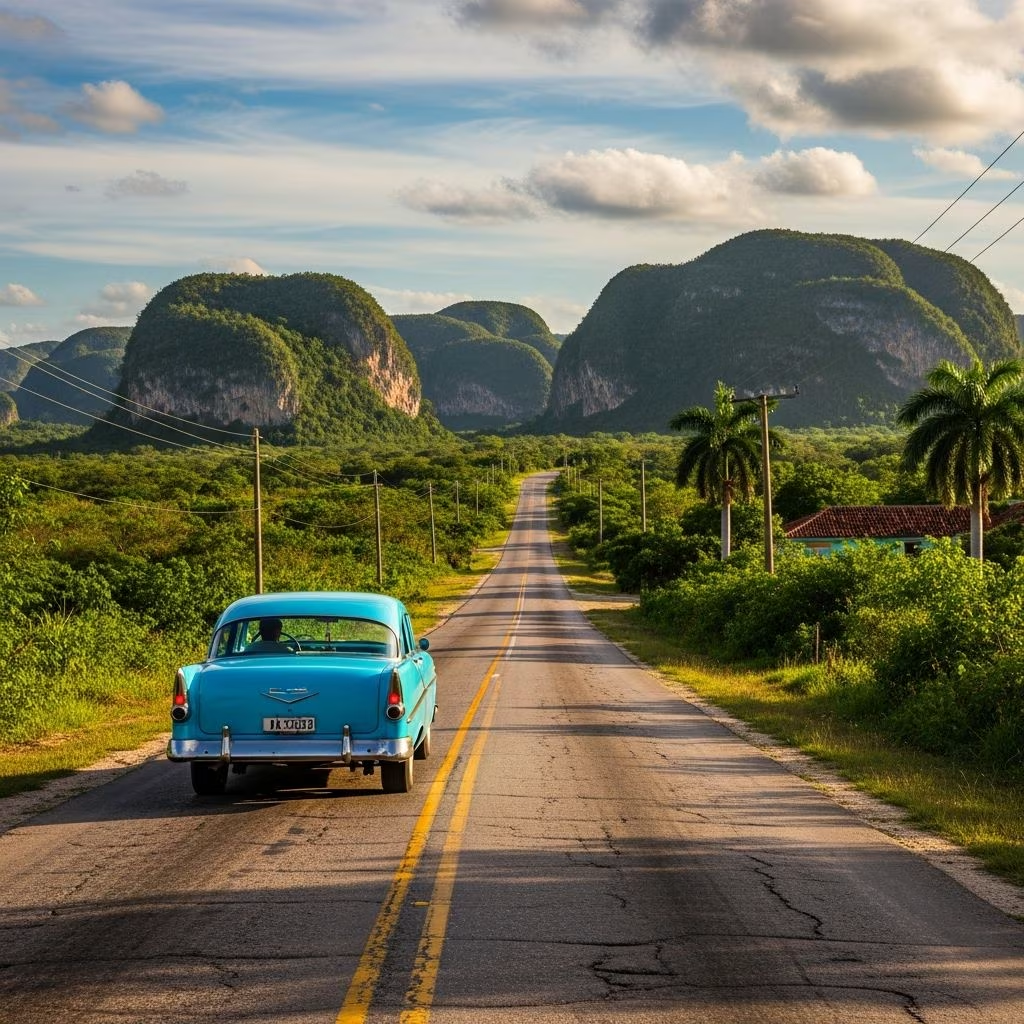
Among the most distinctive transportation options available, traveling via restored classic American vehicles offers an immersive experience that combines practical transportation with cultural engagement. These vintage cars, often 1950s models, provide both functional transportation and an authentic connection to the classic aesthetic associated with pre-revolution Cuba. Tours utilizing classic vehicles typically span 10 hours total duration, departing early morning (between 7:30 and 8:30 AM) and returning to Havana by early evening.
Beyond the nostalgic appeal, classic car tours frequently include guided experiences, strategic stops at significant locations, and cultural context that enriches the journey. The convertible nature of many available vehicles allows travelers to fully experience the landscape and ambient environment during transit.
The Viazul Bus service operates between Havana and Viñales, representing the most economical transportation option for independent travelers. However, significant limitations constrain its utility for day-trip planning. The bus currently operates only three days weekly—Friday, Saturday, and Sunday—with a single daily departure that arrives in Viñales at 12:35 PM and departs for return travel at 5:00 PM. The four-and-a-half-hour scheduled transit time, combined with limited hours at the destination, severely restricts meaningful exploration for day-trippers. Consequently, bus travel makes sense primarily for travelers planning overnight stays in Viñales.
Shared taxi services offer a middle-ground option between private transportation and public buses, typically costing 20 to 30 USD per person. However, this option’s timing remains unpredictable, as collectivos depart only once they achieve full capacity. For travelers operating on specific schedules or seeking reliable departure times, this option presents logistical challenges.
Maximizing a day-trip experience requires early departure from Havana. Recommended start times range between 7:00 and 8:30 AM, allowing sufficient hours for meaningful exploration before returning to the capital. Early starts prove particularly important given the extended travel time and the amount of ground covering typical day-trip itineraries. This timing permits a mid-morning arrival, allowing for a full afternoon of activities before the evening return journey commences.
The route itself warrants attention as a component of the overall experience. The initial stretch from central Havana traces the coastal drive through the city, passing weather-faded 19th-century mansions and architectural remnants spanning decades of Cuban history. This segment establishes the cultural and historical context that continues throughout the journey westward.
Beyond Havana’s immediate surroundings, the landscape progressively transforms from urban density to agricultural regions. Travelers with private transportation can optimize the route by incorporating stops at roadside fruit stands or scenic viewpoints that reveal the gradual environmental transition.
Viñales maintains international prominence as a center of Cuban tobacco cultivation and cigar production. Organized visits to working tobacco plantations provide direct observation of agricultural practices and artisanal cigar-rolling techniques that have defined the region for generations. These educational stops offer context for understanding the economic and cultural significance of Cuba’s most renowned export commodity.
The Viñales Valley’s most distinctive visual features are the mogotes—dramatic limestone formations that rise abruptly from surrounding valleys like island-like cliffs. These geological structures create a landscape of unusual beauty, shaped by karst processes and covered in verdant jungle vegetation. The natural park environment provides multiple vantage points for photography and contemplation of these geological wonders.
Among the valley’s most visited attractions, this cave complex features an underground river and reflects indigenous history within the region. Exploration of this natural cavern provides respite from surface activities while offering geological insights into the area’s formation and historical significance.
The Mirador del Valle de Viñales provides panoramic vistas across the entire valley, offering unobstructed perspectives of the mogotes formations and agricultural landscape. This vantage point serves as an essential stop for photographers and travelers seeking comprehensive views of the region’s character.
Horseback riding through the valleys provides an alternative perspective on the landscape and connects travelers with rural transportation methods still common throughout the countryside. Hour-long riding excursions typically conclude with tastings of Cuban coffee or locally produced rum, Guayabita del Pinar.
Organized tours frequently include meals at traditional local restaurants featuring classic Cuban cuisine. Dishes such as ropa vieja (braised beef), seafood preparations, and regional specialties provide authentic culinary experiences within the context of the cultural landscape. Typical meal costs range around 15 euros (approximately 17.60 USD) per person.
Beyond formal dining experiences, the journey itself encompasses observation and participation in rural Cuban life. Interactions with farmers, artisans, and local residents offer informal cultural education that extends beyond prepared tourism infrastructure.
| Transportation Option | Cost Range (USD) | Travel Time | Flexibility | Best For |
|---|---|---|---|---|
| Private car/driver | 120–150 (round trip) | 2.5–3 hours | High | Groups, custom itineraries |
| Classic car tour | Variable | 10 hours total | Medium | Unique experience, guided tours |
| Viazul bus | Budget | 4.5 hours | Low | Overnight stays preferred |
| Shared taxi | 20–30 per person | Variable | Low | Solo travelers, budget-conscious |
Yes, though optimal experiences require private transportation or organized tours. Public bus schedules limit practical day-trip exploration, making overnight stays preferable for budget-conscious independent travelers.
Cuba’s dry season (November through April) generally offers the most pleasant travel conditions, with lower rainfall and more comfortable temperatures for outdoor exploration and transit.
Yes. Typical expenditures include cave entrance fees (approximately 5–6 USD), meals (15–17.60 USD), optional horseback riding (15–17.60 USD), and any beverages or souvenirs.
Private vehicle rental or hiring a driver allows independent travel. However, navigating Cuban infrastructure as an unfamiliar driver presents challenges; professional drivers offer superior experience with local road conditions.
Sun protection, comfortable walking shoes, water for hydration, and weather-appropriate clothing suit the varied environment from urban Havana to rural valley settings.
The Havana-to-Viñales corridor represents more than a scenic route; it embodies the contrasts inherent within Cuban society. Departing from the capital’s colonial architecture and twentieth-century urban development, travelers enter agricultural regions where pre-industrial practices persist and contemporary culture reflects distinct rural values. This geographical and cultural progression provides tangible experience of Cuba’s economic structure and historical evolution.
The tobacco farms, limestone formations, and indigenous historical sites tell interconnected stories of geology, agriculture, colonization, and cultural adaptation. Understanding these narratives enriches the physical journey and contextualizes the landscape’s contemporary appearance.
Successful completion of this journey requires advance planning, particularly regarding transportation booking and timing coordination. Whether selecting private vehicles, classic car tours, or public transportation, reservations ensure availability and allow schedule optimization. Currency considerations—Cuban pesos versus convertible pesos (CUC)—require attention for meal purchases and attraction fees.
Physical comfort depends on appropriate footwear for walking across plantations and exploring natural attractions. Sun protection proves essential given the valley’s open exposure and the extended duration of outdoor activities.
Finally, travelers should maintain realistic expectations about infrastructure standards and adjust schedules accordingly. Rural accommodation, dining, and service availability differ substantially from Havana’s tourist infrastructure, requiring flexibility and patient adaptation to local conditions.
The journey from Havana to Viñales encapsulates the diversity of Cuban geography, economy, and culture within a manageable travel distance. Whether experienced via classic American automobiles, private transportation, or public conveyances, the route offers multiple entry points for cultural engagement and landscape appreciation. Strategic planning regarding transportation selection, timing optimization, and activity prioritization ensures that travelers maximize their experience within available time constraints. This iconic route continues to represent one of Cuba’s most rewarding travel experiences, combining practical transportation between destinations with cultural immersion and natural beauty that justify the journey itself.
