

 Travel Essentials
 Travel Essentials

Comprehensive guide covering currency, neighborhoods, cultural etiquette, transportation, and practical information for first-time visitors to Havana, Cuba.
 Travel Essentials
Havana, Cuba’s vibrant capital, stands as one of the Caribbean’s most compelling destinations for travelers seeking authentic cultural immersion and historical exploration. However, visiting this unique city requires specific preparation and knowledge that extends beyond typical travel planning. Understanding local customs, economic realities, transportation systems, and neighborhood characteristics will significantly enhance your experience and ensure smoother navigation through this fascinating destination.
One of the most important aspects of preparing for a Havana visit involves understanding Cuba’s unique economic situation. The island operates under a dual-currency system that affects both prices and your spending experience. This economic framework creates distinct pricing structures for tourists versus locals, which influences everything from accommodation costs to dining options.
The Cuban peso (CUP) serves as the official currency for local transactions, while the convertible peso (CUC) or foreign currency is used in tourist-oriented establishments. Exchange rates fluctuate, and understanding this distinction helps you budget more accurately and identify genuine local experiences from tourist traps.
Havana divides into distinct neighborhoods, each offering different experiences and catering to various traveler preferences. Selecting the right area to base yourself dramatically affects your overall visit quality.
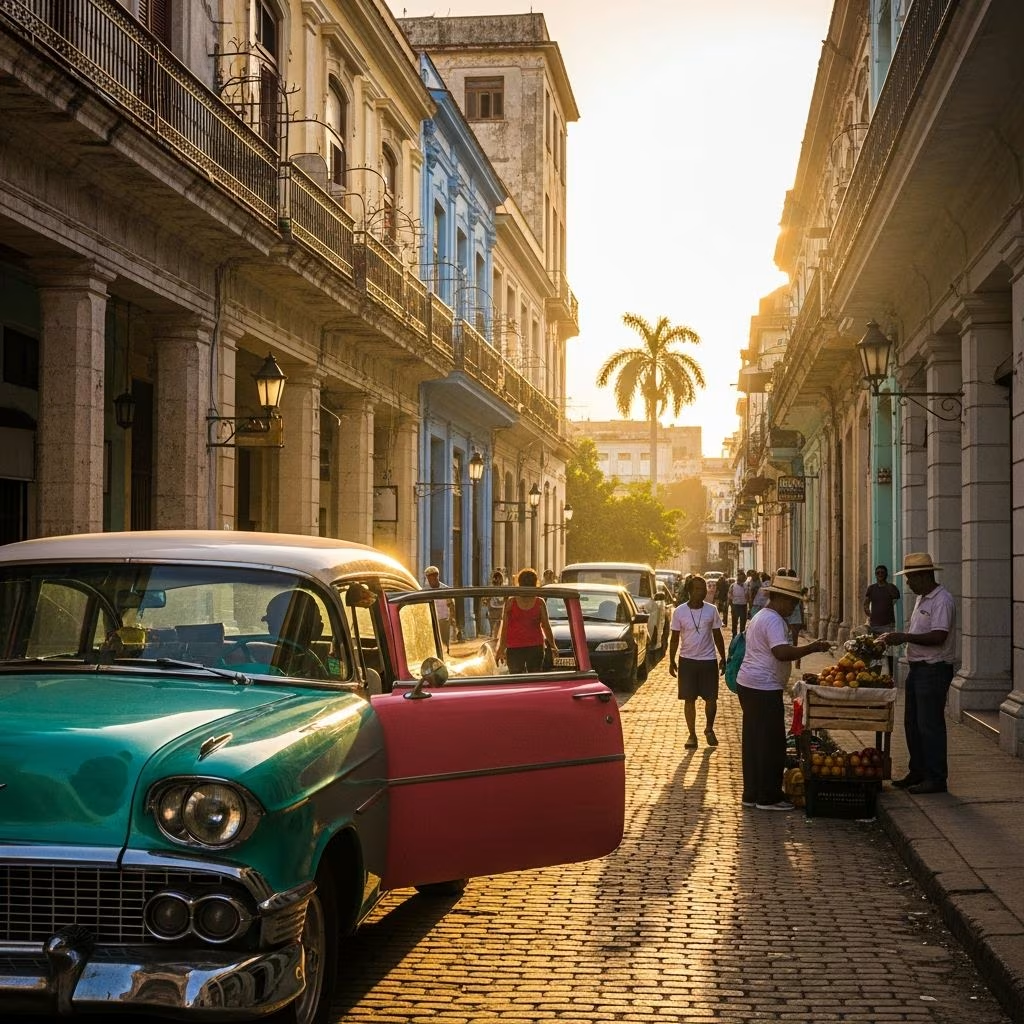
Old Havana represents the city’s historical center and primary tourist destination. This UNESCO World Heritage site features four major plazas, each with distinctive character and attractions. The narrow, winding streets showcase colorful colonial architecture in various states of romantic decay, with laundry strung between balconies and street musicians performing impromptu concerts.
Plaza de la Catedral anchors the neighborhood with its baroque cathedral, while Plaza de Armas hosts a daily book market. Plaza Vieja offers excellent restaurants and galleries, and Plaza de San Francisco provides harbor views and maritime history context. This area buzzes with activity, especially during morning hours (7-9 AM) and early evening when both tourists and locals explore the streets.
Considerations: Old Havana accommodates significant tourist traffic, resulting in higher prices and occasional pressure from vendors. However, this concentration makes it ideal for first-time visitors seeking walkable attractions.
Contrasting sharply with Old Havana’s historical preservation, Vedado showcases contemporary Cuban life with tree-lined streets, universities, art spaces, and vibrant nightlife. This neighborhood hosts Revolution Square with its iconic Che Guevara mural on the Ministry of Interior building, offering powerful visual symbolism and important historical context for understanding modern Cuba.
Vedado provides access to live music venues, contemporary galleries, and upscale dining options. The Hotel Nacional’s terrace offers excellent mojitos and city views, while Fábrica de Arte Cubano represents Havana’s coolest cultural space—a factory-turned-art-venue featuring galleries, performances, and DJ sets Thursday through Sunday.
Best for: Travelers prioritizing nightlife, contemporary art, and less touristy dining experiences.
Miramar offers upscale dining and residential charm, while Centro Habana represents working-class neighborhoods with authentic local character but fewer tourist amenities. Callejón de Hamel showcases Afro-Cuban art and culture, particularly vibrant on Sundays when rumba performances occur.
Havana’s social dynamics reflect Cuba’s unique historical and political context. Understanding cultural expectations prevents misunderstandings and enriches your interactions with locals.
While Havana’s decaying architecture and everyday scenes tempt photographers, always ask permission before photographing individuals. Many residents, particularly in less touristy areas, feel protective of their privacy and dignity. Revolutionary monuments and government buildings require careful judgment regarding photography.
Cubans appreciate genuine conversation and are generally open to discussing their country’s history and culture. However, political conversations should proceed with sensitivity and respect. Most Cubans have complex, nuanced perspectives on their government and society that don’t reduce to simple statements.
Havana maintains a relatively relaxed dress code for tourists. However, dressing respectfully in modest clothing when visiting religious sites or government buildings shows appropriate consideration. Extremely casual or revealing beachwear belongs only at actual beaches, not city exploration.
Navigating Havana effectively requires understanding available transportation options and practical considerations for movement throughout the city.
Havana’s famous American vintage automobiles represent perhaps the most memorable transportation experience. Tourist-oriented classic car tours, typically costing $31-$52 per hour in restored convertibles, offer scenic drives through different neighborhoods while providing driver narration and photo opportunities. These experiences capture Havana’s distinctive character but function primarily as tourist attractions rather than practical transportation.
Havana’s dining scene offers tremendous variety across price points and authentic levels. Understanding dining options helps you balance budget constraints with authentic experiences.
Private paladares represent Havana’s most affordable and authentic dining experiences, offering genuine Cuban cuisine prepared by families in their homes. Prices typically run $3-$8 for complete meals. Popular paladares like San Cristóbal and Doña Eutimia attract both locals and knowledgeable tourists, offering excellent value and genuine hospitality.
Tourist-oriented restaurants concentrate in Old Havana and Vedado, offering reliable international standards but at premium prices. These establishments ensure consistent quality and sanitary standards, though personality varies significantly. Street food vendors and casual eateries provide budget alternatives but require judgment regarding food safety.
Havana features excellent seafood restaurants, particularly lobster specialists in Miramar and Vedado. Traditional Cuban cuisine emphasizes rice, beans, plantains, and seasoned meats. Mojitos and daiquiris represent iconic Cuban beverages; Bodeguita del Medio and El Floridita serve as historic cocktail institutions, though their fame creates touristy atmospheres and elevated prices.
Havana maintains reasonable safety standards for tourists in well-traveled areas. However, petty theft occurs, particularly in crowded markets and transit hubs. Standard precautions—avoiding flashy displays of wealth, not walking alone late at night in unfamiliar neighborhoods, keeping valuables secure—apply as with any major city.
Water quality in central tourist areas is generally acceptable for tourists; however, many visitors prefer bottled water. Healthcare facilities exist but quality varies; travel insurance covering medical evacuation is highly recommended for international visitors.
Mobile phone connectivity has expanded significantly, though service costs remain expensive for international roaming. Purchasing a local SIM card from ETECSA provides more affordable options. Internet access concentrates in hotels and some tourist areas; speeds remain relatively slow by international standards.
ATMs accepting international cards exist in tourist areas but may not be universally reliable. Bringing adequate cash in US dollars or euros provides security; US currency exchanges at favorable rates. Credit cards rarely function outside major hotels and restaurants. Many transactions require cash negotiation and settlement.
Timing your visit around cultural events enhances Havana’s appeal. The Havana Jazz Festival in January features international acts across multiple venues. The Havana Carnival showcases extensive musical performances and cultural celebration. International Salsa Festival events occur throughout the year, with particular emphasis during summer months.
Seasonal weather affects comfort; the rainy season (May-November) brings afternoon downpours and occasional hurricanes. Peak tourist season (December-March) brings crowds and higher prices but ensures pleasant weather and numerous cultural events.
December through March offers optimal weather, minimal rainfall, and cultural events, though crowds peak during these months. October and November provide fewer tourists with acceptable weather conditions.
Budget-conscious travelers can manage on $40-$60 daily, while mid-range visitors typically spend $80-$120. Premium dining and entertainment push budgets toward $150+.
Yes, Havana is generally safe for solo travelers who exercise reasonable caution. Female travelers report positive experiences with standard urban safety practices. Avoid isolated areas late at night and maintain situational awareness in crowded tourist areas.
US dollars exchange readily at good rates but some establishments prefer other currencies. Bring US dollars as backup, but convert to local currency for daily transactions.
Paladares are private family restaurants offering authentic cuisine at budget prices; state restaurants maintain more formal service and higher prices but guarantee consistent standards.
Preparing thoroughly for your Havana visit transforms the experience from challenging adventure to enriched cultural exploration. Understanding economic realities, neighborhood character, cultural norms, and practical logistics allows genuine engagement with this remarkable city and its warm, resilient inhabitants. Havana rewards curious, respectful travelers with unforgettable memories and authentic connections.
