
 Stays
StaysStays
Hawaii Launches First U.S. Climate Tax on Tourist Stays
Hawaii introduces a 0.75% increase in lodging taxes starting 2026, targeting hotels and rentals to raise $100M yearly for climate resilience amid rising seas and wildfires.
 Stays
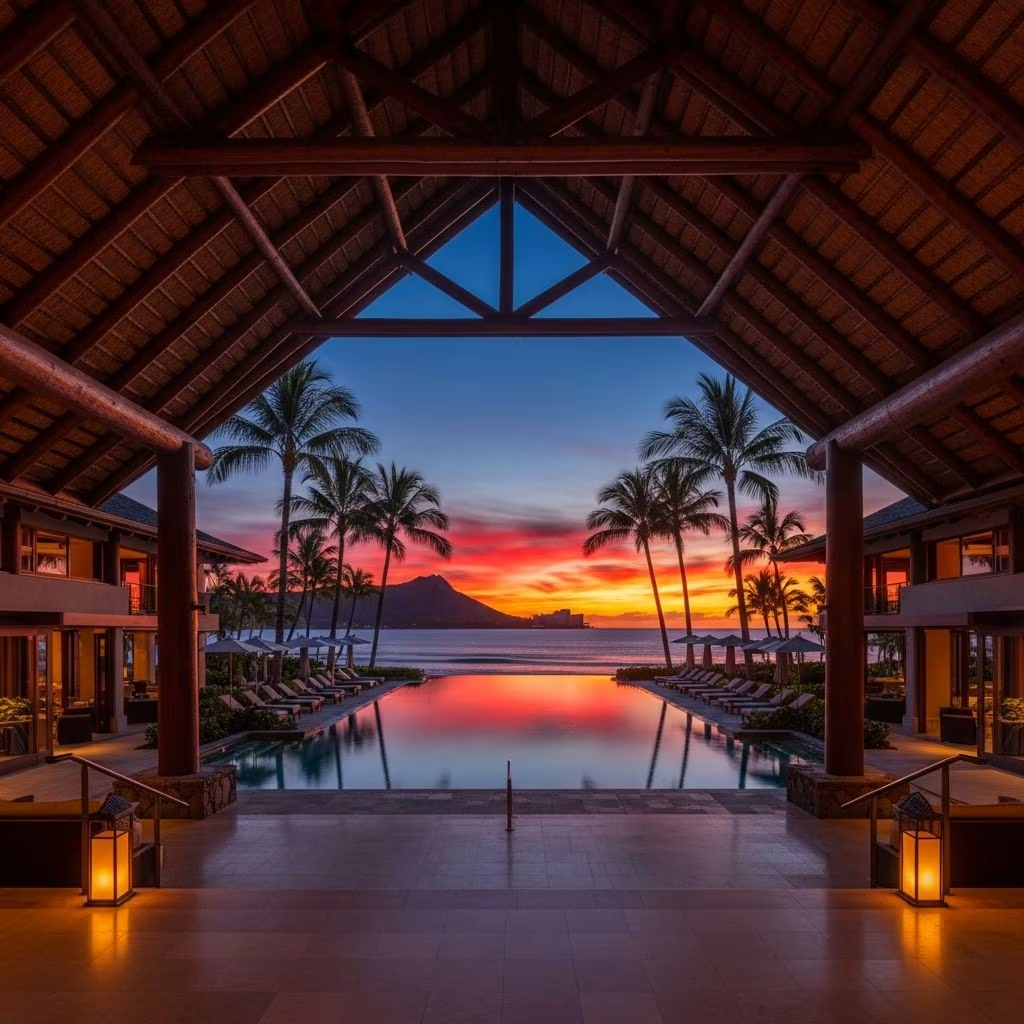
StaysHawaii has become the first U.S. state to implement a dedicated climate tax on tourist accommodations, marking a significant step in addressing environmental challenges through visitor contributions. This measure raises the state’s Transient Accommodations Tax (TAT) by 0.75% to 11%, effective January 1, 2026, applying to hotels, vacation rentals, timeshares, and similar short-term stays under 180 days.
The Drive Behind Hawaii’s Climate Levy
Hawaii’s paradise-like islands face escalating threats from climate change, including coastal erosion, intensified wildfires, rising sea levels, and altered rainfall patterns. The devastating 2023 Maui wildfires, which claimed 102 lives and razed Lahaina, underscored the urgency for proactive measures. Officials estimate this new tax will generate approximately $100 million annually, directed toward resilience projects without burdening local residents.
Governor Josh Green championed the legislation (SB1396/HB1077), describing it as a “generational commitment” to protecting the ‘āina—the Hawaiian term encapsulating the profound bond between people and land. The bill passed with strong bipartisan support in the state legislature, reflecting broad consensus on leveraging tourism revenue for sustainability.
Breakdown of the Tax Structure
The climate tax builds on Hawaii’s existing lodging fees, creating one of the nation’s highest combined rates for visitors. Here’s a clear overview:
| Tax Type | Rate | Applies To | Effective Date |
|---|---|---|---|
| State TAT (pre-increase) | 10.25% | Hotels, vacation rentals, timeshares | Current |
| New Climate Increase | +0.75% | Same as above | Jan 1, 2026 |
| Total State TAT | 11% | Same as above | Jan 1, 2026 |
| County TAT | 3% | Short-term stays | Current |
| General Excise Tax | 4.712% | All goods/services | Current |
| Total Estimated | ~18.712% | Lodging | Post-2026 |
| Cruise Ship Tax | 11% (prorated) | Daily port stays | July 2026 |
For a $400 nightly hotel room, the added 0.75% equates to about $3 extra per night, a modest increment relative to Hawaii’s high accommodation costs.
Targeted Investments for Island Resilience
Unlike initial proposals for a segregated fund, revenues enter the general fund, with legislative directives prioritizing climate-focused initiatives. Key allocation areas include:
- Coastal Defense: Beach nourishment at sites like Waikiki, combating erosion from sea-level rise.
- Wildfire Mitigation: Clearing invasive grasses and installing hurricane clips on roofs, lessons from Lahaina.
- Ecosystem Preservation: Protecting native forests, reefs, trails, and species vulnerable to droughts and storms.
- Climate Adaptation: Infrastructure upgrades for shifting weather patterns and tourism’s environmental footprint.
This approach ensures funds address both immediate disasters and long-term sustainability, fostering economic stability through preserved natural attractions.
Tourism’s Role and Industry Response
Hawaii welcomes nearly 10 million visitors yearly, whose travel contributes to carbon emissions exacerbating local climate issues. Proponents argue tourists should share the cost of maintaining the islands’ allure. Initially, a higher tax was floated, but after industry pushback, it was scaled to 0.75% to balance environmental needs with tourism viability.
The hospitality sector expressed concerns over competitiveness, given Hawaii’s already steep lodging taxes. Lawmakers mitigated this by aligning cruise taxes with land-based rates, ensuring fairness across accommodations.
Comparative Global Green Fees
Hawaii’s initiative aligns with worldwide trends where destinations impose visitor levies for conservation. Consider these examples:
| Destination | Fee Amount | Purpose | Annual Revenue |
|---|---|---|---|
| Bhutan | $100/night (high-value, low-volume) | Sustainable development | N/A |
| Venice, Italy | €5/day (peak season) | Overtourism management | €25M target |
| New Zealand | NZ$35/visitor | Conservation, tracking | NZ$165M (2024) |
| Amsterdam | €3-12/night | Liveability, housing | €100M+ |
| Hawaii (new) | 0.75% of room rate | Climate resilience | $100M est. |
These models demonstrate how targeted fees can fund protections without deterring essential tourism.
Expected Economic and Environmental Outcomes
Projections indicate the tax won’t significantly dampen visitor numbers, as Hawaii’s unique appeal—volcanic landscapes, marine biodiversity, cultural heritage—remains unmatched. The $100 million influx could catalyze jobs in green infrastructure, from ecologists to construction workers focused on resilience.
Environmentally, investments promise tangible gains: restored beaches sustain tourism revenue, healthier forests reduce wildfire risks, and resilient reefs support fisheries and diving economies. This creates a virtuous cycle where protected environments attract more visitors, funding further safeguards.
Implementation Timeline and Compliance
- January 1, 2026: TAT rises to 11% for land-based lodging.
- July 1, 2026: Cruise ship tax activates, prorated by port days.
- Ongoing: Annual legislative reviews ensure funds target approved climate projects.
Hotels and platforms like Airbnb must update billing systems; non-compliance risks penalties. Visitors will see the hike itemized on invoices, promoting transparency.
Potential Challenges and Future Expansions
Challenges include enforcement on informal rentals and monitoring fund usage amid political shifts. Success hinges on public trust that revenues prioritize ecology over general spending. Looking ahead, Hawaii may expand the model to air travel or activities, mirroring global peers.
Stakeholder engagement, including tourism operators and communities, will be crucial for buy-in and efficacy.
Frequently Asked Questions (FAQs)
Who pays the new Hawaii climate tax?
All visitors staying in short-term accommodations like hotels, vacation rentals, and timeshares for less than 180 days. Locals and long-term residents are exempt.
How much will it add to my hotel bill?
About $3 extra on a $400 room, scaling with the nightly rate via the 0.75% increase.
What happens to the money collected?
It supports climate projects like beach restoration, wildfire prevention, and native habitat protection, per legislative guidelines.
Will this make Hawaii travel too expensive?
Hawaii already has high lodging taxes (~18% total post-increase), but the appeal of its natural wonders is expected to sustain demand.
Is this tax permanent?
Yes, unless altered by future legislation; it’s designed for ongoing climate funding.
Do cruise ships pay too?
Yes, a new 11% tax prorated for port days starts July 2026, aligning with land taxes.
References
- Hawaii increases hotel tax to help state cope with climate change — ABC News. 2025-05-27. https://abcnews.com/US/hawaii-increases-hotel-tax-state-cope-climate-change/story?id=121517414
- Hawaii Enacts Landmark Law to Fund Climate Action Through Tourism — National Caucus of Environmental Legislators. 2025-05-27. https://www.ncelenviro.org/articles/hawaii-enacts-landmark-law-to-fund-climate-action-through-tourism/
- Hawaii’s first-in-the-nation climate change tourist tax expected to generate nearly $100M annually — ABC7. 2025-05-27. https://abc7.com/post/hawaii-enacts-new-tax-hotel-rooms-vacation-rentals-help-cope-climate-change/16588785/
- Hawaii: Lodging Tax For Climate Action — YouTube (News Clip). 2025. https://www.youtube.com/watch?v=zNv0XNtrR14
- Hawaiʻi Makes History As First State To Charge Tourists To Protect The Environment — Honolulu Civil Beat. 2025-05-27. https://www.civilbeat.org/2025/05/hawaii-becomes-first-state-to-charge-tourists-to-protect-the-environment/
On This Page
The Drive Behind Hawaii's Climate Levy Breakdown of the Tax Structure Targeted Investments for Island Resilience Tourism's Role and Industry Response Comparative Global Green Fees Expected Economic and Environmental Outcomes Implementation Timeline and Compliance Potential Challenges and Future Expansions Frequently Asked Questions (FAQs)← Previous
FTC Junk Fees Rule: Hotel Pricing Must Be Transparent
Next →
Best Hotels in Playa del Carmen: Luxury, All-Inclusive & Budget Picks
Related Reading