

 Travel Essentials
 Travel Essentials

Uncover Bucharest's most captivating off-the-beaten-path attractions, from historic neighborhoods to urban nature reserves and artistic landmarks.
 Travel Essentials
Bucharest, Romania’s vibrant capital, offers far more than what appears in conventional guidebooks. While many visitors focus on major landmarks, the city harbors an impressive collection of authentic experiences that reveal its true character and layered history. From meticulously preserved architectural districts to unexpected natural sanctuaries nestled within urban sprawl, Bucharest rewards curious travelers who venture beyond well-trodden routes.
The city’s appeal lies not solely in monumental attractions but in the intricate details found within residential neighborhoods, cultural institutions, and repurposed spaces. Local guides and experienced travelers frequently recommend exploring these lesser-known areas to gain meaningful insight into contemporary Romanian life alongside historical narratives.
Beyond the city center, several residential areas showcase remarkable architectural evolution spanning multiple decades. These neighborhoods function as living museums where different stylistic periods coexist, illustrating Romania’s complex cultural trajectory.
Tree-lined avenues in certain neighborhoods contain impressive collections of residential villas representing distinct architectural movements. These structures, predominantly constructed between the 1880s and 1930s, demonstrate influences ranging from art deco principles to Neo-Romanian revival aesthetics and modernist experimentation. The preservation of these dwellings offers visitors glimpses into upper-class residential life during periods preceding communist-era development.
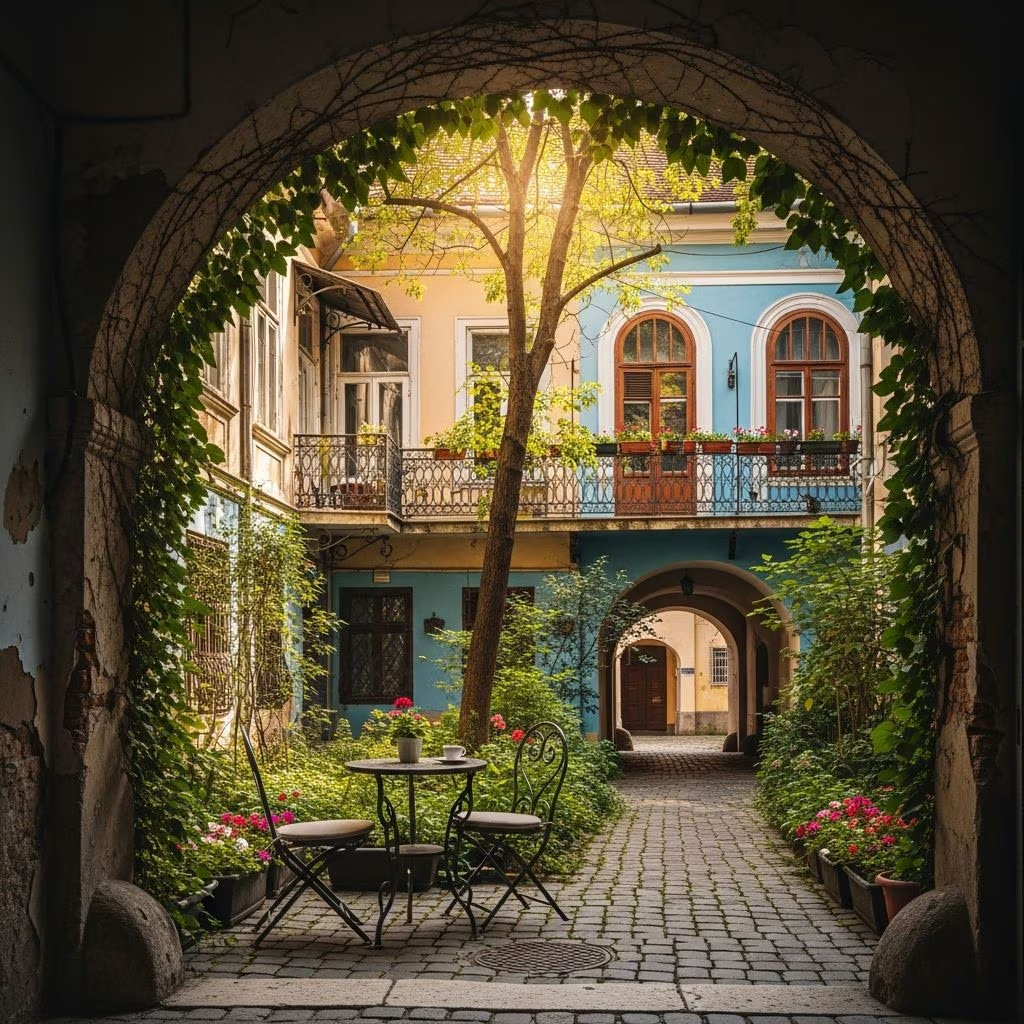
Walking through these districts provides opportunities to observe decorative details including wrought-iron railings, ornamental facades, and garden designs that reflect owner preferences and period aesthetics. Many villas feature courtyards that create peaceful urban refuges, though most remain private residences. The architectural consistency throughout these neighborhoods creates a cohesive atmosphere distinct from downtown commercial areas.
Photography enthusiasts and architecture students frequently visit these areas to document design elements and study period-specific construction techniques. The quiet streets and lower pedestrian traffic compared to central areas allow for contemplative exploration.
Cemeteries throughout history have functioned as repositories of cultural memory and artistic expression. Bucharest’s principal burial ground, established in 1858, exemplifies this tradition through its vast collection of commemorative structures.
The cemetery contains approximately 300 significant monuments representing diverse artistic approaches to commemoration. These structures range from elaborate sculptural compositions to architecturally innovative mausolea, each reflecting the deceased’s social status, family resources, and prevailing aesthetic preferences during their construction.
The grounds themselves function as an outdoor sculpture gallery, with pathways guiding visitors through centuries of stylistic evolution. Prominent residents, cultural figures, and military leaders occupy designated sections, their monuments often featuring inscriptions detailing accomplishments and biographical information.
Visitors benefit from understanding historical context before exploring the grounds. The cemetery’s layout follows organizational principles that separate different eras and social classes, creating distinct zones within the overall space. Spring and autumn seasons provide optimal conditions for exploration, with comfortable temperatures and favorable lighting conditions for observation and photography.
The experience offers meditation opportunities absent in commercial tourist venues. Many visitors report finding the atmosphere contemplative rather than somber, with natural surroundings and artistic merit creating peaceful reflection spaces.
Bucharest’s most surprising attraction may be its unexpected nature reserve situated within city limits. What began as an incomplete infrastructure project evolved into a thriving ecosystem supporting diverse wildlife populations.
During Romania’s communist period, authorities initiated construction of a 6-kilometer dam structure intended to serve urban water management functions. Following the 1989 political transition, this project remained abandoned. Over subsequent decades, natural processes gradually transformed the neglected construction site into a functioning wetland ecosystem spanning 183 hectares.
The space now supports populations of migratory birds, fish species, and aquatic vegetation previously uncommon within city boundaries. Boardwalks and designated pathways allow visitor access while protecting sensitive ecological zones. Naturalists and bird watchers recognize the park as a valuable site for species observation and environmental study.
The urban delta provides recreational opportunities including guided nature walks and photography expeditions. Educational programs offered through environmental organizations enhance visitor understanding of ecosystem dynamics and species adaptation to urban environments. The transformation demonstrates how abandoned infrastructure can transition toward ecological restoration when left undisturbed.
The location offers distinctive experiences unavailable in conventional urban parks. Visitors encounter wetland wildlife while remaining within city boundaries, creating an incongruous yet compelling juxtaposition of nature and urban development.
Throughout Bucharest’s neighborhoods, small-scale establishments operate largely unknown to international tourists. These venues frequently feature distinctive design aesthetics, locally-sourced offerings, and personalized service emphasizing individual proprietor vision.
Certain cafes distinguish themselves through unconventional decor incorporating artistic elements, vintage furnishings, and quirky design choices. These establishments frequently offer comfortable seating areas, outdoor garden spaces featuring shade structures, and complimentary creative materials encouraging customer participation in artistic activities.
Rooftop bars and elevated venues present panoramic perspectives of architectural landmarks and street-level activity. While requiring physical effort to access via stairways, these locations reward visitors with distinctive visual angles and atmospheric drinking experiences unavailable at ground-level establishments.
Garden-based hospitality venues create oasis-like environments through strategic landscaping, hammocks, abundant seating options, and tropical plant installations. These spaces provide daytime refuges for relaxation and conversation, distinctly different from standard commercial establishments.
Local recommendations frequently direct visitors toward these independent venues rather than chain establishments or overly touristic destinations. Proprietors typically welcome conversational engagement and personalized recommendations, often sharing neighborhood knowledge and cultural insights.
| Experience Type | Best Season | Duration | Accessibility |
|---|---|---|---|
| Architectural Districts | Spring/Autumn | 2-3 hours | Walking accessible |
| Cemetery Exploration | Spring/Autumn | 2-4 hours | Moderate walking |
| Nature Park Visits | Spring/Summer | 1-3 hours | Boardwalk access |
| Rooftop Venues | Year-round | 1-2 hours | Stair climbing required |
| Garden Cafes | Spring-Autumn | 2-4 hours | Fully accessible |
These venues and locations emphasize authentic cultural engagement, local perspectives, and genuine community spaces rather than commercialized entertainment designed specifically for visitor consumption. Many operate independently without significant tourism infrastructure, maintaining original character and local clientele.
While independent exploration is certainly possible, local guides provide valuable historical context, architectural knowledge, and cultural interpretation that enhances understanding. Guides often facilitate access to otherwise restricted areas and offer insights unavailable through standard research.
English proficiency among younger Romanians and hospitality professionals generally facilitates basic communication. However, engaging with older residents or accessing detailed historical information may require translation assistance or advance research.
Walking remains the optimal approach for observing architectural details and discovering unexpected venues. Public transportation efficiently connects major areas, while cycling offers reasonable alternatives for covering greater distances while maintaining observational capacity.
Photography should focus on architectural elements and public spaces rather than private residences or individuals. Maintaining quiet demeanor, observing posted signage, and refraining from trespassing ensures respectful neighborhood presence.
Bucharest’s climate and seasonal characteristics significantly influence visitor experiences. Spring seasons showcase gardens and parks during peak flowering periods, creating visually striking environments. Autumn brings comfortable temperatures and golden-hour lighting that enhances architectural photography. Winter may present accessibility challenges in certain areas while offering distinctive atmospheric qualities.
Tourist volume fluctuates seasonally, with peak periods during summer and autumn attracting larger visitor populations. Visiting during shoulder seasons provides reduced crowding while maintaining favorable weather conditions.
These experiences complement rather than replace established attractions. Visitors might allocate mornings to cemetery exploration, afternoons to architectural district walking, and evenings to rooftop venue visitation. This structured approach allows efficient coverage while maintaining energy and interest throughout extended visits.
Regional day-trip opportunities extend experiences beyond city boundaries, allowing visitors to contextualize Bucharest within broader Romanian geography and culture. However, the city itself provides sufficient diverse attractions to sustain multi-day engagement without external excursions.
