


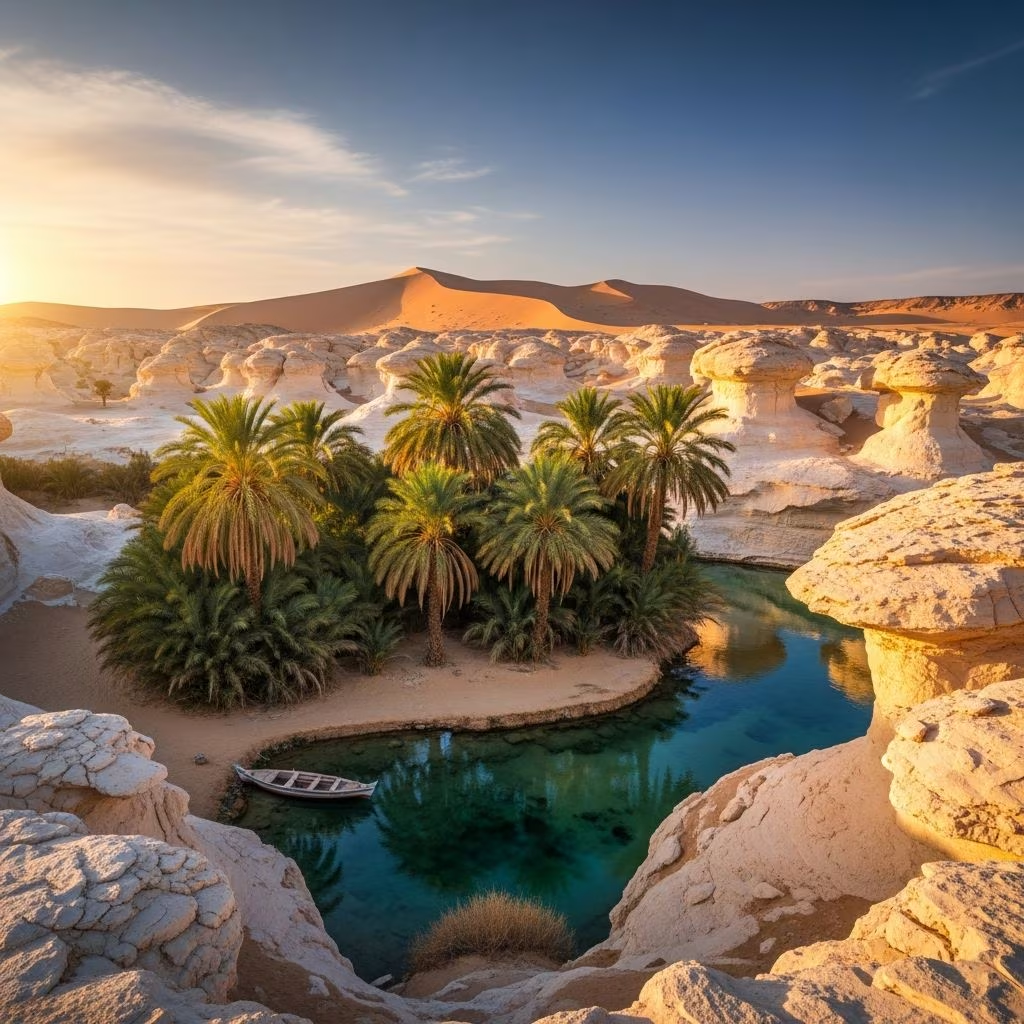
Egypt’s reputation as a travel destination often centers on its most iconic landmarks. Millions of visitors flock annually to photograph the pyramids, navigate crowded temple complexes, and cruise the Nile’s popular stretches. However, beneath this well-worn tourist infrastructure lies a wealth of lesser-known destinations that offer equally compelling—and often more intimate—encounters with Egypt’s remarkable history and natural beauty. These alternative locations provide discerning travelers with opportunities to experience authentic Egypt while avoiding the overwhelming masses that define mainstream tourism.
Reimagining Archaeological Exploration
While the Pyramids of Giza dominate Egypt’s archaeological imagination, numerous sites possess comparable historical significance with substantially fewer visitors. These alternatives allow travelers to engage with ancient Egypt’s complexity and grandeur without the sensory overload of major tourist attractions.
Ancient Necropolis Away from the Crowds
The necropolis at Saqqara represents one of Egypt’s most underutilized archaeological treasures. This sprawling complex contains dozens of pyramids spanning multiple dynasties, revealing the evolution of pyramid construction from the earliest experiments to later refinements. The site includes the famous Step Pyramid of Djoser, whose innovative design influenced subsequent monuments. What distinguishes Saqqara is its vastness—the necropolis covers extensive territory, allowing visitors to wander through centuries of burial architecture with minimal crowding. The site’s accessibility encourages deeper exploration and longer engagement with individual structures.
Temple Complexes Beyond the Major Sites
Travelers interested in temple architecture often concentrate on Karnak’s massive complexes. However, Abydos offers equally impressive religious structures with considerably less tourist infrastructure. This temple city holds profound spiritual significance in ancient Egyptian religion, hosting ceremonies and rituals that shaped the civilization’s religious landscape. The temples here showcase architectural sophistication and artistic detail comparable to more famous counterparts, yet the experience remains substantially more contemplative due to reduced visitor numbers.
Palaces and Residential Spaces
Understanding how Egypt’s elite lived provides crucial context for the civilization’s broader history. While most visitors focus on tombs and temples, residential architecture reveals daily life, domestic arrangements, and personal aesthetics of historical figures.
Urban Palace Exploration
Manial Palace stands as Cairo’s most significant residential historical site, yet many tourists overlook it in favor of more celebrated monuments. This early 20th-century palace reflects centuries of architectural and decorative traditions while providing insight into royal domestic life. The structure combines Islamic architectural elements with Ottoman influences and European aesthetics, creating a unique cultural hybrid. Walking through its chambers, courtyards, and galleries reveals the material culture and aesthetic sensibilities of a ruling family.
Desert Experiences and Oasis Settlements
Egypt’s desert regions represent perhaps the most underexplored aspect of the country’s geography and culture. These areas host communities with distinct traditions, remarkable geological formations, and experiences of profound solitude.
The Remote Siwa Oasis
Positioned near Egypt’s border with Libya, Siwa Oasis represents a world substantially removed from Egypt’s Nile Valley population centers. This geographically isolated community maintains unique cultural practices, a distinctive Berber dialect, and a self-contained society that developed independently from mainstream Egyptian civilization. The oasis features natural salt lakes renowned for therapeutic properties, ancient fortified settlements that controlled regional trade routes, and archaeological remnants including the Temple of the Oracle. Visitors can explore the Mountain of the Dead’s ancient burial chambers, visit Cleopatra’s Bath—a natural hot spring with historical associations—and experience Saharan desert adventure through off-road expeditions and sunset tea ceremonies with local Bedouin guides.
Northern Coastal Alternatives
Marsa Matrouh on the Mediterranean coast offers crystalline waters and beach experiences distinct from the Red Sea’s more developed resort infrastructure. This Mediterranean town, favored by Egyptian families during local holiday seasons, provides authentic coastal atmosphere without the international resort standardization common elsewhere. The town’s beaches feature genuine turquoise water ideal for swimming and water activities while maintaining a distinctly local character.
White Desert Geological Wonders
The White Desert, located southwest of Cairo, presents otherworldly geological formations that seem transplanted from an alien landscape. Distinctive mushroom-shaped limestone formations, created through eons of wind erosion, cover the terrain in surreal arrangements. Nearby, a mountain composed entirely of quartz crystals glimmers in sunlight, while the Black Desert’s dark volcanic mounds create stark chromatic contrast. These formations represent some of Earth’s most unusual geology, offering experiences fundamentally different from Egypt’s historical and cultural attractions.
Waterway Adventures and River Alternatives
The Nile represents Egypt’s lifeblood, yet traditional tourist cruises concentrate on specific stretches and established stops. Alternative river experiences provide different perspectives on this legendary waterway.
Traditional Felucca Sailing Experiences
Feluccas—traditional wooden sailing vessels with distinctive triangular sails—have navigated Egyptian waters for centuries. While sunset sails through Cairo and Luxor offer pleasant experiences, overnight and multi-night felucca expeditions provide genuine immersion in river culture. These journeys allow travelers to observe Nile-side communities from the water’s perspective, experience river rhythms at different times of day, and develop deeper connections with the landscape. Arranging trips through established operators employing experienced Nubian captains ensures both safety and cultural authenticity.
Marine Expeditions in Coastal Waters
Egypt’s Red Sea coast hosts world-class diving and snorkeling opportunities centered on spectacular coral reef ecosystems. The SS Thistlegorm shipwreck dive site represents one of the Red Sea’s most legendary underwater attractions, offering technical diving challenges and historical intrigue. The Blue Lagoon near Dahab provides accessible snorkeling in crystalline waters featuring vibrant marine life and colorful coral formations. These marine experiences showcase Egypt’s underwater biodiversity and geological formations distinct from terrestrial attractions.
Cultural Immersion and Urban Exploration
Beyond Bazaar Tourism
While Khan Al-Khalili bazaar in Cairo ranks among the Middle East’s most visited markets, authentic cultural engagement requires moving beyond surface-level shopping tourism. Exploring traditional coffee shops like El Fishawy—operating for over a century within the bazaar—provides genuine cultural atmosphere and opportunity to observe local social rituals. Walking El Moezz Street, a thousand-year-old open-air museum of Islamic architecture, reveals layers of Cairo’s urban development and architectural evolution. These experiences, when approached with cultural sensitivity and genuine curiosity, offer windows into contemporary Egyptian life and historical continuity.
Culinary Exploration as Cultural Gateway
Egyptian cuisine represents an often-overlooked dimension of cultural exploration. Engaging with food through guided street food tours, learning about traditional spices at markets, and dining at establishments emphasizing slow preparation methods and local ingredients provides multisensory cultural engagement. Restaurants offering specialized culinary experiences, such as establishments emphasizing hand-eating traditions and organic ingredients prepared through traditional methods, combine gastronomy with cultural ritual.
Practical Considerations for Alternative Destination Travel
Transportation and Accessibility
Remote destinations require different logistical approaches than mainstream tourist sites. Establishing clear travel arrangements in advance, utilizing reputable local operators, and building extra time into itineraries accounts for less-developed infrastructure. Some destinations, such as Ras Abu Galum accessible primarily by boat or technical rock climbing, require specific preparation and physical capability.
Resource Planning
Remote areas may have limited food, water, and commercial services. Travelers should bring necessary supplies, particularly in desert regions where provisions prove scarce. Alcohol availability varies considerably by location and cultural context, requiring advance research and preparation. Establishing relationships with knowledgeable local guides enhances safety, cultural understanding, and overall experience quality.
Seasonal Factors
Egypt’s climate presents substantial variations. Desert heat reaches extreme levels during summer months, making spring and autumn preferable for outdoor activities. Coastal areas remain comfortable year-round, though winter provides optimal conditions. Oasis and desert destinations prove most accessible during cooler months when temperatures permit extended outdoor exploration.
Frequently Asked Questions
- What makes these destinations less crowded than mainstream tourist sites?
- Limited tourism infrastructure, geographical remoteness, and smaller advertising budgets result in lower visitor numbers. These factors combine to preserve more authentic local conditions and reduce visitor pressure on resources and cultural sites.
- Is traveling to remote Egyptian destinations safe?
- With appropriate precautions, research, and local guidance, alternative destinations prove as safe as mainstream tourist areas. Utilizing established operators, maintaining awareness of local conditions, and following official travel advisories ensures secure experiences.
- How should I arrange transportation to lesser-known sites?
- Research reputable local tour operators, consult official tourism resources, and establish arrangements well in advance. Many remote destinations require specialized guides and vehicles suited to terrain conditions.
- What is the best time to visit Egypt’s desert regions?
- Autumn through spring offers optimal conditions, with temperatures remaining comfortable for outdoor activities. Summer heat reaches dangerous levels in desert areas, making these months less suitable for extensive exploration.
- Can I visit alternative sites independently or do I require guides?
- While some sites permit independent exploration, local guides significantly enhance experiences through contextual knowledge, safety assurance, and cultural mediation. Guides prove particularly valuable in remote areas with minimal infrastructure.
Conclusion: Expanding Egypt’s Travel Possibilities
Egypt’s tourist infrastructure has traditionally concentrated on a limited number of destinations, creating well-worn paths that millions follow annually. However, this geographical concentration obscures the country’s broader historical, cultural, and natural richness. Alternative destinations offer equally compelling encounters with ancient civilizations, offer distinctive natural wonders, and provide authentic engagement with contemporary Egyptian communities. By venturing beyond established tourist circuits, travelers access deeper understanding of Egypt’s complexity while contributing more equitably to local communities throughout the country. These hidden destinations represent not merely alternatives to mainstream tourism but legitimate destinations worthy of exploration in their own right.
References
- 8 off-the-beaten path destinations in Egypt — Lonely Planet. https://www.lonelyplanet.com/articles/egypt-off-beaten-track
- Egypt Off the Beaten Path – The Village Experience — Experience the Village. https://experiencethevillage.com/travel/egypt-off-the-beaten-path/
- Egypt for the Adventurer: Off the Beaten Path — Fora Travel. https://www.foratravel.com/guides/W2VWQC/egypt-for-the-adventurer-off-the-beaten-path-aprille-muscara
- Egypt off the beaten track: My top 7 favorite places — Against the Compass. https://againstthecompass.com/en/egypt-off-the-beaten-track/
- Egypt – Beyond the Bucketlist — Beyond the Bucketlist. https://beyondthebucketlist.co/egypt/

