

 Travel Essentials
 Travel Essentials

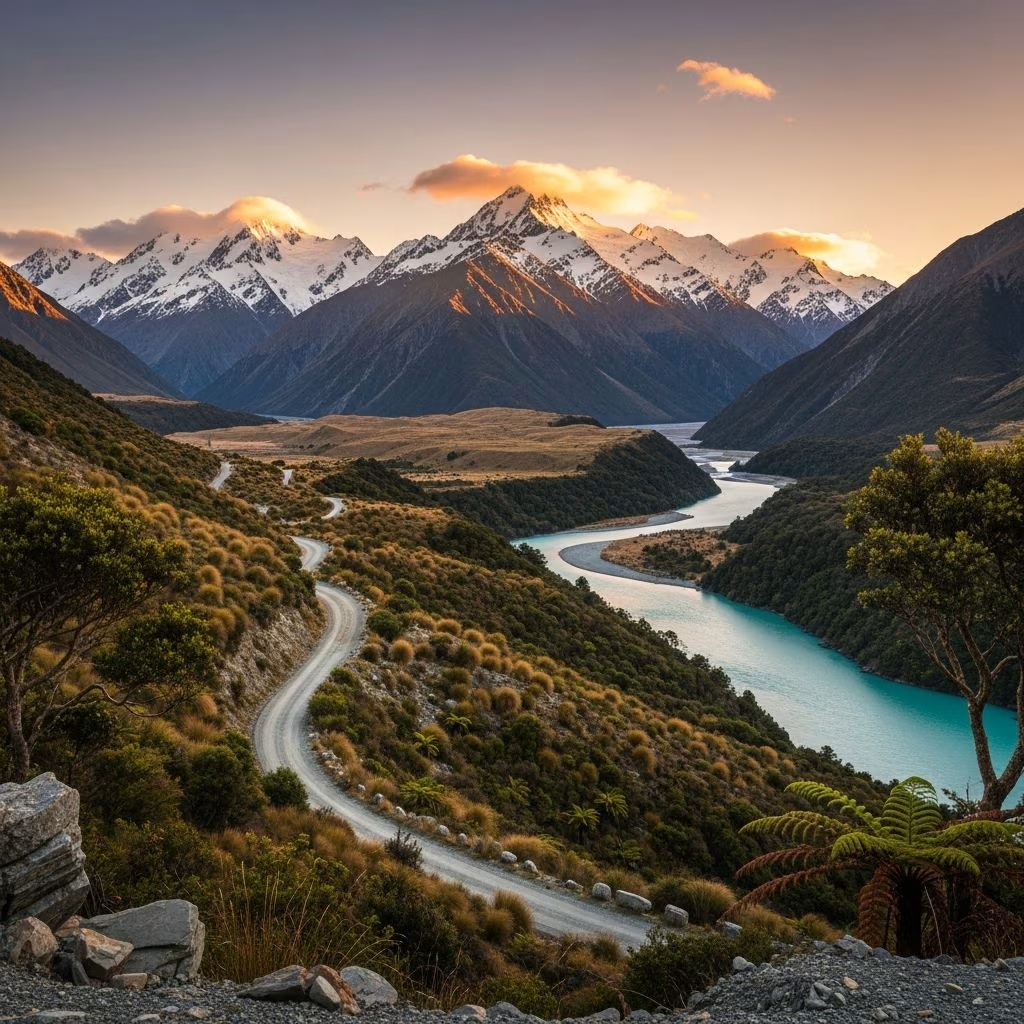
Discover authentic New Zealand destinations and experiences that bypass major tourist attractions, offering genuine local culture and natural beauty.
 Travel Essentials
New Zealand’s most memorable travel experiences often lie far from the crowded tourist hubs. While destinations like Queenstown, Rotorua, and Auckland attract millions of visitors annually, the nation’s true character emerges in its quieter corners where locals spend their leisure time. For travelers seeking genuine connection with the landscape and communities, venturing beyond conventional tourist circuits reveals a country of remarkable depth and authenticity.
The distinction between tourist New Zealand and local New Zealand is profound. Major destinations follow well-worn paths, with rental cars circulating between established attractions and accommodations catering to international expectations. In contrast, locals navigate according to seasonal rhythms, personal connections, and an intimate knowledge of the land that only comes from living within it.
This local knowledge reveals destinations that offer significantly different experiences. Rather than scheduled activities and crowded viewpoints, authentic local travel emphasizes natural exploration, community connection, and the simple pleasure of discovering landscapes without commercial infrastructure.
The northernmost region of New Zealand’s North Island maintains a distinctly local character despite its proximity to Auckland. Characterized by rolling farmland, dramatic cliff formations, and an extensive coastline of golden and black sand beaches, Northland appeals to those seeking tranquility without sacrificing natural beauty.
The region’s appeal stems from its lower population density and minimal commercial development. Small communities dotting the coastline provide essential services while maintaining their authentic character. The area attracts locals seeking weekend retreats rather than international tour groups, resulting in a fundamentally different atmosphere from more developed regions.
Key attractions in this region include:
Situated on the northwestern tip of the South Island, Golden Bay presents a unique cultural environment shaped by its geographic isolation and historical counterculture movement. The region’s single main road and sparse population create a sense of remoteness that deters casual tourist traffic.
During the 1970s, Golden Bay became a destination for individuals seeking alternative lifestyles, resulting in communities centered on meditation practices, sustainable living, and artistic expression. This heritage persists today, visible in local businesses, retreat centers, and annual cultural events that draw participants rather than spectators.
The landscape itself justifies the extended journey required to reach this area. Golden sand stretches create protected swimming conditions, while western beaches expose dramatic rock formations and powerful ocean swells. Visitors who venture here typically spend multiple days rather than hours, allowing sufficient time to experience the region’s distinctive blend of natural beauty and community culture.
Distinctive experiences in Golden Bay:
Positioned in the southeastern extremity of the South Island, the Catlins coast remains deliberately avoided by most international itineraries. The region lies beyond the major highway network, requiring deliberate travel choices to access. This geographic position has preserved the area’s pristine character and limited infrastructure.
The landscape showcases New Zealand’s geological history through accessible formations and natural phenomena. Coastal cliffs reveal layered rock strata, while beaches display preserved fossils and unusual geological features. The combination of natural attractions and minimal commercial development creates an environment where visitors experience the landscape’s raw power.
Communities within the Catlins maintain traditional relationships with the surrounding environment. Fishing villages, small farms, and family-owned businesses form the economic foundation rather than tourism infrastructure. Visitors encountering locals often receive recommendations based on genuine knowledge rather than marketing materials.
The central North Island contains regions frequently bypassed by travelers racing between northern and southern destinations. The Manawatū and Whanganui areas offer remarkable natural features, outdoor recreation, and authentic rural communities overlooked by mainstream tourism.
This region’s appeal lies in its dramatic topography and extensive network of walking trails. Gorges carved through ancient rock formations provide accessible day-walk opportunities, while longer trails penetrate native forest where visitors encounter minimal crowds. The landscape transitions between alpine meadows, native beech forest, and agricultural plains.
Communities in these regions maintain strong local identities independent of tourism. Regional museums, local galleries, and family restaurants reflect community interests rather than tourist preferences. Market days, agricultural events, and seasonal celebrations provide windows into rural New Zealand culture rarely experienced by international visitors.
Located in the Canterbury region near Christchurch, Selwyn District combines high-country experiences with productive agricultural land. The area serves as a gateway to alpine environments without requiring technical mountaineering skills or extreme fitness levels.
Local residents have developed extensive knowledge of walking trails, scenic drives, and lesser-known natural features throughout the district. This accumulated knowledge often goes unrecorded in commercial tourism materials, remaining accessible primarily through local recommendation. Day trips from Christchurch reveal surprising natural attractions that most tourists never discover.
Accommodation options range from basic campgrounds to luxury lodge experiences, catering to different travel styles and budgets. The key distinction from mainstream tourism areas lies in the genuine hospitality of property owners who treat guests as visitors to their community rather than transaction units.
Walking trails offer the most authentic method of experiencing New Zealand’s landscape and encountering local communities. Multi-day treks connect coastal communities, traverse mountain passes, and penetrate forest environments with minimal commercial mediation.
These walking experiences differ fundamentally from packaged tour experiences. Walkers move at their own pace, interact directly with accommodation providers in small communities, and experience environmental transitions that passing through in vehicles obscures. The physical engagement with landscape creates deeper environmental awareness and appreciation.
Characteristics of authentic walking experiences:
The accommodation sector outside major tourist centers operates according to different principles than commercial hotel chains. Farmstays, rural lodges, and small guesthouses reflect the personalities and interests of their owners while maintaining practical hospitality standards.
These accommodations frequently offer experiences directly tied to local land use and community activities. Guests might participate in farm work, learn traditional crafts, or receive invitations to community events. The relationship between host and guest operates more as hospitality between acquaintances than commercial service provision.
Booking these accommodations often requires direct contact rather than online reservation systems, requiring additional communication and planning but resulting in more personalized arrangements reflecting individual preferences and interests.
New Zealand’s geography creates dramatically different weather patterns between regions and seasons. Understanding these patterns allows visitors to plan authentic experiences aligned with local rhythms rather than opposing them.
Different regions experience optimal conditions at different times. Coastal areas present year-round opportunities but with seasonal variations in temperature and sea conditions. Alpine regions maintain restricted access during winter months when snow and avalanche risk limit safe travel. Understanding these patterns helps visitors align their travel with periods when they can access areas safely and experience conditions locals consider ideal.
Reaching lesser-known destinations requires different transportation approaches than traveling between major centers. Most require personal vehicle access, as public transportation networks concentrate on primary routes and population centers.
The requirement for independent transportation creates a natural filter limiting casual tourist traffic. This same requirement, however, becomes advantageous for travelers seeking authentic experiences, as fewer people possess the combination of transportation, time, and motivation required to visit remote destinations.
Genuine connection with local communities requires moving beyond commercial tourism interactions. This involves shopping at local markets rather than tourist shops, eating at community-frequented venues rather than establishments designed for international visitors, and engaging in conversations that extend beyond transactional exchanges.
Local residents typically appreciate sincere interest in their communities and are frequently willing to share recommendations, stories, and insights with travelers demonstrating genuine curiosity. These spontaneous interactions often become the most memorable aspects of travel, creating mutual understanding across geographic and cultural distances.
Structuring travel to emphasize authentic experiences requires different planning approaches than conventional tourism. Rather than booking pre-arranged tour packages, travelers benefit from flexible itineraries allowing time in individual locations and responsiveness to local recommendations.
Effective planning strategies include:
Authentic New Zealand travel involves recognizing that these destinations remain active communities and ecological systems. Respectful travel practices ensure that visits don’t negatively impact the environments and communities that make these destinations valuable.
This involves following established walking trail guidelines, taking all waste from remote areas, respecting private property boundaries, and engaging with local conservation efforts when opportunities emerge. Many communities actively manage ecosystems and appreciate visitor participation in these efforts.
November through March provides the most reliable weather across most regions, with December and January offering the warmest conditions. However, specific regions demonstrate preferences: coastal areas remain accessible year-round, while alpine regions require clear weather and stable snow conditions typically present from October through April.
Personal vehicle access dramatically expands accessible destinations. While some communities operate shuttle services, independent vehicle access provides significantly more flexibility for genuine exploration and discovery.
Shopping locally, using community-based accommodations, respecting private property, following trail guidelines, and engaging respectfully with residents all contribute to positive community impacts. Avoiding peak tourist seasons also reduces infrastructure stress on small communities.
Sturdy walking footwear, weather-appropriate clothing including warm and waterproof layers, sun protection, and basic first-aid supplies prove essential. Remote locations often lack retail options, requiring advance preparation.
While local guides provide valuable context and safety assurance, independent exploration often yields more authentic discoveries. The combination of independent exploration supplemented by local recommendations often produces the most rewarding experiences.
New Zealand’s authentic character emerges not from visited attractions but from time spent within landscapes and communities far from commercial tourism infrastructure. These experiences require more planning, flexibility, and sometimes physical effort than conventional tourism, yet reward visitors with genuine connection to place and people that packaged experiences cannot replicate.
The destinations and experiences described here represent starting points rather than exhaustive listings. Each region contains additional discoveries awaiting travelers willing to ask local residents, explore beyond marked trails, and remain responsive to unexpected opportunities. These encounters and discoveries create the memories that define travel as transformation rather than mere sightseeing.
