
 Stays
StaysStays
Hidden Gems in Scottsdale: Trails, Art, History & Local Finds
Explore Scottsdale beyond luxury resorts with authentic desert trails, mid-century architecture, and local cultural treasures.
 Stays
StaysScottsdale has long been synonymous with luxury accommodations, championship golf courses, and upscale shopping destinations. However, the true character of this Arizona city reveals itself to those willing to venture beyond the polished veneer of mainstream tourism. This comprehensive guide explores the multifaceted attractions that showcase Scottsdale’s rich heritage, natural beauty, and thriving artistic community—experiences that transform a typical vacation into an authentic desert adventure.
Desert Trails: Discovering Solitude in the Sonoran Landscape
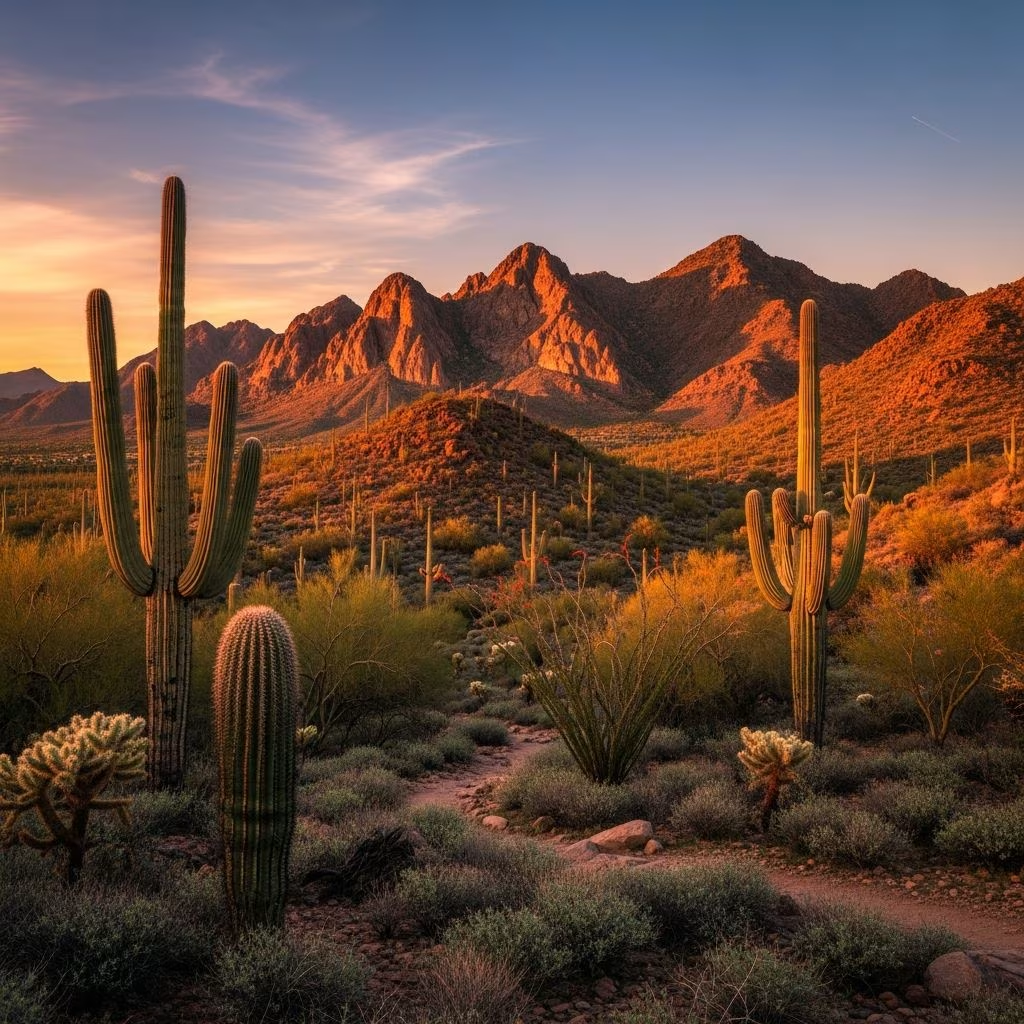
The McDowell Sonoran Preserve stands as one of Scottsdale’s greatest natural assets, offering an expansive network of trails that cater to hikers of varying skill levels. While many visitors flock to the popular peaks and well-marked paths, the preserve harbors numerous routes that deliver exceptional wilderness experiences with significantly fewer crowds.
Lost Dog Wash Trail presents an ideal alternative for those seeking pristine desert vistas without the congestion of mainstream hiking destinations. This pathway winds through dramatic rock formations and expansive desert terrain, particularly rewarding during sunrise hours when the landscape transforms under the glow of early morning light. The trail’s relatively unknown status among casual tourists ensures a peaceful hiking experience, allowing visitors to absorb the raw beauty of the Sonoran Desert without navigating crowded pathways.
Brown’s Ranch represents another exceptional exploration opportunity within the preserve’s boundaries. This lesser-frequented region features a diverse trail system accommodating both novice and experienced hikers. The landscape here tells a compelling geological story through striking rock outcroppings and ancient formations, while historical remnants including weathered ranch structures serve as reminders of the region’s settlement era. Panoramic views of the surrounding desert environment create photography opportunities that rival more celebrated hiking destinations.
Architectural Legacy: Modernist Masterpieces and Historic Structures
Scottsdale’s architectural heritage encompasses far more than contemporary resort design. The city hosts several significant examples of mid-century modernism and innovative residential projects that influenced American architectural discourse throughout the twentieth century.
Frank Lloyd Wright’s Price House stands as Arizona’s largest residential project designed by the legendary architect. This masterwork exemplifies Wright’s philosophy of organic architecture, where structures harmonize with their natural surroundings rather than imposing upon them. The residence’s design demonstrates the architect’s distinctive approach to space utilization, material selection, and integration with the desert landscape. Visiting this architectural landmark provides insight into Wright’s design methodology and his impact on residential architecture throughout the southwestern United States.
The Christian Science First Church, constructed in 1962 under the direction of architect T.S. Montgomery, represents a significant example of mid-century religious architecture. Its thoughtful design balances modernist principles with spiritual functionality, creating a worship space that incorporates natural light and geometric forms. Simultaneously, the Triangle Building, also erected in 1962 by local architect Ralph Haver, showcases the architectural experimentation that characterized Scottsdale’s post-war development period.
Beyond these prominent examples, Scottsdale contains numerous residential structures from the mid-twentieth century that reflect the innovative thinking of that era. Many of these properties underwent meticulous restoration efforts, with several reopening to the public after comprehensive renovation projects that preserved original design elements while updating essential systems.
Artistic Enclaves: Where Creativity Flourishes
Scottsdale’s reputation as an arts destination extends well beyond the contemporary galleries of Old Town. Several creative communities throughout the city maintain distinct identities as working artist spaces where visitors can observe craftspeople actively engaged in their creative processes.
Cosanti represents a unique convergence of architectural innovation, artistic production, and sustainable design principles. This compound, established by visionary Italian architect Paolo Soleri, functions simultaneously as a residence, studio, and gallery space. Visitors witness artisans crafting the facility’s renowned bronze wind bells, objects that combine functional design with acoustic qualities and sculptural beauty. The bronze-casting process remains integral to Cosanti’s identity, with periodic casting events attracting those interested in observing this ancient metalworking technique applied to contemporary artistic vision.
Cattle Track Arts Compound preserves a distinct artistic tradition spanning multiple generations. Operating as a creative enclave since the 1930s, this property hosts painters, sculptors, jewelry makers, and writers who maintain open studio spaces for visitor interaction. The compound’s informal atmosphere encourages direct engagement between artists and admirers, fostering conversations that extend beyond typical gallery transactions to encompass the artistic philosophies and processes underlying individual creations.
Historical Landmarks: Layers of Scottsdale’s Past
Old Town Scottsdale contains numerous historical landmarks that chronicle the city’s evolution from frontier settlement to cosmopolitan destination. These structures and institutions preserve narratives about local pioneers, architectural trends, and cultural developments that shaped Scottsdale’s contemporary identity.
The Little Red Schoolhouse, originally constructed in 1909 as Scottsdale’s first formal educational facility, demonstrates the financial priorities of emerging desert communities. Built for $4,500—a substantial sum during that era—the structure served multiple institutional functions throughout its existence, including periods as a police headquarters and visitor information center. Currently operating as the Scottsdale Historical Museum, it provides visitors with tangible connections to the community’s formative decades through artifacts, photographs, and historical documentation.
The Rusty Spur Saloon occupies a distinctive place within Scottsdale’s social landscape. Operating continuously since 1951, this establishment retains its original physical infrastructure, including a bank vault from its previous incarnation as a financial institution. The vault, originally designed to secure currency, now protects an extensive spirits collection—a functional repurposing that embodies adaptive reuse principles. Beyond its architectural curiosities, the Rusty Spur maintains seven days of live musical performances, reinforcing its role as a community gathering space and cultural venue.
Specialized Retail and Culinary Treasures
Scottsdale’s shopping and dining landscape reveals distinct character through independent retailers and establishments that prioritize craftsmanship and local entrepreneurship.
The Merchantile of Scottsdale functions as a curated marketplace featuring exclusively locally-produced goods. Clothing, jewelry, home décor, and gift items reflect the aesthetic sensibilities of Arizona artisans, offering visitors authentic regional products unavailable through mass-market retail channels. The facility’s workshop programming permits guests to participate in the creative process, transforming passive consumption into engaged cultural participation.
Fashion by Robert Black presents vintage couture with curatorial expertise, specializing in rare apparel items spanning multiple decades. This boutique serves fashion enthusiasts seeking authentic vintage pieces rather than reproductions, attracting collectors and style-conscious visitors seeking distinctive wardrobe additions.
Native Art Market operates as Scottsdale’s exclusively Indigenous-owned retail space, promoting and selling works by Native American artisans and craftspeople. This venue provides direct sales channels for indigenous creators while educating visitors about contemporary Native American artistic traditions.
Comparative Overview: Hidden Gems at a Glance
| Attraction Category | Notable Examples | Primary Appeal | Best Visited |
|---|---|---|---|
| Desert Trails | Lost Dog Wash Trail, Brown’s Ranch | Natural landscape, solitude | Early morning |
| Architecture | Price House, Christian Science First Church, Triangle Building | Design innovation, historical context | Daytime tours |
| Artist Spaces | Cosanti, Cattle Track Arts Compound | Creative observation, direct artist interaction | Weekdays for studio access |
| Historical Sites | Little Red Schoolhouse, Rusty Spur Saloon | Local heritage, authentic atmosphere | Throughout week |
| Local Retail | The Merchantile, Fashion by Robert Black, Native Art Market | Artisan goods, unique purchases | Mid-week for less crowding |
Planning Your Authentic Scottsdale Experience
Constructing an itinerary around these lesser-known attractions requires consideration of geographic distribution, seasonal conditions, and operational hours. The McDowell Sonoran Preserve trails benefit from early morning exploration during warmer months, avoiding peak heat hours while maximizing visibility and wildlife observation opportunities. Most hiking paths open at dawn and close at dusk, permitting flexible scheduling aligned with personal energy levels and photography preferences.
Architectural tours often require advance scheduling, particularly for private residences and specialized properties. Contacting local preservation societies or architectural organizations provides current information regarding access policies and guided tour availability. The historical sites and retail establishments throughout Old Town maintain regular business hours, though many independent retailers observe modified schedules during low-season periods.
Visitor logistics warrant strategic planning to optimize time utilization across geographically dispersed attractions. Concentrating activities within specific zones—such as dedicating one day to McDowell Sonoran Preserve hiking and another to Old Town’s historical and retail destinations—minimizes driving time while facilitating deeper exploration of particular regions.
Frequently Asked Questions
What is the best time of year to explore Scottsdale’s hidden gems?
October through April presents optimal conditions for hiking and outdoor activities, with cooler temperatures and lower precipitation. This period also coincides with peak tourism season, potentially creating crowds at more publicized attractions. Summer months (June-September) bring extreme heat exceeding 100°F, making morning hikes the only practical option and requiring substantial hydration preparation.
Are guided tours available for architectural landmarks?
Several organizations provide specialized architectural tours focusing on mid-century modernism and Frank Lloyd Wright’s contributions. Contact local visitor centers or historical societies for current offerings, as availability fluctuates seasonally and may require advance reservations.
Can visitors interact directly with artists at creative compounds?
Artist availability varies depending on individual schedules and ongoing projects. Cattle Track Arts Compound and Cosanti generally welcome visitors, though contacting facilities beforehand ensures studio access and permits scheduling around active work periods, particularly during bronze-casting demonstrations at Cosanti.
What hiking experience level suits Lost Dog Wash Trail?
This trail accommodates intermediate hikers with reasonable fitness levels. The path features elevation changes and rocky terrain without excessive technical difficulty. Brown’s Ranch offers routes suitable for beginners through advanced hikers, permitting family groups with varying abilities to explore simultaneously.
Are the historical sites wheelchair accessible?
Accessibility varies across individual properties. The Little Red Schoolhouse and retail establishments generally provide standard accessibility features, while outdoor trails and some historical structures may present limitations. Contacting specific venues confirms current accommodations and any necessary modifications.
What should visitors bring for desert hiking?
Comprehensive hydration (minimum 2-3 liters per person), sun protection including high-SPF sunscreen and hats, sturdy footwear for rocky terrain, and a fully charged mobile device for emergencies represent essential items. Early morning hikes benefit from flashlights or headlamps until sufficient daylight permits safe navigation.
References
- Frank Lloyd Wright Foundation — Frank Lloyd Wright Foundation. Official architectural records and biographical documentation. https://www.franklloydwright.org/
- City of Scottsdale Parks and Recreation — City of Scottsdale. McDowell Sonoran Preserve Trail System. https://www.scottsdaleaz.gov/
- Arizona Preservation Foundation — Arizona Preservation Foundation. Mid-Century Modernism in Arizona. https://www.azpreservation.org/
- Smithsonian Magazine: Southwestern Architecture — Smithsonian Institution. “Modernist Architecture of the American Southwest.” 2024. https://www.si.edu/
- National Park Service: Desert Ecosystems — United States Department of Interior. Sonoran Desert Ecological Characteristics. https://www.nps.gov/
- American Institute of Architects Arizona — AIA Arizona Chapter. Regional Architectural Heritage Documentation. https://www.aiaaz.org/
On This Page
Desert Trails: Discovering Solitude in the Sonoran Landscape Architectural Legacy: Modernist Masterpieces and Historic Structures Artistic Enclaves: Where Creativity Flourishes Historical Landmarks: Layers of Scottsdale's Past Specialized Retail and Culinary Treasures Comparative Overview: Hidden Gems at a Glance Planning Your Authentic Scottsdale Experience Frequently Asked Questions← Previous
3-Day Scottsdale Itinerary: Best of Art, Adventure & Wellness
Next →
Scottsdale Desert Photography Guide: Best Spots, Light & Tips
Related Reading