

 Travel Essentials
 Travel Essentials

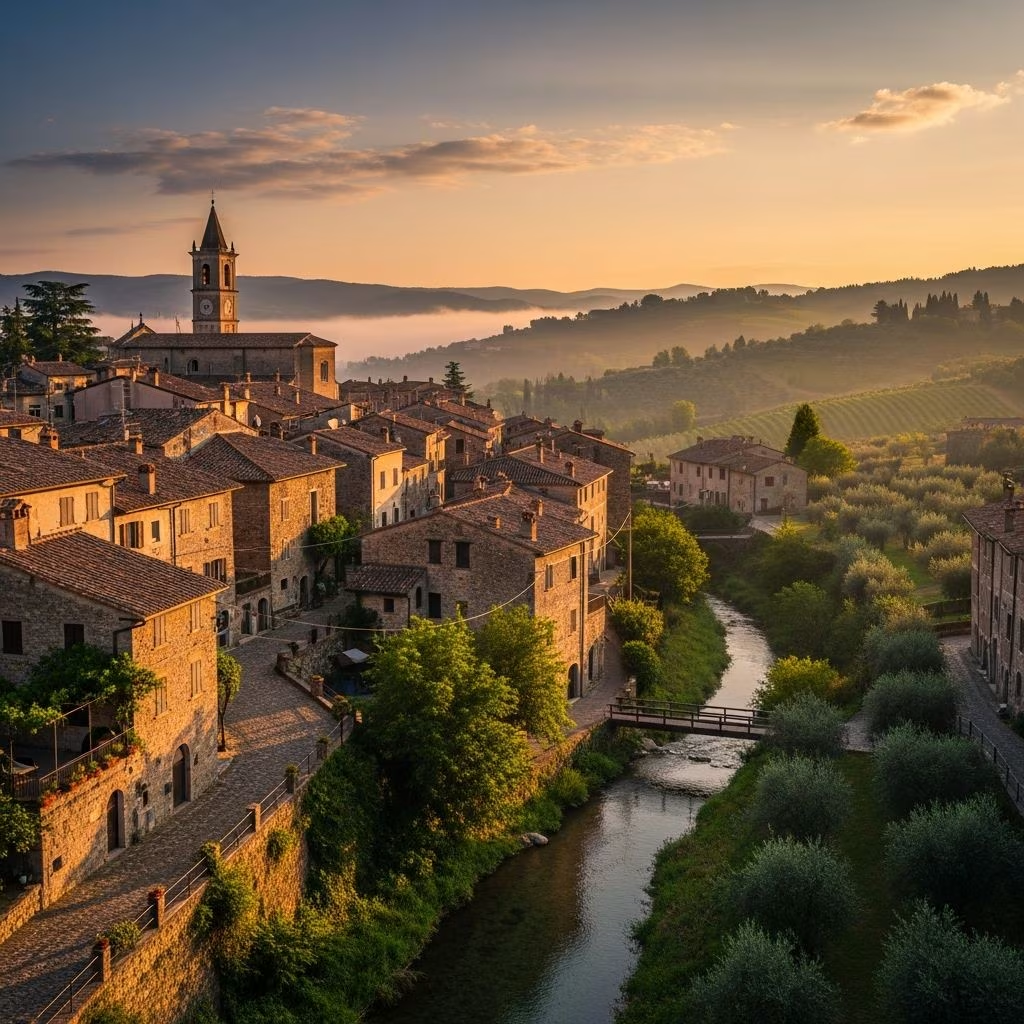
Explore Italy's lesser-known areas like Molise, Rieti, and Sardinia's interior, where natural beauty, historic villages, and local traditions offer unforgettable experiences without the masses.
 Travel Essentials
Italy captivates millions with icons like Rome, Venice, and Tuscany, but beyond these hotspots lie regions rich in unspoiled beauty, ancient heritage, and genuine hospitality. These overlooked areas provide travelers with serene escapes, where cobblestone streets wind through medieval hamlets, emerald rivers carve dramatic valleys, and local festivals pulse with timeless traditions. Venturing off the beaten path reveals a more intimate side of Italy, free from overtourism’s hustle.
Mainstream destinations often mean long lines, inflated prices, and diluted authenticity. In contrast, lesser-visited spots deliver profound rewards: pristine parks for hiking, farm-fresh meals in family-run trattorias, and interactions with communities preserving age-old crafts. Recent data highlights provinces like Isernia and Rieti among Italy’s least frequented, yet they boast archaeological wonders and spiritual sites that rival anywhere in Europe. These places suit solo explorers, couples seeking romance, or families desiring relaxed adventures.
Nestled between Abruzzo and Puglia, Molise stands as one of Italy’s smallest and most underappreciated regions. Its rolling hills, forgotten villages, and crystalline lakes form a landscape that feels untouched by time. Far from coastal crowds, visitors find solace in places like Larino, a town blending ancient Roman echoes with vibrant modern life.
Molise’s appeal lies in its biodiversity. The Matese National Park offers rugged peaks for trekkers, while hidden waterfalls tumble into turquoise pools, creating picture-perfect scenes. Coastal hamlets along the Adriatic reveal fishing traditions unchanged for centuries, with fresh seafood feasts overlooking pebbled shores. In winter, ski slopes attract adventure seekers; summers bring wild herb foraging and truffle hunts.
| Top Molise Highlights | Description | Best Time to Visit |
|---|---|---|
| Larino’s Dual Soul | Ancient cathedral and contemporary piazzas | Spring/Fall |
| Matese Lakes | Scenic hikes and boating | Summer |
| Adriatic Villages | Seafood and sunsets | All year |
Accommodations range from agriturismi amid vineyards to boutique stays in restored palazzos, emphasizing slow travel and farm-to-table dining.
In Lazio’s heart, Rieti Province emerges as a sanctuary of monasteries, gorges, and forests. Dubbed the “Umbilicus Italiae” for its central location, it features the sacred Reatine Valley, dotted with hermitages where saints once meditated. Nature lovers flock to the wild Marmore Falls, Europe’s tallest man-made cascade, plunging 165 meters into misty pools.
Borghi like Amatrice, rebuilding resiliently post-earthquake, showcase hearty cuisine such as pecorino sheep cheese and guanciale-laced pasta all’amatriciana. Trails through the Velino-Sirino Regional Park lead to alpine meadows and griffon vulture sightings. History buffs explore Greccio, site of the world’s first live Nativity scene in 1223.
Molise’s Isernia Province unearths Italy’s prehistoric soul. The Paleolithic site of Isernia Errico reveals 700,000-year-old tools, displayed in a museum bridging human origins and today. Surrounding hills hide Roman baths and medieval castles, while rivers invite kayaking amid limestone cliffs.
Villages like Venafro perch dramatically, offering panoramic views and olive oil tastings from ancient groves. Culinary stars include caciocavallo cheese stretched like taffy and hearty bean soups simmered over wood fires.
Calabria’s rugged interior contrasts its famed Tyrrhenian beaches. Cosenza thrives culturally along the Crati River, with Corso Mazzini hosting open-air sculptures by international artists. The old town’s Norman castle overlooks a blend of Byzantine frescoes and Baroque fountains.
Perched on Aspromonte’s slopes, Bova whispers ancient Greek influences through its dialect and stone houses. Festivals honor Byzantine saints, and trails descend to hidden coves for solitary swims.
Northern Italy’s Biella combines industrial heritage with alpine vistas. Wool mills turned museums trace centuries of craftsmanship, while Oropa Sanctuary’s Black Madonna draws pilgrims. Nearby, Lomellina’s rice fields frame castle-dotted plains, ideal for cycling tours.
Nuoro anchors Sardinia’s Barbagia region, birthplace of Nobel laureate Grazia Deledda. Her museum and the Sardinian Ethnographic Museum display intricate costumes, mamuthones masks from carnival rites, and shepherd tools evoking pastoral life. Orgosolo’s murals depict social struggles, set against canyons and caves perfect for spelunking.
Travel by regional trains or rent a car for flexibility. Stay in agriturismi for immersion. Spring and fall avoid heat and crowds. Learn basic Italian phrases to connect deeply.
Molise tops lists for its sparse tourism despite stunning nature.
Yes, with low crime and welcoming locals; stick to marked trails.
Expect pecorino, truffles, seafood, and handmade pasta variations.
Families love parks and villages; couples adore romantic sunsets and wines.
Trains from Rome or Naples; buses connect smaller towns.
