

 Travel Essentials
 Travel Essentials

Uncover lesser-known attractions, peaceful trails, and cultural sites across Maui that offer authentic island experiences away from crowded tourist hotspots.
 Travel Essentials
Maui attracts millions of visitors annually, yet many travelers experience only the well-established resort zones and heavily trafficked landmarks. While popular destinations like Wailea Beach and the Road to Hana offer undeniable appeal, the island contains numerous quieter locations that provide deeper connections to Hawaiian culture, natural beauty, and local life. This guide explores alternatives that allow visitors to experience Maui’s genuine character while enjoying the solitude and authenticity that many seek when traveling to Hawaii.
The Hawaiian islands present a unique challenge for travelers seeking solitude: population centers and tourism infrastructure tend to concentrate in specific areas, leaving vast regions surprisingly peaceful. Maui’s geography naturally divides into distinct zones, each offering different opportunities for visitors willing to venture beyond standard itineraries. The upcountry region near Kula and Olinda, for instance, remains largely overlooked despite offering spectacular panoramic views and cooler mountain air distinct from coastal zones.
Early morning exploration represents one of the most effective strategies for experiencing popular locations with minimal crowds. Dawn visits to well-known beaches transform them into peaceful retreats where visitors encounter primarily local joggers and fishermen rather than tour groups. The quality of light during sunrise, combined with calm waters and frequently visible marine wildlife, creates experiences distinctly different from midday visits to identical locations.
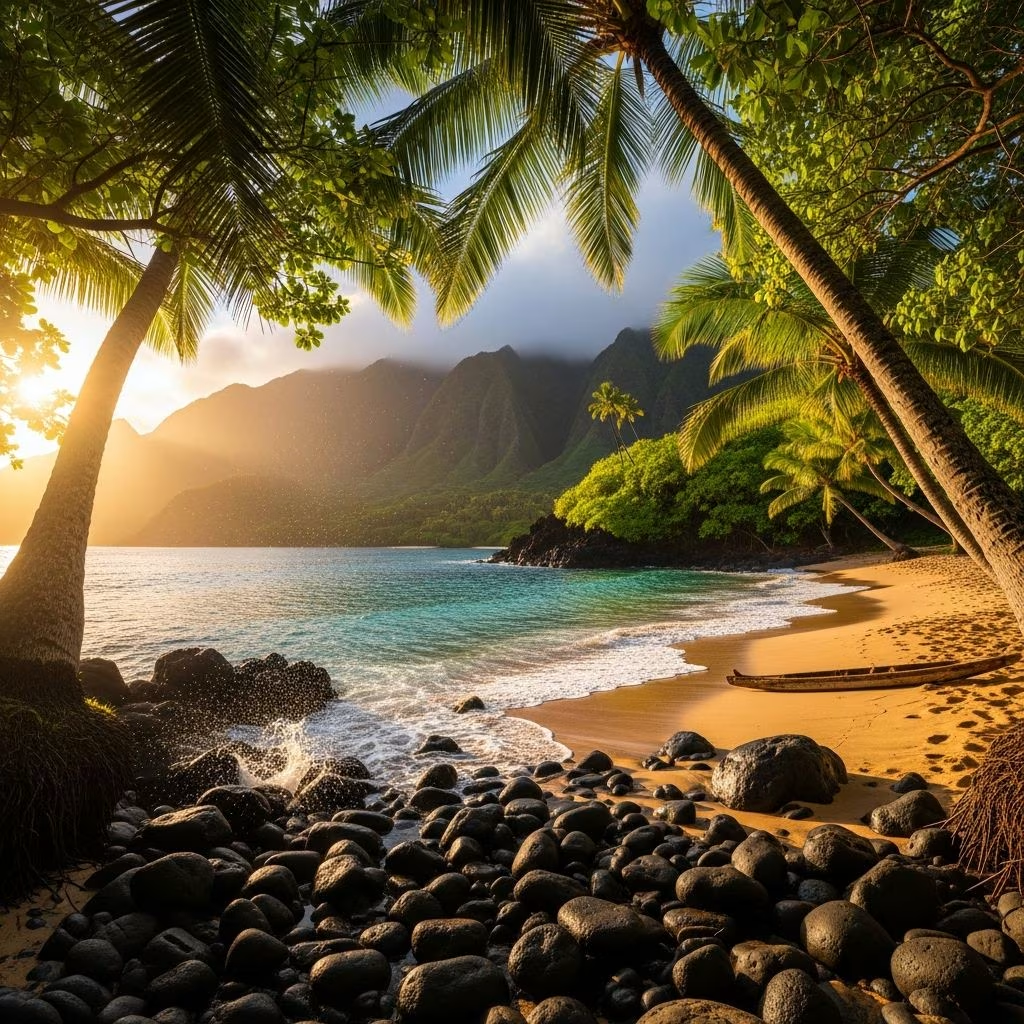
Maui’s coastline extends far beyond the resort beaches that dominate tourism marketing. The area near Maalaea Harbor and the northern stretches above Lahaina offer accessible beaches that see minimal tourist traffic despite excellent facilities and natural beauty. Visiting these locations during early morning hours multiplies the sense of discovery, as soft light illuminates undisturbed sand while common marine visitors like dolphins and sea turtles cruise nearby waters.
Hamoa Beach, accessible from the Road to Hana but requiring intentional navigation away from the main highway, presents an alternative to overcrowded coastal destinations. The wilder character of Mākena State Park similarly attracts fewer visitors than commercially developed beaches, offering more rugged scenery and a sense of authentic Hawaiian coastline. These locations typically feature adequate parking and basic amenities while maintaining their uncrowded atmosphere through relative obscurity rather than access restrictions.
Napili Beach represents another exceptional coastal option, maintaining a quieter character despite reasonable accessibility and quality facilities. The beach appeals particularly to visitors interested in snorkeling or casual swimming rather than high-energy beach activities, naturally limiting crowds to those seeking similar peaceful experiences.
Maui’s volcanic geology creates dramatic natural features throughout the island, yet several remarkable sites remain surprisingly unknown to casual visitors. The Naikalele Point blowhole, located at mile marker 32.5 just twenty-five minutes’ drive from Ka’anapali, features a fifteen-minute hike that typically attracts fewer than a dozen visitors despite offering extraordinary natural phenomena and exhilarating coastal views. The modest visitation stems partially from the somewhat challenging terrain, which naturally discourages casual tourists while welcoming those prepared for basic hiking.
The Sacred Garden in Makaa provides an entirely different natural experience, emphasizing contemplative engagement with botanical environments rather than dramatic landscape features. Located at 460 Kaluanui Road near the Makaa Forest Reserve entrance, this peaceful retreat contains lush meditation gardens, walking labyrinths, and nursery areas filled with tropical plants. The intimate scale and reflective atmosphere create profound relaxation opportunities distinct from the sensory stimulation of major natural attractions.
Iao Valley State Park combines both dramatic natural features and cultural significance, yet many visitors focus exclusively on the famous Iao Needle photography opportunity while overlooking the numerous side trails and quieter paths throughout the valley. The cool mountain air, waterfalls, and tropical vegetation throughout the broader valley create multiple experiences within a single location, allowing visitors to customize their engagement based on energy levels and interests.
The slopes surrounding Haleakala Crater provide extensive hiking opportunities distinct from the crowded sunrise viewing areas at the summit. The Kula and Olinda regions near the crater’s base feature trails through eucalyptus groves and pine-shadowed ridges offering sweeping coastal views and valley vistas. Early morning exploration of these paths provides solitude, physical challenge, and visual rewards comparable to more famous destinations but with substantially fewer fellow hikers.
Camping within the Haleakala crater itself represents one of Maui’s most distinctive yet underutilized experiences. Three historic wilderness cabins situated within the crater require hiking access via either the Sliding Sands Trail or the Halemauu Trail switchbacks. At $75 per night with reservations opening six months in advance, the cabins offer genuine immersion in Maui’s volcanic landscape and provide opportunities for stargazing and sunrise viewing from one of the island’s most elevated and geologically significant locations.
The Sliding Sands Trail, approximately 2.5 miles of descent down a sandy slope, provides the most popular crater access route yet remains manageable for visitors with moderate fitness levels. The landscape within the crater creates an otherworldly atmosphere, with volcanic cones, colorful mineral deposits, and expansive vistas that justify the challenging approach hike.
Lavender farming represents an unexpected agricultural pursuit in Maui’s upcountry, with Ali’i Kula Lavender Farm showcasing this specialized cultivation at 4,000 feet elevation on Haleakala’s slopes. The 13-acre facility contains 55,000 lavender plants representing 45 different varieties, with walking paths offering views extending across Central Maui to the Pacific Ocean. At just $3 admission with children under twelve entering free, the farm provides economical access to beautiful grounds and aromatic immersion.
The Kula Botanical Garden similarly offers peaceful exploration of curated plant collections in the upcountry region. These botanical spaces attract gardening enthusiasts and those seeking nature-based relaxation without the physical demands of hiking or the crowds typical of major natural attractions.
Coconut farming heritage appears in operations like Puakena Coconut Farm in Launiupoko on Maui’s west side, where educational tours reveal traditional cultivation methods and the remarkable ability of coconut palms to convert saltwater into fresh water. Direct engagement with agricultural traditions provides cultural education while supporting local operations rather than large tourism corporations.
Haleki’i-Pihana Heiau State Monument, located on a ridge in Wailuku just minutes from Kahului, remains remarkably obscure despite its inclusion on the National Register of Historic Places and its significance in Hawaiian history. Few visitors know about this site, resulting in a genuinely solitary experience while examining the stone remains of a sacrificial temple and traditional dwelling foundation. The historical resonance combined with pleasant views and accessibility create an experience of genuine cultural connection rather than tourism spectacle.
The Uvalū Cultural Reserve represents a community-led conservation effort preserving Hawaiian cultural and natural heritage through maintenance of ancient taro fields, native plants, and traditional agricultural practices. Located near Uvalū Beach off Route 30 approximately four miles south of Lina, the reserve offers guided tours and volunteer opportunities for visitors interested in sustainable farming methods and cultural preservation.
St. Joseph’s Church on Haleakala’s backside represents one of Maui’s most unusual free attractions, combining religious significance with architectural distinctiveness and accessibility to those exploring the volcanic mountain region. The church’s location on the backside of the crater removes it from the primary tourist traffic patterns, creating a peaceful spiritual space.
While the Road to Hana dominates hiking discourse, numerous alternative trails offer comparable beauty with substantially fewer hikers. The Pipiwai Trail through the bamboo forest provides a two-mile experience distinguished by the unusual auditory experience of wind-moved bamboo creating distinctive crackling sounds. The trail culminates at the 400-foot Wailmoku Falls, creating a complete natural experience combining forest, water features, and physical challenge without the congestion typical of major destinations.
The Road to Hana itself contains numerous lesser-known attractions beyond the main highway, including Pa’ani’ao Falls, secret pools along Waioka Pond, and quiet fruit stands often bypassed by tourists proceeding directly to famous destinations. Strategic stopping along the route transforms the drive from a singular destination-focused trip into a series of discoveries supporting local vendors while accessing extraordinary natural features.
| Timing Strategy | Best Locations | Primary Benefit |
|---|---|---|
| Early morning visits | Any popular beach or trail | Minimal crowds, optimal lighting, calm water conditions |
| Shoulder season travel | All upcountry and central locations | Fewer visitors overall, better weather than winter |
| Weekday exploration | Cultural sites, gardens, local food vendors | Reduced tour groups, more local presence |
| Late afternoon adventures | Botanical gardens, cultural reserves | Departing tourists, golden hour photography |
Understanding Maui’s seasonal patterns significantly enhances visitor experiences. Winter months bring larger tourist influxes as northern hemisphere residents seek warm weather, while late spring and early fall offer fewer visitors with generally pleasant weather. Weekday visits to any location substantially reduce encounter with organized tour groups, which typically concentrate on fixed schedules regardless of location attractiveness.
Engaging with family-owned farms, local food vendors, and community-led conservation efforts directs spending toward community members rather than corporate tourism entities. The Maui Honey Bee Sanctuary, situated on beautiful grounds overlooking the ocean, offers tours and opportunities to sample local honey products while learning about agricultural practices. Local food trucks serving authentic Hawaiian barbecue and farmer’s markets provide genuine cultural engagement alongside culinary discovery.
Purchasing locally produced items—lavender products, honey, handcrafted goods—creates direct economic benefits for island residents while acquiring authentic souvenirs with meaningful provenance. Many quieter attractions operate as family concerns or nonprofit community organizations where visitor spending directly supports local livelihoods rather than distant corporate shareholders.
Creating fulfilling itineraries focused on quieter locations requires different planning than traditional tourism approaches. Researching specific locations before arrival, communicating with local tourism offices focused on less-developed regions, and remaining flexible with scheduling based on weather and unexpected discoveries creates superior experiences compared to rigid adherence to guidebook recommendations. Renting accommodations in upcountry areas or smaller towns like Makawao and Paia naturally immerses visitors in local communities while reducing the psychological and physical distance to authentic experiences.
Transportation planning affects location accessibility significantly; rental car availability allows exploration of remote coastal areas and mountain regions impossible via tour buses. Early morning rentals maximize destination availability before midday crowds develop, enabling strategic timing around natural phenomena like sunrise and the golden hour preceding sunset.
Early morning visits before 8 AM consistently provide the quietest beach experiences, with most tourists not departing accommodations until late morning. Sunset viewing hours after 5 PM also attract fewer crowds than midday periods.
Lesser-known locations typically maintain equivalent safety standards to major tourist sites. Their quieter character usually results from obscurity rather than poor conditions or accessibility issues. Standard precautions regarding weather, hiking difficulty, and parking apply consistently.
Many upcountry and central locations remain accessible via public transportation, though schedules prove less frequent than commercial tour routes. Strategic locations like Iao Valley State Park, lavender farms, and botanical gardens typically maintain public access, though rental vehicles facilitate spontaneous exploration.
Botanical gardens, lavender farms, and calm beaches accessed during early morning hours accommodate families effectively. Iao Valley features manageable walks alongside more challenging hikes, allowing customization to age and fitness levels.
Community-led sites like the Uvalū Cultural Reserve often benefit from guided experiences providing historical and cultural context. Natural features like beaches and gardens typically permit independent exploration, though guided hikes enhance geological and ecological understanding.
