

 Travel Essentials
 Travel Essentials

Explore lesser-known Tibetan gems like hidden monasteries, ancient caves, and pristine valleys offering serene spirituality and stunning landscapes without the crowds.
 Travel Essentials
Tibet, with its towering Himalayas, ancient monasteries, and deep spiritual heritage, draws millions seeking enlightenment and adventure. Yet, the most popular sites like Lhasa’s Potala Palace and Everest Base Camp often swarm with tour groups. For travelers craving solitude and authenticity, Tibet hides extraordinary destinations that reveal the region’s raw beauty and timeless traditions. These off-the-beaten-path locations offer serene hikes, sacred rituals, and panoramic vistas untouched by mass tourism.
Just beyond Lhasa’s bustling streets lie tranquil valleys and cliffside sanctuaries where monks meditate in ancient caves and monasteries perch dramatically against rugged peaks. These sites provide intimate glimpses into Tibetan Buddhism’s living practices.
Tsurphu Monastery, nestled in a dramatic gorge 70 kilometers northwest of Lhasa, serves as the historic seat of the Karma Kagyu lineage, led by the Karmapa Lama. Surrounded by sheer cliffs and prayer flags fluttering in the wind, this 12th-century complex buzzes quietly with monk chants and butter lamp offerings. Visitors can wander the assembly hall adorned with vibrant thangkas or hike surrounding trails for views of glacial streams cascading into the valley floor. Unlike crowded Lhasa sites, Tsurphu feels profoundly peaceful, especially during early morning pujas when golden light bathes the whitewashed walls.
Further north, Drak Yerpa Cave Complex clings to a limestone cliff, housing over 80 meditation caves used for more than 1,500 years by Buddhist masters, including Guru Rinpoche. This hermitage network spans three tiers: lower caves feature accessible temples with faded frescoes depicting tantric deities, while upper retreats demand steep climbs past dripping stalactites and wildflowers. Pilgrims perform prostrations along the kora path, and hot springs at the base are revered for healing properties. The site’s isolation—reachable only by a winding dirt road—ensures few disturbances, making it ideal for contemplative hikes yielding eagle sightings and orchid meadows in spring.
Central Tibet’s highways pass overlooked treasures where unique sects preserve esoteric rites amid barley fields and turquoise lakes. Detours here reward with fortress-like edifices and Bön traditions distinct from mainstream Buddhism.
Samding Monastery, dramatically sited above Yamdrok Lake’s coiled arms, provides dorm stays for immersive experiences. Watch monks debate scriptures at dawn against Bhutan’s snowy peaks, or boat across the sacred turquoise waters teeming with Brahmaputra carp.
Tibet’s fertile valleys conceal ruins of ancient kingdoms and pilgrimage paths alive with nomads and wildlife. These areas blend archaeology, ecology, and ethnography seamlessly.
The Yarlung Tsangpo Valley, cradle of Tibetan civilization near Gongkar Airport, hides Gongkar Chöde’s priceless murals of Medicine Buddha and Dratang’s dynamited 13-story stupa remnants. Side trips reveal petroglyphs of yaks and archers etched into boulders, with wild asses grazing amid apricot orchards. Only a fraction of Lhasa-Tsetang drivers pause here, preserving the valley’s misty aura.
In western approaches, Phuntsoling Monastery near Lhatse boasts sand dunes framing 17th-century halls where June festivals erupt in cham dances with skull drums. Nearby fortress ruins and pebble beaches along the braided Tsangpo invite fossil hunts for ammonites from ancient seabeds.
| Site | Key Feature | Best Activity | Accessibility |
|---|---|---|---|
| Yarlung Tsangpo | Ancient murals & stupa ruins | Ruined exploration | Highway detour |
| Phuntsoling | Sand dunes & festivals | Cham dance viewing | Short side road |
| Gyirong Valley | Forested gorges & waterfalls | Hiking & wildlife spotting | Nepal border road |
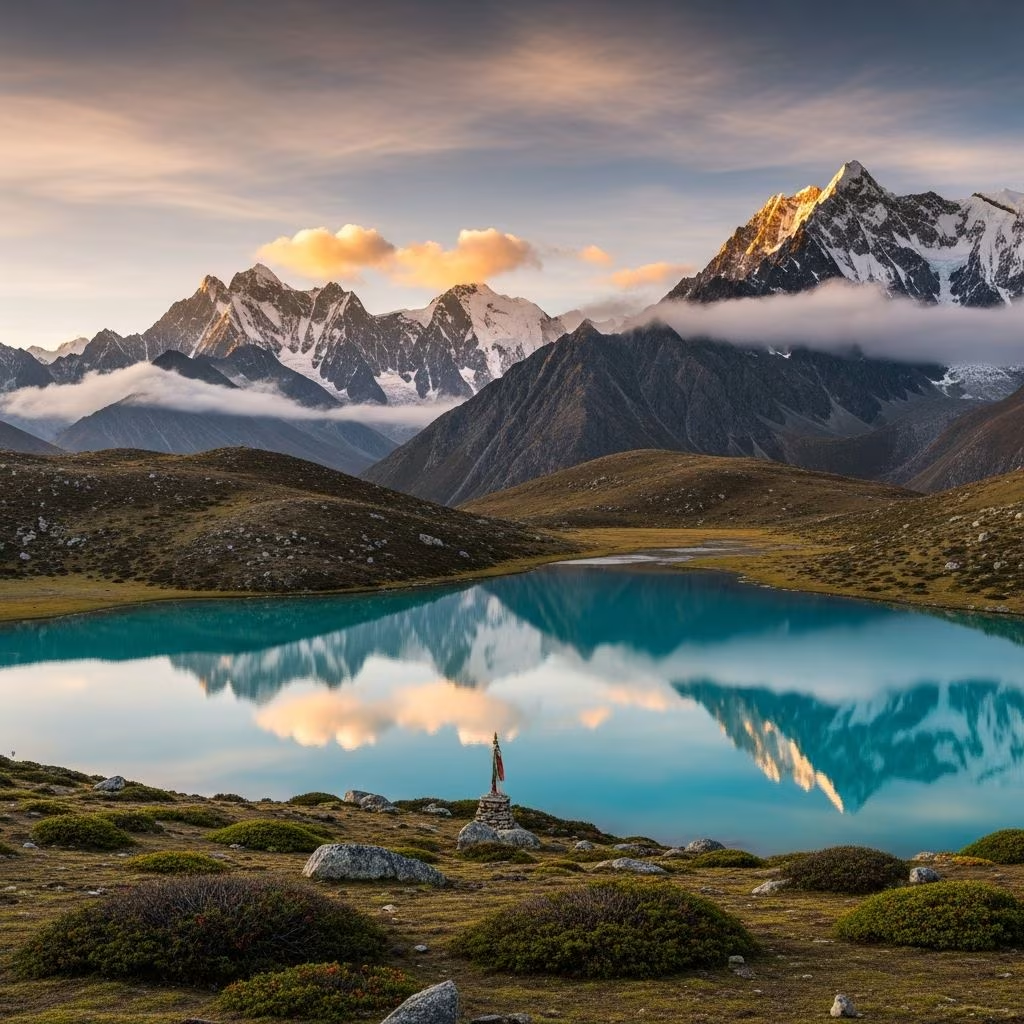
Tibet’s far west challenges with thin air and epic scales, but yields unparalleled purity. Mount Kailash’s circumambulation (kora) purifies karma for four faiths, its pyramid flanks reflecting in Lake Manasarovar’s mirror surface. Trek 52 kilometers in three days past Drolma La pass at 5,630 meters, camping amid ice-blue glacial lakes. Few complete the hardship, ensuring solitude.
Tangra Yumco, at 4,530 meters beside Xiangxiong ruins, is Bön’s holiest lake. Crystal waters host migratory swans, and nomads circle it clockwise on horseback. Harsh access via gravel tracks from Amdo keeps crowds away.
Near Everest, Dza Rongphu Retreat offers chorten-framed North Face views minus base camp bustle. A 10-minute walk from tents, meditate amid mani stones as yaks low in twilight.
For hardcore adventurers, northern plateaus dwarf human presence. Shuanghu County, China’s emptiest at 5,000+ meters, spans endless gravel plains where Tibetan wolves prowl and hot springs bubble. No roads penetrate fully; overland convoys spot meteor craters and fossil dunes.
Drigung Til Monastery overlooks sky burial platforms, blending reverence with raw nature. Hike to hermit caves for sunrise over vulture-specked ridges, pondering impermanence amid wild roses.
Traveling Tibet requires permits, guides, and acclimatization. Opt for shoulder seasons (May or September) to dodge peak crowds. Private vehicles allow flexibility for detours; homestays in nomad tents deepen immersion. Pack layers for -20°C nights, high-UV sunscreen, and altitude meds like acetazolamide. Respect rituals: walk clockwise around Buddhist sites, anticlockwise for Bön.
Yes, all foreign visitors require a Tibet Travel Permit (TTP) plus Alien’s Travel Permit for western areas like Kailash. Arrange through licensed operators.
May-June or September-October offer stable weather and wildflowers, minimizing rain and snow risks.
Group travel is mandatory; solos join small tours. Remote areas have basic guesthouses but carry cash—no ATMs.
Kailash kora is strenuous (18km/day, high altitude); Yerpa caves moderate with ladders. Train with cardio beforehand.
Observe respectfully from distance at Drigung Til; photography prohibited to honor traditions.
