


 Food & Culture
Food & Culture
Historic American Restaurants: Iconic Dining and Culinary Heritage
Explore America's most enduring dining establishments that have shaped regional cuisines and hosted historical moments for over two centuries.
 Food & Culture
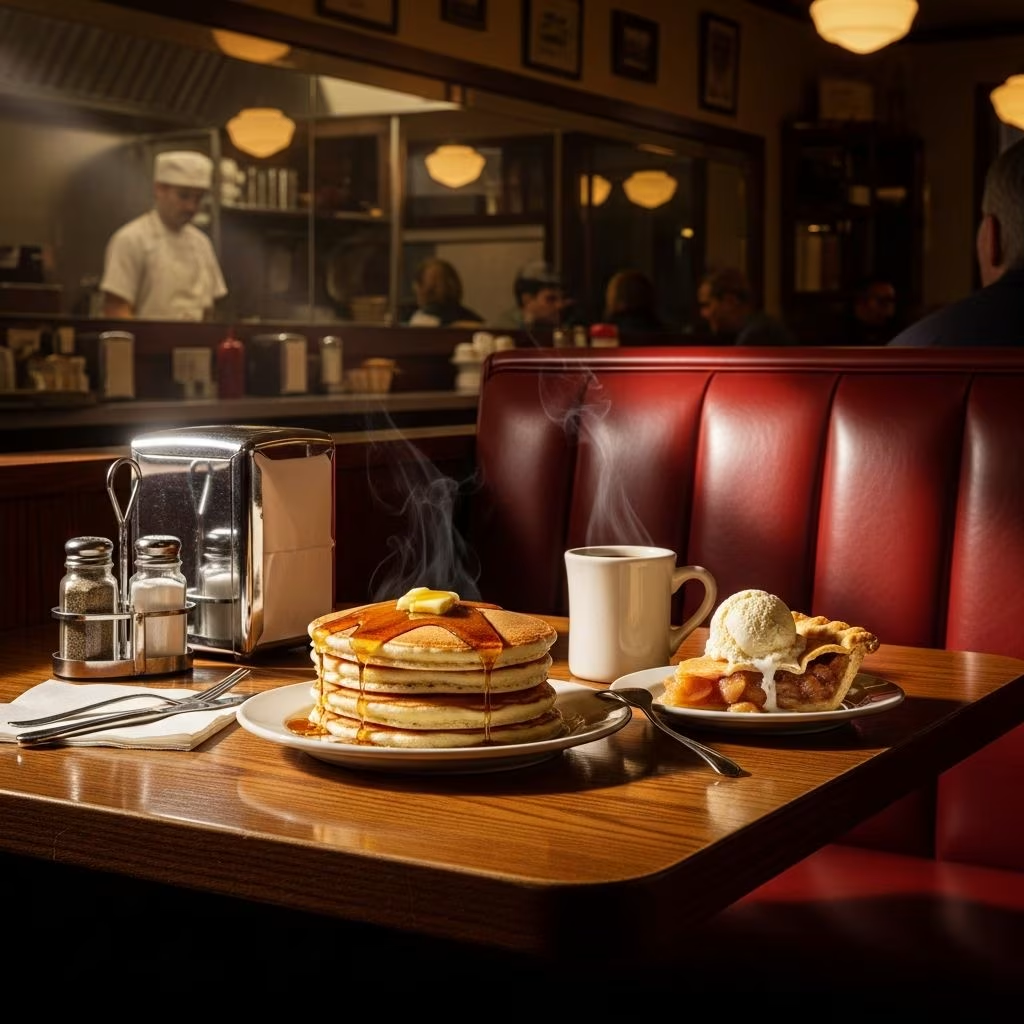
The United States possesses a rich tapestry of dining establishments that transcend their primary function as places to eat. These restaurants serve as living museums, preserving not merely recipes and flavors, but entire chapters of American history, regional identity, and cultural evolution. From seafaring ports to frontier towns, from Southern plantation districts to bustling urban centers, historic restaurants chronicle the development of American gastronomy while maintaining their original character and culinary traditions.
Stepping into these establishments provides visitors with an opportunity to experience dining in environments that have welcomed presidents, revolutionaries, artists, and everyday citizens across generations. The walls echo with stories of significant historical moments, while menus often feature dishes perfected over centuries of continuous preparation. These restaurants represent more than nostalgia; they embody the persistence of culinary excellence and the importance of preserving tangible connections to America’s past.
The Foundations of American Fine Dining
The earliest American restaurants emerged during the colonial period when taverns and inns served as community gathering spaces. These establishments initially functioned as lodging facilities with attached dining areas, where travelers, merchants, and locals could share meals and exchange information. The transition from simple tavern fare to more refined cuisine developed gradually as American cities grew in sophistication and wealth.
The distinction between taverns and formal restaurants solidified during the nineteenth century as urban centers expanded and dining became increasingly professionalized. Establishments that survived this transition typically demonstrated exceptional commitment to quality ingredients, skilled preparation, and consistent service standards. These foundational principles continue to distinguish historic restaurants from contemporary dining venues, even as menus and service styles have evolved.
Northeast Traditions: Seafood and Revolutionary History
The northeastern United States, with its extensive Atlantic coastline and early colonial settlement patterns, developed distinctive seafood-centered dining traditions. Coastal communities cultivated expertise in preparing oysters, clams, lobsters, and other marine resources that became signature elements of regional cuisine.
Newport, Rhode Island emerged as a center of American high society during the Gilded Age, and its historic dining establishments reflect this prominence. The oldest continuously operating restaurant in the nation has maintained its original location and service traditions, welcoming guests for over three and a half centuries. Such longevity requires exceptional management across multiple generations of ownership and staffing, consistent quality standards, and an ability to adapt to changing palates while maintaining core culinary identity.
Boston’s seafood establishments represent another cornerstone of northeastern dining heritage. These restaurants perfected techniques for preparing oysters and other shellfish that became emblematic of Boston dining culture. The establishment of formal oyster houses during the nineteenth century transformed seafood preparation from basic sustenance into refined gastronomy, with each preparation method carefully developed to highlight the natural flavors of premium ingredients.
New York’s Urban Dining Revolution
New York City’s historic restaurants document the transformation of American dining from colonial tavern culture to cosmopolitan cuisine. The city’s position as a major port and immigration hub created unique opportunities for culinary innovation and cultural fusion. Historic establishments in New York City frequently served dual purposes as restaurants and cultural institutions, hosting intellectuals, artists, and political figures.
Lower Manhattan preserves examples of restaurants that functioned simultaneously as historical landmarks and everyday dining destinations. These establishments witnessed significant moments in American independence and development while continuing to serve local communities with consistency and quality. The architectural character of these spaces, including original woodwork, fireplaces, and furnishings, creates dining environments that transport visitors across centuries.
Southern Culinary Heritage and Regional Distinction
The American South developed distinctive dining traditions reflecting its agricultural base, multicultural population, and unique historical trajectory. Southern cuisine evolved through complex interactions between Native American foodways, African American culinary innovation, French colonial influences, and agricultural production particular to the region.
New Orleans occupies a central position in American culinary history due to its role as a major port city with deep connections to French, Spanish, African, and Caribbean cultures. The city’s historic restaurants preserve Creole and Cajun traditions that distinguish New Orleans cuisine from other American regional styles. These establishments maintain extensive wine cellars, sophisticated preparation techniques, and service traditions developed over generations in the challenging environment of a subtropical port city.
Southern restaurants frequently feature ingredients that reflect regional agriculture and heritage foodways. The emphasis on slow-cooked preparations, distinctive spice combinations, and use of ingredients like okra, file powder, and andouille sausage distinguish southern establishments from dining traditions elsewhere in the country. Historic southern restaurants maintain these distinctive characteristics while adapting to contemporary dining preferences.
The Frontier Spirit and Western Dining Culture
The expansion of European settlement westward created new dining cultures reflecting frontier conditions, newly available ingredients, and the multicultural encounters characteristic of American expansion. Western restaurants frequently developed around mining operations, cattle ranching, and the infrastructure of frontier towns.
Arizona’s historic restaurants preserve dining traditions from the territorial period, including preparations that reflect the region’s Southwestern heritage and connection to Mexican culinary traditions. These establishments adapted to the harsh climate and limited ingredient availability of desert environments while maintaining commitment to quality preparation and hospitality standards.
Architectural and Atmospheric Significance
The physical spaces occupied by historic restaurants deserve consideration equal to their culinary offerings. Original architectural elements, furnishings, and decorative schemes create dining environments that contribute substantially to the overall experience. Many historic restaurants maintain period-appropriate design elements including original woodwork, historic bar installations, vintage lighting fixtures, and traditional table settings.
The preservation of these architectural elements requires significant commitment and resources. Historic restaurant owners must balance practical operational needs with preservation of original features, frequently navigating regulations designed to protect designated historic properties. The atmospheric qualities created by these preserved spaces contribute meaningfully to the dining experience and justify the investment required for their maintenance.
Key Characteristics of Historic American Restaurants
- Continuous Operation: Establishments have maintained service across multiple generations, demonstrating exceptional management and consistent quality standards
- Culinary Specialization: Historic restaurants typically feature signature dishes perfected across decades or centuries of preparation
- Regional Identity: Each establishment reflects distinctive regional ingredients, preparation traditions, and cultural influences
- Architectural Preservation: Original design elements and furnishings create historically authentic dining environments
- Multi-generational Ownership: Many establishments have remained within family control for extensive periods, enabling consistent preservation of culinary traditions
- Historical Significance: Many restaurants occupy locations associated with important historical events or have hosted significant cultural figures
Challenges in Preservation and Contemporary Operation
Historic restaurants face distinctive operational challenges that distinguish them from contemporary establishments. Maintaining century-old buildings requires specialized expertise and substantial financial resources. Updating facilities to meet contemporary health and safety standards while preserving original architectural elements demands careful planning and expert execution.
Labor availability and training present particular challenges for historic restaurants committed to maintaining traditional preparation techniques. Younger culinary professionals often receive training emphasizing contemporary approaches, requiring historic establishments to provide extensive mentorship in traditional methods. The transmission of culinary knowledge across generations depends on dedicated mentorship relationships and commitment to maintaining traditional techniques.
Balancing historical authenticity with contemporary expectations creates ongoing tension. Modern diners expect certain conveniences and preparation standards that may conflict with historical practices. Successful historic restaurants navigate this balance by maintaining core traditional elements while thoughtfully modernizing less historically significant aspects of operations.
The Cultural and Economic Value of Historic Restaurants
Historic restaurants contribute substantially to regional tourism economies and cultural vitality. These establishments attract visitors specifically interested in experiencing authentic historical dining environments and regional cuisines. The economic impact extends beyond direct restaurant revenue to include hotel accommodations, transportation services, and other tourism-related businesses.
The cultural significance of historic restaurants transcends commercial considerations. These establishments preserve tangible connections to regional identities and historical periods, functioning as educational resources for visitors seeking to understand American history and cultural development. The architectural preservation associated with historic restaurants frequently catalyzes broader neighborhood revitalization and historic district development.
Experiencing Historic American Dining
Dining at historic restaurants requires adjusted expectations compared to contemporary establishments. Service styles often reflect earlier conventions that emphasize formality and extensive staff attention. Menu selections may feature limited contemporary options, prioritizing dishes with substantial historical presence and established preparation traditions. Reservation practices and dress codes frequently maintain standards developed generations earlier.
The aesthetic experience contributes substantially to the value of historic dining. The physical environment, including historical furnishings and architectural elements, creates immersive historical experiences unavailable through contemporary establishments. The sensory experience of dining in spaces that have hosted previous generations of diners creates connections across time that transcend the culinary experience itself.
FAQs About Historic American Restaurants
Q: What defines a historic restaurant?
A: Historic restaurants typically demonstrate continuous operation for substantial periods (generally exceeding 50-100 years), maintain architectural or cultural significance, preserve traditional preparation methods, and occupy roles in regional culinary development or local history.
Q: Are historic restaurants accessible to casual diners?
A: Many historic restaurants welcome diverse clientele, though some maintain formal atmospheres requiring dress codes or reservations. Price ranges vary considerably depending on the establishment and regional location.
Q: Do historic restaurants accommodate contemporary dietary preferences?
A: Many establishments offer vegetarian options and accommodate common dietary restrictions, though menus emphasize traditional offerings that may not include extensive alternative selections.
Q: How can visitors ensure positive historic restaurant experiences?
A: Making reservations in advance, understanding dress codes and service expectations, arriving with appreciation for historical context, and maintaining realistic expectations regarding menu options and service styles contribute to positive experiences.
Q: What preservation efforts protect historic restaurants?
A: Historic designation programs, tax incentives for architectural preservation, tourism support, and community recognition contribute to historic restaurant sustainability, though many establishments depend substantially on family commitment and personal financial investment.
References
- List of the oldest restaurants in the United States — Wikipedia. https://en.wikipedia.org/wiki/List_of_the_oldest_restaurants_in_the_United_States
- The 2023 Top 25 Historic Hotels of America Culinary Heritage — Historic Hotels of America. https://www.historichotels.org/us/2023-top-25-america-culinary-heritage.php
- 14 Legendary US Restaurants That Come with a Side of History — Lonely Planet. https://www.lonelyplanet.com/articles/best-historic-restaurants-around-the-us
- 7 Historic Restaurants Across the U.S. That Have Stood the Test of Time — Video Documentary. https://www.youtube.com/watch?v=daOaKlhqbIw
On This Page
The Foundations of American Fine Dining Southern Culinary Heritage and Regional Distinction The Frontier Spirit and Western Dining Culture Architectural and Atmospheric Significance Key Characteristics of Historic American Restaurants Challenges in Preservation and Contemporary Operation The Cultural and Economic Value of Historic Restaurants Experiencing Historic American Dining FAQs About Historic American Restaurants← Previous
24 Hours in Washington, DC: Best Itinerary for First-Time Visitors
Next →
Douro Valley, Portugal: Wine, Views & Travel Guide
Related Reading
More in Food & Culture
Food & Culture Food & Culture
 Food & Culture
Best Places to Eat in Rome: Neighborhood Dining Guide
 Food & Culture
 Food & Culture