

 Travel Essentials
 Travel Essentials

Comprehensive travel preparation guide covering climate, navigation, attractions, dining, and cultural etiquette for Ho Chi Minh City visitors.
 Travel Essentials
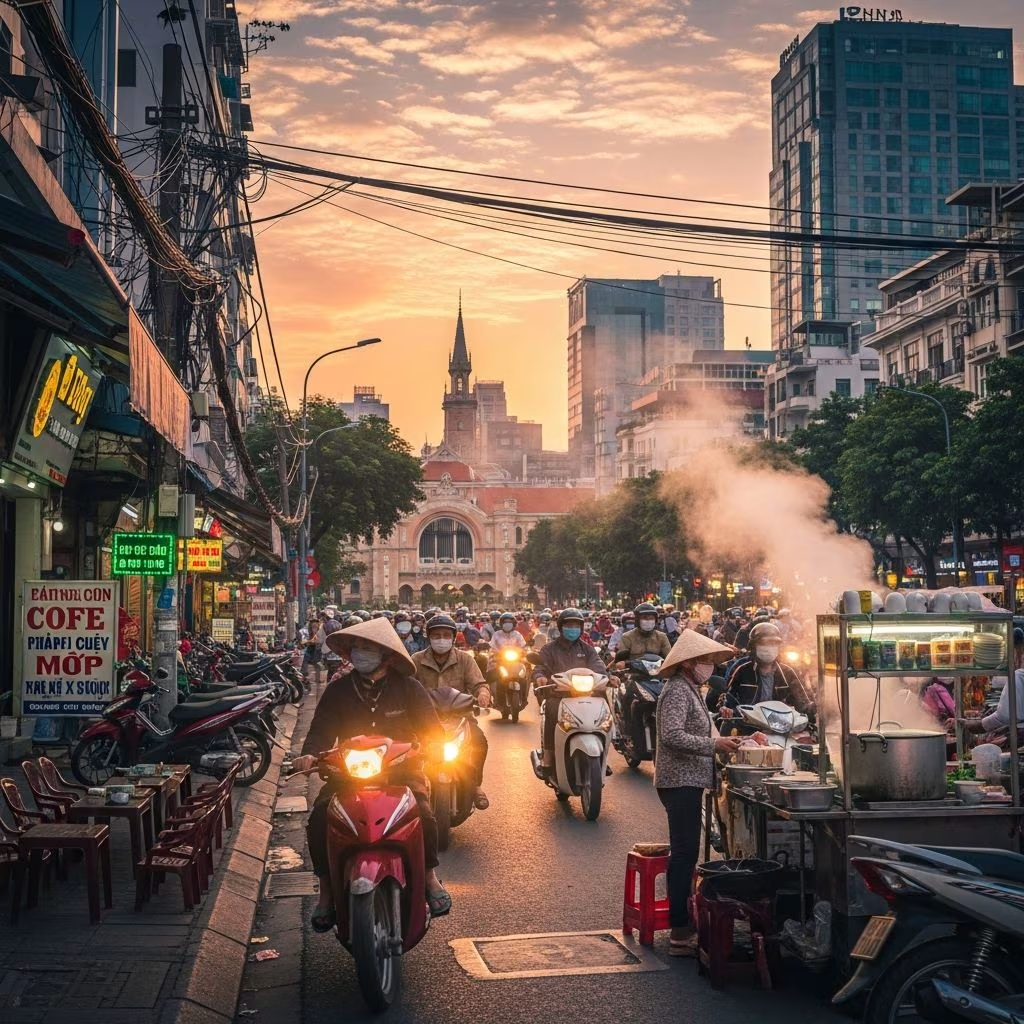
Ho Chi Minh City, Vietnam’s vibrant southern metropolis and former capital of South Vietnam, represents a compelling blend of historical significance and contemporary energy. This sprawling urban center demands thoughtful preparation before arrival to ensure visitors maximize their experience while navigating cultural differences and practical considerations. Understanding the nuances of this dynamic destination transforms a good trip into an unforgettable one.
Ho Chi Minh City operates on a tropical climate that influences travel planning significantly. The city experiences distinct seasonal variations that affect comfort levels, outdoor activities, and overall enjoyment.
Optimal Travel Window: The period from December through March represents the most favorable timeframe for visiting. During these months, temperatures range between 21b0C to 34b0C, offering comfortable conditions for exploration without excessive heat exposure. The reduced humidity levels during this dry season make walking through neighborhoods and visiting open-air markets substantially more enjoyable.
Climate Challenges: Conversely, March through May brings peak heat, with temperatures escalating and humidity intensifying. These months present physical challenges for those unaccustomed to tropical conditions, potentially limiting outdoor activities during midday hours. The monsoon season introduces heavy rainfall, which can disrupt outdoor plans and affect transportation reliability.
Arriving during the cooler months allows visitors to engage more actively with street-level attractions, explore architectural landmarks without excessive discomfort, and participate in market visits that would be exhausting during hotter periods. Pack appropriate clothing for your intended season, ensuring you have lightweight breathable fabrics for hot months and a light rain jacket for potential precipitation.
Moving through Ho Chi Minh City requires understanding its unique transportation ecosystem and street culture. The city’s layout and traffic patterns differ substantially from Western urban environments.
Crossing Streets Safely: Perhaps the most critical skill for new arrivals involves navigating the intense motorcycle traffic. Vietnamese streets present constant vehicular movement that can appear chaotic to outsiders but operates according to unspoken conventions.
This approach works because vehicle operators anticipate pedestrian movement and adjust accordingly. The key involves predictability rather than passivity.
Transportation Options: Multiple mobility solutions exist for navigating the city. Ride-hailing applications operate extensively throughout Ho Chi Minh City, offering convenient options for those uncomfortable with street crossing or desiring door-to-door service. Taxis remain available though slightly more expensive than alternative options. For budget-conscious travelers, the local bus network provides affordable transport, though signage challenges may complicate independent navigation. Many visitors opt for guided tours during initial days to build confidence navigating the urban landscape.
Ho Chi Minh City’s built environment tells stories spanning centuries, with structures representing various periods of Vietnamese history and foreign influence.
French Colonial Legacy: As a former French colonial territory, Ho Chi Minh City retains substantial architectural heritage from this period. The Central Post Office showcases distinctive European design with Gothic and Renaissance influences, while Notre Dame Cathedral displays materials shipped from France, creating an incongruous yet compelling presence in the Vietnamese landscape. The Reunification Palace, People’s Committee Building, and Saigon Opera House continue this colonial architectural tradition, creating an interesting juxtaposition with modern Vietnamese development surrounding these structures.
Modern Ho Chi Minh City integrates narrow, tall residential buildings typical of Vietnamese construction with towering contemporary skyscrapers, creating a visual representation of rapid development balancing tradition with progress. Understanding this architectural narrative enriches walking tours and photography opportunities, as these buildings represent not merely structures but historical documents expressing cultural evolution.
A significant aspect of Ho Chi Minh City’s identity involves confronting and understanding its war history. This challenging but essential component of the Vietnamese experience warrants respectful engagement.
War Remnants Museum: The War Remnants Museum stands as one of Vietnam’s most visited institutions, attracting over half a million annual visitors. This museum presents perspectives on decades of conflict and its devastating consequences on Vietnamese society. The exhibits confront visitors with historical realities, requiring emotional preparation. The museum offers profound insights into Vietnamese resilience and the lasting impacts of prolonged warfare on families and communities.
C e Chi Tunnels: Located near Ho Chi Minh City, the C e Chi Tunnels represent an extensive network spanning over 250 kilometers of interconnected underground passages. These tunnels served multiple purposes during conflict: hiding places, living quarters, hospitals, and command posts. Modern visitors can crawl through specially widened sections (the originals measured considerably smaller), observe ingenious trap systems, and appreciate the extraordinary conditions under which Vietnamese fighters lived and operated.
Visiting these historical sites profoundly impacts most travelers, providing context for Vietnamese national identity and contemporary culture. Consider booking small group or private tours rather than large commercial operations to gain deeper insights and avoid tourist-focused presentations.
Shopping experiences in Ho Chi Minh City extend beyond commercial transactions to cultural interactions where negotiation and personal connection carry significance.
Ben Thanh Market Foundation: The city’s most prominent market, Ben Thanh, requires strategic approach for maximum benefit and satisfaction. Despite its tourist reputation, the market offers authentic merchandise from textiles to electronics to souvenirs. Arriving early provides multiple advantages: cooler temperatures, less crowded conditions, and vendor receptiveness before peak commercial periods.
| Shopping Strategy | Benefit |
|---|---|
| Morning Visits | Cooler temperatures, fewer crowds, better negotiating positions |
| Reconnaissance First | Understanding price ranges before committing to purchases |
| Genuine Interest | Vendors reward authentic curiosity with better pricing |
| Walking Away | Demonstrates negotiation seriousness; often results in recalled vendors |
Negotiation Fundamentals: The haggling tradition represents cultural practice rather than adversarial interaction. Approaching negotiations with friendliness and respect transforms the experience from confrontational to collaborative. Begin offers at approximately half the stated price, maintaining a smile and pleasant demeanor throughout discussions. Vendors often counter-offer, creating a dialogue rather than an argument. Understanding this cultural norm prevents misunderstandings and frequently results in satisfying transactions benefiting both parties.
Ho Chi Minh City’s food culture encompasses an extraordinary range from street-level stalls to fine-dining establishments, each offering authentic expressions of Vietnamese gastronomy.
Street Food Excellence: Vietnamese street food represents exceptional value and genuine flavor, prepared by passionate vendors perfecting their craft over years or decades. These culinary professionals maintain rigorous standards despite minimal physical infrastructure, creating dishes of remarkable quality. Street food experiences provide not merely meals but cultural immersion, as vendors and customers engage in daily rituals reflecting community values and traditions.
Dining Range: The city accommodates diverse dietary preferences and budgets. Elevated restaurants offer refined Vietnamese cuisine in comfortable settings, while night markets showcase regional specialties in casual atmospheres. Understanding where locals eat versus tourist-focused establishments helps travelers experience authentic flavors and reasonable pricing. Asking hotel staff or local residents for recommendations often reveals exceptional venues unknown to guidebooks.
Vietnamese spirituality manifests through temples and pagodas reflecting Buddhist, Taoist, and folk religious traditions. These spaces merit respectful visitation and provide peaceful refuges from urban intensity.
Jade Emperor Pagoda: This richly decorated Taoist temple offers serene atmosphere and exemplary Vietnamese religious architecture. The pagoda welcomes visitors during morning hours when fewer crowds permit peaceful observation and reflection. The intricate wood carvings and turtle pond outside create contemplative environments where photography captures both artistic beauty and spiritual significance. While entry is free, visitors typically contribute modest donations acknowledging the space’s maintenance requirements.
Visiting temples during morning periods maximizes tranquility and permits unhurried exploration of decorative elements and architectural details. Understanding temple etiquetteadaremoving shoes in designated areas, maintaining quiet respectful demeanor, avoiding disruptive photographyadademonstrates cultural sensitivity and enhances the experience for oneself and others present.
Ho Chi Minh City’s vibrant nightlife and entertainment options cater to diverse preferences and energy levels.
District 1 Hub: The city’s primary entertainment concentration occurs in District 1, where restaurants, bars, clubs, and quality hotels cluster together, facilitating evening explorations. The famous Bui Vien backpacker area offers budget-friendly drinking experiences, casual camaraderie among international travelers, and authentic local interactions. Sky-bars provide elevated vantage points for observing the city’s evening transformation and enjoying sunset views.
Blending Western and Asian cultural influences, Ho Chi Minh’s entertainment scene reflects the city’s hybrid identity. Visitors encounter everything from traditional Vietnamese music performances to international DJ sets, from ancient temple ceremonies to contemporary art galleries. This cultural fusion allows travelers to design evenings matching personal preferences and energy levels.
Ho Chi Minh City maintains generally good safety for visitors who exercise reasonable precautions. Avoid displaying expensive electronics or jewelry, remain aware in crowded areas, and trust your instincts regarding unfamiliar situations. Most travelers experience their visit without incident.
Budget ranges dramatically based on preferences. Budget travelers spending $20-30 daily can enjoy street food and modest accommodations. Mid-range travelers typically spend $50-100 daily, while luxury visitors may spend $150+ daily. Street food costs mere dollars, while fine dining may cost $20-40 per person.
English is increasingly common in tourist areas, restaurants, and hotels, but Vietnamese remains the primary language. Learning basic Vietnamese phrases demonstrates respect and often results in warmer interactions. Smartphone translation applications bridge communication gaps effectively.
Booking 2-3 months in advance ensures better selection and pricing, particularly if traveling during December-February peak season. Last-minute bookings may offer discounts but provide limited options.
Ho Chi Minh City rewards thorough preparation with transformative experiences. Understanding climate variations, transportation systems, historical context, and cultural expectations permits meaningful engagement with this complex metropolis. The city’s contradictionsadancient temples alongside modern skyscrapers, tragic history alongside contemporary resilience, tradition alongside rapid innovationacreate an environment that challenges and enriches visitors. Approaching Ho Chi Minh City with cultural sensitivity, curiosity, and appropriate preparation ensures an experience transcending typical tourism, enabling genuine connection with Vietnamese people and their compelling narrative.
