

 Travel Essentials
 Travel Essentials

Explore Hokkaido's stunning landscapes, winter sports, hot springs, and Ainu heritage in this comprehensive first-timer's guide to planning an unforgettable journey.
 Travel Essentials
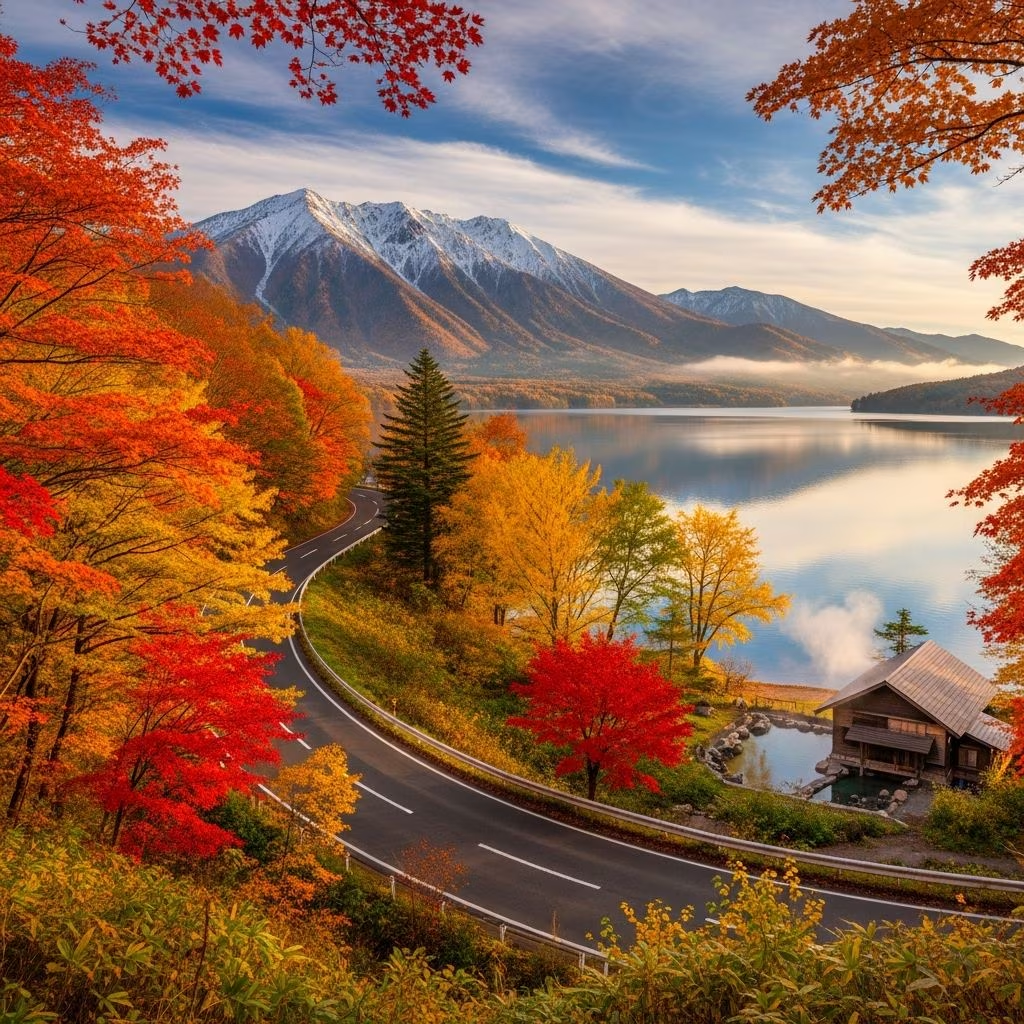
Hokkaido, Japan’s expansive northern frontier, captivates with its pristine wilderness, world-renowned winter powder, and rich cultural tapestry. This guide equips newcomers with everything needed to craft a memorable adventure amid its volcanic landscapes, steaming hot springs, and vibrant cities.
Spanning over 83,000 square kilometers, Hokkaido stands as Japan’s second-largest island, offering a stark contrast to the mainland’s urban density. Its dramatic seasonal shifts—from powdery winters ideal for skiing to lush summers perfect for hiking—draw adventurers year-round. The island’s indigenous Ainu heritage adds cultural depth, while abundant seafood and dairy products elevate its culinary scene.
Unlike Tokyo’s hustle, Hokkaido promotes a leisurely rhythm. Visitors revel in national parks like Daisetsuzan, where trails wind through alpine meadows, or Shiretoko, a UNESCO site teeming with brown bears and marine life. Winter transforms it into a skier’s paradise, with resorts boasting Japan’s fluffiest snow.
Winter demands preparation for cold snaps, dipping to -10°C in Sapporo, while summers hover around 20-25°C. Pack layers regardless of season.
Most journeys begin at New Chitose Airport near Sapporo, with direct flights from Tokyo (90 minutes) or international hubs. From there, high-speed trains, buses, or rentals facilitate exploration. Hokkaido’s vastness—larger than many countries—necessitates efficient transport.
| Option | Pros | Cons | Best For |
|---|---|---|---|
| Rental Car | Flexibility, scenic drives, least crowded roads | International license required, winter tires mandatory | Groups, rural areas |
| JR Hokkaido Rail Pass | Covers trains/buses, unlimited travel | Multiple transfers for some routes | Solo travelers, cities |
| Buses | Affordable, extensive network | Slower, less frequent in winter | Budget trips |
Renting a car shines for southern routes like Sapporo to Niseko, where public options involve connections. Secure an International Driving Permit beforehand.
This flexible 7-day plan prioritizes southwest Hokkaido’s gems, accessible from Sapporo. Adjust for seasons or interests.
Kick off in Hokkaido’s bustling capital. Stay near Sapporo Station or Odori Park for convenience. Iconic spots include the historic Clock Tower, a 1878 relic symbolizing the city’s Meiji-era roots. Dive into brewing history at the Sapporo Beer Museum, complete with tastings of crisp lagers born here in 1876.
Ascend the Sapporo TV Tower for panoramic views of Odori Park, especially magical during winter illuminations. Sample ramen varieties—miso, shoyu, or butter corn—at lively eateries. Evening calls for Susukino’s izakayas, buzzing with locals over grilled seafood skewers.
A 30-minute train ride west, Otaru charms with its canal lined by Taisho-era warehouses, now galleries and sake breweries. Stroll the glassworks district, crafting souvenirs, and savor fresh sushi at the morning market. Return to Sapporo by dusk.
Head to Niseko United, encompassing Hirafu, Hanazono, and Rusutsu resorts around Mount Annupuri. World-class powder—often 15m annually—attracts global skiers. Stay ski-in/ski-out; thrill-seekers tackle tree runs in Hanazono. Après-ski features international cuisine and hot springs. Non-skiers snowshoe or soak in rotenburo.
Journey south to Noboribetsu Onsen, amid hell valley’s steaming vents and sulfurous pools. Hike trails revealing bears (from afar) and multicolored hot springs. Overnight at a ryokan for kaiseki dinners and private baths. Nearby Lake Toya offers caldera views and fireworks in summer.
End at Hakodate, ferrying or training south. Dawn at the Morning Market yields wriggling squid (ika odori don) and crab. Ascend Mount Hakodate for starry night vistas, one of Japan’s top three. Explore Motomachi’s Western architecture and Goryokaku Fort’s star-shaped ramparts, blooming pink in spring.
Honor Hokkaido’s first inhabitants at Upopoy National Ainu Museum near Shiraoi. Interactive exhibits showcase carvings, dances, and attire; the recreated village immerses visitors in traditions like mukkuri mouth harps. Venture east to Kushiro for Lakes Akan and Mashu, red-crowned crane sanctuaries, or Shiretoko for bear spotting.
Pair with jingisukan (lamb grill) or soup curry, a spicy local staple.
A week covers highlights; 10-14 days allow deeper dives like Asahikawa’s zoo or eastern parks.
Yes, roads are uncrowded; opt for automatic transmissions and snow chains in winter.
Niseko for powder, Furano for backcountry.
Available in cities; seek katsu curry or veggie ramen.
Check JNTO for visas; no major hurdles post-2023.
From adrenaline-fueled descents to tranquil onsen dips, Hokkaido blends thrill and serenity. Prioritize experiences matching your pace—whether chasing auroras or foraging berries. Sustainable practices, like sticking to trails, preserve its allure for future explorers.
