

 Travel Essentials
 Travel Essentials

Navigate Hong Kong like a local with insights on top attractions, neighborhoods, transportation, dining, and practical tips for an unforgettable Asian adventure.
 Travel Essentials
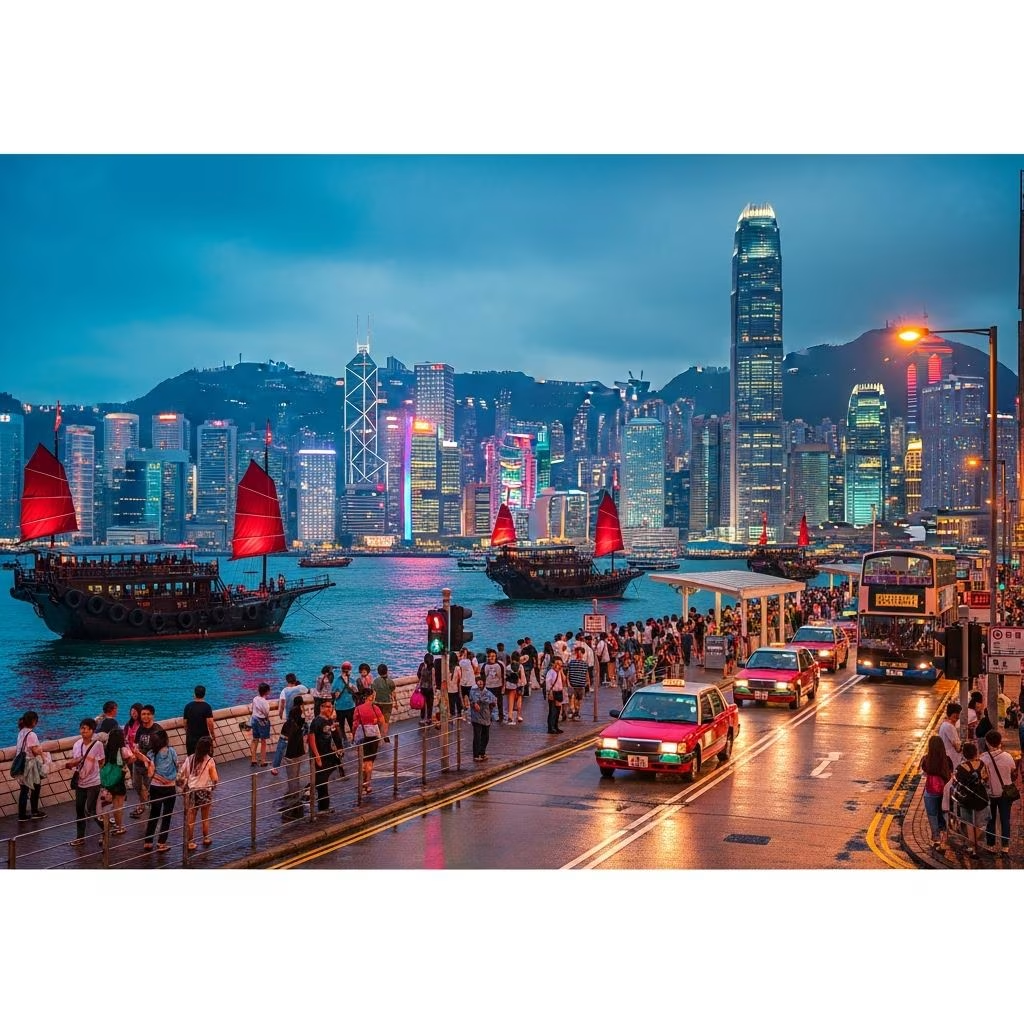
Hong Kong stands as one of Asia’s most dynamic and captivating destinations, offering visitors an intoxicating blend of modern metropolitan energy and traditional Chinese heritage. This Pearl of the Orient transforms dramatically between day and night, revealing different facets of its multifaceted character. Whether you’re seeking world-class shopping, stunning harbor views, authentic street food, or cultural immersion, Hong Kong delivers experiences that cater to every traveler’s interests.
The geography of Hong Kong fundamentally shapes how visitors experience the city. Victoria Harbour serves as the natural dividing line between two distinctly different yet equally compelling areas, each offering unique characteristics and attractions.
The Kowloon side, located south of the harbor, maintains stronger connections to Hong Kong’s traditional roots. Districts including Tsim Sha Tsui, Jordan, and Mong Kok showcase the city’s bustling street-level energy and authentic local atmosphere. These neighborhoods pulse with activity, featuring crowded markets, small restaurants tucked into narrow alleys, and neighborhoods where daily life unfolds much as it has for generations. The energy here feels raw and genuine, offering visitors a window into how ordinary Hongkongers navigate their urban environment.
Across Victoria Harbour, Hong Kong Island presents a more refined and contemporary face. Central emerges as the city’s polished core, where gleaming office towers, upscale dining establishments, art galleries, and nightlife venues seamlessly blend together. The British colonial influence remains visible in Sheung Wan’s heritage architecture and the overall urban design. Admiralty, Wan Chai, and Causeway Bay extend the island’s modern infrastructure and cosmopolitan character. Walking through these neighborhoods reveals how efficiently and methodically Hong Kong operates as a global financial center.
Hong Kong’s most celebrated visual asset is undoubtedly its harbor, and experiencing it from multiple perspectives should be a priority for any visitor.
Victoria Peak represents Hong Kong’s premier viewpoint, offering unobstructed vistas across the entire harbor, surrounding islands, and urban skyline. The historic Peak Tram, operational for over a century, delivers passengers to the summit in minutes, climbing at a dramatic angle that itself becomes part of the experience. From the peak’s observation terraces, the city unfolds in all directions—a mesmerizing tapestry of dense development punctuated by green spaces and water. The Peak Circle Walk provides an alternative perspective, guiding visitors along a scenic pathway that reveals the landscape from different angles. Evening visits prove particularly rewarding, as darkness transforms the skyline into a glittering display of architectural light.
Experiencing Victoria Harbour from water level offers an entirely different appreciation of the cityscape. The Star Ferry, operating for more than 130 years, transports over 700,000 passengers daily across the harbor. The ferry ride itself constitutes a memorable activity beyond its transportation function, offering intimate proximity to the skyline and working harbor activity. Night crossings prove especially spectacular, with the shoreline ablaze with architectural illumination reflecting on the dark water.
Nightly at 8 PM, over 40 buildings participate in a synchronized light and music display that transforms the harbor into a theatrical stage. This coordinated performance combines architectural lighting, projection mapping, and musical accompaniment to create a mesmerizing show that celebrates Hong Kong’s urban energy and technological sophistication.
Beyond natural vistas, Hong Kong offers numerous venues where visitors engage with the city’s cultural identity and contemporary creative expression.
PMQ, housed in a heritage building, functions as a vibrant creative center showcasing local designer boutiques, rotating art exhibitions, and cultural programming that reflects Hong Kong’s contemporary artistic scene. Central Market, recently revitalized, blends traditional market architecture with modern design sensibilities, offering local snacks, handcrafted items, and souvenirs. Art Lane in Sheung Wan displays bold murals and street installations that demonstrate how contemporary artistic expression coexists with the neighborhood’s traditional character.
The Avenue of Stars, positioned along the Tsim Sha Tsui waterfront, honors Hong Kong’s legendary film industry. Celebrity handprints, sculptures, and commemorative plaques line the promenade, which also functions as a prime vantage point for harbor observation. This waterfront destination successfully merges entertainment history with contemporary tourism experiences.
Hong Kong’s markets represent essential destinations for understanding local commerce, consumer behavior, and authentic urban life. These venues offer far more than shopping opportunities—they provide windows into how residents source daily necessities and engage in traditional commerce.
| Market | Character | Best Time to Visit | Primary Offerings |
|---|---|---|---|
| Mong Kok Markets | Crowded, loud, highly functional | Evening hours | Varied goods, local goods, realistic pricing |
| Temple Street Night Market | Energetic, atmospheric | Evening/night | Street food, souvenirs, clothing |
| Ladies Market | Popular, accessible | Daytime | Fashion, accessories, daily items |
| Stanley Market | Relaxed, tourist-friendly | Daytime | Clothing, crafts, casual items |
Market pricing rarely qualifies as bargain-level, but the sheer variety of merchandise and authentic local atmosphere make browsing worthwhile. Success in market environments depends upon managing expectations appropriately and approaching the experience as cultural immersion rather than optimization of savings.
Hong Kong’s transportation network ranks among the world’s most efficient and user-friendly systems. The MTR (Mass Transit Railway) connects virtually every significant neighborhood and attraction, with fares starting as low as HK$4.90. The elevated viaduct system allows visitors to observe the city from multiple elevations, while the ferry network provides both transportation function and recreational appeal. Understanding and utilizing these systems efficiently becomes essential for maximizing time and minimizing frustration during a visit.
With over 15,000 restaurants operating throughout the territory, Hong Kong functions as a culinary destination of remarkable depth and diversity. The dining ecosystem ranges from Michelin-starred establishments serving refined contemporary cuisine to street stalls offering quick, authentic, and inexpensive meals. Food tours provide structured opportunities for culinary exploration, particularly through market districts where numerous vendors compete for customer attention. Street food experiences in markets like Temple Street offer sensory immersion—the sights, sounds, smells, and tastes of Hong Kong’s gastronomic identity.
Central represents Hong Kong at its most polished and efficient, where commercial, cultural, and entertainment activities converge without strict boundaries. Walking through Central provides tangible insights into how the city functions as a global financial center while maintaining pockets of history, artistry, and culinary excellence. This neighborhood balances development and heritage, modernity and tradition.
The Tsim Sha Tsui waterfront area functions as Hong Kong’s premier tourist district, combining the Avenue of Stars, museum institutions, harbor views, and extensive shopping and dining options. This concentrated area delivers multiple significant attractions without requiring extensive travel between destinations, making it ideal for first-time visitors or those with limited time.
While Hong Kong itself provides weeks’ worth of exploration, nearby destinations offer worthwhile variations on the experience. Macau, accessible via MTR connections and regional ferry service at costs around HK$180, presents Portuguese colonial architecture, gambling establishments, and distinct cultural characteristics. Other island destinations provide beach experiences and alternative perspectives on the territory.
Visitors planning trips during significant cultural periods—such as Chinese New Year—should anticipate increased crowds and modify expectations accordingly. Advance planning becomes particularly important during major holidays when attractions operate under altered schedules and transportation systems experience heightened demand.
Hong Kong accommodates travelers with varying budget parameters. Transportation costs remain remarkably reasonable, with ferry rides and MTR fares representing genuine budget opportunities. Food options span from extremely affordable street meals to luxury dining experiences. Attraction entry fees vary considerably, from free harbor-side strolling to paid experiences like peak observation decks and museum admissions ranging from HK$190 upward.
| Location | Weekday Hours | Weekend Hours |
|---|---|---|
| Peak Tower (mall/shops/restaurants) | 10:00 AM – 11:00 PM | 8:00 AM – 11:00 PM |
| Sky Terrace 428 (view deck) | 10:00 AM – 10:00 PM | 8:00 AM – 10:00 PM |
| Madame Tussauds Hong Kong | 10:30 AM – 9:30 PM | 10:30 AM – 9:30 PM |
Evening visits prove optimal, allowing visitors to experience the sunset and the transition to nighttime illumination. However, daytime visits offer clearer visibility for photography and detailed landscape observation.
Visit during evening hours for the most vibrant atmosphere. Approach markets as cultural experiences rather than shopping missions, maintain realistic expectations about pricing, and allow time to absorb the environment rather than rushing through transactions.
Tsim Sha Tsui on the Kowloon side combines accessibility, concentrated attractions, and authentic atmosphere in a manageable geographic area. Central on Hong Kong Island offers urban sophistication and cultural depth. Splitting time between both sides of the harbor provides balanced perspective.
Yes, absolutely. While primarily a transportation utility, the ferry ride itself constitutes a memorable activity offering unique perspectives on the harbor and skyline, particularly during evening hours.
Focus on harbor experiences (Victoria Peak, Star Ferry, Symphony of Lights), waterfront promenades (Tsim Sha Tsui, Avenue of Stars), and one significant neighborhood exploration (either Central or Mong Kok/Jordan). Supplement with market or food experiences based on personal interests.
Hong Kong rewards visitors who embrace spontaneous exploration alongside planned activities. The efficient transportation system enables rapid transitions between neighborhoods, encouraging exploration beyond predetermined itineraries. Successful visitors balance structured attractions with unplanned wandering through neighborhoods, street-level discovery in markets, and casual meals at neighborhood restaurants.
The city’s vertical architecture creates constant visual interest and navigational challenges that ultimately enhance the exploration experience. What appears as a simple neighborhood street at ground level reveals hidden restaurants, boutiques, and cultural spaces at higher elevations. This three-dimensional urban complexity distinguishes Hong Kong from flatter cities and rewards curious exploration.
Understanding the fundamental geographic and cultural divide between Kowloon’s traditional character and Hong Kong Island’s modern sophistication allows visitors to consciously experience different versions of the city. Rather than experiencing Hong Kong as a monolithic destination, visitors benefit from recognizing how different neighborhoods manifest distinct personalities while sharing the overall Hong Kong character.
