

 Travel Essentials
 Travel Essentials

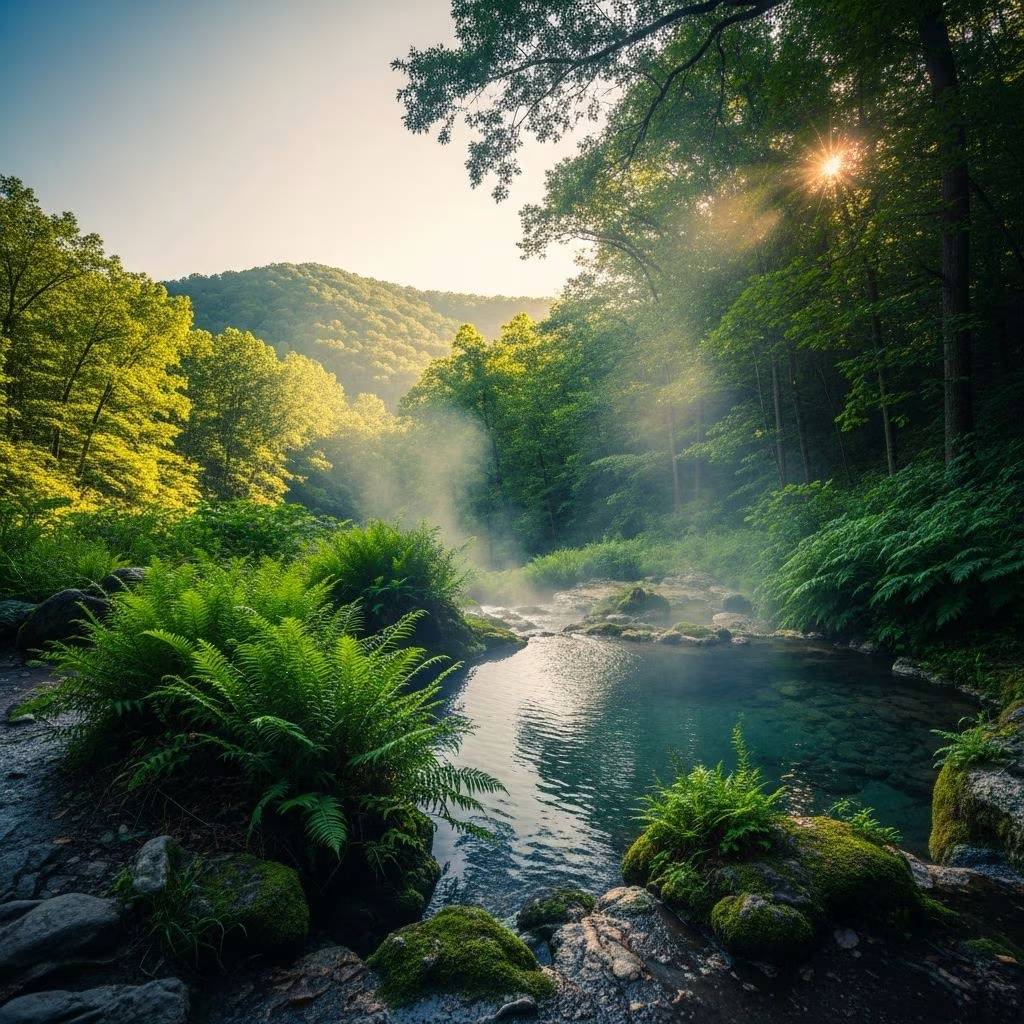
Explore Hot Springs National Park: thermal springs, Bathhouse Row, hiking trails, and tips for an unforgettable visit to this Arkansas gem.
 Travel Essentials
Hot Springs National Park in Arkansas offers a distinctive blend of natural wonders and urban accessibility, centered around its famous thermal springs and historic bathhouses. Established as the United States’ first national park in 1832 before the term was official, it preserves 47 hot springs flowing at about 143°F, protected for public use. Unlike remote wilderness parks, this one integrates seamlessly into the city of Hot Springs, allowing visitors to enjoy geothermal soaks, scenic hikes, and cultural sites without leaving town.
The park’s story begins with indigenous peoples who revered the springs for their therapeutic qualities long before European settlers arrived. By the 19th century, the area boomed as a spa destination for celebrities and presidents, earning nicknames like “America’s First Resort.” The federal government took control in 1832 to prevent commercialization, capping the springs and channeling water to Bathhouse Row. Today, it stands as a testament to hydrotherapy’s golden age, with architecture reflecting Beaux-Arts grandeur amid the Ouachita Mountains.
Geologically, the springs emerge from ancient rock layers deep underground, heated by the Earth’s core and filtered through novaculite formations unique to the region. Only 27 springs supply drinkable water, tested regularly for safety by the National Park Service. This natural phenomenon draws over a million visitors annually, blending wellness traditions with outdoor recreation.
Bathhouse Row, a National Historic Landmark District spanning four blocks along Central Avenue, features eight elegant bathhouses built between 1892 and 1923. These ornate structures, with their terracotta roofs and colonnades, once catered to spa-goers seeking relief from ailments like arthritis and rheumatism. While most now serve as museums, shops, or breweries, a few still offer traditional thermal baths.
Entry to the row is free, but soaks range from $40–$80. Note photography restrictions inside active bathhouses for privacy.
With 26 miles of maintained trails weaving through forested mountains, the park suits hikers from novices to experts. Trails offer shade, overlooks, and solitude despite the urban setting. Start at the Fordyce for maps and conditions.
| Trail Name | Length | Difficulty | Highlights |
|---|---|---|---|
| Sunset Trail | 10–17 miles | Strenuous | Remote terrain across West, Sugarloaf, and Stonebridge sections; valley views; combinable loops. |
| Hot Springs Mountain Trail | 1.7 miles loop | Easy | Observation tower access, panoramic vistas, shaded paths. |
| Whittington Trail | 1.2 miles loop | Easy/Accessible | Wheelchair-friendly, forested loop on West Mountain. |
| Goat Rock Trail | 2.1 miles | Moderate | Novaculite boulders, 380-ft elevation to overlook. |
| Gulpha Gorge Trail | 1.2 miles | Moderate | Steep start, connects to other trails, creek views. |
The Sunset Trail stands out for adventurers, traversing diverse ecosystems with options for shorter segments. Families appreciate accessible paths like Whittington, while Peak Trail (1.2 miles) leads directly to the Hot Springs Mountain Tower for 360-degree sights.
For non-hikers, 27 miles of park roads provide stunning drives. The Hot Springs Mountain Summit Road ends at the 216-foot observation tower ($1 admission), offering vistas of the city, lakes, and mountains. Drive the 3.5-mile loop via Reserve Street for pullouts at Goat Rock and other viewpoints. Spring wildflowers and fall foliage enhance these routes, best in shoulder seasons to dodge summer heat.
Hot Springs welcomes all ages with interactive options. The Junior Ranger Program, free at the Fordyce, engages kids 5–12 with badges earned through activities like spring tasting and scavenger hunts. Ranger-led tours cover history and ecology; check schedules at the visitor center. Stroll the half-mile Grand Promenade, a brick walkway under Bathhouse Row with interpretive panels on spa-era life.
Picnic areas abound at Gulpha Gorge and Piney bayside, with grills and tables. Birders spot over 200 species; trails double as wildlife corridors.
Park admission is free—no gates or fees—making it budget-friendly. Bathhouses and tower charge separately. Visit spring (March–May) or fall (September–November) for mild weather and fewer crowds; summers hit 90°F+. Allocate half a day for essentials: visitor center, promenade, tower. Full day adds hikes or soaks; overnighters explore all 26 miles.
Getting There: Fly into Little Rock (55 miles) or Memphis (three hours drive). Downtown Hot Springs has ample hotels, from historic Arlington Resort to campgrounds at Gulpha Gorge.
Tips:
Quaff brews at Superior Bathhouse Brewery, where thermal water meets craft suds. Artist-in-Residence exhibits at Ozark Bathhouse showcase local talent. Mountain bike designated trails or join guided tours. For wellness, try co-ed pools at Quapaw or traditional loofah scrubs at Buckstaff.
Nighttime reveals glowing bathhouses and starry skies from high points, contrasting city lights below.
Yes, for its unique springs, history, and accessibility—perfect for 1–3 days.
No, bathing is in controlled bathhouses only to protect sources.
Trails range 1–17 miles; most day hikes 1–3 miles.
Yes, on leashes in developed areas and some trails; not in buildings.
Buckstaff for tradition, Quapaw for modern luxury.
