
 Stays
StaysStays
Hotel Composting Solutions for Food Waste Reduction
Explore innovative composting strategies hotels use to cut food waste, from on-site digesters to guest-involved programs, reducing environmental impact and costs.
 Stays
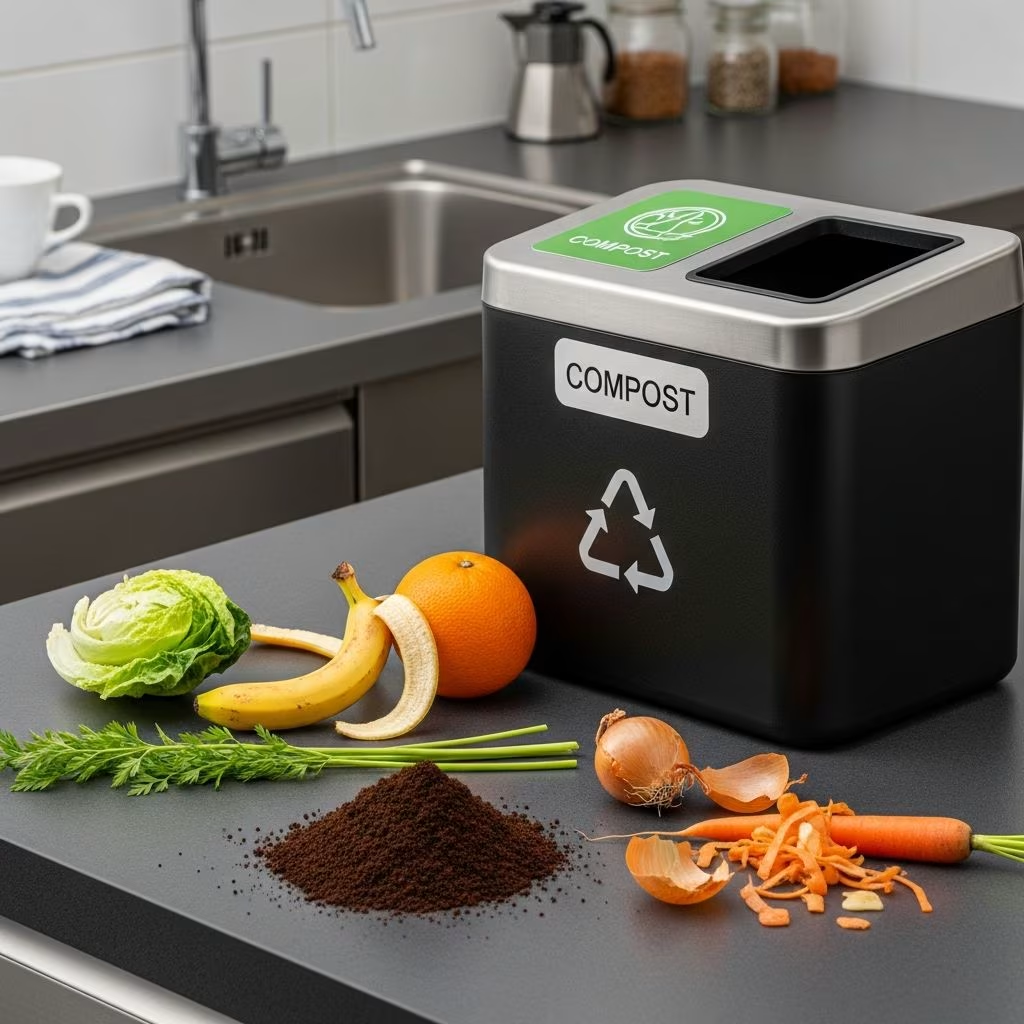
StaysIn the bustling world of hospitality, where lavish buffets and gourmet kitchens generate massive amounts of organic waste, innovative solutions are emerging to combat the environmental toll. Hotels are increasingly turning to composting and advanced digestion technologies to transform food scraps into valuable resources, diverting thousands of pounds from landfills annually and fostering sustainable operations.
The Scale of Food Waste in Hospitality
The hospitality sector faces a staggering challenge with food waste. Buffets alone account for a significant portion, often up to 73% of total hotel food waste, according to recent studies. A single busy property can produce hundreds of tons yearly, contributing to methane emissions in landfills—greenhouse gases 84 times more potent than carbon dioxide. This not only burdens the planet but also inflates operational costs through higher disposal fees.
Recognizing this, forward-thinking hotels are measuring waste meticulously to identify hotspots like kitchens, events, and room service. Tools and training programs help staff track and prevent excess from the outset, setting the stage for effective composting initiatives.
Why Composting Matters for Hotels
Composting converts organic waste into nutrient-rich soil amendments, closing the loop in hotel ecosystems. Beyond diversion, it enriches on-site gardens, rooftops, or partner farms, supporting farm-to-table concepts. Cost savings are immediate: reduced hauling fees and potential revenue from selling compost. Environmentally, it slashes carbon footprints— one initiative diverted 230,000 pounds of waste, cutting emissions by nearly 50 tons and saving over €16,000 yearly.
- Waste Diversion: Keeps organics out of landfills, minimizing methane release.
- Soil Production: Creates fertilizer for landscaping, enhancing property aesthetics.
- Guest Appeal: Attracts eco-conscious travelers seeking green credentials.
- Regulatory Compliance: Aligns with tightening waste laws in many regions.
On-Site Digestion Technologies Revolutionizing Waste Management
Modern hotels leverage compact digesters that accelerate breakdown without traditional composting’s space or odor issues. These machines use bacteria, enzymes, or aeration to process scraps into compost or liquid fertilizer in days, not months.
| Method | Process | Best For | Output |
|---|---|---|---|
| Aerobic Digestion | Oxygen-aided microbial breakdown | Large kitchens | High-quality compost |
| Anaerobic Digestion | Oxygen-free conversion to energy/slurry | High-volume waste | Biogas, liquid fertilizer |
| Vermicomposting | Worm-assisted decomposition | Small-scale | Nutrient-dense vermicast |
| In-Vessel Composting | Controlled container system | Indoor use | Fast, odor-free compost |
One U.S. hotel’s digester diverted over 61,000 pounds of waste, yielding 5,000 gallons of water-like byproduct for irrigation. Another partnered for organic slurry that powers green energy, proving these systems scale from boutique to resort levels.
Real-World Hotel Success Stories
Leading properties showcase composting’s viability. A Texas luxury hotel introduced in-room bins, achieving zero-waste status—diverting 90% of trash within a year. Guests sorted organics alongside recycling, boosting participation.
In California, a waterfront Sheraton revamped its program post-audit, collaborating on energy-generating recycling that handles vast buffet outputs. Europe’s The Lodge slashed waste 60% using AI tracking and biodigesters, repurposing scraps into menu items and garden compost.
A New York farm-to-table spot’s aerobic digester feeds partner farms, creating a closed-loop cycle. These cases highlight adaptability: from lobby bins empowering events to enzymatic processors in back-of-house.
Implementing Composting: A Step-by-Step Guide
- Audit Waste: Quantify food waste streams via weigh-ins or apps.
- Segregate Properly: Deploy color-coded bins for organics, recycling, trash in kitchens and guest areas.
- Choose Tech: Select digesters matching volume—e.g., automatic machines for 500+ tons/year.
- Train Staff: Use toolkits like Hotel Kitchen for prevention, donation, diversion.
- Engage Guests: Offer room bins, signage, incentives for participation.
- Partner Up: Link with haulers, farms, or facilities for off-site processing.
- Monitor Progress: Track metrics like diversion rates, costs saved.
Start small: kitchen-only pilots expand to full-property as buy-in grows. Maintenance is key—regular cleaning prevents clogs, ensuring efficiency.
Guest Involvement: Making Sustainability Interactive
Hotels empower visitors with lobby compost stations, room-side bins, and educational placards. This fosters mindfulness, turning stays into eco-adventures. Properties report higher satisfaction scores among green travelers, who share experiences online, amplifying reach.
Incentives like loyalty points for low-waste rooms or compost demos during check-in enhance engagement without mandates.
Beyond Composting: Holistic Waste Reduction
Composting pairs with prevention: precise portioning, “perfect plate” campaigns, excess donations to food banks. Plastic cuts—refillable amenities, biodegradable packaging—round out efforts. Electronic recycling and paper minimization complete zero-waste pursuits.
These integrated approaches not only cut footprints but position hotels as sustainability leaders, drawing premium rates from conscious consumers.
Challenges and Solutions in Hotel Composting
Barriers include space constraints, staff resistance, odors. Solutions: compact in-vessel units, comprehensive training, ventilation tech. Initial costs offset by savings—many recoup investments in 1-2 years via lower fees and grants.
Regulatory hurdles vary; urban areas may require permits, but incentives like tax credits abound. Scalability shines: small inns use vermicompost; resorts deploy industrial digesters.
Future Trends in Hospitality Waste Management
AI waste trackers, blockchain-traced donations, hybrid digesters producing biofuel loom large. Collaborations with cities for municipal composting hubs will expand access. As travelers demand transparency, certifications like zero-waste badges will proliferate.
Global shifts, per EPA insights, underscore urgency: 85% of food-related emissions precede discard. Hotels pioneering now shape industry norms.
Frequently Asked Questions (FAQs)
What is the average food waste produced by a hotel?
Varies by size, but busy ones generate up to 500 tons yearly, with buffets driving 73%.
How quickly does a digester process waste?
Days to weeks, versus months for traditional piles, yielding usable compost rapidly.
Can small hotels afford composting equipment?
Yes—entry-level machines suit low volumes, with payback via savings and grants.
Does composting attract pests?
Modern enclosed systems prevent this; proper management ensures hygiene.
How does composting benefit hotel finances?
Diverts waste fees, produces free fertilizer, appeals to eco-guests boosting revenue.
Key Takeaways
- Composting transforms hotel food waste into assets, slashing emissions and costs.
- Digesters offer fast, scalable solutions for all property sizes.
- Guest-staff partnerships amplify impact, enhancing brand loyalty.
- Holistic strategies yield zero-waste goals, future-proofing operations.
References
- 3 unique ways hotels are addressing food waste — Hotel Dive. 2023-10-18. https://www.hoteldive.com/news/hotels-reducing-food-waste/693140/
- How Hotels Can Reduce Waste and Adopt Sustainable Practices — Smart Enviro Systems. 2023. https://smartenvirosystems.com/blog/how-hotels-can-reduce-waste-and-adopt-sustainable-practices/
- Sustainable Food Waste Solutions for Hotels & Restaurants — EcoRich Env. 2024. https://www.ecorichenv.com/article/food-waste-in-hospitality
- Waste Reduction — Responsible Stay. 2023. https://www.responsiblestay.org/waste-reduction/
- Hotel’s Innovative Practices For Eliminating Food Waste — All Ireland Sustainability. 2024-02-15. https://www.allirelandsustainability.com/hotels-innovative-practices-for-eliminating-food-waste/
- This is how Hotels can reduce their food waste — HomeBiogas. 2023. https://www.homebiogas.com/blog/hotels-food-waste/
On This Page
The Scale of Food Waste in Hospitality Why Composting Matters for Hotels On-Site Digestion Technologies Revolutionizing Waste Management Real-World Hotel Success Stories Implementing Composting: A Step-by-Step Guide Guest Involvement: Making Sustainability Interactive Beyond Composting: Holistic Waste Reduction Challenges and Solutions in Hotel Composting Future Trends in Hospitality Waste Management Frequently Asked Questions (FAQs) Key Takeaways← Previous
Kolkata Food Guide: Bengali, Mughlai, Indo-Chinese & Street Eats
Next →
Best Restaurants in Savannah, GA: Top Food Spots, Dishes & Dining Areas
Related Reading