
 Stays
StaysStays
Hotel Etiquette Guide: How to Be a Considerate Guest
Discover practical etiquette guidelines for hotel guests that promote mutual respect, comfort, and positive experiences for everyone during your travels.
 Stays
StaysStaying at a hotel involves more than simply booking a room and unpacking your belongings. It requires an understanding of shared spaces, awareness of others, and appreciation for the people who work behind the scenes to make your stay comfortable. Whether you’re traveling for business, leisure, or a special occasion, demonstrating proper hotel etiquette creates a positive environment for everyone involved—guests, staff, and management alike.
Understanding the Foundation of Hotel Courtesy
At its core, hotel etiquette is grounded in basic principles of respect and consideration. Hotels function as temporary homes for many people simultaneously, which means your actions directly impact others’ experiences. Recognizing this interconnectedness is the first step toward becoming a considerate guest.
The hospitality industry operates on the premise that guests are valued members of a temporary community. Staff members work long hours in physically demanding roles, often for modest compensation. When you approach your hotel stay with gratitude and mindfulness, you contribute to a workplace culture that benefits everyone. This perspective transforms hotel etiquette from a set of rules into a philosophy of mutual respect.
Building Positive Relationships with Hotel Staff
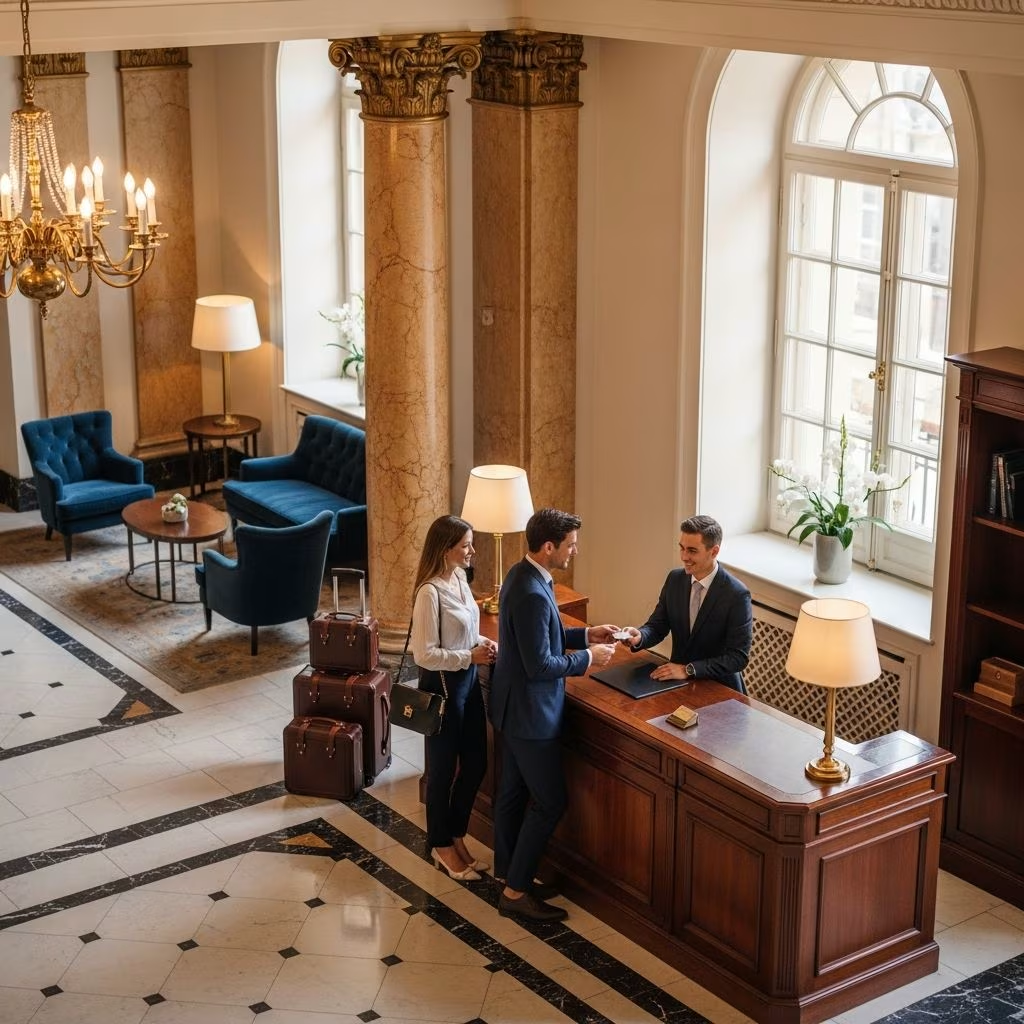
Your interaction with hotel personnel sets the tone for your entire stay. The first moment you enter the lobby represents an opportunity to establish a positive relationship with people who can significantly enhance your experience.
Making a positive first impression begins with courtesy and warmth. When greeting staff members, offer a genuine smile and make eye contact. These small gestures communicate that you view them as people, not merely service providers. If staff members are wearing name badges, use their names in conversation. This personal touch demonstrates attentiveness and respect for their individual identity.
Throughout your stay, maintain consistent politeness in all interactions. Whether requesting housekeeping services, asking for restaurant recommendations, or reporting a maintenance issue, approach staff with courtesy. Remember that they are managing multiple requests simultaneously and doing their best to accommodate all guests fairly. Expressing gratitude for their assistance, even for routine services, reinforces positive relationships and often results in enhanced service quality.
The Power of Personalized Gratitude
Simple acknowledgments can transform transactional relationships into genuine interactions. A brief thank-you note left on the nightstand or a kind word to housekeeping staff demonstrates appreciation that extends beyond monetary tips. Many hospitality professionals report that genuine recognition and respect from guests significantly improves job satisfaction.
Noise Management and Environmental Awareness
Hotels present unique acoustic challenges, as multiple rooms share walls, floors, and ventilation systems. Managing noise levels is essential for maintaining the comfort of your neighbors and demonstrating consideration for shared spaces.
Conversations within rooms often carry more than guests realize. Late-night telephone calls, television volume, and social interactions can easily disturb guests in adjacent rooms, particularly those with early morning commitments. Be mindful of the time when engaging in activities that generate sound. If you’re hosting guests in your room, keep conversations at a moderate level and be aware of how sound travels through the building.
Noise concerns extend beyond your private room. In common areas such as lobbies, hallways, elevators, and dining spaces, maintain appropriate volume levels. Groups dining together should be particularly attentive to collective noise volume, as excessive loudness can disrupt the experiences of other diners seeking a peaceful meal. These considerations reflect understanding that a hotel serves diverse guests with varying needs and preferences.
Timing Matters
Certain times of day demand heightened awareness. Early morning hours and late evening periods require additional sensitivity, as guests are more likely to be sleeping or seeking rest. Scheduling maintenance requests or vigorous activities during mid-day hours shows consideration for your neighbors’ schedules.
Maintaining Your Room and Respecting Common Spaces
While housekeeping staff handle professional cleaning, guests bear responsibility for basic room maintenance and cleanliness. This balance reflects mutual respect and acknowledgment of shared responsibility.
Room cleanliness responsibilities include tidying personal items before departing, organizing furniture to its original configuration, and disposing of trash appropriately. Before leaving your room, take a moment to assess the condition as you would your own home. Check for scattered items on bathroom counters, ensure pillows and cushions are arranged on furniture rather than left on floors, and confirm that personal belongings are removed from drawers and storage areas.
Housekeeping staff maintain demanding schedules with limited time per room. When guests leave rooms in reasonable condition, staff can complete their work more efficiently and move on to assist other guests. This efficiency directly impacts the hotel’s operational capacity and overall guest satisfaction across all rooms.
Spills, damages, or unusual situations should be reported promptly to management rather than left for staff to discover. This transparency allows hotels to address issues quickly and prevents assumptions about responsibility. Many hotels appreciate proactive communication about accidents or damage, as it demonstrates honesty and accountability.
Bathroom Etiquette Specifics
Bathrooms require particular attention. Simple practices include wiping down counters after using them, disposing of hair from drains, and returning toiletries to original positions. These actions prevent staff from inheriting unpleasant cleanup tasks and demonstrate basic hygiene awareness.
Navigating Special Situations with Grace
Hotel stays occasionally involve challenges or disappointments. How you address these situations reflects your character and impacts the resolution.
When encountering issues—such as maintenance problems, service delays, or unmet expectations—communicate concerns calmly and respectfully to management. Staff members respond more favorably to polite, specific feedback than to complaints delivered with frustration or anger. Describing exactly what occurred and what outcome would resolve the situation enables staff to assist you more effectively.
Recognize that staff have limited control over certain situations. A hotel being fully booked means an upgrade may not be available. Weather affecting flight schedules is beyond hotel management’s influence. Adjusting expectations based on circumstances and showing grace during challenges creates better outcomes for everyone involved.
Managing Group Dynamics and Family Considerations
Traveling with companions or family requires additional consciousness about collective impact. Groups inherently generate more noise and occupy more common space than individual travelers. Managing group behavior becomes essential when multiple people share a hotel experience.
Parents traveling with children should establish boundaries for acceptable noise levels and movement within the hotel. Supervising children in hallways, elevators, and common areas prevents disruptions to other guests. Many hotels offer family-friendly amenities specifically designed to accommodate children while maintaining overall property standards.
When traveling with friends or larger groups, designate one room as a gathering space rather than rotating between multiple rooms. This concentration of activity minimizes hallway noise and disruption. Encourage group members to respect quiet hours and remind everyone about the shared nature of the hotel environment.
Environmental Consciousness and Modern Guest Responsibilities
Contemporary hospitality increasingly emphasizes environmental sustainability. Guests can contribute meaningfully to these efforts through simple choices during their stay.
Many hotels now offer options to decline daily housekeeping services, reducing water usage and laundry demands. Guests choosing this option often receive small rewards, such as complimentary amenities or minibar credits, creating a win-win situation. Reusing towels, taking shorter showers, and avoiding unnecessary waste support environmental goals while respecting operational efficiency.
Understanding that your choices within a hotel room influence broader environmental impact demonstrates modern hospitality consciousness. Reading hotel communications about sustainability initiatives and participating where possible shows alignment with institutional values.
The Business Traveler’s Additional Considerations
Business travelers face unique situations requiring specific etiquette awareness. Conference calls, meetings conducted in rooms, and irregular schedules demand heightened sensitivity to noise and timing.
When conducting video conferences or phone meetings from your room, ensure your audio equipment functions properly and use headphones when possible. Schedule calls during reasonable hours and alert housekeeping in advance if you require a “do not disturb” period for extended meetings. This coordination prevents disruptions and allows staff to plan their cleaning schedules efficiently.
Technology and Modern Hotel Etiquette
Contemporary hotels increasingly offer technology-enabled services such as mobile check-in, in-room tablets, and digital service requests. Using these tools properly represents modern etiquette.
Familiarize yourself with available technology during check-in. Understanding how to access services through digital platforms, adjust in-room systems, and communicate requests electronically enables independent problem-solving and reduces unnecessary front desk inquiries. However, maintain the human element by addressing complex concerns or special requests through direct staff interaction rather than relying solely on digital communication.
Departure Practices and Final Impressions
Your final interactions with hotel staff create lasting impressions that influence how establishments remember your visit. Before checking out, ensure your room is in acceptable condition. Return borrowed items such as hangers, coat racks, or information binders. Dispose of trash appropriately and remove all personal belongings.
Express gratitude to staff at checkout. A brief acknowledgment such as “Thank you for making my stay pleasant” or “I appreciated the excellent service” reinforces positive relationships. These parting words take minimal effort but significantly impact staff morale and may influence future experiences if you return to that establishment.
FAQs About Hotel Guest Etiquette
- Should I tip housekeeping staff daily or at checkout?
- Daily tips of $2-5 per night ensure your current housekeeper receives recognition for their work on your behalf. This approach is generally preferred to lump-sum tips at checkout, as daily housekeeping may involve multiple staff members.
- What should I do if I damage hotel property?
- Report damages immediately to the front desk. Honesty prevents misunderstandings and often results in more favorable outcomes than attempting to conceal damage. Many hotels understand that accidents happen and appreciate transparent communication.
- Is it appropriate to ask staff for restaurant recommendations?
- Absolutely. Hotel staff typically have extensive local knowledge and enjoy sharing recommendations. Their insights often include hidden gems and authentic experiences that guidebooks may not feature.
- How should I handle complaints about room conditions?
- Contact the front desk promptly and describe the specific issue clearly. Request what would remedy the situation—such as a room change, maintenance visit, or specific accommodation. Polite, specific feedback enables faster resolution.
- What are quiet hours at most hotels?
- While specific policies vary by property, most hotels observe quiet hours from 10 PM to 8 AM. Checking your room information or asking staff clarifies your specific hotel’s policies.
Creating a Culture of Mutual Respect
Ultimately, hotel etiquette extends beyond following rules—it represents a commitment to creating shared spaces where everyone’s comfort matters. When guests approach their stays with consideration, respect, and awareness, they contribute to hospitality environments where staff can excel, other guests can enjoy their experiences, and management can operate efficiently.
Your role as a hotel guest carries influence. Every interaction, every noise level decision, and every room condition you leave behind affects the workplace experience for staff and the comfort of other guests. By embracing these principles of respectful travel, you become not just a guest, but a valued member of the temporary community that makes hotels function successfully.
References
- Five Ways to Be a Perfect Hotel Guest — The English Manner. https://theenglishmanner.com/insights/hotel-etiquette/
- 15 Ways to Improve Hotel Customer Experience — Mews. https://www.mews.com/en/blog/enhance-hotel-guest-experience
- Ultimate 2026 Guide To Elevating Hotel Guest Satisfaction — Amadeus Hospitality. https://www.amadeus-hospitality.com/guest-satisfaction/
- 7 Small Ways to Make Hotel Guests Feel Special — Ecobnb. https://ecobnb.com/blog/2022/12/small-ways-make-hotel-guests-feel-special/
- 9 Easy Ways to Boost Hotel Guest Satisfaction — Revinate. https://www.revinate.com/blog/9-easy-ways-to-boost-hotel-guest-satisfaction/
On This Page
Understanding the Foundation of Hotel Courtesy Building Positive Relationships with Hotel Staff Noise Management and Environmental Awareness Maintaining Your Room and Respecting Common Spaces Navigating Special Situations with Grace Managing Group Dynamics and Family Considerations Environmental Consciousness and Modern Guest Responsibilities The Business Traveler's Additional Considerations Technology and Modern Hotel Etiquette Departure Practices and Final Impressions FAQs About Hotel Guest Etiquette Creating a Culture of Mutual Respect← Previous
Best Things to Do in Holland, Michigan
Next →
Exumas Travel Guide: Beaches, Pigs, Snorkeling & Tips
Related Reading