 Stays
StaysStays
Hotel Hot Tub Safety Tips: Risks, Rules, and Best Practices
Discover critical safety measures for hotel hot tubs, from water checks to supervision rules, ensuring a worry-free relaxation experience on vacation.
 Stays
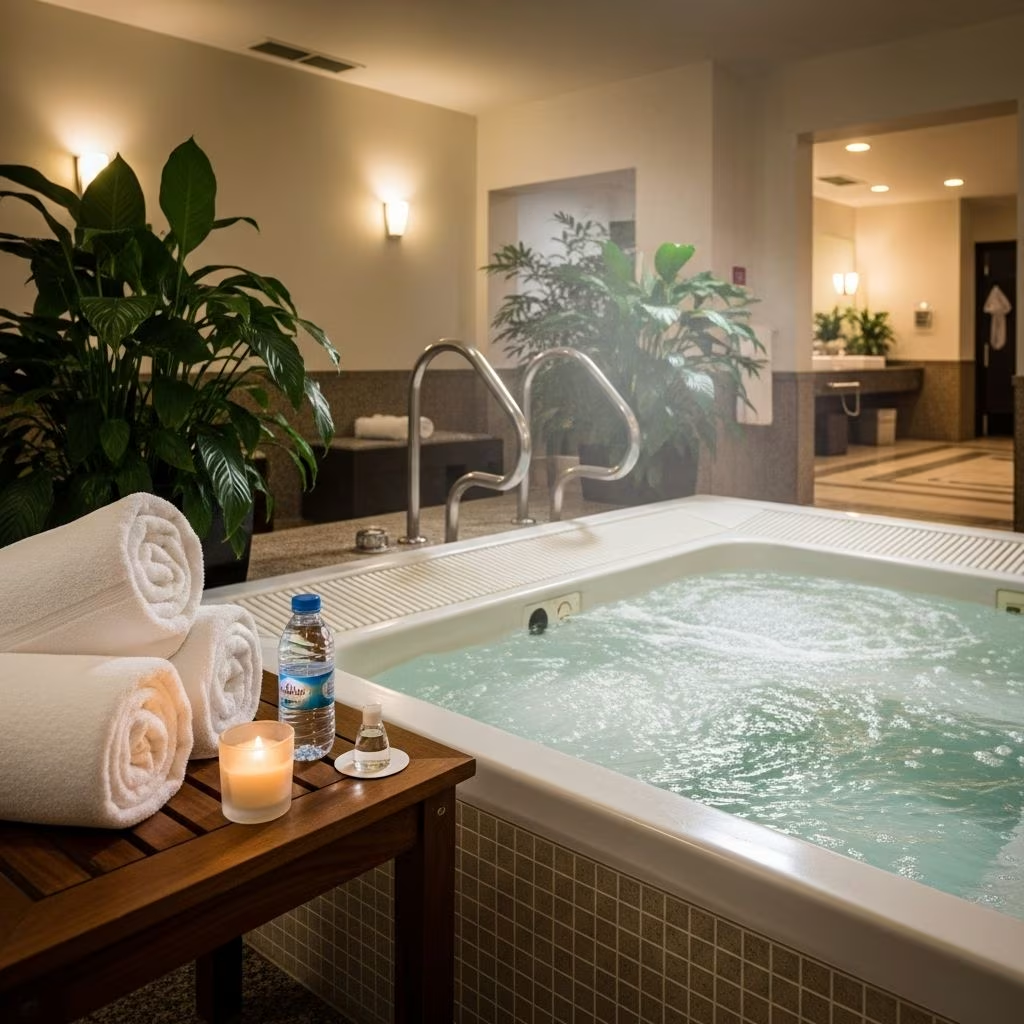
StaysHot tubs at hotels provide a luxurious way to unwind after a day of travel, but they come with hidden risks if not used properly. Understanding key safety protocols helps prevent infections, overheating, slips, and drownings, allowing guests to relax confidently.
Understanding Hot Tub Risks in Hotel Settings
Hotel hot tubs circulate water through shared systems, increasing exposure to contaminants from multiple users. Bacteria like Pseudomonas aeruginosa thrive in warm, moist environments, potentially causing skin rashes or respiratory issues if disinfectant levels drop. Overheating poses another threat, as prolonged immersion above safe temperatures can lead to dehydration or heat exhaustion, especially in crowded public tubs.
Slippery surfaces around tubs contribute to falls, while poor maintenance might hide electrical hazards. Data from health authorities shows that improper chemical balance in recreational water facilities leads to thousands of illnesses yearly, underscoring the need for vigilance during hotel stays.
Essential Pre-Soak Checks for Hotel Hot Tubs
Before entering, inspect the tub thoroughly. Verify the water temperature does not exceed 104°F (40°C), as higher levels risk burns or overheating. Use provided test strips to check disinfectant levels: chlorine should be at least 3 ppm (mg/L), ideally not over 10 ppm, and bromine similarly balanced; pH should range between 7.2 and 7.8 for skin safety.
- Look for cloudy water, strong chemical odors, or visible debris, which signal poor maintenance—avoid use and alert staff.
- Ensure the tub isn’t overcrowded; maximum capacity prevents strain on filtration and reduces germ spread.
- Confirm signage indicates recent testing and cleaning schedules.
If issues arise, request staff intervention or choose another relaxation option like a pool.
Personal Hygiene Practices Before and After Soaking
Maintaining hygiene protects both you and fellow guests. Shower with soap before entering to remove lotions, sunscreens, and sweat that can clog filters or foster bacteria growth. Avoid applying products post-shower that might enter the water.
After soaking, rinse off again to wash away absorbed chemicals like chlorine or bromine, which can dry skin or irritate eyes. This practice minimizes contamination risks and preserves the tub’s water quality for others.
Temperature Management and Soak Duration Limits
Ideal soaking time caps at 15-20 minutes for adults to avoid dizziness or fainting from blood pressure drops. Children and sensitive individuals should limit to 10 minutes. Set personal timers, as hotel controls may not adjust easily.
| Group | Max Temperature | Recommended Time |
|---|---|---|
| Adults | 104°F (40°C) | 15-20 min |
| Children >5 yrs | 98-100°F (37-38°C) | 10 min |
| Pregnant Women | Consult Doctor | Avoid or <10 min |
For children under 5, avoid hot tubs entirely due to drowning and overheating risks. Pregnant guests should seek medical advice, as elevated core temperatures may harm fetal development.
Supervision Rules for Families and Vulnerable Users
Never leave children unattended—even brief distractions lead to accidents, as most drownings occur within minutes. Designate one adult as constant supervisor within arm’s reach. For elderly or mobility-impaired guests, assist entry and exit to prevent slips on wet decks.
Hotels often post child age limits; respect these and use provided life vests if available for young swimmers.
Hydration and Dietary Precautions
Hot water induces heavy sweating, accelerating dehydration. Drink water before, during (using plastic cups), and after soaking—aim for 16-32 oz extra daily. Avoid alcohol, which impairs judgment, lowers blood pressure, and heightens drowning or fall risks.
Skip caffeinated or sugary drinks that exacerbate dehydration. If diabetic, monitor blood sugar closely, as heat affects readings.
Navigating Physical Access and Slip Prevention
Hotel hot tubs may sit elevated or on slick tiles. Use handrails, take slow steps, and wear water shoes if permitted. Request non-slip mats from staff if absent. For above-ground models, ensure stable steps are in place.
- Wipe feet dry before exiting to improve traction.
- Avoid sudden movements that cause lightheadedness.
- If dizzy, exit immediately and sit with legs elevated.
Health Conditions and When to Skip the Tub
Steer clear if you have open wounds, skin infections, diarrhea, or recent surgery—infection risks skyrocket in shared water. Those with heart conditions, low blood pressure, or epilepsy should consult doctors beforehand. Immunocompromised individuals face higher vulnerability to pathogens.
Weather and Electrical Awareness
Avoid outdoor hotel tubs during storms; lightning or rain heightens electrocution chances. Know emergency shut-off locations and never use electrical devices nearby. Indoor tubs offer safer alternatives in bad weather.
Reporting Issues to Hotel Staff
Observe maintenance logs if posted. If water appears unclean or equipment faulty, notify management promptly. Reputable hotels test water multiple times daily and drain tubs regularly. Your feedback ensures collective safety.
FAQs on Hotel Hot Tub Safety
Can I use a hot tub if pregnant?
Consult your healthcare provider; limit exposure and keep temperatures below 100°F to avoid risks.
What’s the safe chlorine level?
At least 3 ppm, not exceeding 10 ppm—test strips confirm balance.
Should kids use hotel hot tubs?
No for under 5; older kids need constant supervision and cooler water.
How long is too long in a hot tub?
15-20 minutes max for adults; exit if dizzy.
Is alcohol okay near hot tubs?
No—it increases accident risks.
Benefits of Following Safety Protocols
Adhering to these measures not only prevents harm but enhances relaxation. Clean, balanced water soothes muscles without irritation, while mindful use maximizes therapeutic jets’ effects on stress relief.
References
- What You Can Do to Stay Healthy in Hot Tubs — CDC. 2023. https://www.cdc.gov/healthy-swimming/safety/what-you-can-do-to-stay-healthy-in-hot-tubs.html
- Hot Tub Safety Tips for You and Your Family — Hot Spring Spas. 2024. https://www.hotspring.com/blog/hot-tub-safety-tips-for-you-and-your-family
- Top 9 Hot Tub Safety Tips — Artesian Spas. 2023. https://artesianspas.com/blog/hot-tub-safety-tips/
- Hot Tub Safety: Risks and Side Effects to Know — AARP. 2024. https://www.aarp.org/health/healthy-living/hot-tubs/
- Eight Hot Tub Basic Safety Tips — Leisure Works. 2022. https://hottubswimspa.com/eight-hot-tub-basic-safety-tips/
On This Page
Understanding Hot Tub Risks in Hotel Settings Essential Pre-Soak Checks for Hotel Hot Tubs Personal Hygiene Practices Before and After Soaking Temperature Management and Soak Duration Limits Supervision Rules for Families and Vulnerable Users Hydration and Dietary Precautions Navigating Physical Access and Slip Prevention Health Conditions and When to Skip the Tub Weather and Electrical Awareness Reporting Issues to Hotel Staff FAQs on Hotel Hot Tub Safety Benefits of Following Safety Protocols← Previous
Vejle, Denmark: Fjords, Family Fun and Historic Charm
Next →
U.S. National Parks Set Record with 323 Million Visits in 2025
Related Reading