


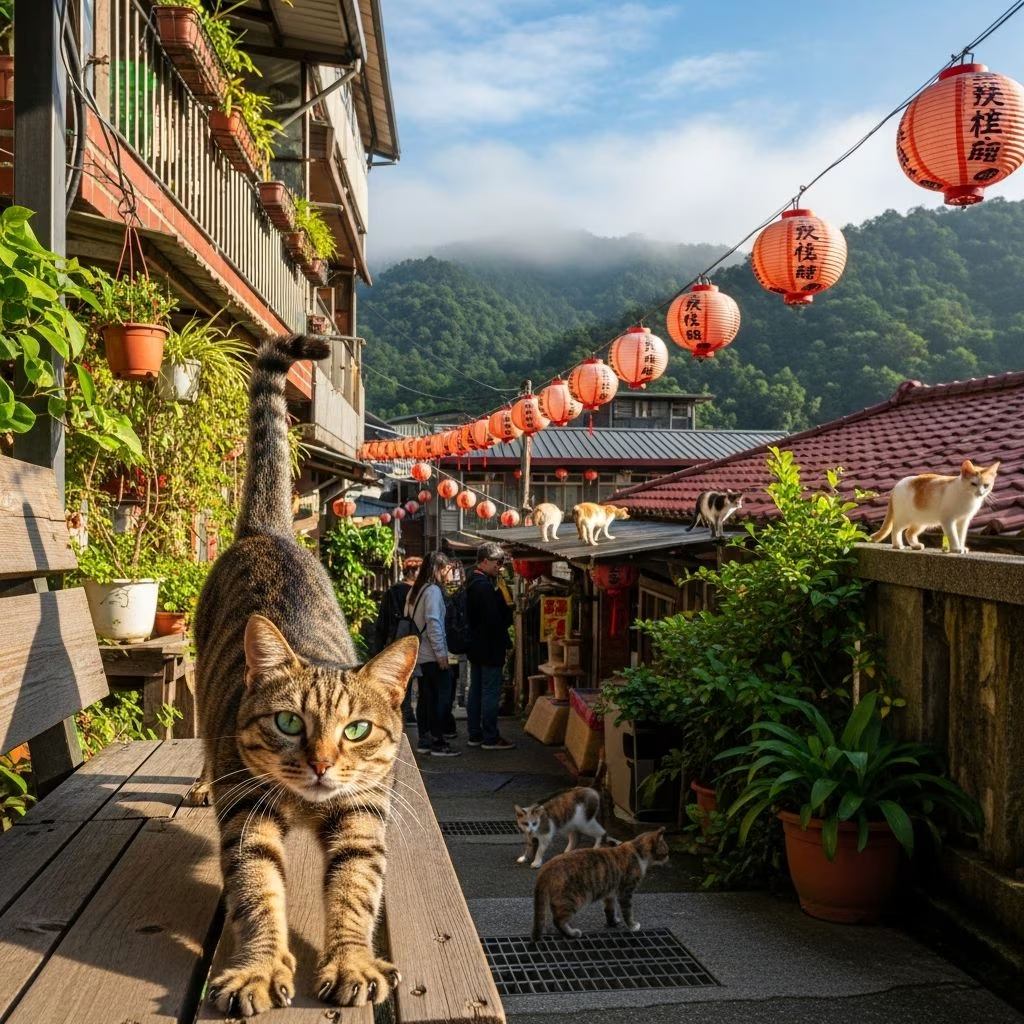
Nestled in the Ruifang valley of New Taipei City, Houtong Cat Village represents one of Asia’s most unusual and heartwarming tourism destinations. What was once a thriving coal extraction community has transformed into a sanctuary for hundreds of feline residents, attracting visitors from across the globe who come to experience this remarkable fusion of industrial heritage and contemporary animal welfare initiatives.
The Evolution of a Historic Mining Settlement
The story of Houtong extends far deeper than its present-day reputation as a feline paradise. The village’s name, derived from Taiwanese language, translates as ‘monkey cave,’ referencing the indigenous primate population that inhabited the region approximately a century ago. However, the true defining chapter of Houtong’s history emerged during the mid-20th century when the coal mining industry transformed the settlement into a thriving economic hub, with more than 6,000 residents at its peak. The village became instrumental to Taiwan’s industrial development, as miners extracted valuable coal reserves from the surrounding geological formations.
The prosperity that characterized this era proved temporary. As Taiwan’s energy sector evolved and coal mining operations became economically unviable, the industry entered its decline during the 1990s. Workers relocated to urban centers offering greater employment opportunities, leaving behind an increasingly depopulated community. Buildings deteriorated, shops shuttered, and the once-bustling streets grew quiet. By the early 2000s, Houtong appeared destined for obscurity, a ghost town preserving memories of an industrial past that few wished to revisit.
The Emergence of a Feline-Centered Community
The transformation began modestly when a dedicated local cat enthusiast recognized the abundance of stray cats throughout the village and initiated efforts to provide them with shelter, nourishment, and medical care. Starting in 2008, this individual began encouraging neighboring residents to adopt strays and establish cat-friendly spaces throughout the community. What commenced as a personal passion initiative gradually evolved into a coordinated community effort. Volunteers established organizations dedicated to feline welfare, and local businesses began incorporating cat-themed elements into their establishments.
The momentum accelerated when travel bloggers and social media users discovered and shared images of Houtong’s growing cat population. International attention transformed the village into a destination, reversing its economic trajectory. Entrepreneurs opened cafés designed to showcase feline residents, shops emerged selling cat-themed merchandise, and the village experienced a cultural renaissance as tourism replaced resource extraction as its primary economic driver.
Accessing Houtong from Taipei
The village’s accessibility significantly enhances its appeal as a day-trip destination. Houtong is directly accessible by train from Taipei Main Station via the Pingxi Railway Line, with the journey requiring approximately 40-50 minutes. The Pingxi Line, which predates automobile transportation networks in the region, winds through mountainous terrain and connects several historic settlements, each offering distinct attractions. Visitors can seamlessly combine Houtong with visits to nearby destinations including Jiufen Old Street, known for traditional snacks and vintage architecture, and Shifen, famous for its sky lantern-releasing tradition and waterfall.
Alternatively, travelers arriving from central Taipei can visit Jiufen as their first stop before proceeding to Houtong via a brief train journey. This routing maximizes the utility of day-trip itineraries, allowing visitors to experience multiple heritage sites within a single excursion.
The Architectural Gateway: Houtong Cat Bridge
Visitors’ initial encounter with Houtong typically occurs upon passing through the distinctive Houtong Cat Bridge, a covered pedestrian bridge constructed in 2012 that was designed to pay tribute to the old mining tunnels characterizing the area. The structure features distinctive geometric patterns that evoke the historical infrastructure surrounding the coal extraction operations. This architectural choice demonstrates the community’s conscious effort to preserve connections to its industrial heritage while adapting to contemporary tourism demands.
The covered design serves a practical function beyond aesthetic considerations. The bridge provides shelter for cats during inclement weather, and visitors frequently encounter felines resting within the structure, offering immediate photo opportunities and intimate animal encounters. The bridge’s function as both a monument to history and a contemporary refuge exemplifies the successful integration of past and present within the village.
Exploring the Cat Corridor and Village Layout
Beyond the bridge, visitors enter the primary commercial district known as the Cat Corridor, a pedestrian zone lined with establishments catering to feline enthusiasts and curious travelers. This area contains gift shops offering cat-themed souvenirs, ranging from practical items such as cat-patterned apparel and accessories to collectible figurines and artwork. Café establishments have become central attractions, with proprietors investing in cat-friendly infrastructure and developing beverage offerings that incorporate visual feline elements, such as cat-shaped foam art adorning the surface of coffee beverages.
The village maintains numerous designated rest areas for cats constructed by residents and volunteers. These installations include woven baskets, wooden shelters, and purpose-built huts strategically positioned throughout the settlement. Locals have established dedicated cat zones with baskets and shelters near the riverbank, creating a comprehensive network of feline refuges distributed across the community.
The Cat Population and Visitor Interactions
Houtong is now home to hundreds of cats, representing a mix of owned pets, semi-domesticated animals, and strays receiving care from the community. Visitors observing the feline residents will notice that roughly half of the visible cats display collars, suggesting formal ownership relationships, while others remain unaffiliated with specific households. This diversity reflects the village’s hybrid approach to animal welfare, combining formal pet ownership with community-based care systems supporting independent animals.
The cats demonstrate varying comfort levels with human contact. Some actively solicit attention from visitors, while others maintain cautious distance. This behavioral diversity creates natural observation opportunities, as visitors can photograph and interact with animals exhibiting different temperaments and activity levels throughout the day.
Industrial Heritage Attractions
While cats dominate Houtong’s contemporary identity, the settlement preserves substantial infrastructure from its mining era. The Houtong Coalmine Ecological Park contains the Houtong Coal Mining Museum, which documents the history of coal extraction and displays artifacts from the mining industry. The museum offers guided experiences including trolley rides through preserved coal tunnels, allowing visitors to experience reconstructed aspects of miners’ working conditions.
The coal transportation bridge provides panoramic views of the entire settlement and the surrounding Keelung River valley, displaying visible mine craters and other industrial relics. Photographers particularly value this vantage point, as the bridge’s structural framework creates compositional opportunities when silhouetted against sunlight, while nighttime visits produce reflective images of illuminated structures cast upon the river’s surface.
Additional preserved structures include decommissioned mining facilities, workers’ dormitories, and the Ruisan Mining Industry Company building. These physical remnants provide tangible connections to the settlement’s economic history, enabling visitors to contextualize Houtong’s transformation from industrial center to tourist destination.
Practical Considerations for Visitors
A few hours constitute sufficient time to observe coal plant ruins, acquire cat merchandise, visit cafés, and engage with resident cats. Most travelers allocate between two and four hours for Houtong exploration before proceeding to additional Pingxi Line destinations or returning to Taipei. Visitors should arrive early in the day, particularly on weekends, to minimize crowds and maximize opportunities for intimate cat encounters.
The village’s infrastructure has experienced fluctuations in recent years. Post-pandemic impacts affected tourism patterns and business operations, resulting in the temporary closure of some establishments. However, core attractions including the Hide and Seek Café and multiple gift shops maintain regular operations. Travelers should verify current business hours before arrival, as seasonal variations and special circumstances may affect accessibility.
Optimizing the Experience
Successful Houtong visits prioritize timing and expectations. Early morning arrivals often result in encounters with less stressed cats and more favorable photography lighting. Visitors should allocate resources toward established establishments such as the Hide and Seek Café, which maintains the most substantial feline populations on premises and offers quality refreshments. Bringing treats specifically designed for cats or purchasing provisions from village shops enables interactive feeding experiences with resident animals.
Photography enthusiasts should prioritize the coal transportation bridge during late afternoon hours when directional lighting creates dramatic shadows and atmospheric conditions. The bridge’s geometric architecture photographs particularly well during golden hour, the interval immediately following sunrise or preceding sunset when atmospheric conditions produce warm-toned illumination.
Integrating Houtong into Regional Itineraries
Houtong functions most effectively as a component of comprehensive Pingxi Line explorations. Sequential visits might progress from Shifen Waterfall, Taiwan’s largest cascade, to Shifen settlement with its lantern-releasing tradition, followed by Houtong for feline encounters, and concluding with Jiufen’s evening markets and traditional cuisine. This routing optimizes train utilization and reduces transportation inefficiencies.
Visitors basing themselves in Taipei can accomplish comprehensive Pingxi Line exploration within a single day, departing early morning and returning by evening. Alternatively, visitors preferring leisurely exploration might dedicate entire days to individual settlements.
Community Welfare and Sustainability
The village’s cat-centered tourism model has generated economic incentives for ongoing animal welfare investment. The community has established formal volunteer networks and veterinary support systems, reflecting recognition that tourism sustainability depends upon feline population health. This pragmatic approach aligns commercial interests with animal welfare considerations, creating symbiotic relationships between economic activity and creature care.
Frequently Asked Questions
What is the best time to visit Houtong Cat Village?
Early morning hours on weekdays offer optimal experiences, with fewer crowds and more active cats. Spring and autumn provide comfortable weather conditions for extended exploration.
How much time should I allocate for a Houtong visit?
Two to four hours suffices for most visitors to observe cats, explore the Cat Corridor, visit cafés, and examine industrial heritage sites.
Are there dining options available in Houtong?
Multiple cafés operate throughout the Cat Corridor, with the Hide and Seek Café offering particularly substantial feline populations and quality refreshments.
Is Houtong accessible for visitors with mobility limitations?
The village’s hilly terrain and pedestrian pathways present challenges for visitors requiring mobility assistance. However, the primary Cat Corridor area features relatively level surfaces.
Can I bring my own cat to Houtong?
Visitors should exercise caution when bringing domestic cats to the village, as introduction to free-ranging populations may create stress or behavioral complications. Consult with accommodations regarding appropriate protocols.
References
- Houtong Cat Village – A Day Trip From Taipei + Photos — Taiwanderers. 2024. https://taiwanderers.com/houtong-cat-village-taiwan/
- Houtong Cat Village — New Taipei City Travel (Official Tourism Board). 2024. https://newtaipei.travel/en/attractions/detail/111588
- Houtong Cat Village: Taiwan’s Cat-Themed Coal Mining Village — Taiwan Obsessed. 2024. https://www.taiwanobsessed.com/houtong-cat-village/
- Houtong Cat Village Tours & Tickets — Viator (Tripadvisor Company). 2024. https://www.viator.com/Taipei-attractions/Houtong-Cat-Village/d5262-a98682

