

 Travel Essentials
 Travel Essentials

Explore Houtong Cat Village in New Taipei City, a former coal mining town transformed into a cat lover's haven. Learn about its history, attractions, and how to plan your visit.
 Travel Essentials
Nestled in the Ruifang valley near the Keelung River in northern Taiwan’s New Taipei City, Houtong has undergone a remarkable transformation over the past two decades. Originally named for the monkeys that once inhabited the area—”Houtong” translates to “monkey cave”—this riverside town experienced tremendous prosperity during Taiwan’s coal mining boom. At its peak, more than 6,000 residents called this mining hub home, drawn by the promise of employment and wealth in the coal industry. The town was once a vital center of economic activity, with extensive infrastructure developed to support the mining operations that shaped Taiwan’s industrial landscape.
However, the decline of the coal mining industry in the 1990s left Houtong economically devastated. Residents gradually relocated in search of employment elsewhere, leaving behind a population of only a few hundred people and numerous abandoned structures. What could have remained a forgotten ghost town was instead revitalized through an unexpected phenomenon. In 2008, a local resident and passionate cat enthusiast began a community initiative to encourage neighbors to adopt and care for stray cats. This grassroots movement captured the hearts of animal lovers and transformed Houtong into a unique destination that now attracts visitors from around the world.
The cat phenomenon that began in 2008 has become the defining characteristic of Houtong, turning it into what enthusiasts call “purr-adise.” Hundreds of cats now roam freely throughout the village, creating an environment where feline and human coexist harmoniously. This transformation has proven mutually beneficial—the cats receive care and shelter from dedicated volunteers and residents, while tourists gain an unforgettable experience interacting with these animals in their natural habitat.
Volunteer groups have been instrumental in establishing a welcoming environment for the cats, creating shelters, feeding stations, and rest areas throughout the village. Many locals have demonstrated their commitment to animal welfare by providing collars, food, and protection to the cats, with roughly half of the observed cats wearing identifying collars. The community’s dedication to feline care ensures that Houtong remains a genuine sanctuary rather than merely a novelty tourist attraction.
Houtong Cat Village is conveniently accessible from Taipei via the Pingxi Railway Line, with direct trains departing from Taipei Main Station. As the first stop on this line after Ruifang station, it serves as an ideal starting point for exploring northeastern Taiwan. The journey itself offers scenic views of the region’s mountainous terrain and the Keelung River. For travelers already visiting nearby attractions such as Jiufen Old Street, Shifen Old Street, or Shifen Waterfall, Houtong provides an easily manageable addition to a day trip itinerary.
Most visitors can comfortably experience the essence of Houtong in just two to three hours. This timeframe allows sufficient opportunity to observe the cats, explore the village streets, sample local food, and visit the historical coal mining sites. The relatively short duration makes it perfect for travelers on a tight schedule or those combining multiple destinations during their Taiwan visit.
Your first introduction to Houtong Cat Village typically occurs at the Houtong Cat Bridge, officially known as the cat footbridge. Built in 2012, this distinctive covered structure features a geometric design that pays tribute to the old mining tunnels that once honeycomb the area. The bridge serves both practical and symbolic purposes—it provides a safe passage across the railway tracks while offering shelter for the cats, particularly during rainy weather. Many visitors report encountering several cats napping peacefully within the tunnel-like structure, making it an excellent photo opportunity and a comfortable respite for the animals.
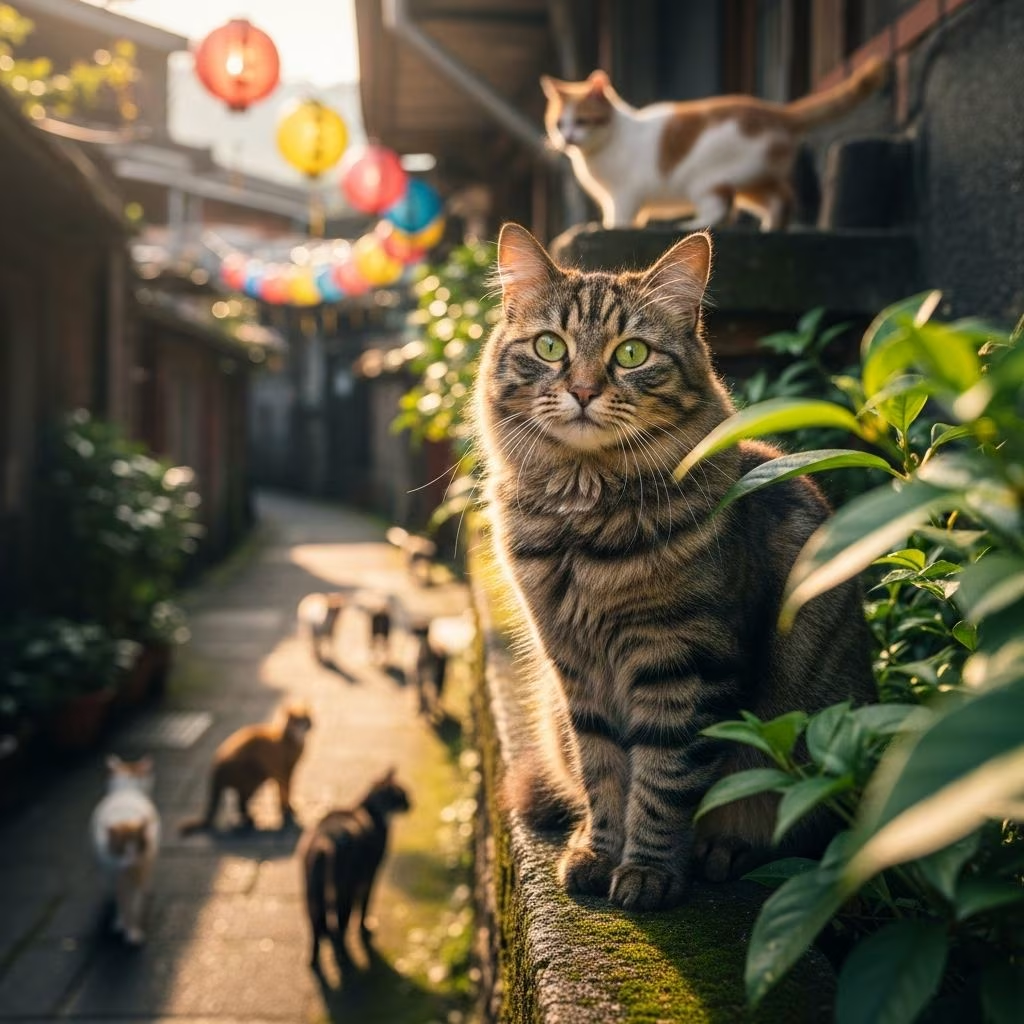
Once you cross the bridge, the village unfolds in two main sections. The lower level features the primary walking street, which offers iconic photo opportunities of cats lounging on stone walls and among plants, with the historic train station and coal mining infrastructure visible in the background. The second street, accessible by continuing uphill from the main path or by taking stairs from the bridge, contains the highest concentration of shops and cafés. This upper area provides comfortable spots to rest, refuel, and purchase unique souvenirs while observing more of the village’s feline residents.
Houtong has embraced its cat-centric identity through numerous themed shops and food establishments. The most notable shop, Jinshi Workshop (金石工坊猴硐招財貓本舖), offers an impressive selection of cat-themed merchandise, from traditional figurines to modern collectibles. Many shops feature working shrines dedicated to the cats, and visitors frequently encounter cats sleeping or playing in these sacred spaces. The village also hosts several small souvenir shops and eateries scattered throughout the community, offering visitors opportunities to support local businesses.
Food options range from simple street stalls in the main square to established cafés located on the hillside. These establishments serve traditional Taiwanese cuisine and specialty beverages such as cat-themed foam lattes. Taking time to sample local food becomes an integral part of the Houtong experience, allowing visitors to connect with both the community and the region’s culinary traditions.
Beyond the cats, Houtong preserves important historical landmarks related to Taiwan’s mining heritage. The Houtong Shrine Relics, located at No. 61, Houdong Road, Ruifang District, contain one of the few Torii gates found in Taiwan. This Japanese-influenced structure reflects the region’s colonial history and provides cultural context for understanding the area’s past.
The most comprehensive exploration of Houtong’s mining history occurs at the Houtong Coal Mine Ecological Park, officially known as the Houtong Coalmine Ecological Park (猴硐煤礦博物園區). This facility offers visitors guided thirty-minute trolley tours through the coal tunnels, providing authentic insight into the daily lives and working conditions of historical miners. The accompanying small museum presents artifacts and information about the mining industry’s role in Taiwan’s development. Walking through the tunnels and viewing the preserved mining equipment creates a powerful connection to the town’s industrial past.
The station itself sets the tone for the cat-centric experience, with platforms adorned with cat-friendly accommodations, scratching posts, and playful decorations. A particularly charming feature includes a large plastic cat figurine dressed as a station master, creating an immediate sense of whimsy and setting expectations for the feline-focused experience ahead.
Throughout the village, visitors encounter numerous opportunities to interact with and photograph the cats. The community has thoughtfully established cat baskets and huts positioned strategically around the village, including a sheltered section along the riverside. These designated spaces encourage cats to gather in specific areas, making it easier for visitors to observe multiple animals in comfortable surroundings. Photography enthusiasts will find Houtong exceptionally rewarding, with countless backdrops ranging from traditional architecture to mining relics providing context for cat portraits.
Weather plays an important role in planning your visit. The covered Cat Bridge provides shelter during rain, and rainy days may actually increase cat activity in this protected space. However, the coal mine tunnels remain accessible regardless of weather conditions. Comfortable walking shoes are essential, as the village involves navigating uneven terrain, stairs, and sloped pathways. Bringing cat treats specifically designed for cats demonstrates respect for animal welfare and creates positive interaction opportunities.
The best times to observe cats are typically early morning and late afternoon, when temperatures are cooler and cats are more active. Midday heat often sends the cats seeking shade and rest, reducing visibility during peak tourist hours.
Visitors should approach Houtong with awareness that these are real animals, not attractions designed for entertainment. The cats living throughout the village depend on the community’s continued care and support. Responsible tourism practices include respecting the animals’ space, not forcing interaction, and following local guidelines regarding feeding and handling. The visible presence of collars on many cats indicates that some animals have specific homes and caretakers, making it important to distinguish between community cats and those with established ownership.
Support for local businesses directly contributes to the community’s ability to maintain the cat sanctuary. Purchasing souvenirs, dining at local establishments, and respecting private property help ensure that this unique destination remains sustainable for both residents and cats.
While exact numbers fluctuate, sources indicate hundreds of cats roam the village. The population includes both adopted community cats with homes and semi-feral animals cared for by volunteers and residents.
Many cats are accustomed to human interaction, but always observe the animal’s body language before attempting contact. Some cats may be territorial or stressed, and respectful distance is always appropriate.
Yes, direct trains from Taipei Main Station make Houtong easily accessible as a day trip destination. The village is also conveniently located near other northern attractions, allowing for combination tours.
Comfortable walking shoes, a camera, sunscreen, and water are essential. Consider bringing cat treats approved for feline consumption to support responsible interaction with the animals.
Houtong Cat Village represents a remarkable example of community-driven revitalization and creative reuse of abandoned industrial space. What began as a grassroots effort to care for stray animals has blossomed into a thriving tourism destination that generates economic activity for the remaining residents while maintaining genuine concern for animal welfare. The village successfully balances its historical significance as a coal mining center with its contemporary identity as a feline sanctuary, offering visitors a multifaceted experience that appeals to history enthusiasts, animal lovers, and photographers alike.
The transformation of Houtong demonstrates how compassion and creativity can breathe new life into struggling communities. Rather than simply preserving relics of the past, residents reimagined their town’s future by embracing a unique cultural identity. Today, Houtong Cat Village stands as a testament to the power of community initiative and animal advocacy, proving that even abandoned towns can experience remarkable renewal.
