
 Stays
StaysStays
How African Safari Lodges Are Redefining Luxury Through Local Culture
Modern African safari lodges are moving beyond colonial aesthetics to celebrate regional artistry, local craftsmanship, and sustainable design practices that benefit communities.
 Stays
StaysReimagining Luxury Through Regional Culture
The safari lodge experience has undergone a profound transformation in recent years. What once defined luxury accommodation in African wilderness settings—vintage colonial furnishings, campaign-style furniture, and historical artifacts evoking empire-era imagery—has given way to a more thoughtful and culturally respectful approach. Today’s leading safari properties recognize that authentic luxury lies in celebrating the vibrant cultures, artistic traditions, and natural environments of the regions they inhabit.
This shift represents more than aesthetic preference; it signals a fundamental reorientation in how the hospitality industry values and honors African creativity. Contemporary safari lodges now serve as platforms for regional artists, showcasing works that reflect the distinctive character of their locations while creating economic opportunities for local communities.
The Evolution Away from Colonial Design Narratives
Traditional safari lodge interiors frequently relied on imagery and furnishings that romanticized colonial history. Foldable campaign furniture, originally designed for imperial administrators, adorned guest spaces. Vintage steamer trunks, pith helmets, and reproduced historical objects dominated decorative schemes. These design choices, however unintentionally, perpetuated narratives that glossed over the complexities and injustices of colonialism.
Progressive lodge operators recognized this problem and began asking different questions about their interior environments. Rather than looking backward to a problematic historical period, they started looking outward to the living artistic traditions of surrounding communities. This perspective opened doors to collaborations with local designers, painters, sculptors, and craft practitioners who could infuse spaces with authentic cultural meaning.
The transition reflects broader conversations within the luxury travel industry about responsibility, authenticity, and the true meaning of hospitality. By moving away from tokenistic or historically inappropriate design elements, lodges position themselves as respectful guests in the communities they serve, rather than as arbiters of what African aesthetics “should” represent to international visitors.
Celebrating Local Craftsmanship in Contemporary Spaces
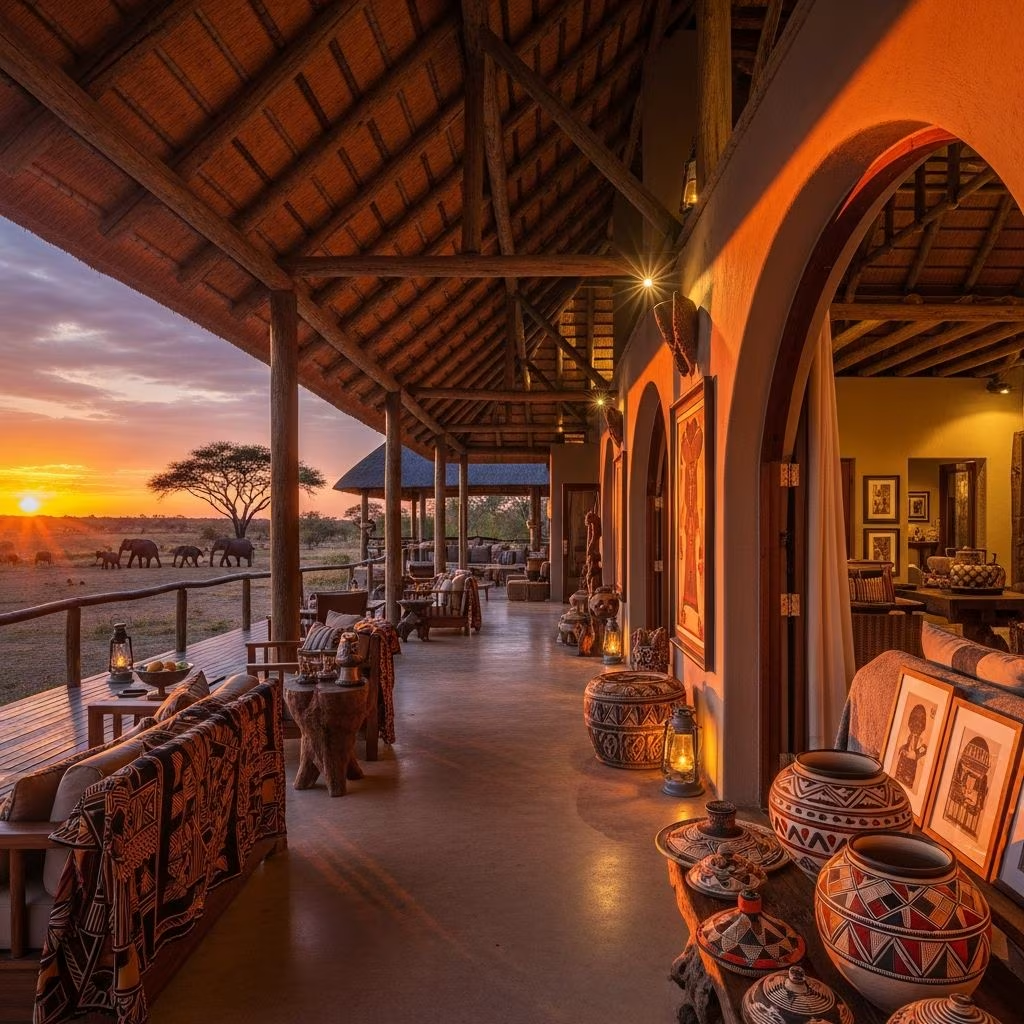
Modern safari accommodations showcase an array of locally-sourced artistic and functional elements that transform guest experiences. Hand-woven baskets, intricately beaded accessories, and custom woodwork created by regional artisans now define interior spaces. Rather than mass-produced decorative items, these pieces carry cultural significance and represent the skill and heritage of their creators.
This approach extends beyond isolated decorative objects. Architectural elements themselves celebrate regional traditions and natural landscapes. Thatching techniques specific to particular areas, building materials sourced locally, and design patterns inspired by geographical features create cohesive environments where architecture, art, and landscape merge seamlessly.
Furnishings and functional pieces receive equal attention. Hand-tooled wooden utensils, custom-designed dining pieces, and textile-adorned seating created by local artisans demonstrate that practical objects can simultaneously serve as artistic expressions. Food boards carved by regional craftspeople, woven storage solutions, and custom textile installations transform utilitarian elements into cultural statements.
Building Platforms for Contemporary African Artists
Beyond traditional crafts, many leading safari properties have established dedicated gallery spaces and exhibition programs featuring emerging African artists. These initiatives introduce guests to the continent’s dynamic contemporary art scene while providing artists with exhibition opportunities and economic support that might not otherwise be available in their regions.
Properties including Singita, which operates 15 lodges across multiple African regions, have made this commitment central to their design philosophy. By featuring work from both established and emerging artists, these venues demonstrate that African creative expression extends far beyond traditional media into painting, sculpture, photography, and mixed-media installations.
The relationship between lodges and artists often becomes mutually beneficial and long-term. Rather than one-off purchases, some properties develop ongoing collaborative relationships with specific creatives, commissioning new works or rotating displays seasonally. This sustained engagement creates predictable income streams for artists while ensuring that lodge aesthetics remain dynamic and reflective of contemporary cultural conversations.
Regional Expression: Case Studies in Cultural Integration
The approach to integrating local creativity varies meaningfully across different regions, reflecting distinct historical contexts and artistic traditions. Rwanda’s safari lodges, which developed after the 1994 genocide, had the unique opportunity to build their aesthetic vocabularies from inception rather than renovating inherited spaces. Many Rwandan properties embraced contemporary design celebrating regional culture from their opening days.
Properties such as Bisate exemplify this integrated approach. Every design element—from thatched architectural features and vibrant textiles to functional pieces like tables and laundry baskets—reflects Rwandan artistic traditions and the surrounding landscape’s rolling topography. Rather than feeling imposed from outside, the aesthetic feels organic to its setting and population.
In contrast, South African and Kenyan lodges often undertake substantial renovations to transition away from earlier colonial-influenced designs. These properties work with contemporary African designers to respectfully reimagine spaces while honoring their historical significance. The renovation process requires thoughtful curation, ensuring that updated aesthetics feel authentic rather than superficially trendy.
Tanzania’s properties, represented by operations like Asilia Africa’s Highlands lodge, demonstrate how contemporary design can celebrate both regional artistry and environmental splendor. These spaces employ local artistic elements while maintaining architectural principles that showcase rather than obscure the stunning surrounding wilderness.
Economic Impact on Local Creative Communities
The significance of this design revolution extends well beyond aesthetic improvements. When safari operators commit to sourcing artwork, crafts, and materials locally, they generate meaningful economic benefits for regional communities. This approach differs fundamentally from the colonial-era model of importing finished goods or treating local production as peripheral to business operations.
Teta Isibo, a Rwandan fashion designer and founder of Inzuki Designs, observed that when she began her career, locally-produced items were frequently undervalued, relegated to the category of inexpensive tourist trinkets. As high-end safari companies invested in partnerships with regional creatives to produce distinctive, quality designs, the market perception shifted dramatically. Artisans began understanding and receiving appropriate compensation for their work’s true value.
Employment opportunities extend throughout production chains. Designers collaborate with material suppliers, craftspeople, and installation specialists. Income generated by these contracts circulates through local economies, supporting not only individual artists but also their families, apprentices, and broader community development.
Sustainability Considerations in Design and Operations
The commitment to local sourcing and regional artistry aligns naturally with environmental sustainability goals. By reducing transportation distances for furnishings and decorative elements, safari properties decrease their carbon footprints. Local material sourcing means less reliance on energy-intensive international supply chains and reduces packaging waste associated with overseas shipping.
Beyond design elements, progressive safari operators implement comprehensive eco-conscious strategies. Leading properties have eliminated single-use plastics, invested in solar energy infrastructure, and established partnerships with neighboring communities for supply procurement. These initiatives demonstrate that luxury hospitality and environmental responsibility need not conflict—when thoughtfully integrated, they enhance one another.
The emphasis on regional artistry also supports conservation efforts. When communities perceive tangible economic value in preserving their environments and wildlife, conservation becomes a locally-driven priority rather than an external mandate. Safari operators who invest in local livelihoods through artistic partnerships and employment opportunities create stakeholders in long-term environmental protection.
Design Philosophy: Allowing Environments to Speak Authentically
A fundamental principle underlying this design evolution holds that stunning natural environments need not be competing with or obscured by interior decoration. When lodges feature regional artistry, they create visual and cultural narratives that complement rather than overshadow the surrounding landscape.
This philosophy requires restraint and intentionality. Rather than maximizing decorative density, contemporary safari lodge design emphasizes curation. Strategic use of local artwork, careful architectural choices that frame natural views, and the thoughtful placement of crafted elements create spaces where guests experience both human creativity and environmental beauty in complementary relationship.
The result feels fundamentally different from earlier design approaches. Spaces feel less like museum displays of curated objects and more like authentic expressions of place—where regional culture, natural landscape, and contemporary hospitality standards integrate seamlessly.
Designer Partnerships and Professional Opportunities
The shift toward celebrating local creativity has created new professional opportunities for African designers, architects, and creative consultants. Properties increasingly hire regional design professionals to lead comprehensive renovations or new construction projects. These partnerships ensure that design decisions reflect lived understanding of cultural contexts rather than external assumptions about African aesthetics.
African designers bring expertise not only in aesthetics but also in understanding community relationships, material availability, and cultural appropriateness. Their involvement transforms the design process from a matter of incorporating decorative elements into a more substantive engagement with cultural meaning and community benefit.
Professional networks connecting designers, artisans, and lodge operators have strengthened, creating ecosystems where creative professionals can build sustainable careers within their regions. This infrastructure development represents an important long-term benefit of the industry’s shift toward celebrating local artistry.
The Broader Significance: Redefining Luxury and Authenticity
The evolution of African safari lodge design reflects changing consumer expectations about luxury travel and authenticity. Increasingly, affluent travelers seek experiences that feel genuinely connected to places and people rather than artificially curated or historically inaccurate. The movement toward celebrating regional artistry and culture aligns with these preferences while creating positive economic and cultural outcomes.
This transformation also challenges persistent stereotypes about African aesthetics and capabilities. By featuring work from contemporary African artists and emphasizing quality craftsmanship from regional artisans, safari lodges demonstrate that African design is neither antiquated nor limited to traditional forms. It encompasses vibrant contemporary expression, innovation, and sophisticated creative practice.
The message conveyed through design choices—that African creativity deserves investment, exhibition, and celebration—ripples beyond lodge walls into broader cultural conversations. Guests who experience spaces thoughtfully integrating regional artistry may develop deeper appreciation for African creative traditions and communities they visit.
FAQ: Understanding Contemporary Safari Lodge Design
- What design elements replaced colonial-era furnishings in modern safari lodges?
- Contemporary lodges feature hand-woven baskets, intricately beaded accessories, custom woodwork, hand-tooled utensils, regional textiles, and architectural elements celebrating local artistic traditions alongside contemporary art galleries showcasing emerging African artists.
- How does regional sourcing benefit local communities?
- Local sourcing creates employment for artists, artisans, and craftspeople; generates sustainable income; reduces reliance on expensive imports; and demonstrates community economic value that supports long-term conservation and cultural preservation efforts.
- Are there regional differences in how African safari lodges approach contemporary design?
- Yes. Rwanda’s newer lodges built after 1994 integrated contemporary cultural celebration from inception, while South African and Kenyan properties often undertake renovations from older colonial-influenced designs. Each region’s approach reflects distinct historical contexts and artistic traditions.
- How do environmental sustainability and local artistry connect?
- Local sourcing reduces transportation distances and carbon footprints. When communities benefit economically from tourism and artistry, they become invested in conservation. This creates natural alignment between environmental goals and cultural celebration.
References
- How African safari lodges are putting local creativity front and center — Lonely Planet. 2024. https://www.lonelyplanet.com/articles/how-african-safari-lodges-are-putting-local-creativity-front-and-center
- Asilia’s Most Stylish Safari Lodges & Camps — Asilia Africa. https://www.asiliaafrica.com/blog/stylish-safari-lodges-camps/
- Luxury Safari Lodges in Africa – Unforgettable Experiences — Isibindi Africa Lodges. https://www.isibindi.co.za/safari-lodges/
On This Page
Reimagining Luxury Through Regional Culture The Evolution Away from Colonial Design Narratives Celebrating Local Craftsmanship in Contemporary Spaces Building Platforms for Contemporary African Artists Regional Expression: Case Studies in Cultural Integration Economic Impact on Local Creative Communities Sustainability Considerations in Design and Operations Design Philosophy: Allowing Environments to Speak Authentically Designer Partnerships and Professional Opportunities The Broader Significance: Redefining Luxury and Authenticity FAQ: Understanding Contemporary Safari Lodge Design← Previous
Dublin with Kids: Best Family Attractions, Itineraries & Tips
Next →
Trans Bhutan Trail Guide: Route, Difficulty, Costs & Best Time to Hike
Related Reading