

 Travel Essentials
 Travel Essentials

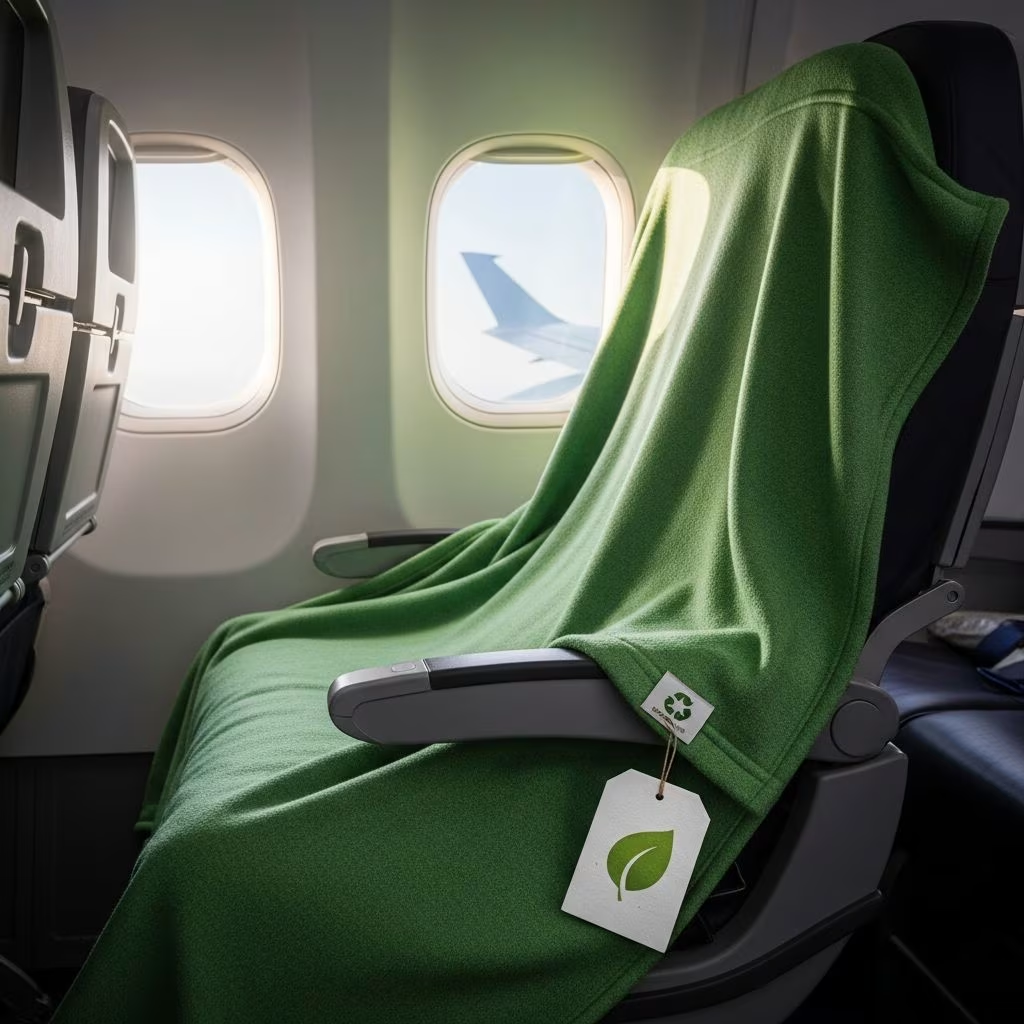
Airlines are turning plastic bottles and used bedding into cozy in-flight blankets, cutting waste and reducing virgin resource use.
 Travel Essentials
Airlines worldwide are pioneering sustainable practices by converting waste materials like plastic bottles and used bedding into cozy in-flight blankets. This shift not only comforts passengers but also significantly cuts down on landfill waste and virgin resource use.
The aviation sector faces mounting pressure to minimize its environmental footprint. One simple yet impactful change involves reimagining airplane blankets, traditionally made from new synthetic fibers. Today, carriers are harnessing advanced recycling technologies to produce these essentials from post-consumer waste.
Plastic bottles, a ubiquitous pollutant, serve as a prime raw material. Collected from landfills and oceans, they undergo a meticulous process: sorting, cleaning, shredding into flakes, melting into chips, and spinning into yarn. This yarn then weaves into soft fleece blankets suitable for high-altitude comfort.
Several major airlines have rolled out blanket programs using 100% recycled content, setting benchmarks for the industry.
These initiatives demonstrate how large-scale adoption can amplify impact. For instance, Emirates’ program alone diverted millions of bottles by 2019, equivalent in weight to dozens of aircraft.
Creating airline blankets from recyclables demands precision engineering. Here’s a step-by-step breakdown:
This closed-loop approach ensures blankets match or exceed the quality of conventional ones while slashing carbon emissions by up to 50% in production.
Not all innovations rely on plastics. All Nippon Airways (ANA) tackles down comforter disposal creatively. Previously discarded due to wear, these premium items from First and Business Class are now recycled.
A dedicated system partners with cleaning specialists to refurbish frayed comforters, extracting and reusing feathers. This on-board waste recycling keeps materials in circulation, reducing the need for new down sourcing.
| Airline | Material Source | Key Benefit | Implementation Scope |
|---|---|---|---|
| Emirates | 100% Recycled PET Bottles | Saves 28 bottles per blanket | Economy long-haul |
| Aeromexico | Recycled PET Plastics | Reduces single-use items | Sustainable flights |
| ANA | Used Down Comforters | Refurbishes premium bedding | International premium cabins |
| John Horsfall (Various) | 50% Recycled Polyester | Enhanced durability | Multiple carriers |
Switching to recycled blankets yields quantifiable gains. Each Emirates blanket prevents 28 bottles—primarily PET—from polluting oceans or landfills. Scaled across fleets, this equates to billions of bottles diverted annually industry-wide.
Carbon savings are equally compelling. Producing recycled polyester emits roughly half the greenhouse gases of virgin material. Water usage drops dramatically, as recycling bypasses resource-intensive extraction and processing.
These efforts align with global goals like the UN Sustainable Development Goals, particularly responsible consumption and production. Airlines also enhance brand image, attracting eco-conscious travelers who prioritize green credentials.
Despite progress, hurdles persist. Recycling infrastructure varies globally, complicating consistent supply chains. Blending recycled with virgin fibers, as in 50/50 mixes, ensures longevity under rigorous use—pure recycled options can wear faster.
Regulatory compliance adds complexity; aviation blankets must pass stringent fire, hygiene, and durability tests. Cost remains a factor, though plummeting recycled material prices are closing the gap with traditional sourcing.
Supply chain transparency is vital. Certifications like Global Recycled Standard verify claims, building trust with passengers scrutinizing greenwashing.
Travelers notice and appreciate these changes. Soft, warm recycled blankets rival old ones, often arriving in stylish, reusable packaging.
To maximize impact:
Blanket recycling is just the start. Airlines eye full amenity kits from recyclables, biodegradable packaging, and even seat fabrics from ocean plastics. Partnerships with textile innovators accelerate progress.
By 2030, experts predict most major carriers will standardize recycled blankets, potentially eliminating virgin polyester from cabins. This evolution proves aviation can balance comfort, safety, and planetary health.
Yes, technologies like ecoTHREAD™ produce fleece matching virgin materials in softness and insulation.
Typically 20-30, with Emirates using exactly 28 per unit.
Not yet, but leaders like Emirates, Aeromexico, and ANA are expanding, with more following.
Usually not, as they’re reused multiple times; personal travel blankets are encouraged for hygiene.
Look for Global Recycled Standard (GRS) or similar third-party verifications.
