

 Travel Essentials
 Travel Essentials

How airlines are turning inflight blankets into sustainable resources through recycled materials, charitable reuse, and smarter disposal.
 Travel Essentials
Air travel generates millions of tons of waste annually, and inflight amenities represent a significant portion of this environmental burden. Among these items, blankets and textiles have become a focal point for sustainability initiatives across the aviation industry. Major carriers worldwide are now implementing comprehensive strategies to address how blankets are manufactured, used, and disposed of—transforming what was once considered disposable into valuable resources within circular economy frameworks.
Commercial aviation processes staggering volumes of textiles daily. Airlines operating large international fleets deploy hundreds of thousands of blankets across their networks each year, with blankets being one of the most frequently used amenities on long-haul flights. The traditional model involved washing and reusing blankets multiple times throughout their lifecycle, but this conventional approach has evolved significantly as carriers recognize opportunities to minimize environmental footprints while maintaining passenger comfort and hygiene standards.
The logistics behind inflight textile management are considerable. Industrial laundry facilities dedicated to airline operations process approximately 40 tons of textiles daily, including blankets, pillowcases, napkins, and seat covers. This infrastructure, while necessary, consumes substantial water, energy, and chemical resources. As environmental concerns intensify, airlines are examining every stage of the textile lifecycle to identify where sustainable innovations can be integrated.
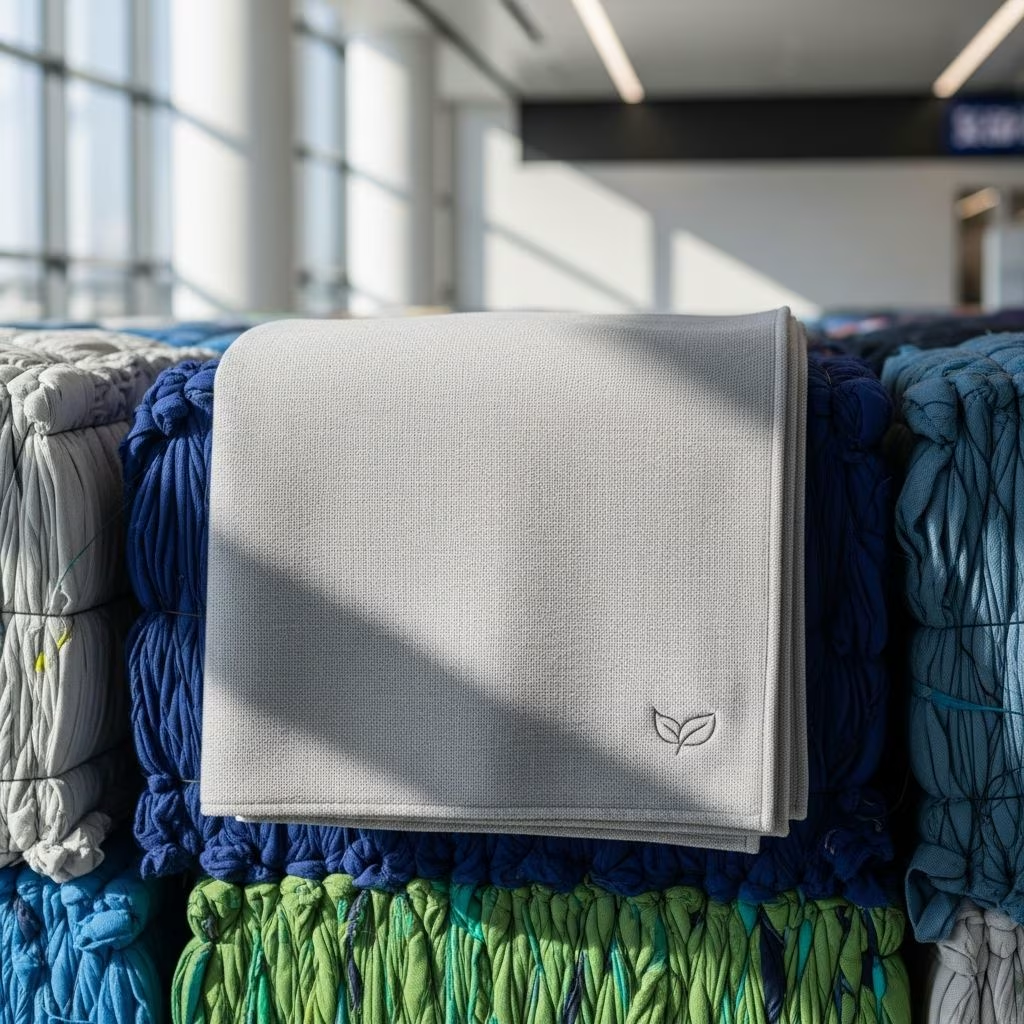
One of the most significant breakthroughs in sustainable aviation textiles involves transforming recycled plastic waste into comfortable, durable blankets. Leading carriers have begun implementing blankets manufactured from post-consumer recycled plastic bottles, fundamentally changing how the industry sources raw materials.
The Manufacturing Process
The transformation of plastic waste into airline blankets follows a sophisticated multi-step process. Discarded plastic bottles are collected and processed into small plastic chips, which are then converted into yarn through advanced manufacturing techniques. These yarn fibers are subsequently woven into polar fleece material, creating blankets that maintain warmth and comfort characteristics comparable to conventional textiles. The resulting product combines environmental responsibility with functional performance, ensuring passengers receive no compromise in quality despite the sustainable sourcing approach.
Emirates has pioneered this approach through its ecoTHREAD™ technology, which creates blankets from 100% recycled plastic bottles. Each Emirates blanket incorporates 28 recycled plastic bottles, demonstrating the substantial volume of waste being diverted from landfills. By the end of 2019, Emirates’ initiative had prevented 88 million plastic bottles from reaching landfills—equivalent to the weight of 44 A380 aircraft.
Blended Fiber Approaches
Some manufacturers have adopted alternative strategies using blended fiber compositions. Rather than pursuing 100% recycled content, companies like ReThread® intentionally combine 50% recycled polyester with 50% virgin fiber in premium economy blankets. This approach prioritizes durability and laundering performance, as the blended composition allows blankets to withstand frequent washing at low temperatures while drying quickly. This design philosophy reflects an important recognition: the most sustainable product is one that remains serviceable for extended periods, reducing replacement frequency and overall resource consumption.
The lifecycle of airline blankets extends far beyond their initial use in cabin service. Modern carriers have established sophisticated systems for managing blankets that can no longer meet service standards, redirecting them toward humanitarian purposes rather than disposing of them as waste.
From Aircraft to Charity
Airlines operating comprehensive sustainability programs donate tens of thousands of blankets annually to charitable organizations. Qatar Airways exemplifies this commitment through its donation of approximately 40,000 blankets and 8,000 mattresses to charity each year. Similarly, All Nippon Airways (ANA) established a structured recycling initiative where down comforters used in first and business class service are collected from aircraft and processed through specialized cleaning and recycling companies rather than discarded. This approach transforms items destined for landfills into resources serving communities in need.
Industrial Washing and Reconditioning
Before blankets reach charitable organizations, they undergo rigorous washing and quality control processes. Specialized industrial facilities employ continuous batch washing systems where blankets are processed on conveyor belts in groups of approximately 130 units. Each blanket spends approximately 55 minutes in the washing cycle, emerging clean and dry before inspection and sorting. This reconditioning process ensures that donated textiles meet hygiene standards and functional requirements.
The shift toward sustainable blanket practices generates measurable environmental benefits. When airlines utilize recycled plastic bottles, they accomplish multiple sustainability objectives simultaneously:
Airlines promoting sustainable blanket initiatives often integrate these programs into broader environmental commitments. Aeroméxico, for example, designated specific flights as sustainability-focused services where blankets manufactured from recycled bottles and PET plastics are deployed. These dedicated sustainable flights represent a transparent approach to environmental responsibility, allowing environmentally conscious passengers to support carriers prioritizing waste reduction.
Volume and Supply Chain Complexity
Transitioning to sustainable blankets requires carriers to manage complex supply chain relationships with specialized manufacturers. Airlines must ensure consistent supply of recycled-content blankets across diverse fleet types and route networks. The scale of operations—with major carriers requiring hundreds of thousands of blankets annually—creates logistical challenges in sourcing adequate recycled materials while maintaining passenger comfort standards.
Durability and Lifespan Considerations
Blankets manufactured from sustainable materials must withstand repeated washing cycles, handling by cleaning crews, and use across varied climate conditions. Airlines balance durability requirements with cost considerations, as premium sustainable textiles often command higher per-unit costs than conventional materials. However, long-term operational analysis suggests that durable sustainable products provide superior value through extended serviceability, offsetting initial capital expenditures.
Sustainable blanket initiatives have transitioned from isolated pilot programs to standardized practices across major international carriers. Emirates, ANA, Qatar Airways, and Aeroméxico represent diverse geographic regions and operational models, yet all have committed to sustainable textile strategies. This convergence indicates industry-wide recognition that sustainable blanket practices are both operationally feasible and commercially viable.
Future developments will likely focus on several key areas: expanding the availability of high-quality recycled fibers, developing innovative blending ratios that optimize durability and sustainability, implementing blockchain tracking systems for textile lifecycle transparency, and establishing industry standards for sustainable blanket specifications. As environmental regulations tighten globally, carriers adopting these practices early establish competitive advantages and demonstrate environmental stewardship.
Most airline passengers remain unaware of the sophisticated systems managing blanket sustainability. Airlines utilizing recycled-content blankets rarely promote this feature prominently, missing opportunities to communicate environmental commitments. As travelers increasingly prioritize sustainable travel options, carriers could enhance customer engagement by transparently communicating blanket sustainability initiatives, illustrating how individual passenger choices contribute to collective environmental impact reduction.
Yes. Blankets manufactured from recycled plastic bottles through advanced processing techniques provide comparable warmth and comfort. The polar fleece material created from recycled bottle fibers maintains the softness and thermal properties passengers expect from inflight amenities.
Blankets are transported to specialized industrial facilities where they undergo continuous batch washing processes. Approximately 130 blankets are washed together in cycles lasting roughly 55 minutes, utilizing industrial-scale equipment specifically designed for high-volume textile processing.
Rather than discarding damaged blankets, many airlines route them to charitable organizations. Blankets with minor damage are often reconditioned through cleaning and repair, while heavily damaged items may be processed through textile recycling programs or donated to organizations serving vulnerable populations.
Emirates leads the industry with its ecoTHREAD™ blankets on all long-haul flights in economy class. Aeroméxico offers recycled-content blankets on designated sustainable flights, and other carriers continue implementing similar initiatives.
Emirates alone has diverted 88 million plastic bottles from landfills through its ecoTHREAD™ program, equivalent to the weight of 44 A380 aircraft. As more carriers adopt similar initiatives, industry-wide plastic diversion increases substantially.
The evolution of airline blanket sustainability represents a microcosm of broader aviation industry transformation. By reimagining blanket sourcing, manufacturing, use, and disposal, carriers demonstrate that environmental responsibility integrates seamlessly into operational excellence. From recycled plastic bottles transformed into polar fleece through comprehensive charitable donation networks, modern airlines prove that sustainability and passenger comfort need not represent competing priorities.
As environmental consciousness permeates consumer decision-making and regulatory frameworks tighten globally, airlines prioritizing sustainable textile innovations position themselves as industry leaders. Passengers, meanwhile, can support these efforts by traveling with carriers demonstrating genuine environmental commitment and encouraging industry-wide adoption of sustainable practices that ultimately benefit both environmental and human communities.
