


 Food & Culture
Food & Culture
How Colombian Chefs Are Reviving a National Cuisine
Discover how Colombian chefs are revolutionizing the nation's food scene through ancestral ingredients, innovative techniques, and community collaboration.
 Food & Culture
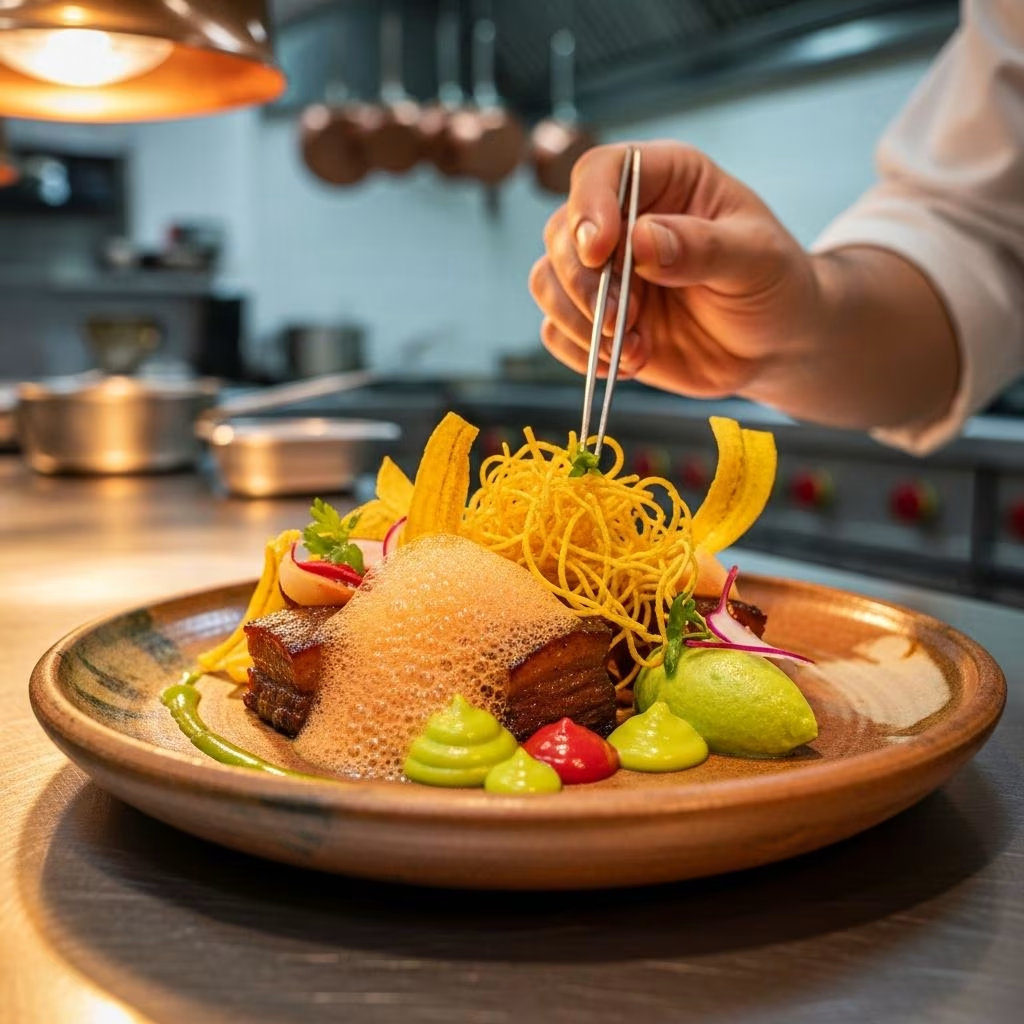
Colombia stands at a pivotal moment in its gastronomic history. For decades, the nation’s rich agricultural heritage and diverse ecosystems remained largely underutilized in the global culinary conversation. Unlike Mexico with its tacos or Peru with its ceviche, Colombia lacked a signature dish that commanded international recognition. Today, a new generation of visionary chefs is fundamentally transforming this narrative by excavating traditional ingredients, honoring ancestral cooking methods, and positioning Colombian cuisine as a dynamic force on the world stage.
The Foundation: Understanding Colombia’s Culinary Landscape
Colombia’s geographic diversity creates an unparalleled advantage for culinary innovation. The country encompasses multiple distinct ecosystems, from tropical rainforests and high mountain plateaus to Caribbean coastlines and Amazon basin territories. Each region produces unique ingredients that have been cultivated for centuries by indigenous communities and local farmers. Yet this abundance had not been systematically recognized or elevated into a cohesive national culinary identity until recently.
The challenge facing Colombian gastronomy was not a lack of ingredients or culinary talent, but rather a disconnect between the country’s agricultural wealth and its international culinary reputation. Rural communities possessed deep knowledge of regional products, preparation techniques, and flavor profiles that remained largely confined to local contexts. Meanwhile, global attention focused on other Latin American cuisines that had achieved better marketing and international visibility.
Pioneering Voices Leading the Transformation
The revitalization of Colombian cuisine owes much to dedicated chefs who recognized the potential within their homeland’s gastronomic traditions. These culinary leaders combined formal training with a genuine commitment to honoring ancestral knowledge. Their restaurants serve as laboratories for experimentation while simultaneously functioning as platforms for educating diners about Colombia’s ingredient diversity and culinary heritage.
Among the most influential figures in this movement are chefs who have achieved international recognition while maintaining deep roots in local communities. Their approach extends beyond plating beautiful dishes; it encompasses a comprehensive vision of how cuisine can reflect national identity, support rural economies, and preserve cultural knowledge for future generations.
Strategies for Culinary Revitalization
Ingredient-Centric Menus Reflecting Regional Ecosystems
Contemporary Colombian chefs have adopted a distinctive approach to menu design that directly corresponds to geographic regions. Rather than treating ingredients as interchangeable commodities, each dish becomes an opportunity to educate diners about a specific ecosystem and the people who have stewarded those lands for generations. Multi-course dining experiences may feature courses dedicated to particular regions, with each plate showcasing ingredients unique to that territory.
This methodology serves multiple purposes simultaneously. Diners gain deeper appreciation for Colombia’s biodiversity. Restaurants create consistent demand for specialty ingredients from specific regions, thereby supporting rural producers. The approach also differentiates Colombian cuisine in crowded global markets by offering something authentically tied to place and heritage.
Collaboration with Rural Communities and Indigenous Knowledge Keepers
Rather than positioning themselves as sole authorities on Colombian food, progressive chefs actively collaborate with rural communities who possess centuries of accumulated knowledge about local ingredients and traditional preparation methods. These partnerships take various forms, from consulting relationships to ingredient sourcing agreements that ensure fair compensation for producers.
This collaborative model proves particularly important in recognizing the contributions of indigenous peoples and traditional communities. These groups have maintained agricultural practices and culinary techniques that modern chefs can learn from and integrate into contemporary cooking. By establishing direct relationships with source communities, chefs help ensure that economic benefits from culinary tourism flow back to those who have preserved these traditions.
Elevating Lesser-Known Ingredients to Culinary Prominence
Colombia produces numerous ingredients that remain underutilized in commercial markets and international cuisine. By featuring these products prominently in restaurant menus and culinary education, forward-thinking chefs expand both consumer awareness and market demand. Ingredients once considered ordinary within their regions gain recognition as special components worthy of premium pricing and careful preparation.
This elevation of overlooked ingredients simultaneously addresses economic sustainability. When specialty products command higher prices in professional kitchens and can support premium dining concepts, rural producers gain financial incentive to maintain and expand cultivation. The chef-producer relationship thus becomes economically viable for both parties.
Institutional Support Through Educational and Non-Profit Initiatives
Individual restaurant success, while important, requires institutional reinforcement to create systemic change. Several influential culinary leaders have established non-profit organizations dedicated to preserving ancestral gastronomical knowledge and supporting the next generation of chefs.
These organizations address critical gaps in the Colombian culinary ecosystem. They provide formal training in techniques and food safety standards while emphasizing respect for traditional knowledge. They create pathways for aspiring chefs from rural areas to access professional training that might otherwise remain inaccessible. They also facilitate knowledge exchange between established culinary professionals and communities maintaining ancestral practices.
Global Recognition and Its Impact on Local Movements
International accolades serve as powerful validators for culinary innovation. When Colombian chefs receive recognition from prestigious global culinary organizations, their achievements gain visibility not only internationally but also domestically. National pride in culinary accomplishments strengthens support for the broader movement to establish Colombian gastronomy as a significant global force.
This recognition also attracts resources and attention to Colombian cuisine. International media coverage drives tourism to establishments at the forefront of the movement. Chefs who achieve international prominence gain platforms to advocate for their vision of Colombian culinary identity. The prestige associated with these accomplishments attracts talented young chefs to the profession and encourages investment in culinary ventures.
Challenges and Ongoing Obstacles
Funding and Financial Sustainability
Despite recent progress, Colombian culinary ventures face significant financial challenges. High-end restaurants operating at the forefront of innovation require substantial investment and can only serve limited numbers of diners, limiting revenue potential. Chefs working to preserve ancestral knowledge and support rural producers often operate with razor-thin margins because they prioritize fair compensation for ingredients and community partners.
Educational Infrastructure Gaps
Training the next generation of chefs presents ongoing difficulties. While major urban centers possess culinary schools, opportunities for aspiring chefs in rural areas remain limited. Creating comprehensive curricula that honor traditional knowledge alongside modern culinary science requires resources and expertise that many institutions lack. Furthermore, competition for talented young people in rural areas means that culinary careers must offer genuinely compelling economic prospects to attract participants.
Market Development and International Expansion
Establishing Colombian cuisine as a globally recognized culinary tradition requires sustained effort in market development and promotion. Unlike cuisines with longer histories of international migration and cultural presence, Colombian gastronomy begins from a position of relative obscurity in most global markets. Building restaurants outside Colombia that represent the cuisine authentically while remaining economically sustainable presents particular challenges.
The Future Trajectory of Colombian Gastronomy
The movement to revitalize Colombian cuisine appears poised for continued expansion. As recognition grows and successful models become established, more chefs will likely adopt similar approaches emphasizing regional ingredients, community collaboration, and culinary innovation. International investment in Colombian culinary ventures may increase as investors recognize the market potential and cultural significance of the movement.
Educational institutions are beginning to incorporate greater emphasis on Colombian gastronomic heritage into their curricula. Professional culinary networks facilitate knowledge exchange among chefs working toward common goals. Media coverage increasingly focuses on Colombian culinary achievements, raising public awareness and pride in national gastronomy.
Key Takeaways: Why This Movement Matters
- National Identity: Cuisine represents culture and heritage. Establishing a distinctive Colombian culinary identity strengthens national pride and provides a platform for broader cultural recognition.
- Economic Development: The movement creates economic opportunities for rural producers, culinary professionals, tourism operators, and related businesses throughout the supply chain.
- Cultural Preservation: By systematically documenting and celebrating ancestral culinary knowledge, the movement helps preserve cultural practices that might otherwise disappear as communities modernize.
- Environmental Stewardship: Ingredient-centric approaches that celebrate regional ecosystems encourage sustainable agricultural practices and raise awareness about environmental conservation.
- Culinary Democracy: The emphasis on collaboration and knowledge sharing challenges hierarchical models of culinary authority, creating more inclusive approaches to professional cooking.
Frequently Asked Questions
What makes Colombian cuisine distinctive?
Colombian cuisine benefits from extraordinary geographic diversity, with multiple distinct ecosystems producing unique ingredients. Contemporary chefs emphasize these regional variations, creating menus that reflect Colombia’s biodiversity and showcase ingredients that reflect specific territories.
How are chefs working with rural communities?
Progressive chefs establish direct relationships with rural producers, sourcing ingredients fairly and collaborating with knowledge keepers who understand traditional preparation methods. These partnerships ensure economic benefits reach source communities while honoring ancestral culinary practices.
What international recognition has Colombian cuisine received?
Leading Colombian chefs have received prestigious international accolades from culinary organizations, validating their innovative approaches and raising the global profile of Colombian gastronomy. This recognition strengthens domestic support for the movement while attracting international interest.
What obstacles remain for Colombian culinary development?
Significant challenges include limited funding for high-end culinary ventures, gaps in educational infrastructure particularly in rural areas, and the need for continued international market development to establish Colombian cuisine as a recognized global force.
References
- How self-taught chef Leonor Espinosa is reviving Colombia’s food scene — Flash Pack. October 20, 2022. https://www.flashpack.com/us/solo/travel/local-foods/colombian-chef-leonor-espinosa/
- Chef Leonor Espinosa Celebrates Colombian Food & Heritage at Leo — Eat Drink Travel Yall. https://eatdrinktravelyall.com/1814-2/
- An interview with Leonor Espinosa, the World’s Best Female Chef of 2022 — Love Food. https://www.lovefood.com/news/145422/an-interview-with-leonor-espinosa-the-worlds-best-female-chef-of-2022
- Reviving Global Cuisines: The Colombian Kitchen Revolution — 50 Best Restaurants TV. https://www.youtube.com/watch?v=7NrFCWGbMfU
- Cooking in the Colombian Jungle with Latin America’s Best Chefs — 50 Best Restaurants TV. https://www.youtube.com/watch?v=QQt3HTwBwno
On This Page
The Foundation: Understanding Colombia's Culinary Landscape Pioneering Voices Leading the Transformation Strategies for Culinary Revitalization Institutional Support Through Educational and Non-Profit Initiatives Global Recognition and Its Impact on Local Movements Challenges and Ongoing Obstacles The Future Trajectory of Colombian Gastronomy Key Takeaways: Why This Movement Matters Frequently Asked Questions← Previous
Indigenous Food Sovereignty and the Revival of Native Cuisine
Next →
Best Winter 2026 Hotel Openings for Ski, Sun and Style
Related Reading
More in Food & Culture
Food & Culture Food & Culture
 Food & Culture
Best Places to Eat in Rome: Neighborhood Dining Guide
 Food & Culture
 Food & Culture