


 Food & Culture
Food & Culture
How Fast Food Chains Localize Menus Around the World
Explore unique fast food adaptations worldwide, from spicy curries at KFC to matcha treats at McDonald's, blending global brands with regional tastes.
 Food & Culture
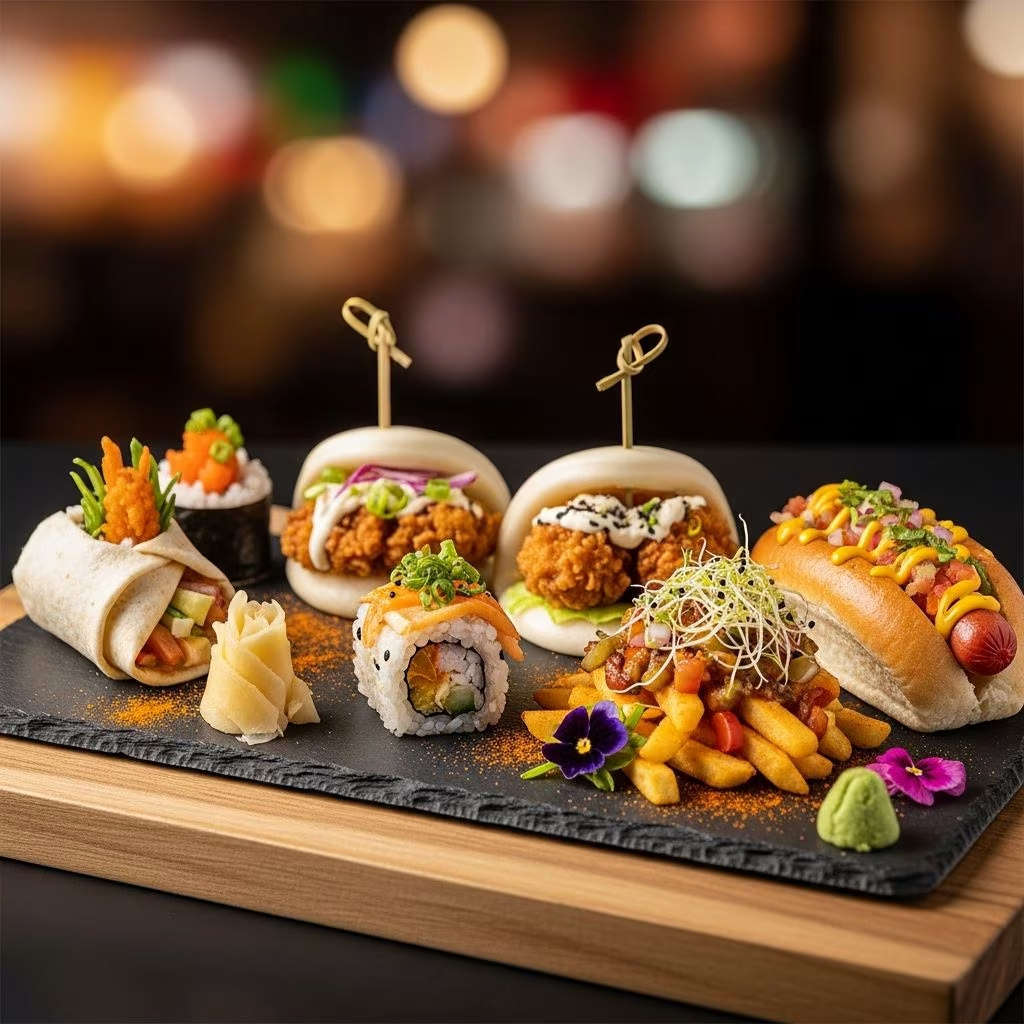
Fast food chains have mastered the art of globalization by tailoring their offerings to local palates, creating a fusion of convenience and cultural authenticity that delights both residents and visitors. This strategy not only ensures market penetration but also celebrates regional culinary traditions through innovative menu items.
The Evolution of Fast Food Abroad
Originating in the United States, fast food concepts like standardized burgers and fried chicken quickly spread worldwide starting in the 1960s. McDonald’s led the charge by opening its first international outpost, emphasizing brand consistency while subtly incorporating local elements to appeal to diverse tastes. This adaptability proved crucial, as rigid menus failed in markets with strong food heritages like China, France, and Turkey.
In Turkey, for instance, McDonald’s faced a sales slump in 2002, prompting the closure of 60 outlets. The company rebounded by expanding its menu from one local dish in 2000 to eight by 2016, incorporating items with domestic ingredients and boosting profits tenfold. This shift highlighted the necessity of cultural sensitivity in global expansion.
McDonald’s: Mastering Local Customization
McDonald’s exemplifies menu localization with offerings that resonate deeply in each country. In Asia, rice-based burgers cater to staple grain preferences, while European locations feature gourmet touches.
- Japan: The Teriyaki Burger combines savory soy glaze with beef patty, reflecting sushi influences.
- India: McAloo Tikki uses spiced potato patties instead of beef to respect vegetarian norms and Hindu customs.
- Canada: Poutine integrates fries with cheese curds and gravy, a nod to Quebec’s iconic dish.
- France: Croque McDo offers a fast-food take on the classic ham and cheese sandwich.
These adaptations maintain the chain’s speed and affordability while embedding local flavors, drawing crowds eager for familiar yet novel eats.
KFC’s Spicy Global Adventures
Kentucky Fried Chicken pioneered entry into China and continues to innovate with bold, region-specific items that fuse Southern American frying techniques with Asian spices.
- China: Beijing Duck Wrappers wrap crispy duck in pancakes with KFC’s signature sauce, merging imperial cuisine with fast service.
- India: Hot & Crispy Chicken pairs with fiery curries, appealing to spice-loving palates.
- Thailand: Som Tam Rice Bowl mixes papaya salad with fried chicken over rice.
- Philippines: Chizza tops a flattened chicken breast with pizza sauce and toppings.
KFC’s success in China, where it was the first U.S. chain, stems from such inventive pairings that honor local festivals and daily diets.
Pizza Hut and Beyond: Pizza with a Passport
Pizza Hut transforms its doughy base into canvases for international artistry, proving pizza’s versatility across borders.
| Country | Signature Item | Key Ingredients |
|---|---|---|
| Japan | Mayonnaise Pizza | Corn, seafood, mayo swirl |
| India | Paneer Tikka Pizza | Marinated cheese, onions, peppers |
| Brazil | Chocolate Pizza | Chocolate, strawberries, cheese |
| UK | Indian Style Pizza | Tikka masala sauce, chicken |
Other chains like Pizza Hut demonstrate how even pizza, an Italian export, bends to local whims, from sweet Brazilian desserts to creamy Japanese toppings.
Starbucks: Coffee Meets Culture
Beyond burgers and buckets, Starbucks adapts its beverage empire with location-specific drinks that incorporate teas, fruits, and sweets.
- Japan: Matcha Frappuccino blends green tea powder with milk for an antioxidant-packed refreshment.
- China: Red Date Latte uses traditional dates for a sweet, healthful twist.
- India: Masala Chai Infusions mix spices into chai lattes.
- Australia: Flat White, a velvety espresso drink, originated Down Under.
These drinks turn coffee shops into cultural hubs, where travelers sip on homeland-inspired sips.
Street Food Inspirations in Chain Form
Many global chains draw from street food traditions, elevating them to branded standards. In Mexico, Taco Bell offers Doritos Locos Tacos, but local taquerias provide fresher, customizable options. Similarly, in Nigeria, KFC’s Jollof Rice Fried Chicken nods to West African staples.
In the Middle East, shawarma-infused burgers at McDonald’s compete with roadside vendors. This interplay shows fast food’s role in modernizing street eats while preserving authenticity.
Challenges and Success Factors
Adapting menus involves navigating supply chains, regulations, and tastes. Chains source 25% more local ingredients in places like Turkey, supporting economies and reducing costs. Halal certifications in Muslim countries and vegetarian lines in India exemplify compliance strategies.
Yet, success hinges on balance: too much localization risks brand dilution, while uniformity alienates locals. Data shows adapted menus drive 10x profit growth in key markets.
Environmental and Ethical Angles
Global chains face scrutiny over sustainability. Initiatives like cage-free eggs at KFC and plant-based options at McDonald’s respond to worldwide demands. FOUR PAWS surveys reveal varying animal welfare commitments across chains.
FAQs
What makes fast food successful internationally?
Success comes from blending core brand identity with local flavors, ensuring familiarity and novelty.
Which chain adapts the most?
McDonald’s leads with hundreds of country-specific items, from rice burgers to poutine.
Are these items available everywhere?
No, most are exclusive to regions, encouraging travel for unique tastes.
How do chains source ingredients abroad?
They partner locally, increasing domestic sourcing to 25% in some markets.
Is fast food healthier globally?
Adaptations often include local healthy staples like rice or veggies, but portions remain generous.
Travel Tips for Fast Food Explorers
Seek out chain apps for exclusive deals, visit during festivals for limited items, and pair with street food for full immersion. Chains like these serve as gateways to local cuisine without the wait.
References
- How Fast Food Adapts to Local Tastes Around the World — Catalyst Planet. 2023. https://www.catalystplanet.com/travel-and-social-action-stories/how-fast-food-adapts-to-local-tastes-around-the-world
- How Fast Food Restaurants Adapt Their Menus Around The World — Chowhound. 2024-05-15. https://www.chowhound.com/1815326/how-fast-food-adapts-global-menus/
- Globalization of American Fast-Food Chains — Yale Globalist. 2018-10-20. https://globalist.yale.edu/in-the-magazine/globalization-of-american-fast-food-chains-the-pinnacle-of-effective-management-and-adaptability/
- Fast food around the world — Lonely Planet. 2023. https://www.lonelyplanet.com/articles/fast-food-around-the-world
- Fast Food: A Global Perspective — Boston University Gastronomy Blog. 2016-04-14. https://sites.bu.edu/gastronomyblog/2016/04/14/fast-food-more-important-than-you-think/
- International Fast-Food Chains — FOUR PAWS USA. 2024. https://www.fourpawsusa.org/campaigns-topics/topics/nutrition/the-atlas-challenge/international-fast-food-chains
On This Page
The Evolution of Fast Food Abroad McDonald's: Mastering Local Customization KFC's Spicy Global Adventures Pizza Hut and Beyond: Pizza with a Passport Starbucks: Coffee Meets Culture Street Food Inspirations in Chain Form Challenges and Success Factors Environmental and Ethical Angles FAQs Travel Tips for Fast Food Explorers← Previous
Best Surf Spots in Hawaii for Beginners and Experts
Next →
Best Autumn Destinations in Asia
Related Reading
More in Food & Culture
Food & Culture Food & Culture
 Food & Culture
Best Places to Eat in Rome: Neighborhood Dining Guide
 Food & Culture
 Food & Culture