


 Food & Culture
Food & Culture
How Food Experiences Transform Travel and Culture
Explore memorable meals and culinary adventures shared by travel professionals across continents, showcasing how food creates lasting travel memories.
 Food & Culture
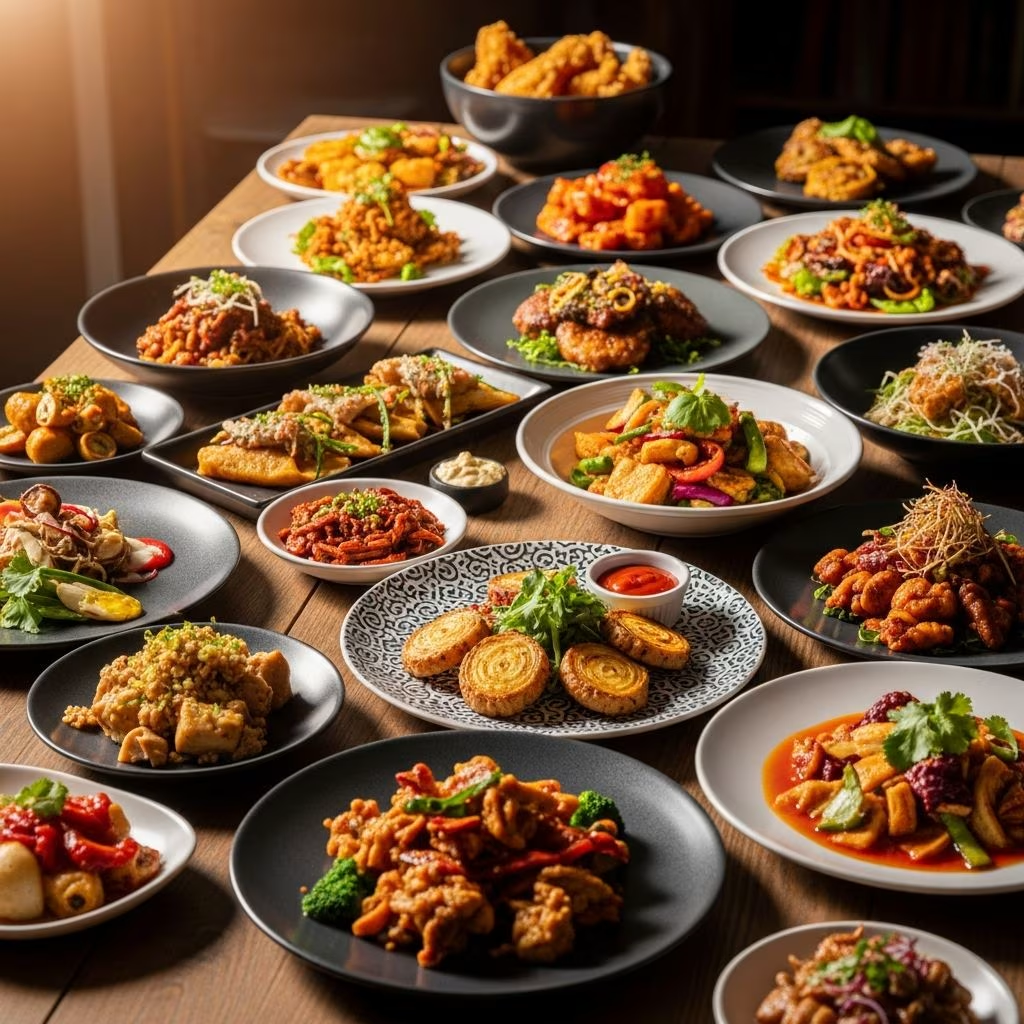
Travel fundamentally transforms when experienced through the lens of food. The flavors encountered in distant cities, the connections made over shared meals, and the cultural narratives embedded within traditional dishes create experiences that extend far beyond tourism. These gastronomic encounters often become the most cherished memories of any journey, lasting long after souvenirs fade and photographs blur.
Food serves as a universal language that transcends geographical boundaries and cultural differences. When travelers sit at a table thousands of miles from home, they participate in rituals and traditions that reflect centuries of regional history and family heritage. The simple act of sharing a meal becomes an intimate window into how communities celebrate, sustain themselves, and pass down their values through generations.
The Emotional Resonance of Memorable Dining
Why do certain meals remain vivid in our memories while countless others fade into obscurity? Psychologists recognize that food memories engage multiple sensory pathways simultaneously. The aroma of spices, the texture of ingredients, the visual presentation, and the ambient atmosphere all combine to create multisensory imprints on our brains that resist fading.
Travel professionals frequently report that their most significant travel memories center around meals rather than landmarks or attractions. A meal shared with strangers who become friends, a dish prepared according to centuries-old family recipes, or a cuisine that challenges preconceived notions—these experiences embed themselves in our identity and shape how we understand the world.
The anticipation preceding a special meal also heightens its emotional significance. Whether waiting in line at a legendary street food vendor or reserving a table months in advance at a sought-after restaurant, the expectation builds emotional investment that intensifies the eventual experience.
Elevated Dining Experiences Across Continents
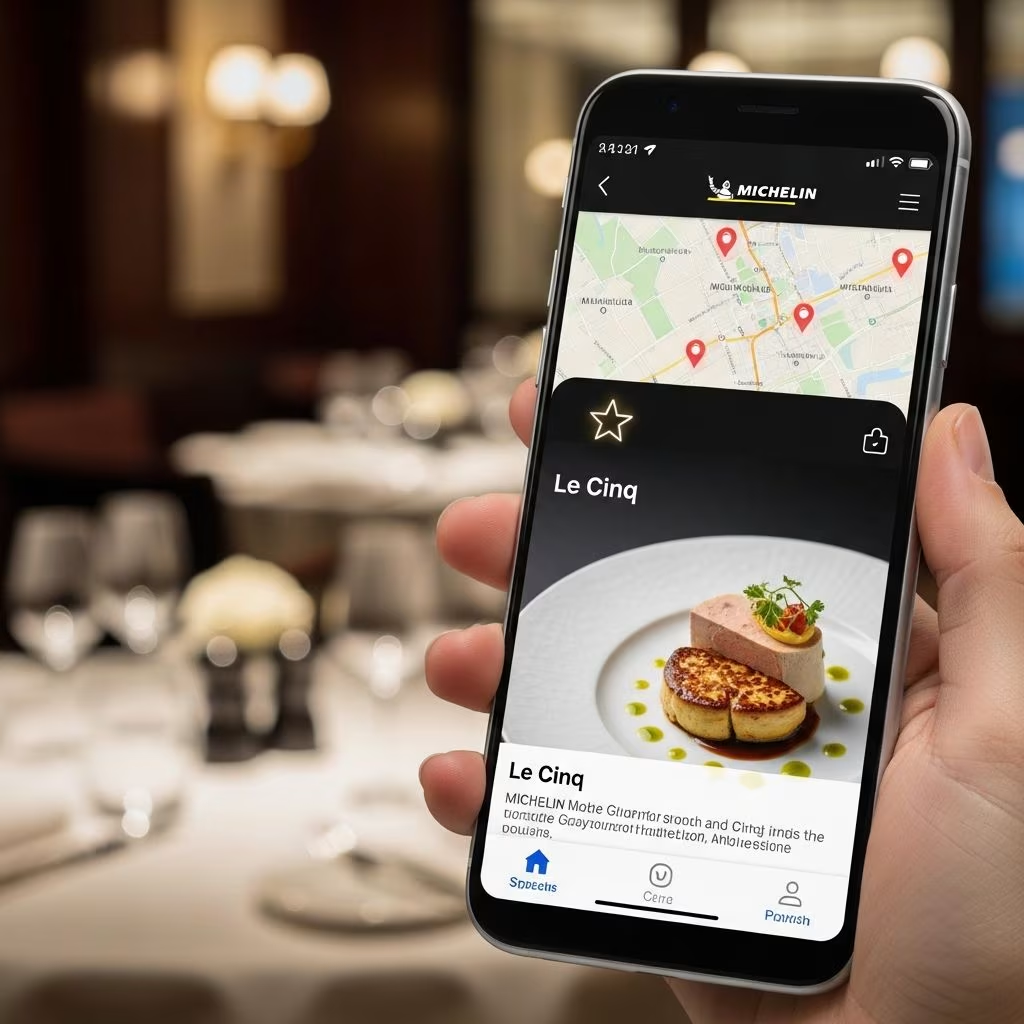
Fine dining establishments in prestigious locations offer carefully orchestrated experiences that combine culinary artistry with impeccable service. These establishments prioritize precision, presentation, and the sourcing of exceptional ingredients. Coastal towns throughout Mexico, including luxury destinations accessible from major cities, have become renowned for their elevated gastronomic scenes that blend traditional techniques with contemporary innovation.
European wine regions have long understood the symbiosis between viticulture and gastronomy. Dining experiences positioned within or adjacent to vineyards create natural harmony between wine production and culinary creation. Regions famous for specific varietals often feature restaurants that have been perfecting ingredient-wine pairings for decades, creating menus that tell stories of terroir and seasonal availability.
Asian culinary traditions have increasingly gained recognition within fine dining contexts. The precision required in Japanese cuisine, the complexity of Southeast Asian flavor profiles, and the philosophical approaches underlying many Eastern cooking methods have influenced how global chefs conceptualize sophistication in food preparation and presentation.
Street Food as Cultural Anthropology
Street food vendors represent living repositories of cultural knowledge and family traditions. Unlike restaurants bound by operational standards, street food entrepreneurs often operate according to methods passed down through generations, maintaining specific techniques and ingredient combinations that define their communities’ identities.
The democratization of exceptional food through street vendors means that transformative culinary experiences remain accessible regardless of budget constraints. A perfectly prepared dish from a modest cart can rival restaurant creations in technical execution and flavor complexity, offering authentic cultural engagement without pretension or excessive expense.
Engaging with street food requires directness and vulnerability. Travelers venture into crowded markets, navigate unfamiliar languages and currencies, and place trust in unfamiliar vendors. This process of discovery and adaptation creates narrative richness and interpersonal connection that curated dining experiences, while refined, sometimes cannot replicate.
Regional Specialties Worth Seeking
Certain culinary traditions have achieved international recognition through centuries of refinement and geographic specificity:
- Shellfish Preparations: Coastal regions throughout Europe and Asia have developed sophisticated approaches to seafood preparation, with specific techniques tied to local species and seasonal availability.
- Grain-Based Dishes: Cultures dependent on specific grain crops have developed complex preparations that maximize nutritional value and flavor potential, from fermented grain dishes to refined preparations of ancient cereals.
- Preserved and Fermented Foods: Traditional preservation methods create flavor complexity and health benefits, representing sustainable food practices developed long before modern refrigeration.
- Roasted Meats: Specific regions have become synonymous with particular approaches to meat preparation, including distinctive brining, smoking, and cooking techniques developed over generations.
- Artisanal Cheese Production: Designated regions strictly control production methods, ingredient sourcing, and aging processes to maintain the integrity of specific cheese varieties.
Timing, Setting, and Circumstance
The context surrounding a meal dramatically influences its memorability. Dining experiences acquire additional significance when they occur during notable moments—celebrations, chance encounters with interesting companions, or moments of personal reflection during extended travel.
Physical setting contributes substantially to dining memory formation. Meals consumed while overlooking significant vistas, within historically significant buildings, or surrounded by unexpected natural beauty gain additional narrative dimension beyond the food itself. The combination of exceptional food and remarkable setting creates multiplicative emotional impact.
Timing within a journey also matters. Meals experienced early in a trip create different impressions than those consumed at journey’s end, when travelers have acclimated to local customs and developed more nuanced perspectives. Meals interrupting difficult travel days often feel more substantial than those consumed during leisurely periods.
Learning Through Culinary Experiences
Food experiences provide educational windows into geography, history, and economics. Understanding why specific crops thrive in particular climates, recognizing how historical trade routes shaped regional cuisines, and appreciating how economic conditions influence ingredient accessibility all emerge through attentive engagement with local food systems.
Many travel experiences now intentionally incorporate culinary education—cooking classes with local instructors, market tours explaining ingredient selection, and farm visits demonstrating production methods. These structured learning opportunities deepen comprehension and foster genuine relationships between travelers and community members.
The Role of Unexpected Meals
Sometimes the most memorable meals occur spontaneously, without prior planning or elevated expectations. A simple dish discovered through wandering, a meal shared with locals met by chance, or food consumed during moments of travel disruption often create the most vivid memories precisely because they operated outside predetermined frameworks.
These unplanned encounters force adaptability and openness, qualities that enhance overall travel experiences. When travelers surrender to discovery rather than adherence to guidebook recommendations, they often access more authentic cultural interactions and develop richer personal narratives about their journeys.
Challenges and Considerations
Travelers pursuing culinary experiences navigate various challenges:
- Dietary Restrictions: Communicating dietary needs across language barriers requires preparation, patience, and sometimes difficult compromises regarding cultural immersion.
- Hygiene Concerns: Food safety standards vary globally, requiring travelers to balance adventurousness with practical health considerations.
- Economic Disparity: Recognizing that exceptional food availability often correlates with specific economic conditions raises ethical questions about tourism and community impact.
- Authenticity Questions: Determining which establishments genuinely represent cultural practices versus tourist-oriented interpretations requires discernment and local knowledge.
Documenting and Sharing Experiences
The desire to document and share culinary experiences has transformed travel culture. Photography of meals has become standard practice, with some travelers prioritizing visual documentation above full sensory engagement. This phenomenon raises interesting questions about how technology influences memory formation and authentic experience.
Social media sharing has democratized culinary travel recommendations while simultaneously creating new travel hierarchies based on Instagram-worthiness rather than genuine culinary merit. The most photographed dishes are not necessarily the most delicious or culturally significant, yet their visibility influences travel planning patterns.
Building Meaningful Connections
Food facilitates social connection in ways that purely observational tourism cannot replicate. Sharing meals creates contexts for genuine interaction with local communities, breaking down barriers that typically separate travelers from permanent residents. Conversations conducted over shared food carry different energy and openness than those occurring in purely commercial transaction contexts.
Many travelers report that meals consumed with locals they met during travel represent their most cherished travel memories, often valued more highly than experiences at celebrated establishments. The human connection component frequently outweighs the objective quality of the food itself.
Planning Culinary-Focused Travel
Travelers interested in prioritizing food experiences benefit from research beyond standard guidebooks. Reading travel narratives from experienced food writers, consulting specialized food tourism resources, and engaging with local social media communities provide more nuanced recommendations than generalized travel information.
Establishing relationships with local guides, food bloggers, and restaurant staff members often yields recommendations for authentic experiences that remain undiscovered by general tourism infrastructure. These insider perspectives reveal hidden establishments and lesser-known specialties that represent genuine community food culture rather than tourism-oriented adaptations.
Reflection and Continued Engagement
The most meaningful culinary travel experiences extend beyond the moment of consumption. Travelers who continue engaging with cuisines discovered during travel—through cooking, recipe research, ingredient sourcing, or community involvement upon returning home—maintain connections and deepen understanding initially sparked by travel experiences.
Attempting to recreate dishes from travel often reveals layers of complexity that weren’t apparent during consumption. This process of culinary experimentation keeps travel memories active and evolving, preventing them from calcifying into static recollections. The ongoing engagement transforms temporary travel moments into lasting lifestyle influences.
Conclusion: Food as Travel’s Heart
Travel fundamentally exists to expand understanding, and food provides perhaps the most direct pathway to authentic cultural comprehension. Through eating, travelers participate in traditions that structure communities, connect to histories spanning generations, and engage with human creativity applied to sustenance and celebration.
The most enriching travel experiences prioritize genuine culinary engagement—whether through celebrated establishments, humble street stalls, or chance encounters with willing teachers. These experiences remind travelers that despite profound global differences, all communities express their values, creativity, and identity through food. This universal language creates the possibility of meaningful connection and lasting transformation through something as fundamental as shared meals.
References
- Ultimate Eats: The World’s 50 Best Culinary Experiences — Lonely Planet Publications. 2018. https://www.lonelyplanet.com/articles/staff-favorite-meals
- The Psychology of Food Memory and Travel Experience — Journal of Travel Research. 2022. https://journals.sagepub.com/home/jtr
- Culinary Tourism as Cultural Exchange — UNESCO Intangible Heritage Programme. 2021. https://ich.unesco.org/
- Global Gastronomy and Sustainable Food Tourism — World Tourism Organization (UNWTO). 2023. https://www.unwto.org/
- Street Food as Cultural Heritage Documentation — International Organization for Standardization Food Safety Standards. 2024. https://www.iso.org/
On This Page
The Emotional Resonance of Memorable Dining Elevated Dining Experiences Across Continents Street Food as Cultural Anthropology Regional Specialties Worth Seeking Timing, Setting, and Circumstance Learning Through Culinary Experiences The Role of Unexpected Meals Challenges and Considerations Documenting and Sharing Experiences Building Meaningful Connections Planning Culinary-Focused Travel Reflection and Continued Engagement Conclusion: Food as Travel's Heart← Previous
East Coast vs West Coast USA Travel Guide
Next →
Best Things to Do in Santorini: Sunset, Hikes, Beaches & Volcanic Tours
Related Reading
More in Food & Culture
Food & Culture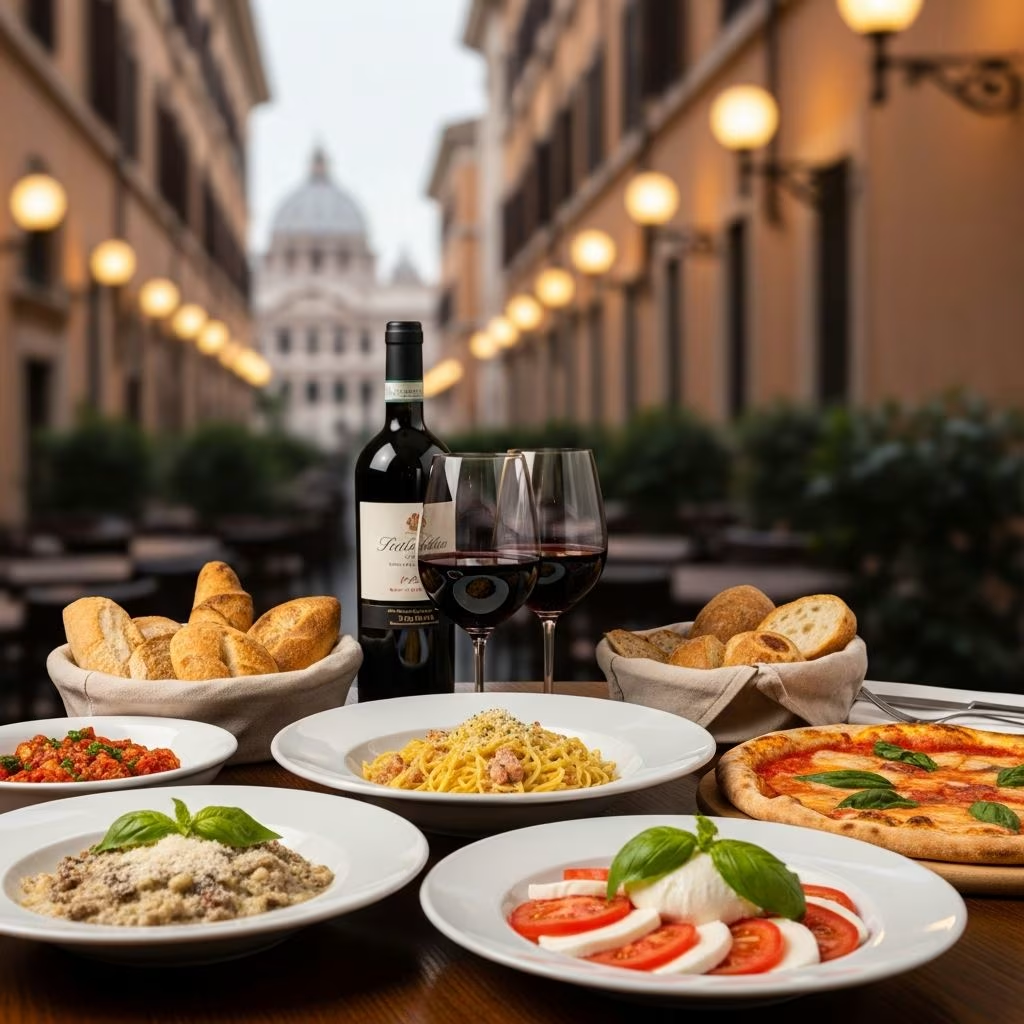 Food & Culture
 Food & Culture
Best Places to Eat in Rome: Neighborhood Dining Guide
 Food & Culture
 Food & Culture