 Stays
StaysStays
How Leading Hotel Chains Are Redefining Accessible Stays
Explore how leading hotel chains enhance accessibility beyond ADA standards with innovative designs, staff training, and sensory tools for all guests.
 Stays
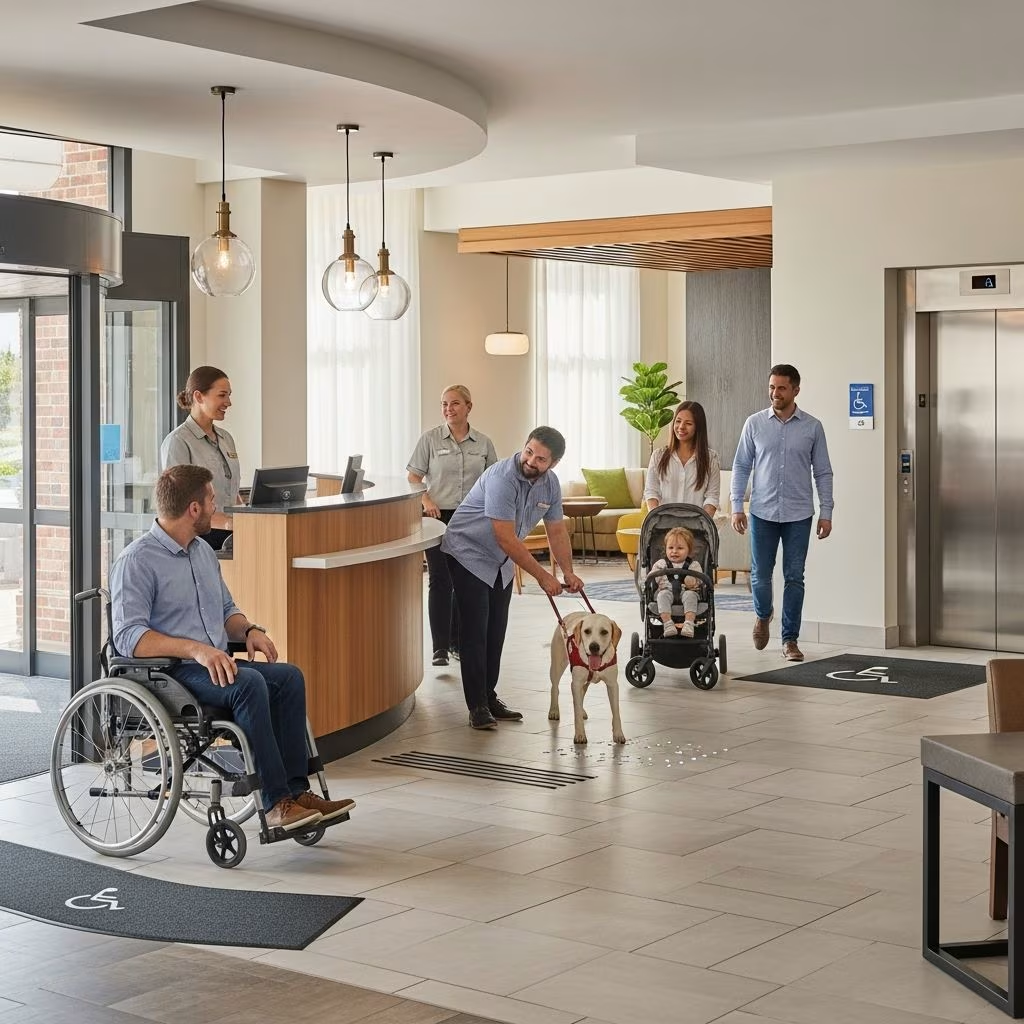
StaysLeading hotel chains are transforming the hospitality landscape by embedding advanced accessibility measures into their properties, ensuring comfortable and equitable experiences for guests with diverse needs. These efforts extend far beyond basic legal requirements, incorporating innovative designs, specialized training, and tailored amenities.
The Rise of Universal Design in Hospitality
Universal design principles are gaining momentum in the hotel industry, prioritizing spaces that accommodate everyone regardless of ability. This approach features elements like expansive corridors, oversized rooms, and intuitive navigation aids, setting a new benchmark for guest comfort.
One groundbreaking project in San Antonio exemplifies this shift, aiming to create a prototype property with features surpassing Americans with Disabilities Act (ADA) standards. Planners envision wider hallways for easier mobility, simplified elevator access, and rooms spacious enough for various assistive devices. Staff training will cover disability etiquette, mobility assistance, and provisions like hearing loops and adjustable lighting for sensory sensitivities.
Such initiatives draw from established expertise in inclusive venues, positioning this development as the first in a series of “ultra-accommodating” hotels. Negotiations with major brands like Hilton, Marriott, and Hyatt indicate strong industry interest, with groundbreaking slated for later this year and opening in 2026.
Hyatt’s Commitment to Neurodivergent Guests
Hyatt is at the forefront of addressing invisible disabilities through targeted programs for neurodivergent travelers, who often face unique challenges in unfamiliar environments. Partnering with KultureCity, a nonprofit specializing in sensory accessibility, Hyatt conducted surveys revealing key pain points and solutions.
The research, informed by NYU’s Jonathan M. Tisch Center of Hospitality and Hyatt’s disABILITIES Diversity Business Resource Group, highlights needs like clear property visuals and flexible room assignments. Over half of neurodivergent respondents desire 3D tours and floor plans to reduce anxiety, while caregivers emphasize pre-assigned rooms and on-site adaptability.
- Sensory Inclusive Certification at properties like Hyatt House Seattle/Bellevue and Hyatt Place Philadelphia/King of Prussia includes staff training and tools such as noise-canceling headphones and fidget items.
- Certified Autism Centers, including Hyatt Regency Aqaba Ayla, offer comprehensive support for autism spectrum needs.
- Pilot programs test “Hyatt Has It” kits with weighted blankets and sensory aids at select locations.
Digital enhancements are also underway, with a dedicated Principal Accessibility Specialist improving booking platforms for better room requests and visual aids. Properties like Thompson Central Park New York and Grand Hyatt Vail already provide virtual tours.
Hyatt’s chief commercial officer emphasized listening to guests and sharing findings to drive industry-wide change, acknowledging the ongoing learning curve.
Hilton and Marriott’s Accessibility Strategies
While specific recent initiatives for Hilton and Marriott are evolving, both chains maintain robust ADA-compliant infrastructures across their portfolios. Hilton’s involvement in ultra-accommodating concepts signals future expansions in inclusive design.
Marriott properties, such as the Atlanta Marriott Marquis, feature 40 wheelchair-accessible rooms, fully accessible meeting spaces, and amenities like valet parking assistance. Hyatt Regency Atlanta complements this with 36 mobility-accessible rooms, roll-in showers, and pool lifts.
| Chain | Key Features | Example Properties |
|---|---|---|
| Hyatt | Sensory tools, neurodivergent training, virtual tours | Hyatt Place Salt Lake City, Hyatt Regency Aqaba |
| Marriott | Wheelchair rooms, accessible lobbies, elevators | Atlanta Marriott Marquis |
| Hilton | Ultra-accommodating prototypes, wide hallways | San Antonio project (2026) |
Staff Training and Guest Support Essentials
Effective accessibility hinges on prepared teams. Hotels are implementing protocols for assisting with devices, recognizing invisible disabilities, and providing aids like vibrating alarms, TDD phones, and flashing alerts.
Training extends to etiquette, such as respectful communication and proactive accommodations. Hyatt’s KultureCity partnership ensures staff understand neurodivergence, fostering empathy and quick responses. Broader efforts include Braille signage, low-threshold entrances, and compliant restrooms with grab bars and adjustable mirrors.
Digital and Pre-Arrival Innovations
Modern travelers benefit from tech-driven accessibility. Requests for specific room locations, visual layouts, and self-disclosure options streamline bookings. Hyatt’s platform updates prioritize these, with more properties adopting 3D models.
Flexible policies allow adjustments upon arrival, addressing changing needs in new settings. Over 60% of caregivers value this adaptability.
Benefits for All Travelers
Inclusive designs enhance experiences universally. Spacious rooms aid families, quiet zones suit jet-lagged guests, and clear signage benefits non-native speakers. Economic incentives are clear: neurodivergent communities represent a growing market, with surveys showing demand for transparent accessibility info.
Industry leaders like Hyatt align these efforts with core values of care, using employee resource groups to champion inclusion.
Challenges and Future Directions
Despite progress, gaps persist in consistent info availability and staff readiness. Surveys reveal murky accessibility details online, prompting calls for standardized disclosures.
Upcoming projects like San Antonio’s model could inspire replication, with brands competing to affiliate. Expect wider adoption of sensory certifications and digital tools by 2026.
Frequently Asked Questions
What makes a hotel “ultra-accommodating”?
It exceeds ADA with features like extra-wide halls, sensory lighting, and comprehensive staff training for all abilities.
How does Hyatt support neurodivergent guests?
Through KultureCity certifications, sensory kits, virtual tours, and staff education at certified properties.
Are Marriott and Hilton advancing accessibility?
Yes, with ADA-compliant rooms and involvement in innovative projects like San Antonio’s prototype.
What amenities are common in accessible rooms?
Grab bars, roll-in showers, visual alarms, and spacious layouts for mobility aids.
Can I request specific accessibility features when booking?
Many chains allow requests via direct channels, with flexibility for on-site needs.
Choosing Your Inclusive Stay
Research certifications, read recent reviews, and contact properties directly. Prioritize chains with proven initiatives for peace of mind.
References
- Ultra-Accommodating Hotel Concept Goes Beyond ADA Accessible — ADA Southeast. 2023. https://adasoutheast.org/ultra-accommodating-hotel-concept-goes-beyond-ada-accessible/
- Hyatt highlights neurodivergent travelers’ needs in new initiative — The Points Guy. 2023. https://thepointsguy.com/news/hyatt-neurodivergent-travelers/
- Accommodations for Persons with Disabilities at AHA16 — American Historical Association. 2016-01-01. https://www.historians.org/events/annual-meeting/past-meetings/aha16-resources-and-guides/accommodations-for-persons-with-disabilities-at-aha16/
- Hyatt Reveals Survey Findings on the Hotel Stay Needs of Neurodivergent Travelers — Green Lodging News. 2023. https://www.greenlodgingnews.com/hyatt-reveals-survey-findings-on-the-hotel-stay-needs-of-neurodivergent-travelers/
On This Page
The Rise of Universal Design in Hospitality Hyatt's Commitment to Neurodivergent Guests Hilton and Marriott's Accessibility Strategies Staff Training and Guest Support Essentials Digital and Pre-Arrival Innovations Benefits for All Travelers Challenges and Future Directions Frequently Asked Questions Choosing Your Inclusive Stay← Previous
Villa Saba at Hotel Christopher: Luxury Private Villa in Saint Barth
Next →
Travel Rewards Programs: Earn More Airline Miles and Hotel Points
Related Reading