
 Stays
StaysStays
How to Avoid Travel Scams: Booking, Taxi, and Tour Fraud Tips
Uncover common travel scams like fake bookings, taxi rip-offs, and phony deals. Get expert tips from FTC and official sources to avoid fraud and travel confidently.
 Stays
StaysTraveling opens doors to incredible experiences, but it also attracts scammers eager to exploit tourists. With rising reports of fraud in bookings, transportation, and tours, understanding these schemes is essential for a worry-free journey. This guide draws from authoritative sources to outline prevalent scams and actionable defenses.
Digital Booking Traps: Fake Sites and Rentals
Scammers craft counterfeit websites mimicking legitimate platforms to lure victims into paying for nonexistent accommodations. These sites often feature stolen photos of real properties, leading travelers to arrive at empty addresses or occupied units.
- Signs of fake sites: Unrealistically low prices, urgent booking pressure, and requests to pay via untraceable methods like wire transfers or crypto.
- Prevention tactics: Stick to verified platforms such as Airbnb or VRBO with buyer protection. Perform reverse image searches on listings and cross-check reviews across Google, TripAdvisor, and Yelp.
Rental hijacking is another variant where fraudsters duplicate genuine listings, collect payments off-platform, and vanish. Platforms report hosts managing suspiciously few properties as a red flag—legitimate ones typically oversee multiple verified spots.
Transportation Rip-Offs: Taxis and Ride-Hailing Pitfalls
In bustling hubs like Bangkok and Jakarta, taxi scams account for up to 66% of incidents, involving rigged meters, detours, or bill-switching. Airport hustlers pose as official drivers, quoting ‘special rates’ before inflating charges in unmarked vehicles.
| Scam Type | Description | Avoidance Strategy |
|---|---|---|
| Broken Meter | Driver claims meter failure, demands exorbitant flat fee. | Negotiate fare upfront; prefer apps like Uber. |
| Long Route | Intentional scenic detours to hike costs. | Use GPS to monitor route; exit if suspicious. |
| Change Trick | Swaps genuine bill for counterfeit during change. | Count change meticulously before leaving. |
Ride-hailing apps minimize risks, but verify driver details match the app description. For hotels offering shuttles, confirm via official contact—not airport volunteers.
Street Hustles: Guides, Petitions, and Distractions
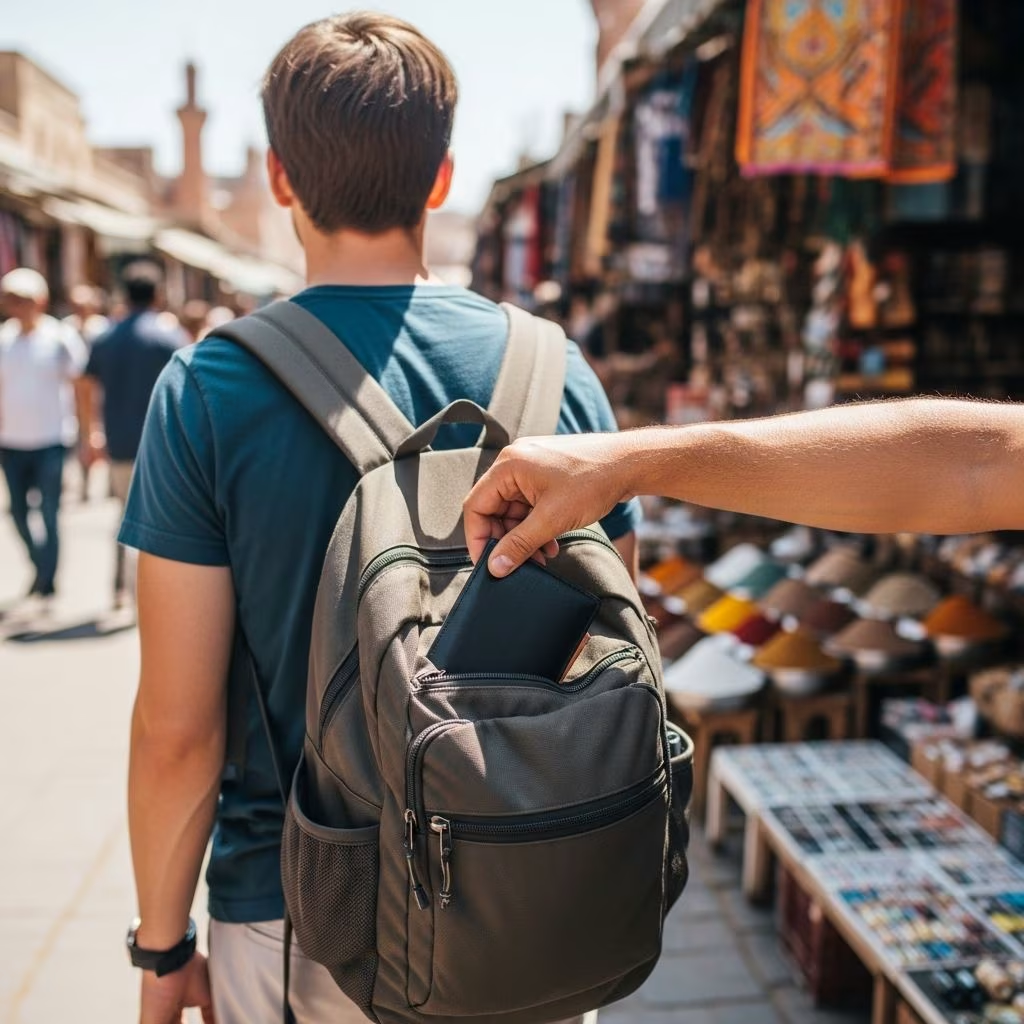
Tourist hotspots breed opportunistic cons. Fake guides near landmarks claim closures for ‘private events,’ diverting you to commission-based shops or inflated tours. Clipboard wielders solicit signatures or donations, pickpocketing amid distraction, or accomplices ‘spill’ substances to aid theft.
- Attractions like the Colosseum see fake ticket sellers peddling invalid entries to queued visitors.
- Countermeasures: Verify hours and buy tickets from official booths or apps. Politely decline street solicitations and secure valuables.
Tuk-tuk drivers in Southeast Asia promise gem bargains but enforce shopping stops for kickbacks. Hotels can arrange vetted rides sans obligations.
Phony Agencies and Unsolicited Offers
Fake travel agencies proliferate via social media and pop-ups, boasting luxury deals that evaporate post-payment. Hong Kong logs 70% of scams from such operators, outpacing others fourfold. Robocalls and texts hype ‘free vacations’ burdened by hidden fees.
FTC flags vague details, rushed decisions, and non-standard payments as hallmarks.
Don’t sign or pay until you know the terms. Get cancellation policies in writing; walk away if unavailable.
Avoid ‘cheap’ search terms boosting scam ads. Research agencies via independent directories and industry associations.
Post-Booking Ploys: Refunds and Timeshares
After cancellations, phishing emails mimic hotels requesting card ‘verification’ for refunds, harvesting data. Timeshares deploy high-pressure pitches with buried fees, costing U.S. victims over $617,000 annually.
- Refund safety: Bypass email links; access accounts directly and contact support officially.
- Timeshare defense: Defer signing; review contracts at home with advisors. Legit offers allow time.
General Safeguards for Smart Travelers
Bolster defenses with these universal tips from government and consumer watchdogs:
- Research thoroughly: Confirm businesses via official sites, not ads.
- Secure payments: Use credit cards for disputes; shun wires or gift cards.
- Vigilance abroad: Loop bags on chairs, ignore dropped items, and trust instincts.
- Insurance matters: Policies covering trip disruptions aid recovery.
State Department urges reporting to embassies, preserving evidence like receipts.
Frequently Asked Questions
What if I spot a potential scam mid-trip?
Contact local police and your embassy immediately. Document everything for insurance claims.
Are ride-sharing apps always safe?
They’re safer but verify matches and share trips. In restricted areas, opt for official taxis.
How do I vet a travel agency?
Check registrations, multi-site reviews, and call independently sourced numbers.
Can travel insurance prevent scams?
It reimburses losses from verified fraud but doesn’t stop it—prevention is key.
What about scams in Europe specifically?
Creative cons like padded bills thrive; count change and clarify menus.
References
- 3 Tips to Avoid Travel Scams — Doing More Today. 2023. https://doingmoretoday.com/3-tips-to-avoid-travel-scams/
- How to Avoid Travel Scams: Complete Safety Guide — AvantStay. 2024-01-15. https://avantstay.com/blog/how-to-avoid-travel-scams/
- Keep an Eye Out for the Latest Travel Scams — AARP. 2024. https://www.aarp.org/money/scams-fraud/travel/
- 10 Common Travel Scams to Avoid Abroad — International Insurance. 2023-11-20. https://www.internationalinsurance.com/advice/travel-scams/
- Avoid Scams When You Travel — FTC Consumer Advice. 2024-02-10. https://consumer.ftc.gov/articles/avoid-scams-when-you-travel
- Scams — U.S. Department of State. 2025. https://travel.state.gov/en/international-travel/travel-advisories/scams.html
On This Page
Digital Booking Traps: Fake Sites and Rentals Transportation Rip-Offs: Taxis and Ride-Hailing Pitfalls Street Hustles: Guides, Petitions, and Distractions Phony Agencies and Unsolicited Offers Post-Booking Ploys: Refunds and Timeshares General Safeguards for Smart Travelers Frequently Asked Questions← Previous
Beginner’s Guide to Trekking in the Indian Himalayas
Next →
Travel Insurance Guide: Coverage, Costs & How to Choose the Right Policy
Related Reading