

 Travel Essentials
 Travel Essentials

Discover the unwritten rules of Italian society that help travelers integrate naturally with locals, from dining customs to social interactions.
 Travel Essentials
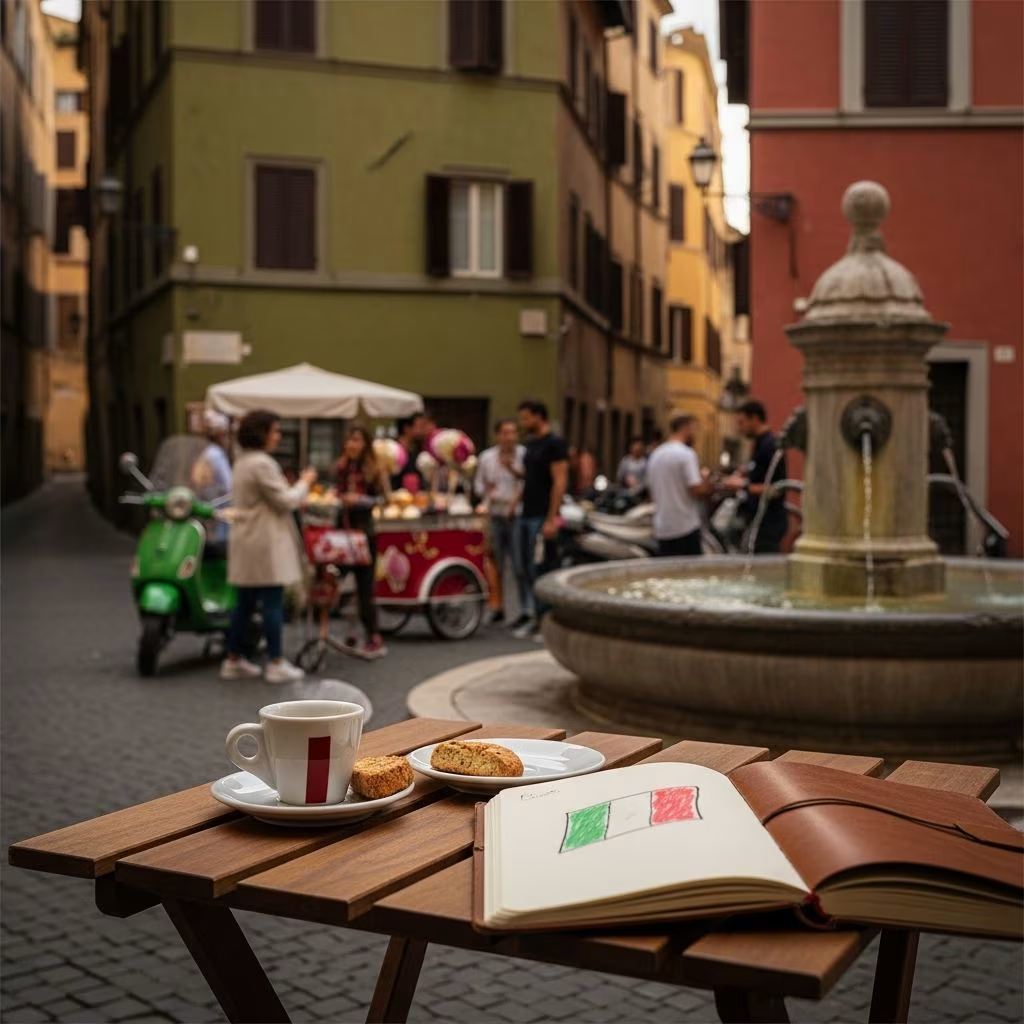
Traveling to Italy offers more than just iconic landmarks and Renaissance art—it provides an opportunity to immerse yourself in one of Europe’s most vibrant cultures. Yet many visitors remain perpetual outsiders, identifiable as tourists from across the piazza. The difference between observing Italy and truly experiencing it often comes down to understanding and respecting the unwritten rules that govern Italian society. These cultural norms, passed down through generations, shape how Italians interact with one another and expect visitors to behave.
Unlike formal laws, these social conventions are rarely written in guidebooks, yet they profoundly influence daily interactions. Whether you’re ordering coffee at a neighborhood bar, visiting someone’s home, or dining at a family-run trattoria, understanding these expectations transforms your experience from that of a curious outsider to a respectful participant in Italian life. This guide explores the essential cultural conventions that define Italian society and offers practical strategies for honoring these traditions during your travels.
Communication in Italy extends far beyond words alone, but language remains your primary tool for building connections with locals. Italians genuinely appreciate when visitors make sincere efforts to speak their language, even imperfectly. This gesture—attempting to communicate in Italian rather than defaulting to English—signals respect for the culture and opens doors that might otherwise remain closed.
Begin with simple, universal phrases. Upon entering any establishment, whether a small grocery shop, café, or boutique hotel, greet staff members warmly with “Buongiorno” (good morning) or “Buonasera” (good evening), depending on the time of day. This customary greeting demonstrates politeness and builds immediate rapport. Similarly, use “Per favore” (please) and “Grazie” (thank you) liberally throughout conversations and transactions. While some Italians may not always express these courtesies among themselves, they deeply appreciate when foreigners employ them.
The physical aspect of greeting deserves equal attention. When meeting someone for the first time, a handshake is standard. Among friends and family, expect cheek kisses—beginning from the left side—as a warm gesture of affection. Learning to navigate these physical boundaries correctly prevents awkward moments and demonstrates cultural awareness.
The stereotype about Italians speaking with their hands contains genuine truth. Gesticulation permeates Italian conversation across all social contexts, from casual chats on street corners to serious business discussions in offices. These hand movements and facial expressions aren’t mere theatrical flourishes—they constitute a legitimate communication system that Italians use to convey meaning, emotion, and nuance.
Rather than view these gestures as exaggerated or comical, recognize them as integral to Italian expression. Entire conversations can unfold through a series of widely recognized hand signals, head tilts, and facial expressions that locals understand instantly. To blend in effectively, resist the temptation to amplify your own gestures excessively or mock this communication style.
Instead, observe how locals use restraint and precision in their movements. Research common Italian gestures beforehand—understanding what they mean and how to execute them properly—then incorporate them naturally into your own conversations. This approach demonstrates genuine engagement with the culture rather than performative mimicry. When you gesture with purpose and cultural understanding, locals recognize you as someone who respects and values their traditions.
Italians possess a well-earned reputation for sartorial excellence. This cultural emphasis on appearance reflects deeper values about self-respect, consideration for others, and pride in personal presentation. Understanding and honoring these expectations significantly impacts how locals perceive and interact with you.
The Italian approach to casual dressing differs markedly from American or Northern European informality. Even routine activities like running errands to the market or taking an evening stroll warrant thoughtfully coordinated outfits. This doesn’t require expensive designer clothing or formal attire; rather, it means assembling simple, well-maintained pieces that work harmoniously together.
Specific items to avoid include:
When visiting religious sites—churches, basilicas, or monasteries—modest dress becomes essential. Cover your shoulders and knees as a sign of respect for sacred spaces. This consideration applies regardless of your personal religious beliefs; it reflects honor for the location’s significance to the community.
If traveling with children, ensure they also maintain neat, appropriate appearance and conduct respectfully in commercial establishments. Italians appreciate parental attention to children’s behavior in public settings, viewing it as a reflection of family values.
For many visitors, understanding Italian coffee conventions prevents embarrassing cultural missteps. The cappuccino—that beloved combination of espresso, steamed milk, and foam—holds a specific purpose in Italian daily life: it’s exclusively a breakfast beverage. Ordering a cappuccino after 11 AM marks you instantly as a tourist, as locals view this drink as appropriate only for morning consumption alongside pastries or breakfast items.
After breakfast concludes, Italians shift to espresso—a small, concentrated shot consumed quickly, often standing at the bar counter. This transition reflects Italian dining philosophy: different foods and beverages suit different times of day according to established custom. Respecting this structure demonstrates cultural literacy.
Additionally, understand that ordering coffee at a café bar differs fundamentally from coffee shop experiences in other countries. Italians typically consume their beverage quickly while standing, paying modest amounts. The extended café experience of working on laptops or lingering for hours represents a distinctly foreign approach that Italians find peculiar.
Italian meals represent far more than nutritional intake; they embody cultural values of leisure, family connection, and social engagement. Restaurant service reflects these priorities, operating at a deliberately measured pace fundamentally different from quick-service dining in many other countries.
When dining out in Italy, expect the following rhythm: After ordering, allow considerable time before food arrives. Waitstaff won’t hover anxiously, repeatedly checking on your progress or refilling water glasses unsolicited. This apparent inattention doesn’t indicate rudeness; rather, it respects the Italian expectation that diners want uninterrupted time for conversation and enjoyment. The meal unfolds gradually, with courses arriving sequentially rather than simultaneously.
To integrate seamlessly into this dining culture, adopt the same patient mindset. Rather than flagging down servers frequently, save requests for genuine needs—additional water, forgotten utensils, or the bill. Wave gently to attract attention when necessary, allowing staff to complete their current tasks. Understand that your table will remain available for your entire duration; no one will rush you toward departure.
Never order cheese immediately after a meal or request both cheese and dessert simultaneously—this violates established dining progression. Additionally, avoid substituting dishes without understanding the menu structure or requesting modifications that fundamentally alter traditional preparations.
In Italian society, hosting guests and being a guest constitute carefully choreographed social arts governed by expectations both parties understand. Should you receive an invitation to someone’s home, several rules guide appropriate behavior.
Most importantly, never arrive empty-handed. This cardinal rule applies universally across Italy, regardless of the occasion’s formality or your relationship with the host. Appropriate gifts include:
The gift’s monetary value matters less than the gesture itself. Arriving with something for your hosts signals respect, consideration, and proper upbringing. This convention transcends social class or occasion type—it remains non-negotiable.
During your visit, demonstrate appreciation through attentiveness to house rules, compliments toward your hosts’ hospitality and home, and genuine engagement in conversation. If invited to a meal, eat what’s offered graciously, even if unfamiliar. Declining food beyond polite refusals can offend hosts who’ve invested effort in preparation.
Beyond formal rules, Italian culture operates according to recognizable social patterns and timing conventions. Recognizing and respecting these rhythms facilitates genuine integration into local life.
Italians structure their days around traditional mealtimes: breakfast early morning, lunch between noon and 2 PM, dinner between 8 and 10 PM. Many businesses, shops, and restaurants close during afternoon hours for the long break Italians guard fiercely. Rather than view this as inefficiency, understand it reflects values prioritizing rest, family meals, and balanced living.
Evening social life follows predictable patterns. The passeggiata—an unhurried evening stroll through town with family and friends—occurs regularly, particularly in smaller towns. During these walks, people greet neighbors, socialize in piazzas, and participate in community life. Joining this tradition by taking evening walks yourself allows natural observation of local customs and opportunities for authentic interactions.
In small towns especially, locals tend toward warmth and conversational openness with visitors who demonstrate genuine interest in their community. Unlike major tourist centers where locals expect transient encounters, smaller towns offer possibilities for meaningful connections with residents who appreciate respectful cultural engagement.
Several behaviors reliably identify visitors as outsiders and can undermine attempts at cultural integration. Being aware of these common mistakes helps you navigate Italy more successfully.
Avoid consulting maps openly in public spaces; instead, discreetly use your phone for navigation while appearing to send messages. This maintains the impression of local confidence and familiarity with your surroundings.
Regarding tipping, reject the American model of 15-20% gratuities. Most Italian meals include service charges already, and leaving 1-3 euros as a polite acknowledgment suffices. Over-tipping puzzles locals and reinforces stereotypes about Americans’ misunderstanding of European customs.
Put away guidebooks when not actively consulting them; walking around with a visible guidebook marks you unmistakably as a tourist. Instead, observe how locals move through spaces, where they shop, which restaurants they frequent, and what times they conduct activities. This observation-based learning integrates you far more effectively than following pre-packaged tourist itineraries.
Italian cuisine reflects regional traditions refined over centuries. Understanding proper consumption occasions for various foods prevents cultural faux pas. Beyond cappuccino’s breakfast-only status, recognize that certain dishes belong to specific contexts.
Parmigiano-Reggiano cheese has appropriate occasions; using it indiscriminately on all dishes offends those who view it as suitable for specific preparations only. Similarly, seafood dishes traditionally avoid cheese additions—a convention visitors often violate unknowingly. When in doubt, observe what locals order and how they eat it, then follow their model.
Ultimately, blending in as a local transcends memorizing rules and adopting behaviors. It requires genuine curiosity about Italian life, respect for established customs, and willingness to step outside tourist zones and observation patterns.
Visit neighborhoods where tourists rarely venture. Eat at restaurants where locals gather rather than establishments targeting international visitors. Slow down your travel pace, allowing time for unplanned interactions and genuine observations of daily life. Engage in conversations with shopkeepers, fellow café patrons, and community members who recognize your sincere interest in understanding their culture rather than simply collecting experiences.
When you invest effort in learning language basics, understanding cultural conventions, and demonstrating respect for Italian traditions, locals respond with warmth and openness. They recognize your efforts as genuine appreciation rather than performative gestures. This reciprocal respect creates opportunities for authentic engagement impossible through conventional tourism.
