

 Travel Essentials
 Travel Essentials

Learn to identify ethical wildlife conservation opportunities that support real science-led efforts, avoid animal exploitation, and contribute to long-term species protection worldwide.
 Travel Essentials
Engaging in wildlife conservation volunteering offers a powerful way to contribute to global efforts protecting endangered species and their habitats. However, not all programs deliver genuine benefits. This guide equips you with tools to evaluate opportunities, ensuring your participation advances conservation without harming animals.
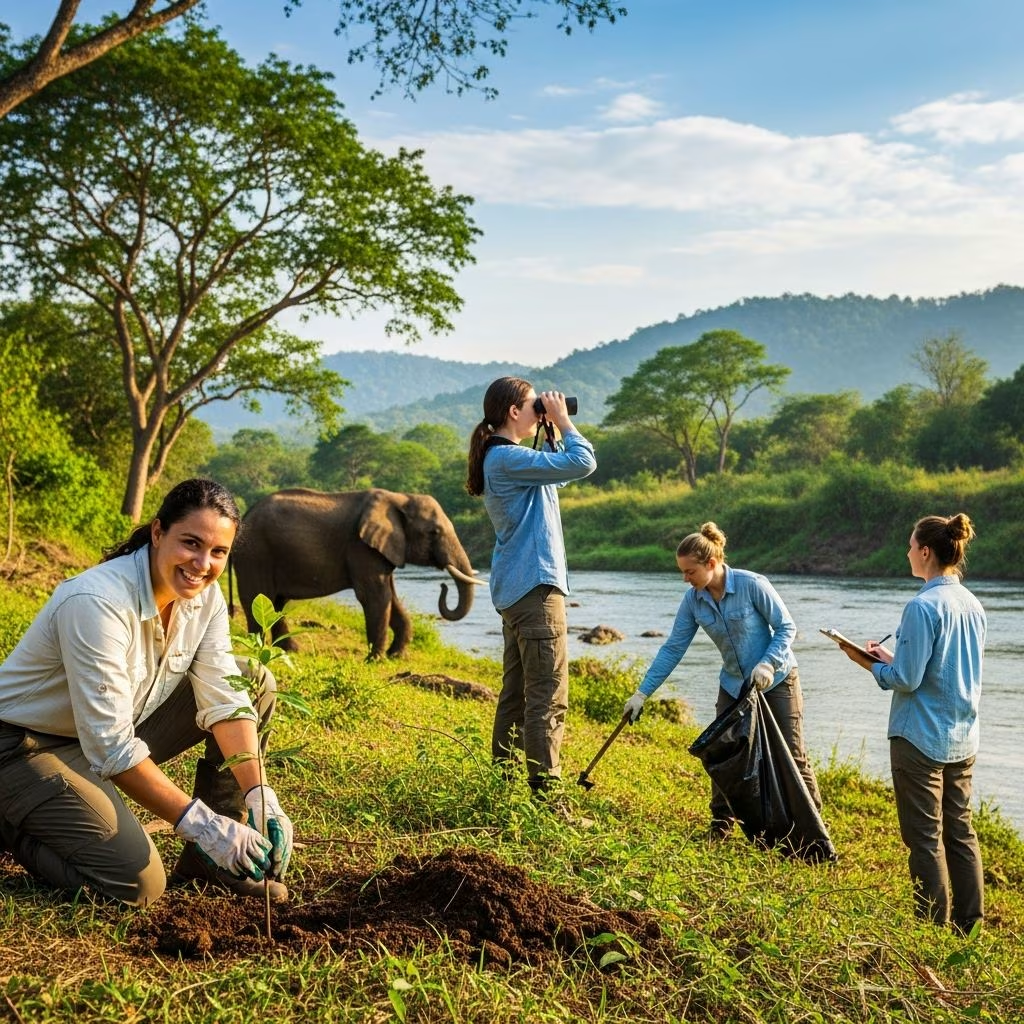
Effective wildlife volunteering focuses on long-term ecological goals rather than short-term thrills. Programs should align with established frameworks like those from the International Union for Conservation of Nature (IUCN), targeting threatened species listed on the Red List. Volunteers typically assist in monitoring, data collection, and habitat restoration, working under professional guidance.
Real conservation addresses root causes such as poaching, habitat loss, and invasive species. For instance, initiatives in Africa emphasize tracking endangered animals through camera traps and patrols, contributing measurable data to national strategies. Avoid programs promising direct animal handling, as these often prioritize tourism over welfare.
To spot legitimate projects, scrutinize several core elements. Ethical operations demonstrate transparency in their methods, funding, and outcomes.
Programs meeting these criteria ensure volunteer fees fund operations directly, not profit-driven expansions.
Many so-called conservation experiences exploit animals for profit. Watch for warning signs that indicate unethical practices.
| Red Flag | Why It’s Problematic | Better Alternative |
|---|---|---|
| Direct animal contact (petting, riding) | Causes stress, disease transmission, and dependency | Observation from distance with monitoring duties |
| Large tourist groups | Disrupts habitats, prioritizes volume over impact | Small teams in ongoing research |
| No clear conservation goals | Lacks accountability for funds and outcomes | Alignment with IUCN priorities |
| Orphanage-style setups | Often breeds captivity, not release | True sanctuaries for non-releasable rescues |
| Guaranteed sightings | Baits animals, altering behavior | Natural encounters in protected zones |
Steer clear of these to prevent unintentional harm. Instead, prioritize verified ethical operators.
A systematic approach helps narrow options effectively.
This process typically reveals 2-3 strong candidates from dozens advertised online.
Several organizations exemplify best practices. Wildlife ACT in South Africa runs field-based programs monitoring endangered species like cheetahs and rhinos. Volunteers join professionals in tracking and data collection, with fees supporting anti-poaching efforts.
In sanctuaries like Panthera Africa or Care for Wild Rhino, focus remains on rehabilitation without visitor interference. These sites house rescues from illegal trade, providing veterinary care and enrichment in spacious enclosures. Kenya’s Safari Series integrates Maasai-led patrols and invasive species removal, channeling profits to local conservation.
South America’s reintroduction projects for felids offer unique hands-off evaluation roles, combining health assessments with community outreach. These examples prioritize welfare and measurable results.
Once selected, thorough preparation maximizes your contribution.
Arriving equipped ensures seamless integration into daily operations.
Ethical volunteering yields personal growth alongside ecological gains. Participants often report heightened environmental awareness and advocacy skills. Programs track collective impact, such as kilometers patrolled or individuals monitored, providing post-trip reports.
Broader effects include bolstering local economies and influencing policy through tourism revenue. By choosing ethically, you signal to governments the value of protected lands over development. Sustained involvement, like repeat volunteering, amplifies these outcomes.
FAQ
Fees range from $1,500-$4,000 for 2-4 weeks, covering lodging, meals, and program costs. Transparent breakdowns ensure funds support conservation.
No, most programs train novices. Enthusiasm and fitness suffice; advanced roles may require ecology backgrounds.
Reputable projects follow strict protocols, with trained staff and insurance. Risks like wildlife encounters are minimized.
Opportunities exist globally, including Asia’s primate rescues and South American rewilding.
Demand audited reports and IUCN alignment. Ethical operators publish verifiable metrics.
By applying these principles, your volunteering becomes a force for positive change. Ethical choices protect species, empower communities, and inspire others. Start researching today to join the conservation movement effectively.
