

 Travel Essentials
 Travel Essentials

Learn how to choose the best Galapagos cruise by evaluating ship sizes, trip durations, routes, guides, and costs to maximize your encounter with unique wildlife and pristine islands.
 Travel Essentials
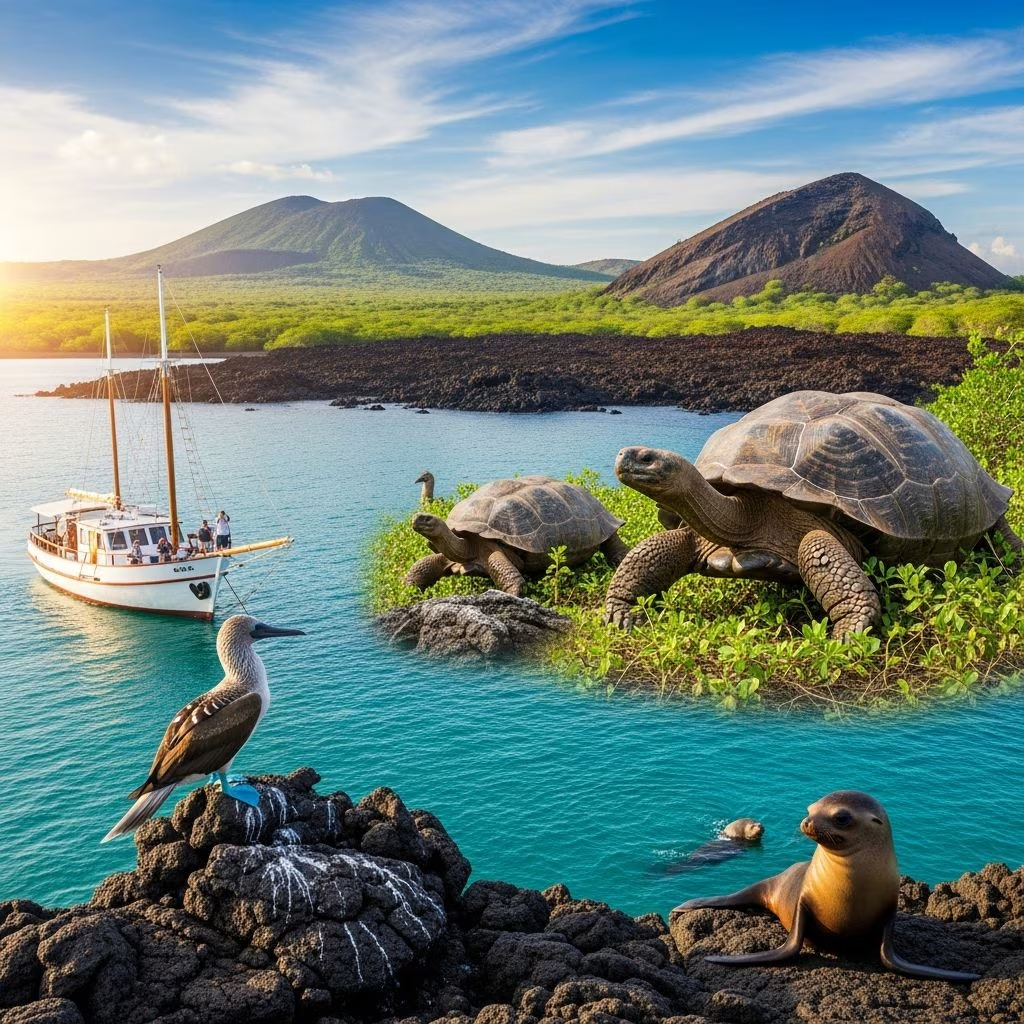
The Galapagos Islands offer a once-in-a-lifetime opportunity to witness extraordinary wildlife in a pristine volcanic archipelago off Ecuador’s coast. Selecting the right cruise is crucial for accessing remote sites, ensuring guided excursions, and enjoying comfort amid strict national park regulations that limit visitor impacts. Cruises outperform land-based stays by reaching 70% of exclusive visitor sites only accessible by sea, such as Rábida Island’s red beaches or Genovesa’s bird colonies.
While hotels exist on four inhabited islands like Santa Cruz and San Cristóbal, they restrict access to day trips from ports, missing deeper archipelago gems. Cruises enable overnight travel between islands, maximizing daylight for hikes, snorkeling, and wildlife viewing with certified naturalist guides required at every site. Small ships foster intimate connections with crew, guides, and passengers, unlike crowded ferries between islands that demand overnight stays. National Park rules cap vessels at 100 passengers, ensuring low-impact tourism while prioritizing quality experiences.
Galapagos itineraries typically span 4 to 12 days, but effective exploration requires balancing time at sea with activities. Shorter than five days yields only partial coverage, as travel consumes the first afternoon and final morning for flights to/from mainland Ecuador. A 5-7 day cruise covers major species across inner and outer islands without excess length; one six-day trip observed nearly all key animals except rarities like flightless cormorants on remote Fernandina. Longer voyages suit comprehensive routes but add cost without proportional gains for most travelers.
Cruises follow regulated paths—western (younger volcanic islands like Fernandina and Isabela for penguins), northern/central (Genovesa for boobies), eastern/southern (Española for albatross)—visiting each site once per 14 days to protect ecosystems. Route choice hinges on target species: western for marine iguanas and flightless cormorants at Punta Espinoza; northern for 45 endemic birds on Genovesa; southern for waved albatross breeding. Seasonal variations influence sightings—penguins year-round west, but nesting peaks differ. Flexible dates expand options, as itineraries rotate weekly.
| Route | Key Islands | Highlight Wildlife | Best For |
|---|---|---|---|
| Western | Fernandina, Isabela | Penguins, flightless cormorants, marine iguanas | Geology enthusiasts |
| Northern | Genovesa, Darwin’s Arch | Boobies, frigatebirds, storm petrels | Birdwatchers |
| Eastern/Southern | Española, Floreana | Albatross, hood mockingbirds | Endemic breeders |
Ships range from 12-100 passengers, directly impacting guide ratios (1:16 max per park rules) and activity variety. Intimate 16-person yachts offer single-guide outings with uniform pacing, ideal for cohesive groups. Mid-size 50-100 guest vessels provide multiple guides, split activities (hike one group, snorkel another), and onboard amenities like lectures or kayaking. Larger options like Silversea’s Silver Origin (100 guests) blend luxury with high crew ratios, butler service, and features like firepits. Smaller ships excel in agility but may lack space; larger ensure comfort without megaship crowds.
Every excursion mandates certified naturalists who interpret ecology, evolution, and human impacts, turning visits into educational journeys. Multi-guide ships allow personalized pacing—active hikers vs. relaxed observers—enhancing accessibility for families or varied fitness levels. Guides reveal nuances like Darwin’s finches’ adaptations or tortoises’ island-specific traits, deepening appreciation beyond selfies. Vet operators for guide expertise via reviews; top cruises feature bilingual, highly trained locals.
Vessels divide into economy, tourist, first-class, and luxury, scaling from basic cabins to suites with butlers. All-inclusive luxury like Silver Origin covers meals, gear, excursions, even Quito hotel stays and flights, simplifying logistics. Tourist/first-class balance value with snorkel equipment, wetsuits, and panga boats for landings. Economy prioritizes affordability but skimps on extras. Common activities: guided hikes, snorkeling marine life, zodiac cruises, rare scuba. Night voyages preserve energy for dawn explorations.
Year-round accessibility favors dry season (June-December) for cooler waters and active wildlife, though rainier; warm wet season (January-May) boosts snorkeling with calmer seas. Breeding peaks—sea lions July-January, birds October-December—dictate sightings; avoid peak holidays for deals. Book 6-12 months ahead for prime dates; shoulder seasons yield savings.
Galapagos demands premium pricing due to regulations, but cruises streamline expenses: $4,000-$15,000/person for 7 days, covering most. Factor park fees ($100-$200), INGALA transit card ($20), flights from Quito (~$500 roundtrip). All-inclusives minimize surprises; compare via crew ratios, inclusions. Smaller ships often value-pack for intimacy over opulence.
Pack layers for variable weather, motion-sickness remedies, reef-safe sunscreen, binoculars, waterproof bags. Cruises supply wetsuits/snorkel gear; confirm. Pre-cruise Quito acclimation prevents altitude issues; arrange park permits via operators. COVID protocols may persist—check requirements.
Yes, for full access; land tours limit to inhabited islands and day boats, missing 70% of sites.
6-8 days for comprehensive yet efficient coverage of key wildlife.
50-100 passengers balance activities, guides, and comfort.
Dry season for wildlife activity; wet for snorkeling.
Typically meals, guides, gear; add fees, flights.
