 Stays
StaysStays
How to Detect Bed Bugs in Hotels with a UV Flashlight
Learn proven methods to inspect hotel rooms for bed bugs using UV lights, visual checks, and pro tips to keep your trip pest-free.
 Stays
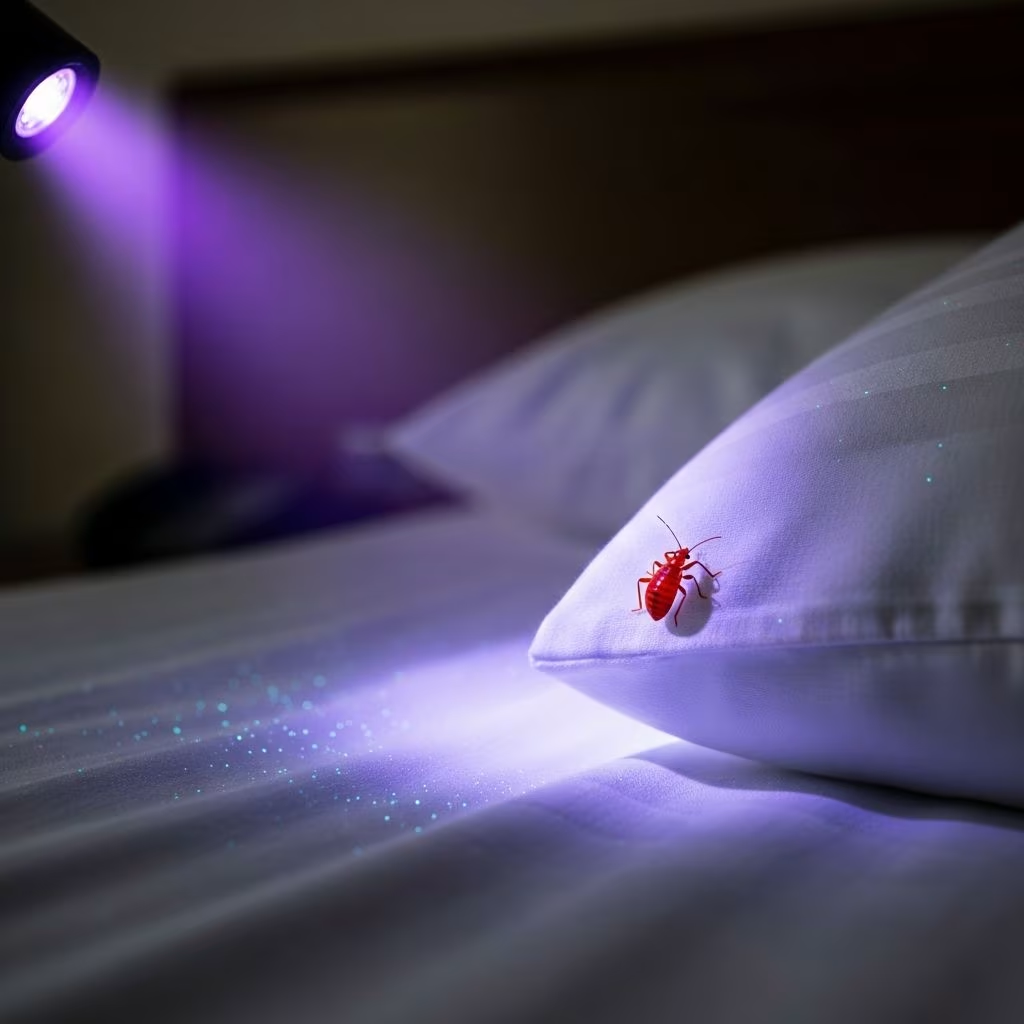
StaysTravelers face hidden threats like bed bugs in hotels, but simple tools like UV flashlights empower proactive detection. These devices highlight fecal spots and residues that glow under ultraviolet light, allowing quick scans of mattresses and furniture.
Why Bed Bugs Thrive in Hotels
Bed bugs spread rapidly in hospitality settings due to frequent guest turnover and shared spaces. They hitchhike on luggage, clothing, and linens, infesting cracks in beds, headboards, and upholstery. Unlike visible pests, bed bugs hide during the day, emerging at night to feed, making early detection essential.
Hotels implement routine protocols, but lapses occur even in luxury properties. Professionals note that cities like Washington D.C. rank high in infestations, affecting all traveler classes. Understanding their biology—small, apple-seed-sized bodies, translucent nymphs—helps in targeted searches.
Essential Tools for Bed Bug Detection
A compact UV flashlight (365-395 nm wavelength) is the cornerstone of inspections, revealing digested blood in droppings that fluoresce under UV. Pair it with:
- LED flashlight for standard visual checks.
- Magnifying glass for close examination of seams.
- Crevice tool to probe hidden areas.
- Sticky traps for monitoring.
Professionals carry kits combining these for thorough audits, emphasizing UV as a screening aid rather than definitive proof. Affordable options under $40 make them accessible for personal use.
Step-by-Step Hotel Room Inspection Guide
Begin inspection upon entering your room to avoid spreading pests. Follow this sequence:
- Secure Luggage: Place bags on hard surfaces like the bathroom floor or luggage rack, never on beds or carpets.
- Strip the Bed: Remove sheets, pillows, and blankets to expose the mattress.
- Visual Scan: Use phone flashlight on seams, tags, and tufts for dark spots, shed skins, or eggs.
- UV Sweep: Shine UV light slowly over mattress edges, headboard, and frame. Look for glowing spots or streaks.
- Furniture Check: Inspect chairs, nightstands, and baseboards similarly.
- Wall and Floor Edges: Scan crevices where bugs travel.
Inspections take 15-30 minutes; thoroughness prevents bringing pests home.
How UV Light Reveals Hidden Evidence
Bed bug feces, containing blood, glows under UV due to organic compounds. Common signs include:
- Clusters of tiny fluorescent dots along seams.
- Streaks on headboards from movement.
- Shed skins or eggs occasionally visible.
Live bugs rarely fluoresce, so combine with physical evidence like cast exoskeletons or bites. Hotels use this during housekeeping turnovers for early alerts.
| Sign | Appearance Under Normal Light | UV Light Glow |
|---|---|---|
| Fecal Spots | Dark specks/rust stains | Bright fluorescent dots |
| Shed Skins | Translucent husks | Faint glow |
| Eggs | Tiny white capsules | Subtle sheen |
| Live Bugs | Brown, flat bodies | No glow |
Professional Pest Control Methods
Pest experts follow integrated protocols starting with guest reports, then visual checks, UV scans, and traps. Confirmation requires specimens, not just glows. Hotels deploy interception traps under legs and routine UV audits.
For severe cases, treatments include heat, chemicals, or steam, but prevention via inspections remains key.
Prevention Strategies for Travelers
- Choose hotels with strong reviews on cleanliness.
- Inspect before unpacking; request room changes if suspicious.
- Use luggage liners and elevate bags.
- Wash clothes in hot water upon return.
- Employ bed bug-proof encasements at home.
Avoid soft surfaces for belongings to break the hitchhiking cycle.
Common Myths About Bed Bug Detection
Myth 1: Clean hotels are immune. Reality: Infestations occur everywhere.
Myth 2: UV shows live bugs. Reality: It detects residues only.
Myth 3: One tool suffices. Reality: Combine methods for accuracy.
FAQs
Does UV light detect live bed bugs?
No, it highlights residues like feces; live bugs need visual confirmation.
Best UV wavelength for bed bugs?
365-395 nm for optimal fluorescence of organic traces.
How often should I inspect a hotel room?
Upon arrival and before bed; repeat if switching rooms.
What if I find signs of bed bugs?
Notify staff immediately, don’t unpack, request relocation.
Can I use my phone’s light?
For initial scans yes, but dedicated UV is superior.
Advanced Tips from Pros
Scan in darkened rooms for better contrast. Document findings with photos. For families, check cribs and play areas. Long-term travelers invest in portable kits.
Post-trip, vacuum luggage and freeze items at 0°F for 4 days to kill hitchhikers.
References
- UV Light for Bed Bug Detection in Hotels and Pest Control — Coohom. 2023. https://www.coohom.com/article/how-hotels-and-pest-control-professionals-use-uv-light-for-bed-bug-detection
- How to detect bed bugs while traveling — YouTube. 2023. https://www.youtube.com/watch?v=1qKYbJKEg-w
- Do it in all hotels: how to check for bed bugs — YouTube. 2024. https://www.youtube.com/shorts/TmCuwUmyUUo
← Previous
Le Marais, Paris: History, Highlights & Local Guide
Next →
Best Places to See Fall Foliage in the US in 2025
Related Reading