


 Food & Culture
Food & Culture
How to Eat Like a Local in Bodrum
Navigate Bodrum's authentic food scene with insider tips on traditional markets, street food, local tavernas, and affordable dining experiences that reflect true Aegean cuisine.
 Food & Culture
Bodrum has transformed from a quiet fishing community into one of Turkey’s most sought-after Mediterranean destinations, attracting visitors with its pristine beaches, historic castle, and picturesque harbors. Yet amidst the upscale resorts and fashionable establishments, the town retains its authentic culinary soul. Understanding how to navigate Bodrum’s food landscape as locals do opens doors to remarkable gastronomic experiences that won’t drain your wallet while delivering genuine Turkish and Aegean flavors.
Where the Locals Source Their Ingredients: Markets and Street Commerce
The pulse of Bodrum’s authentic food culture begins in its public markets and street-level vendors. Unlike the polished waterfront restaurants, these venues represent where residents actually purchase ingredients and consume daily meals. Walking through the central alleys reveals a vibrant ecosystem of food vendors operating from simple mobile stalls and modest shopfronts, offering products and prepared foods that have sustained the community for generations.
Street vendors specializing in kumpir represent a particularly distinctive Bodrum food tradition. These loaded baked potatoes arrive topped with an impressive array of selections—from straightforward options like sweetcorn to more adventurous combinations featuring olives paired with yogurt and various herbs. What distinguishes kumpir as a local favorite is the participatory nature of the experience; diners customize their portions based on personal preferences, making each serving unique. Accompanying a kumpir meal with lokmasi—spheres of fried dough bathed in fragrant syrup—creates a satisfying and inexpensive meal that reflects authentic local eating patterns.
These casual vendors operate throughout the city’s commercial districts, often near transit hubs and residential neighborhoods. They provide quintessential examples of how ordinary Bodrum residents fuel their daily activities without visiting formal restaurants.
Counter-Service Establishments: The Heart of Daily Dining
Beyond street vendors, canteen-style eateries represent where authentic local dining actually happens in Bodrum. These unpretentious establishments operate fundamentally differently from conventional restaurants. Rather than seated service with menus, customers approach a front counter displaying an array of prepared hot and cold dishes prepared that morning. The visual presentation allows diners to select items that appeal to them, understanding precisely what they’ll consume.
Establishments like Nazik Ana exemplify this dining model and have earned reputations as genuinely authentic Bodrum institutions. At such venues, you’ll encounter Turkish families, working professionals, and community members spanning various ages and backgrounds—all seeking affordable, satisfying meals. Similarly, restaurants like Sakalli Restaurant operate on this principle, emphasizing efficiency and value rather than ambiance or elaborate presentations.
The typical counter-service experience involves these steps:
- Approaching the display counter and observing available preparations
- Indicating your selections to the staff member
- Receiving small portions of multiple dishes on a single plate
- Locating a wooden table, often decorated with historical photographs
- Enjoying an informal communal dining atmosphere
This approach allows sampling diverse regional preparations in modest quantities, offering comprehensive exposure to Bodrum’s culinary traditions without substantial expense.
Traditional Vegetable and Bean Preparations: Bodrum’s Vegetarian Foundation
Turkish cuisine emphasizes vegetables prepared with olive oil and complementary seasonings, and Bodrum participates fully in this tradition. Many counter-service establishments offer seasonal vegetable preparations that locals consume regularly. Okra cooked with olive oil and tomatoes appears frequently on display counters, representing a preparation method that highlights the ingredient’s natural qualities while adding savory depth.
Additional common preparations include:
- Karniyarik—eggplants stuffed with ground meat and vegetable mixtures
- Dolma—peppers filled with seasoned rice or meat preparations
- Kuru fasulye—dried bean stew incorporating tomatoes, peppers, and onions
- White beans with herbs and olive oil—simple preparations emphasizing quality ingredients
These dishes reflect Aegean and Mediterranean cooking philosophies that prioritize seasonal produce and straightforward preparation methods. The prevalence of such offerings across counter-service restaurants demonstrates how integral vegetable cookery remains to everyday Bodrum dining.
Kebab Specializations: Beyond Simple Meat in Bread
Kebabs occupy an important position within Bodrum’s food culture, though local preparations typically differ substantially from tourist expectations. The simple image of meat inserted into bread fails to capture the complexity and pride local vendors invest in kebab preparation.
Sebzeli döner represents Bodrum’s distinctive kebab contribution to Turkish gastronomy. This preparation involves meat rotating on a vertical skewer, methodically layered with potato and vegetable sections. The combination creates interesting textural contrasts when sliced, as customers receive tender meat interspersed with roasted vegetable components. Vendors offer sebzeli döner in various bread formats—pita bread, traditional rolls, or wraps—accommodating different preferences.
For more elaborate treatments, establishments like Sirin prepare iskender kebab—a preparation where sebzeli döner meat and vegetables rest atop crispy pita croutons, then receive thorough saturation with thick, rich tomato sauce. This preparation transforms the kebab into something closer to a composed dish, requiring fork consumption rather than hand-held eating.
The sebzeli döner specifically reflects Bodrum’s local food character, distinguishing it from döner preparations found throughout Turkey. Many food vendors concentrate on perfecting this particular variation rather than offering extensive kebab selections, indicating how central this preparation has become to local identity.
Meyhanes: Social Institutions and Gastronomic Anchors
The meyhane represents something beyond a restaurant in Turkish culture—it functions as a social institution where locals gather for meals, conversation, and community connection. These traditional tavernas originally served merchants and traders, maintaining that community-focused character through contemporary times. In Bodrum, meyhanes cluster together in a covered street near the bus station, creating a distinctive entertainment and dining district where multiple establishments operate in close proximity.
Meyhanes emphasize distinctive visual and social atmospherics. Colorful cushions distinguish individual restaurants, allowing newcomers to quickly identify venues based on aesthetic preferences. The atmosphere inside these establishments typically features high energy levels, animated conversations, and the convivial chaos associated with community gathering spaces rather than formal dining rooms.
Understanding meyhane dining conventions enhances the experience substantially. The traditional progression involves:
- Selecting a meyhane based on visual appeal and atmosphere
- Ordering initial appetizers, particularly meze selections
- Choosing fresh fish directly from seafood displays
- Requesting the kitchen prepare your selected catch
- Enjoying raki or wine as the meal develops
This sequential approach creates a dining experience spanning several hours, reflecting Turkish concepts of leisurely eating and social participation rather than efficient consumption.
Meze Culture: The Foundation of Social Dining
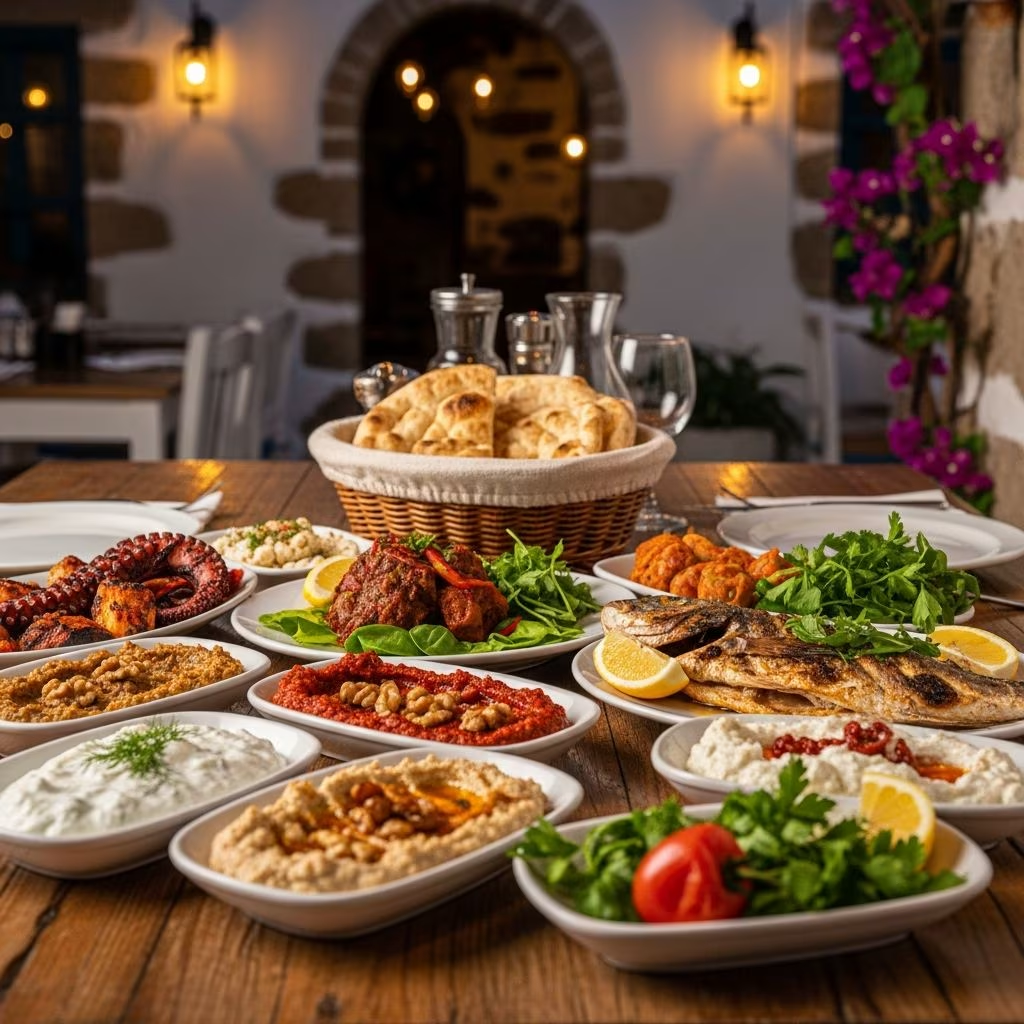
Meze—small plates of appetizers and side dishes—represent the philosophical and practical foundation of Turkish social dining. Rather than viewing meze as preliminary courses, locals frequently build entire meals from meze selections, enjoying the variety and sharing aspect these dishes provide. In meyhanes particularly, meze selections often precede fish courses or exist as complete meals independently.
Bodrum meze offerings emphasize regional specialties and preparations distinct from other Turkish regions. Notable selections include:
- Fava—creamy pureed white broad beans with olive oil and lemon
- Şakşuka—roasted eggplant combined with tomatoes and yogurt
- Beyaz peynir—local white cheese with distinctive texture and mild flavor
These preparations represent essential Bodrum food experiences, and visitors dining at meyhanes should prioritize sampling such selections. The variety possible within meze culture allows customizing meals to personal preferences while ensuring exposure to authentic regional preparations.
Fresh Seafood: Aegean Identity on the Plate
Bodrum’s maritime heritage fundamentally shapes its food culture, with seafood occupying central importance in local diets. The town’s position on the Aegean Sea provides access to remarkable catches, and locals have developed sophisticated relationships with seafood preparation and selection.
At waterfront meyhanes and market stalls, locals participate in direct seafood selection. Rather than accepting pre-prepared fish, diners examine displays of fresh catches, choosing specific specimens and directing kitchen staff in preparation preferences. This participatory approach reflects the importance locals attribute to ingredient quality and personal involvement in meal creation.
Fish preparation methods include traditional options like grilling and frying, but sophisticated local practice includes steamed preparations—bowls containing the day’s catch gently steamed with minimal additional ingredients. This technique highlights the fish’s natural qualities without the heavy sauce components tourist establishments often employ. The resulting dish represents purity of ingredient expression aligned with Mediterranean culinary philosophy.
Waterfront Dining: Balancing Tourism and Authenticity
Bodrum’s marina and waterfront areas present complex food landscapes where tourism and local culture intersect. While many establishments cater primarily to visiting clientele with inflated prices and standardized menus, certain venues maintain authenticity despite waterfront locations.
Establishments like Memedof demonstrate that waterfront dining needn’t involve excessive expense or compromised food quality. These restaurants maintain commitment to fresh seafood and thoughtful meze selections while avoiding the theatrical pricing characteristic of many harbor-side venues. Observant diners will notice these restaurants attracting both tourists and well-dressed local residents—an indicator of genuine quality and reasonable pricing structures.
The key distinction between tourist-oriented waterfront venues and authentic establishments relates to ingredient sourcing, preparation philosophy, and pricing transparency. Restaurants respecting local traditions typically feature similar pricing to counter-service establishments, with costs increasing based on ingredient quality and preparation complexity rather than location premium.
Culinary Navigation: Strategies for Authentic Dining
Successfully navigating Bodrum’s food landscape requires deliberate strategies and attentiveness to environmental cues. Several practical approaches increase likelihood of locating authentic dining experiences:
| Strategy | Implementation | Expected Outcome |
|---|---|---|
| Follow Local Patterns | Observe where residents eat during lunch hours; arrive at same times | Discover establishments frequented by community members |
| Examine Counter Displays | Choose venues displaying prepared dishes rather than menu-based ordering | Experience traditional preparation methods and honest pricing |
| Language Indicators | Seek establishments where staff communicate primarily in Turkish | Reduce likelihood of tourist-focused establishments |
| Pricing Assessment | Compare costs across multiple venues; authentic establishments rarely charge premium prices | Avoid expensive waterfront venues lacking quality justification |
| Meyhane Navigation | Select meyhanes based on local presence and atmosphere rather than location prominence | Experience social dining as locals participate in it |
Frequently Asked Questions About Bodrum Food Culture
What distinguishes local dining from tourist-oriented restaurants in Bodrum?
Authentic establishments typically emphasize ingredient quality and preparation tradition over ambiance or location. Counter-service formats, Turkish-language staff interactions, and pricing comparable to food costs rather than location premiums characterize genuinely local venues.
How much should I expect to spend on meals at authentic Bodrum restaurants?
Counter-service establishments and street vendors typically charge between 50-150 Turkish lira for complete meals. Meyhane meals involving multiple meze courses and fish selections might reach 200-300 lira, particularly with beverage additions.
What vegetarian options exist at traditional Bodrum dining establishments?
Substantial vegetarian selections appear regularly at counter-service restaurants. Okra with olive oil and tomatoes, white beans with herbs, eggplant preparations, and various vegetable-based meze provide satisfying meat-free meals.
When do locals typically eat their main meals?
Lunch represents the primary substantial meal for many Bodrum residents, typically occurring between 12:00 PM and 2:00 PM. Counter-service establishments often sell out of dishes by 2:00 PM. Evening meals tend toward lighter preparations or extended meyhane dining beginning around 8:00 PM.
Should I make reservations at meyhanes?
Meyhanes typically accommodate walk-in customers, particularly during off-peak hours. During summer tourism season and weekends, arriving early or requesting reservations ensures table availability.
Conclusion: Embracing Bodrum’s Authentic Culinary Character
Bodrum’s food culture reflects generations of Mediterranean and Turkish tradition adapted to local ingredients and community preferences. While tourism has introduced international options and high-end establishments, the authentic culinary character persists in markets, counter-service restaurants, street vendors, and meyhanes throughout the town. Visitors who deliberately seek these venues, adopt local dining patterns, and approach meals as cultural experiences rather than transactions will discover remarkable gastronomic experiences at modest costs. This approach transforms meals from simple consumption activities into genuine cultural participation, deepening understanding of Bodrum beyond its physical attractions.
References
- How to eat like a local in Bodrum — Lonely Planet. Accessed April 2026. https://www.lonelyplanet.com/articles/how-to-eat-like-a-local-in-bodrum
- Authentic Bodrum Food: Top 10 Local Eateries & Street Hotspots — Silly Suitcase. Accessed April 2026. https://sillysuitcase.com/authentic-bodrum-food-guide/
- Slowing down in Bodrum, chasing the waves and local treats — Özlem’s Turkish Table. August 2014. https://ozlemsturkishtable.com/2014/08/slowing-down-in-bodrum-chasing-the-waves-and-local-treats/
- Bodrum: Where to Eat (Resort Town in Turkey) — Nomadic Niko. October 2012. https://nomadicniko.com/2012/10/20/bodrum-where-to-eat/
On This Page
Where the Locals Source Their Ingredients: Markets and Street Commerce Counter-Service Establishments: The Heart of Daily Dining Traditional Vegetable and Bean Preparations: Bodrum's Vegetarian Foundation Kebab Specializations: Beyond Simple Meat in Bread Meyhanes: Social Institutions and Gastronomic Anchors Meze Culture: The Foundation of Social Dining Fresh Seafood: Aegean Identity on the Plate Waterfront Dining: Balancing Tourism and Authenticity Culinary Navigation: Strategies for Authentic Dining Frequently Asked Questions About Bodrum Food Culture Conclusion: Embracing Bodrum's Authentic Culinary Character← Previous
Mexico City Travel Guide for First-Timers
Next →
Best Jungle and Nature Reserves in Singapore
Related Reading
More in Food & Culture
Food & Culture Food & Culture
 Food & Culture
Best Places to Eat in Rome: Neighborhood Dining Guide
 Food & Culture
 Food & Culture