


 Food & Culture
Food & Culture
How to Eat Like a Local in the Algarve
Explore authentic Algarve cuisine beyond resort dining. Learn where locals eat, traditional dishes to try, and how to experience genuine Portuguese food culture.
 Food & Culture
The Algarve, Portugal’s sun-soaked southern region, has built a reputation for pristine beaches and charming villages, but increasingly it’s becoming recognized as a destination where culinary experiences rival those of Europe’s most celebrated food destinations. While the region hosts luxury resorts with Michelin-starred establishments and upscale dining venues, the true essence of Algarve gastronomy emerges when you venture beyond these high-end establishments and embrace the dining habits of locals. Understanding how to navigate the region’s food scene like a resident opens doors to affordable, memorable meals that showcase generations of culinary tradition.
Understanding Local Dining Culture
The philosophy of eating locally in the Algarve differs significantly from typical tourist dining patterns. Locals employ a straightforward strategy: distance yourself from coastal thoroughfares and beach-adjacent establishments. This geographical principle reveals a fundamental truth about the region’s food economics—restaurants situated away from high-traffic tourist zones maintain lower overhead costs, allowing them to offer superior value without compromising on quality or authenticity.
When exploring the Algarve’s dining landscape, observe where Portuguese residents gather for meals rather than following guidebook recommendations or tourist signage. This approach consistently leads to neighborhood establishments where menus reflect genuine regional preferences rather than international adaptations designed for visiting audiences. Many family-run restaurants in less touristy areas have operated for generations, preserving traditional preparation methods and flavor combinations that define true Algarvian cuisine.
The Essential Small Plates Tradition
An integral component of authentic Algarve dining involves understanding the concept of petiscos, often mistakenly referred to as “Portuguese tapas” by international visitors. While the comparison serves a functional purpose, locals make a deliberate distinction between these terms. The petiscos tradition emphasizes communal eating—ordering multiple small plates designed for sharing, leisurely consumption, and pairing with regional wines or locally brewed beer.
Traditional petiscos worth experiencing include:
- Chouriço assado—grilled sausage served sizzling on a clay plate, often accompanied by crusty bread for soaking up rendered fat and juices
- Bolinhos de bacalhau—seasoned cod fish cakes that showcase the region’s historical connection to fishing and salt-cured fish traditions
- Pica-pau—marinated beef strips typically combined with pickled vegetables, offering a complex interplay of savory and acidic flavors
- Salada de polvo—tender octopus combined with onions and vinegar, representing the Mediterranean’s influence on regional cooking
- Cenouras algarvias—carrots marinated in garlic and vinegar, demonstrating how local vegetables receive careful preparation
Ordering petiscos establishes a dining rhythm fundamentally different from conventional restaurant experiences. Rather than selecting a single entree, diners engage in a process of discovery, tasting multiple preparations while conversation and social connection take precedence over speed of service.
Seafood Excellence: From Markets to Tables
The Algarve’s most distinctive culinary identity centers on seafood preparation. The region’s fishing heritage spans centuries, with communities like Olhão maintaining continuous seafood commerce since Medieval times. The Olhão food market, located at Avenida 5 de Outubro, represents an authentic gateway to understanding how locals source and consume fresh catches.
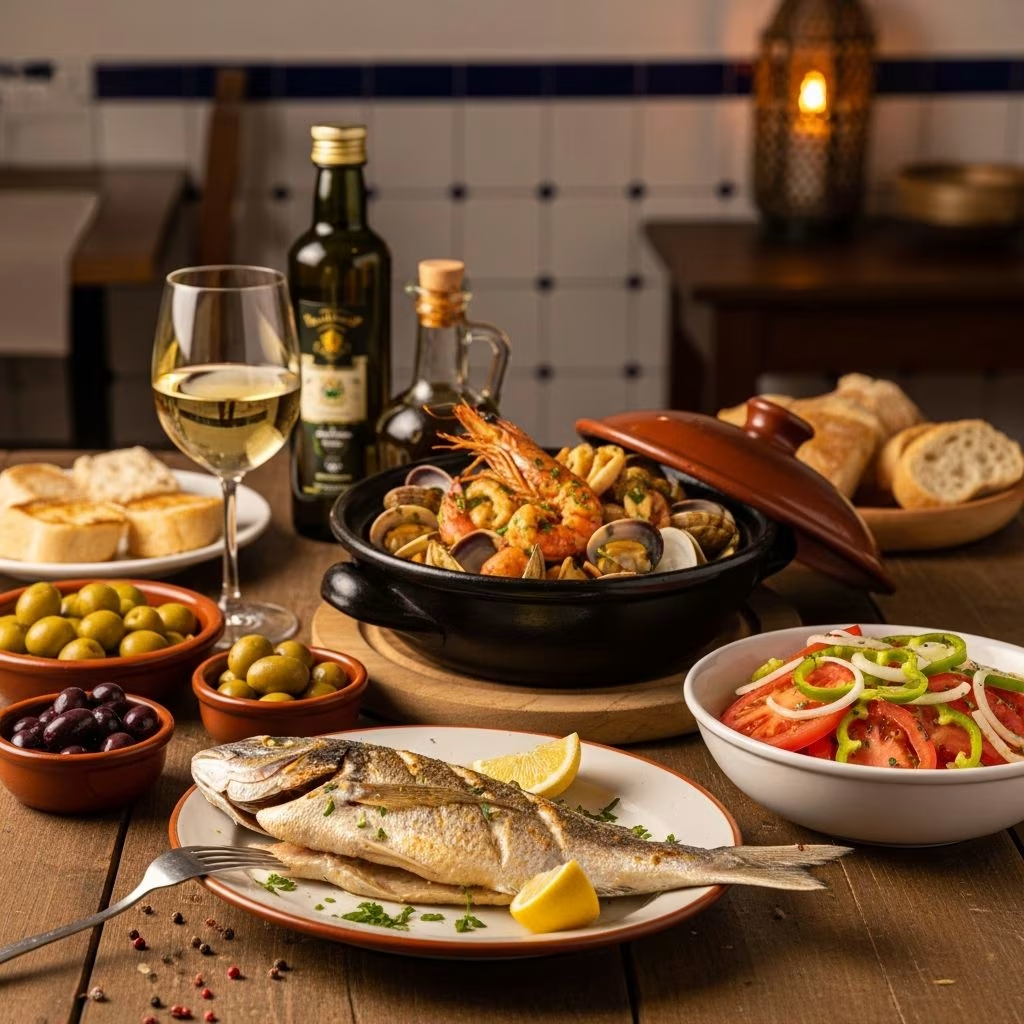
Exploring this market provides insights into seasonal availability, pricing practices, and species commonly prepared in regional kitchens. Clams and cockles prepared simply with garlic and olive oil exemplify Algarvian seafood philosophy—allowing natural flavors to dominate rather than masking them with complex sauces. Fresh fish selection varies seasonally, with bream and king prawns appearing frequently on local menus.
For those seeking authentic seafood experiences beyond home cooking, marisqueiras represent specialized establishments dedicated entirely to shellfish preparation. These restaurants typically feature boiled or grilled preparations of prawns, lobster, crab, clams, cockles, and regional species unfamiliar to many international diners. The famous Marisqueira Rui, located in the ancient Moorish capital inland, demonstrates that exceptional seafood dining need not occur beachside.
Ingredient Philosophy and Preparation Methods
Algarvian cuisine reflects a disciplined approach to cooking that prioritizes ingredient quality over technique complexity. Core components appearing repeatedly across traditional dishes include:
| Ingredient | Role in Local Cooking |
|---|---|
| Olive oil | Primary fat for cooking and finishing, essential to nearly all preparations |
| Garlic | Foundational arommatic in seafood and meat dishes |
| Onions | Base flavor component in stews and braised preparations |
| Fresh herbs | Coriander and parsley provide brightness and regional character |
| Lemon | Acidic balance in seafood preparations and marinades |
These humble ingredients combine in preparations that range from straightforward grilled preparations to elaborate highland stews showcasing regional game and preserved meats. The restraint in seasonality and complexity reflects a cooking philosophy prioritizing ingredient integrity over showmanship.
Navigating Menus and Restaurant Selection
Distinguishing between establishments authentically representing local cuisine and those adapted for international palates requires attention to specific details. Menu presentation offers telling clues—restaurants displaying English-language menus with photographs, extensive international options, and simplified descriptions typically cater primarily to tourists. Conversely, establishments presenting Portuguese-language menus with minimal English translation, handwritten daily specials, and assumptions of dining knowledge tend toward local clientele.
Restaurant location provides additional guidance. Establishments clustered in Old Town districts like Albufeira’s historic center, often featuring entertainment like karaoke, primarily serve visitor audiences rather than residents. Moving progressively inland and away from beach areas reveals dining venues where Portuguese families constitute the majority clientele, prices decrease notably, and preparation reflects generational traditions rather than contemporary marketing considerations.
Reservation practices differ meaningfully between tourist-oriented and local establishments. Fine dining venues and popular restaurants merit advance booking, while neighborhood spots often welcome walk-in diners and may offer better pricing or complimentary items to regular customers showing up without reservations.
Regional Specialties Worth Seeking
Beyond petiscos and seafood fundamentals, the Algarve features distinctive preparations deserving specific attention. Grilled meats prepared with assertive spice combinations demonstrate the region’s multicultural influences, while hearty highland stews showcase interior agricultural traditions often overshadowed by coastal seafood prominence. These meat-based dishes emerge from inland villages where cattle herding and game hunting maintained cultural and economic significance predating tourism development.
The cataplana represents another essential preparation—a traditional Portuguese stew utilizing a distinctive clamshell-shaped copper vessel that seals ingredients for steam cooking. Seafood cataplana combines various shellfish species with aromatics and broth, creating complex flavors from simple components. This preparation demonstrates how Algarvian cuisine develops depth through technique and time rather than ingredient multiplication.
Dining with Purpose: The Social Dimension
Eating like a local encompasses more than food selection—it involves embracing Portuguese dining rhythms and social practices. Meals constitute extended social occasions rather than efficient refueling breaks. Arriving at restaurants during typical mealtimes—roughly 12:30-14:00 for lunch and 19:30-22:00 for dinner—increases likelihood of joining the local crowd and experiencing authentic atmosphere.
The combination of leisurely pacing, wine appreciation, and conversation-centered dining reflects values emphasizing quality of life and human connection. Attempting to rush through courses or minimize time at the table contradicts local dining philosophy and potentially diminishes appreciation for carefully prepared foods.
Practical Recommendations for Authentic Experiences
- Research and visit established food markets during morning hours to observe local shopping patterns and seasonal availability
- Seek restaurants where Portuguese families dine regularly rather than those prominently featured in international guidebooks
- Order petiscos to experience the communal dining tradition and sample multiple preparations without commitment to single large dishes
- Inquire about daily specials presented verbally rather than printed, as these often highlight the previous day’s market acquisitions
- Select wines from local producers rather than international brands, as Portuguese selections typically pair better with regional foods
- Embrace unfamiliar preparations rather than defaulting to recognizable international options available everywhere
- Travel slightly inland to smaller villages where pricing aligns more closely with local economics rather than international tourist expectations
Michelin-Starred Options for Special Occasions
While this guide emphasizes authentic local dining, the Algarve offers legitimate fine dining options for those seeking elevated culinary experiences. Vila Joya at Hotel Vila Joya in Galé maintains two Michelin stars while emphasizing local fish and seasonal produce, with menus changing daily based on market availability. Ocean at Vila Vita Parc represents another destination-worthy establishment where culinary skill and ingredient quality justify premium pricing.
These establishments differ from casual local spots primarily through refinement level and ingredient sourcing breadth rather than fundamental cooking philosophy. Even at this luxury tier, the focus remains on showcasing regional flavors and seasonal ingredients rather than pursuing international fusion or experimental techniques divorced from local culinary traditions.
Frequently Asked Questions
What distinguishes petiscos from Spanish tapas?
While conceptually similar—both involve small shared plates—petiscos emphasize Portuguese preparations and social dining patterns specific to Portugal. Flavor profiles, ingredient selections, and traditional dishes differ markedly, with petiscos often featuring more seafood and distinctive Portuguese proteins like preserved meats and salt cod.
Is it necessary to speak Portuguese to dine authentically?
While Portuguese fluency enhances experiences, many local restaurants employ multilingual staff or feature visual menus allowing English speakers to navigate selections. Speaking Portuguese, even minimally, demonstrates respect and often results in warmer service and more generous portions at casual establishments.
What budget should visitors expect for local dining?
Casual neighborhood restaurants typically offer three-course meals with wine for €15-25 per person, while petiscos-focused venues average €20-35 per person depending on quantity ordered. Fine dining establishments range from €50-150 per person, with Michelin-starred venues commanding premium pricing.
When are the best times to visit local restaurants?
Lunch service occurs roughly 12:30-14:00, with dinner service typically beginning around 19:30 and extending until 23:00. Visiting during these established mealtimes increases likelihood of encountering local diners and experiencing authentic atmosphere.
How does seasonal availability affect menu options?
Seafood species vary significantly with seasons, affecting prices and availability of specific dishes. Peak seasons align with tourism surges (summer months), while quieter seasons offer potentially lower prices but reduced variety in some categories.
References
- Eat like a local in the Algarve — Lonely Planet. https://www.lonelyplanet.com/articles/eating-like-a-local-in-the-algarve
- 9 Authentic Algarve Foodie Activities & Restaurants in South Portugal — Authentic Chic Lifestyle. https://www.authenticchiclifestyle.com/single-post/9-authentic-algarve-foodie-activities-restaurants-in-south-portugal
- Best Places to Eat in Faro & the Algarve: Our Ultimate Foodie Guide — Folkestone Foodies. https://folkestonefoodies.co.uk/best-places-to-eat-in-faro-and-the-algarve/
- Where to Eat in the Algarve: Best Restaurants Guide — Olá Daniela. https://oladaniela.com/where-to-eat-in-the-algarve/
- 7 Foods You Must Eat In The Algarve — Eating the Globe. https://eatingtheglobe.com/foods-the-algarve/
- Must-Eat while touring Algarve, Portugal — Tanya GO Travel. http://tanyagotravel.com/2024/06/15/must-eat-while-touring-algarve-portugal/
On This Page
Understanding Local Dining Culture The Essential Small Plates Tradition Seafood Excellence: From Markets to Tables Ingredient Philosophy and Preparation Methods Navigating Menus and Restaurant Selection Regional Specialties Worth Seeking Dining with Purpose: The Social Dimension Practical Recommendations for Authentic Experiences Michelin-Starred Options for Special Occasions Frequently Asked Questions← Previous
Accessible Travel in Japan: A Wheelchair-Friendly Guide
Next →
Hidden Italy: Underrated Regions, Villages, and Off-the-Beaten-Path Escapes
Related Reading
More in Food & Culture
Food & Culture Food & Culture
 Food & Culture
Best Places to Eat in Rome: Neighborhood Dining Guide
 Food & Culture
 Food & Culture