


 Food & Culture
Food & Culture
How to Eat Like a Local While Traveling
Master the art of eating like a local with expert strategies: research deeply, join cooking classes, trust guides, explore markets, and avoid tourist traps for unforgettable food experiences.
 Food & Culture
Traveling offers endless opportunities to immerse yourself in new cultures, and food stands at the heart of that experience. Skipping tourist traps for genuine local eats transforms a trip from ordinary to extraordinary. This guide shares practical, battle-tested methods to uncover the best regional dishes, drawing from expert insights and real-world practices.
Master Pre-Trip Research for Culinary Success
Before packing your bags, dedicate time to thorough food research. Start with destination-specific searches on reputable food publications and local media outlets. These sources reveal spots cherished by residents long before they hit international radars.
Focus on city newspapers’ food sections, alternative weeklies, and emerging blogs. For instance, regional outlets like L.A. Taco provide unmatched Los Angeles insights, while Westword covers Denver’s unique scene. In smaller locales, scour Instagram, YouTube, and TikTok for creators who live and breathe the local food culture—their recommendations often lead to undiscovered treasures.
Compile a list of must-try dishes unique to the area. Blogs detailing national cuisines, such as comprehensive Sri Lankan food roundups, equip you with knowledge to navigate menus confidently. This preparation ensures you hit the ground running, prioritizing authentic flavors over generic tourist fare.
Immerse Yourself in Hands-On Cooking Classes
Go beyond dining out by enrolling in cooking classes, which offer intimate glimpses into daily culinary traditions. Platforms like Airbnb Experiences connect you with locals teaching traditional techniques using fresh, regional ingredients.
These sessions reveal the “other side” of a destination’s food landscape, from farm-to-table methods near Cabo to Oaxacan village cooking. You’ll learn to prepare dishes as natives do, gaining skills and stories that enrich your journey. Hotels often partner with nearby experts, making classes convenient and authentic.
- Benefits of cooking classes: Direct interaction with locals, hands-on learning, and insider restaurant tips.
- Typical duration: 3-5 hours, including market visits and meals.
- Cost range: $50-$150 per person, depending on location and group size.
Leverage Local Guides and Experts
Professional guides unlock neighborhoods and eateries outsiders rarely find. Companies like The Table Less Traveled emphasize that culinary travel extends beyond classes to market tours, street food crawls, and home-hosted dinners.
Trust guides who prioritize resident-favored spots over tourist hubs. In Seattle, for example, top Chinese restaurants cluster in Chinatown, not Pike Place Market. Dedicate a day to one neighborhood for deep dives—chefs and locals steer you to hidden gems.
Word-of-mouth remains gold: Approach residents politely for suggestions, as executive chefs like Thomas Melvin advise. Their pointers bypass overhyped venues for reliable quality.
Discover Flavors at Vibrant Markets and Grocers
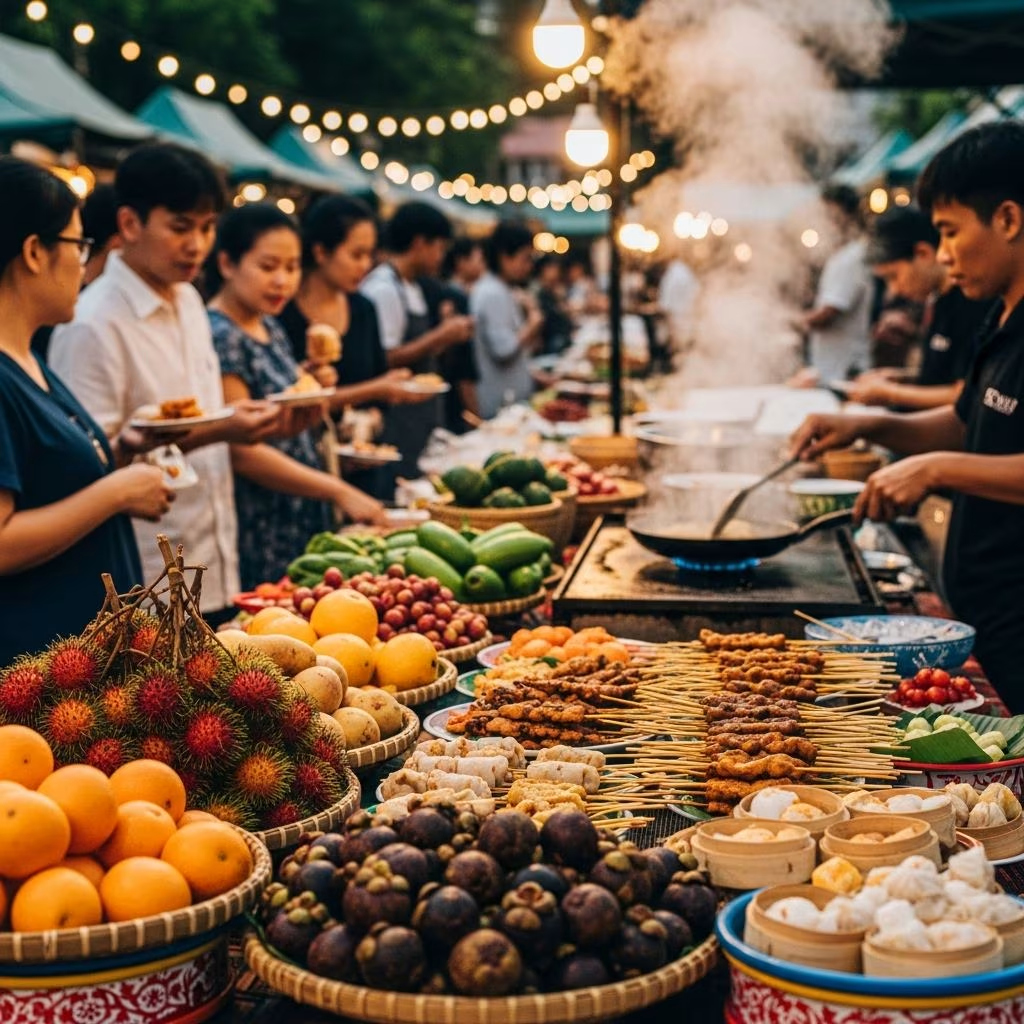
Markets pulse with a destination’s true essence—fresh produce, spices, and ready-to-eat delights. Farmers’ markets and street stalls let you sample seasonal bounty while chatting with vendors who supply top restaurants.
These producers recommend eateries showcasing their goods, offering trustworthy leads. Executive chef Richard Crespin highlights markets as prime spots for dining intel and sensory overload. Small grocers yield similar insights; grab local snacks and probe for chef favorites.
| Market Type | Best For | Pro Tip |
|---|---|---|
| Farmers’ Market | Fresh produce, cheeses | Ask vendors about restaurant buyers |
| Street Food Market | Quick bites, variety | Observe local queues for hottest stalls |
| Neighborhood Grocer | Snacks, staples | Chat with staff for home-cook haunts |
Harness Digital Tools and Social Media
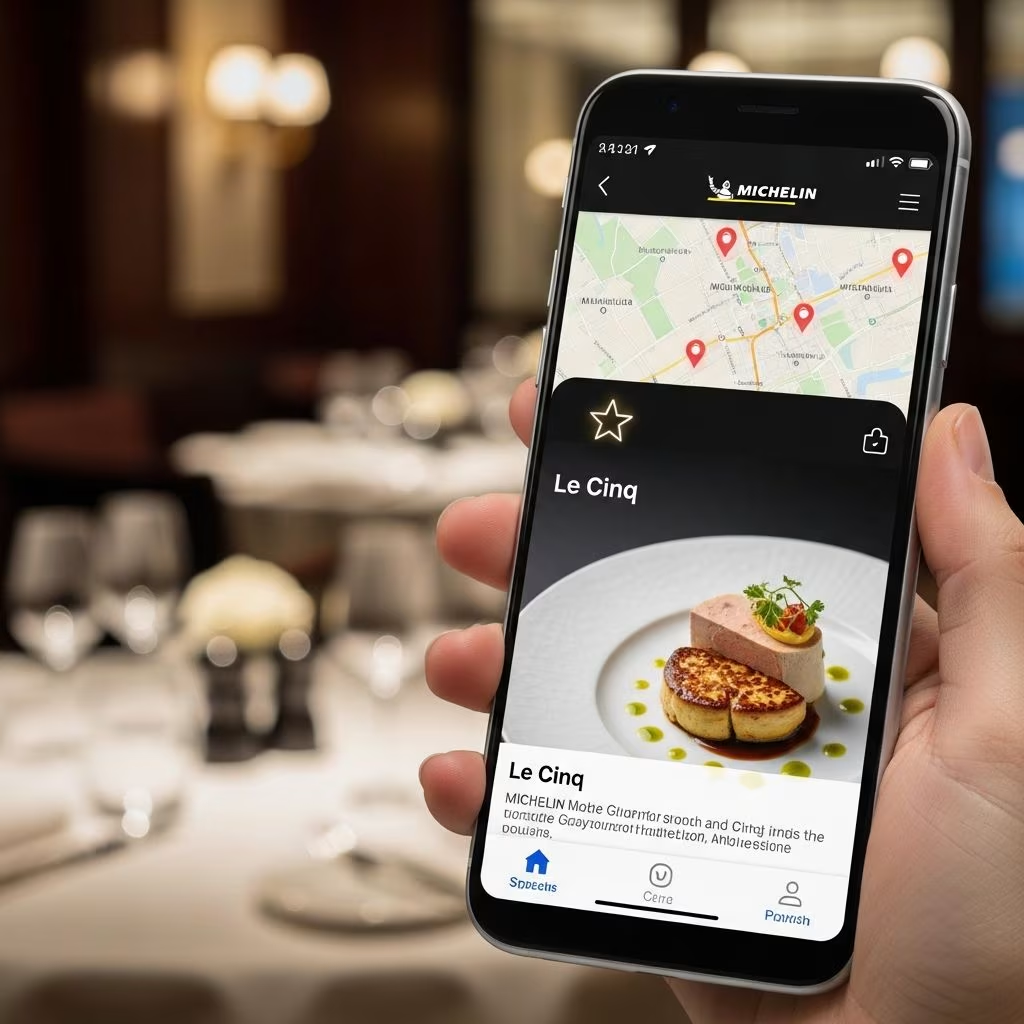
Smartphones are your pocket guides. Apps like Local Eats list independent spots with GPS features, even hailing cabs from afar. Search Instagram and TikTok with phrases like “best brunch [city]” for resident videos showcasing ambiance and dishes.
Reservation sites reveal chef picks and local favorites. Cross-reference with forums or food blogs for deeper context, but prioritize on-the-ground arrival paired with prep. Avoid over-relying on reviews; focus on local influencers for unfiltered views.
Venture Beyond Tourist Zones
The finest meals hide blocks from attractions. Dine in residential areas where locals gather—cafes, family-run spots, and unpretentious eateries thrive there.
James Beard semifinalist Thomas Melvin urges steering clear of tourist strips; instead, seek neighborhood vibrancy. Universities, hospitals, and office districts buzz at lunch with authentic options—follow the crowds of workers. This approach guarantees fresher, cheaper, and more flavorful experiences.
Adopt Local Eating Habits and Timing
Sync with regional rhythms: Late-night tapas in Spain, breakfast congee in Asia. Observe meal times—diners packed with locals signal quality.
Embrace street food and casual venues where residents fuel daily life. Flexibility uncovers pop-ups and seasonal specials missed by rigid itineraries.
Common Pitfalls and How to Avoid Them
- Tourist menus: Skip multilingual boards; opt for local-language signs.
- Overhyped spots: High review volumes often mean crowds, not quality—check recent local posts.
- Language barriers: Use translation apps; point at photos for clarity.
- Food safety: Stick to busy stalls; hot foods are safest.
FAQs: Your Local Food Questions Answered
What if I have dietary restrictions?
Research common accommodations per cuisine; use apps like Google Translate for menus. Many classes adapt recipes.
Is street food safe?
Choose high-turnover vendors with good hygiene; peeled fruits and hot items minimize risks.
How much extra time for food exploration?
Budget 1-2 hours daily for markets or walks; integrate into itineraries.
Best apps for food discovery?
Local Eats, HappyCow (vegan), and social platforms top lists.
Can solo travelers eat like locals?
Absolutely—cooking classes and markets suit individuals perfectly.
Building Your Ultimate Food Itinerary
Combine strategies: Research dishes, book a class, join a guide-led market tour, then neighborhood-hop. Track finds in a journal for future trips. This holistic approach maximizes authenticity, turning meals into cultural milestones.
From bustling Asian wet markets to European charcuterie stalls, every destination yields gems for the prepared traveler. Embrace curiosity, respect customs, and savor the stories behind each bite.
References
- 8 Ways to Eat Like a Local When Traveling — InsideHook. 2023-05-15. https://www.insidehook.com/travel/really-eat-like-local-traveling
- How to Find Great Food When You Travel — AARP. 2024-02-10. https://www.aarp.org/travel/vacation-ideas/food-drink/how-to-find-great-food-while-traveling/
- How to Ditch Your Comfort Zone, Eat Local, and Be the Ultimate Food Traveler — Migrationology. 2023-11-20. https://migrationology.com/how-to-be-a-food-travel-traveler/
- The Secret to Eating Like a Local When You Travel — Rewards Network. 2024-01-05. https://www.rewardsnetwork.com/blog/travel-food-ideas/
- 7 Underrated Tricks for Finding the Best Food in ANY City — Culture Craving Couple (YouTube). 2024-03-12. https://www.youtube.com/watch?v=wFFgwzRyMdo
On This Page
Master Pre-Trip Research for Culinary Success Immerse Yourself in Hands-On Cooking Classes Leverage Local Guides and Experts Discover Flavors at Vibrant Markets and Grocers Harness Digital Tools and Social Media Venture Beyond Tourist Zones Adopt Local Eating Habits and Timing Common Pitfalls and How to Avoid Them FAQs: Your Local Food Questions Answered Building Your Ultimate Food Itinerary← Previous
Best Friday Brunches Around the World
Next →
Best Family Activities in Doha for Kids and Parents
Related Reading
More in Food & Culture
Food & Culture Food & Culture
 Food & Culture
Best Places to Eat in Rome: Neighborhood Dining Guide
 Food & Culture
 Food & Culture