


 Food & Culture
Food & Culture
How to Eat Like a Local While Traveling
Learn proven strategies to navigate unfamiliar food cultures, connect with local vendors, and experience authentic regional cuisines that reveal a destination's true character.
 Food & Culture
Travel offers more than sightseeing—it provides an opportunity to experience a destination through its food culture. Yet many travelers default to familiar international chains or generic tourist restaurants, missing the authentic flavors and cultural insights that local cuisine provides. Eating like a resident requires intention, research, and willingness to venture into unfamiliar territory. This guide explores practical strategies to navigate food cultures worldwide and discover culinary experiences that truly represent a place.
Preliminary Research: Building Your Food Foundation
Before arriving at your destination, invest time understanding the regional food landscape. Successful local eating begins with knowledge about what dishes define a region, which ingredients appear seasonally, and where passionate cooks and vendors congregate. This preparation eliminates the paralysis that often accompanies navigating unfamiliar cuisines and menus in foreign languages.
Start by consulting regional and local food specialties rather than generic national dishes. Many travelers become excited about trying a particular dish only to discover it originates from a different region entirely. Local food publications—including newspapers’ food sections, independent culinary magazines, and regional media outlets—often feature stories about emerging restaurants and established neighborhood gems before national tourism publications discover them. These sources provide authentic guidance unavailable in mainstream travel guides.
Social media platforms offer additional research opportunities. Instagram, TikTok, and YouTube channels created by local food enthusiasts showcase neighborhood restaurants, street food vendors, and market scenes. Look specifically for accounts managed by residents with demonstrated expertise rather than travel influencers promoting paid partnerships. These local voices often highlight family-run establishments and traditional food vendors that define a community’s culinary identity.
Strategic Information Gathering: Tapping Local Knowledge
Once you’ve completed initial research, consult people embedded in your destination. Hotel staff, baristas, shop owners, and accommodation hosts possess intimate knowledge of neighborhood dining patterns and can direct you to places frequented by residents rather than visitors. These recommendations often lead to smaller establishments offering more authentic experiences than well-known tourist destinations.
Ask specific questions rather than requesting generic suggestions. Instead of “Where should I eat?” try “Where do you eat lunch on weekdays?” or “Which neighborhood restaurant do your friends recommend?” This approach yields recommendations reflecting actual local preferences rather than establishments chosen for their appeal to visitors.
Ethnic Neighborhoods: Cultural Centers of Flavor
Most cities contain neighborhoods where specific ethnic communities maintain their cultural traditions, including food practices. These areas typically host the most authentic restaurants and markets, often operated by immigrants serving their community before they became tourist destinations. Visiting ethnic neighborhoods accomplishes multiple objectives simultaneously—you access superior cuisine, support community businesses, and experience cultural dimensions of your destination beyond typical tourist zones.
These neighborhoods frequently operate on different schedules than downtown tourist areas. Lunch service may be brief and designed for working residents rather than leisurely tourists. Visit during local meal times—typically midday for lunch, early evening for dinner—to experience the atmosphere and clientele that define these spaces.
Farmers Markets and Local Sourcing: Direct Producer Connection
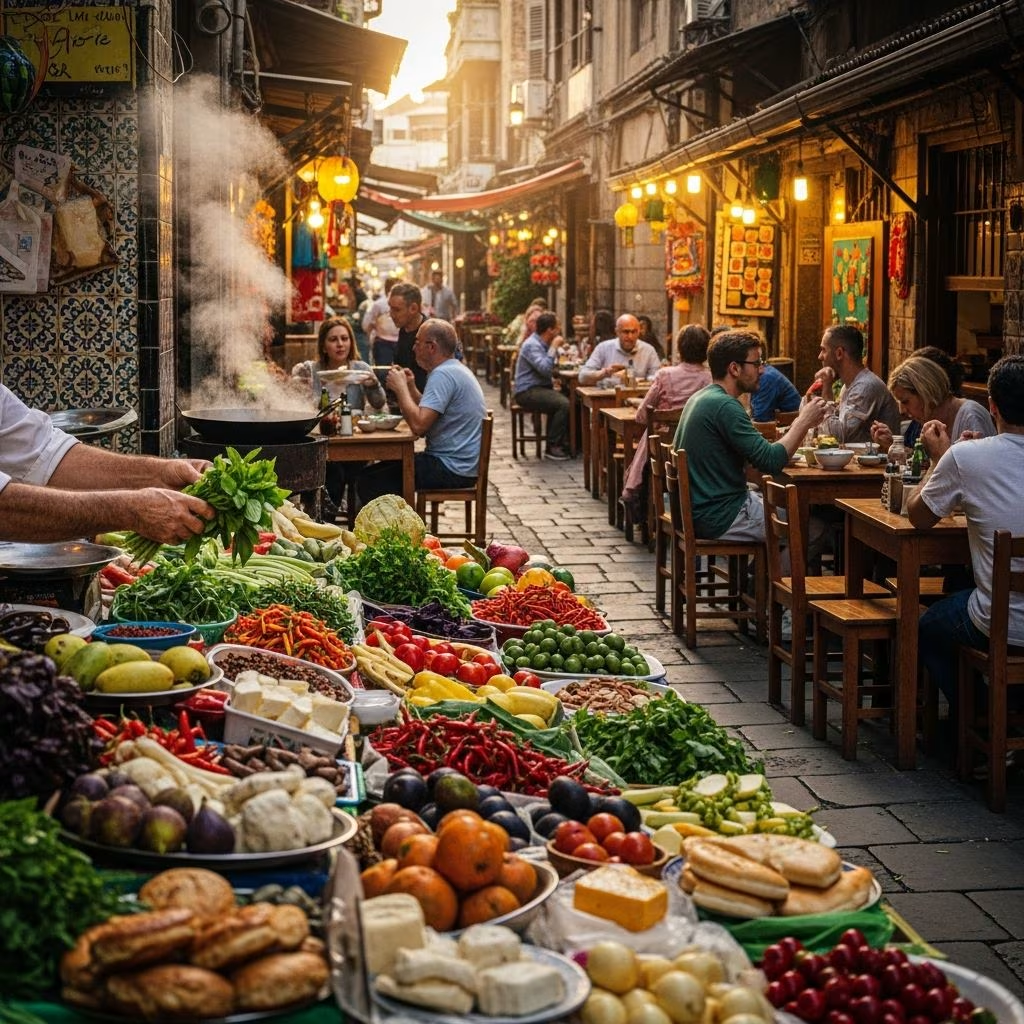
Markets represent concentrated repositories of regional food traditions and seasonal specialties. Whether formal farmers markets or informal neighborhood shops, these spaces connect you directly with producers and vendors who understand local cuisine deeply. Beyond purchasing fresh ingredients, market vendors serve as informal guides, suggesting how seasonal products should be prepared and which restaurants feature their offerings.
Markets also reveal what residents actually eat. Unlike restaurants designed for tourists, market selections reflect community preferences and seasonal availability. Observing what local shoppers purchase provides genuine insight into everyday eating patterns. Vendors often offer samples and recommendations—accept these opportunities to discover products and flavor combinations unfamiliar to outside palates.
Evaluating Street Food and Casual Vendors: Quality Indicators
Street food represents a legitimate culinary segment in many cultures, offering delicious and healthful options when sourced from reputable vendors. However, not all street vendors meet quality standards. Successful street food identification combines sensory observation with practical indicators.
Trust your nose—aromatic smells indicate fresh preparation and quality ingredients, while unpleasant odors suggest stagnant oil or improperly stored food. Observe vendor practices: Do they maintain clean preparation surfaces? Do they handle ingredients with attention to hygiene? Is produce vibrant and fresh? Are noodles handmade rather than pre-packaged? Do stocks appear to have simmered all day rather than being recently prepared?
When uncertainty persists, guided food tours organized by local operators provide excellent street food introduction. Professional guides, particularly those with lifelong community connections, navigate you toward reputable vendors and explain food history, preparation methods, and cultural significance. This approach minimizes food safety concerns while accelerating your understanding of local culinary traditions.
Restaurant Selection: Moving Beyond Tourist Traps
Dining establishments frequented by residents provide genuine local cuisine in comfortable settings. However, identifying resident-preferred restaurants requires looking beyond obvious tourist areas. Popular tourist neighborhoods typically concentrate establishments catering to visitor preferences rather than authentic local tastes.
Research dining options in neighborhoods where residents actually live and work. These areas host restaurants designed for community members during lunch service and casual dinners rather than destination dining experiences. The ambiance may be simpler, menus may appear less polished, and service staff may be less accustomed to tourists—these characteristics often indicate authenticity.
Consider visiting restaurants during off-peak tourist times. Many excellent establishments that develop strong local followings employ minimal English-language menus and staff unfamiliar with tourist dietary preferences. Dining during lunch or early dinner, when local workers and families constitute the primary clientele, provides more authentic experiences than peak evening service when establishments accommodate visitors.
Culinary Classes: Learning Through Participation
Cooking classes reveal how residents prepare meals at home rather than in restaurant kitchens. These experiences transform understanding of local cuisine beyond tasting finished dishes. Classes typically source ingredients from local markets, teach traditional preparation techniques, and explain cultural significance of particular dishes and flavor combinations.
Professional instructors often operate from home kitchens or small cooking schools, providing intimate settings for learning. Beyond technical skills, participants gain insights into family traditions, ingredient sourcing, and the rhythms of local food culture. The resulting meals become memorable experiences combining culinary learning with cultural connection.
Creating Intentional Food-Based Itineraries
Rather than treating meals as incidental to sightseeing, structure travel around culinary experiences. Establish a list of restaurants, markets, neighborhoods, and food experiences you want to explore, then organize attractions and activities around these food destinations. This approach ensures you allocate sufficient time for meaningful culinary exploration rather than rushing through meals between tourist attractions.
Build flexibility into food-focused itineraries. Neighborhood walks often uncover unexpected vendors and small restaurants worth exploring. Allow time for market browsing, casual meals at neighborhood cafés, and opportunities to revisit particularly memorable establishments. The best culinary discoveries frequently emerge from spontaneous exploration rather than rigid planning.
Embracing Variety: Combining Multiple Food Experiences
Authentic local eating mirrors how residents actually eat—combining various experiences rather than adhering to a single approach. Just as residents alternate between home cooking, casual cafés, street food, and occasional restaurant meals, travelers should mix dining experiences. Mornings at neighborhood cafés, lunch from market vendors, and dinners at local restaurants create comprehensive understanding of a destination’s food culture.
This variety also prevents culinary fatigue. After consecutive meals at notable restaurants, simple street food or market purchases feel refreshing. The balance between structured dining experiences and casual food discoveries keeps travel eating engaging and prevents meals from becoming obligatory checkboxes rather than genuine experiences.
Maintaining Adventurous Openness
Culinary exploration requires willingness to try unfamiliar foods and flavors. While food safety concerns deserve respect, excessive caution eliminates opportunities to discover the regional specialties and preparation methods that define local cuisine. Most regional dishes, particularly those consumed regularly by large populations, represent safe and worthwhile culinary experiences.
Start with less intimidating unfamiliar foods. Vegetables, fruits, and mild proteins offer entry points to regional cuisines. Success with initial dishes builds confidence for more adventurous exploration. Asking vendors and restaurant staff for recommendations helps identify dishes that appeal to personal preferences while remaining authentic to the region.
Frequently Asked Questions
How do I ensure street food is safe to eat?
Evaluate vendor cleanliness, ingredient freshness, and preparation practices. Look for busy stalls with high customer turnover—fresh ingredients indicate rapid sales and regular restocking. Trust aromatic smells and visible cooking processes. If uncertain, join a guided food tour where professionals recommend trustworthy vendors.
What if I have dietary restrictions?
Research your destination’s common dietary accommodations before arrival. Learn relevant vocabulary in the local language explaining your restrictions. Contact restaurants in advance, or ask accommodation staff and restaurant workers for guidance on menu modifications. Many communities have established techniques for accommodating specific diets within traditional cuisines.
Should I avoid restaurants with English menus?
Not exclusively, but English menus often indicate establishments catering primarily to tourists. Restaurants serving local customers typically feature menus in local languages. However, many excellent restaurants maintain English menus for international guests. Look beyond menu language to evaluate whether the clientele, pricing, and preparation methods suggest authentic local dining.
How much time should I allocate to food experiences?
Dedicate at least one full day per destination to deliberate culinary exploration. This allows market browsing, restaurant meals, and vendor exploration without rushing. Multi-day visits benefit from food tours, cooking classes, and neighborhood dining spanning several meals.
Practical Dining Checklist
- Research local food publications and social media accounts before arrival
- Ask accommodation staff and local residents for neighborhood restaurant recommendations
- Visit farmers markets and local shops to observe community food preferences
- Explore ethnic neighborhoods known for authentic community restaurants
- Evaluate street food vendors for cleanliness and ingredient quality
- Consider guided food tours for introductions to local food scenes
- Take a cooking class to learn traditional preparation methods
- Plan your itinerary around food destinations rather than fitting meals around attractions
- Combine multiple dining experiences—cafés, markets, restaurants, street food
- Maintain openness to unfamiliar regional specialties
The Cultural Significance of Local Eating
Dining like a local transcends acquiring pleasant taste experiences—it represents genuine cultural engagement. Food reflects regional agriculture, historical trade routes, immigrant communities, and generational cooking traditions. Understanding how residents eat provides insights into lifestyle, values, economic conditions, and the ways communities organize daily life around meals.
This engagement builds empathy and understanding unavailable through typical tourism. Conversations with vendors, restaurant owners, and fellow diners create human connections across cultural and linguistic boundaries. These interactions frequently constitute travel’s most meaningful aspects, providing perspectives that complicate stereotypes and reveal shared humanity across geographical distance.
Eating locally also provides economic benefits to communities. Choosing neighborhood restaurants and market vendors over international chains and tourist establishments supports residents’ livelihoods directly. This conscious spending strengthens local food systems and encourages communities to maintain traditional food practices rather than abandoning them for economically expedient globalized options.
References
- Be Discerning – Not All Street Food is Good Food — Grand Tourism Travels. Retrieved April 2026. https://grantourismotravels.com/how-to-eat-like-locals-when-you-travel/
- How to Eat Like a Local Anywhere in the World — Let’s Roam. Retrieved April 2026. https://www.letsroam.com/explorer/how-to-eat-like-a-local/
- 8 Ways to Eat Like a Local When Traveling — InsideHook. Retrieved April 2026. https://www.insidehook.com/travel/really-eat-like-local-traveling
- The Secret to Eating Like a Local When You Travel — Rewards Network. Retrieved April 2026. https://www.rewardsnetwork.com/blog/travel-food-ideas/
- Eat Like a Local When You Vacation — Travelpro. Retrieved April 2026. https://travelpro.com/blogs/the-travelpro-blog/eat-like-a-local-when-you-vacation
- Don’t be an Idiot Abroad: Eat Like a Local — Lifetime Tidbits. Retrieved April 2026. https://www.lifetimetidbits.com/post/eat-like-a-local
On This Page
Preliminary Research: Building Your Food Foundation Strategic Information Gathering: Tapping Local Knowledge Ethnic Neighborhoods: Cultural Centers of Flavor Farmers Markets and Local Sourcing: Direct Producer Connection Evaluating Street Food and Casual Vendors: Quality Indicators Restaurant Selection: Moving Beyond Tourist Traps Culinary Classes: Learning Through Participation Creating Intentional Food-Based Itineraries Embracing Variety: Combining Multiple Food Experiences Maintaining Adventurous Openness Frequently Asked Questions Practical Dining Checklist The Cultural Significance of Local Eating← Previous
Guilty Pleasures: Food, TV, Travel & Self-Care
Next →
10 Tourist Habits That Annoy Locals and Fellow Travelers
Related Reading
More in Food & Culture
Food & Culture Food & Culture
 Food & Culture
Best Places to Eat in Rome: Neighborhood Dining Guide
 Food & Culture
 Food & Culture